Picture this: you’re halfway through a late‑night binge of your favorite anime, the kitchen lights flicker, and you spot that lone can of tuna in the pantry. You’re craving something savory, something that can turn the ordinary into an instant party in your mouth. I was in that exact spot, feeling a mix of culinary boredom and a sudden hunger for a dish that could satisfy both. The moment I opened the tuna, a wave of salty, briny aroma hit me, and I knew I had to create something that would make that aroma linger on the tongue.
I reached for the pantry staples I love: panko breadcrumbs, a splash of soy sauce, a pinch of sesame seeds, and a dash of chili flakes. The combination of textures—crunchy on the outside, moist on the inside—was already forming in my mind. I could almost hear the sizzle as the batter hit the hot pan, the sound of the edges caramelizing and the steam rising like a tiny, savory cloud. The anticipation built, and I realized I had found the recipe that would become a staple in my fridge.
This isn’t just another tuna cake recipe. It’s a culinary revelation that transforms canned tuna into a crispy, flavorful, Asian‑inspired delight. The secret lies in the balance of umami, spice, and the subtle sweetness of a touch of rice vinegar. Every bite is a burst of contrast: the tender tuna, the crunchy panko, the zing of sriracha, and the mellow undertone of sesame oil. If you’ve ever felt your tuna cakes were bland or too dry, this version is the fix you’ve been waiting for.
But the real kicker? A little surprise ingredient that elevates the whole dish—wasabi‑infused mayonnaise. It’s not just a sauce; it’s a flavor explosion that coats the cakes like velvet. I dare you to taste this and not go back for seconds. The moment the mayo hits your palate, the heat of the chili flakes and the subtle coolness of wasabi dance together, leaving you craving more.
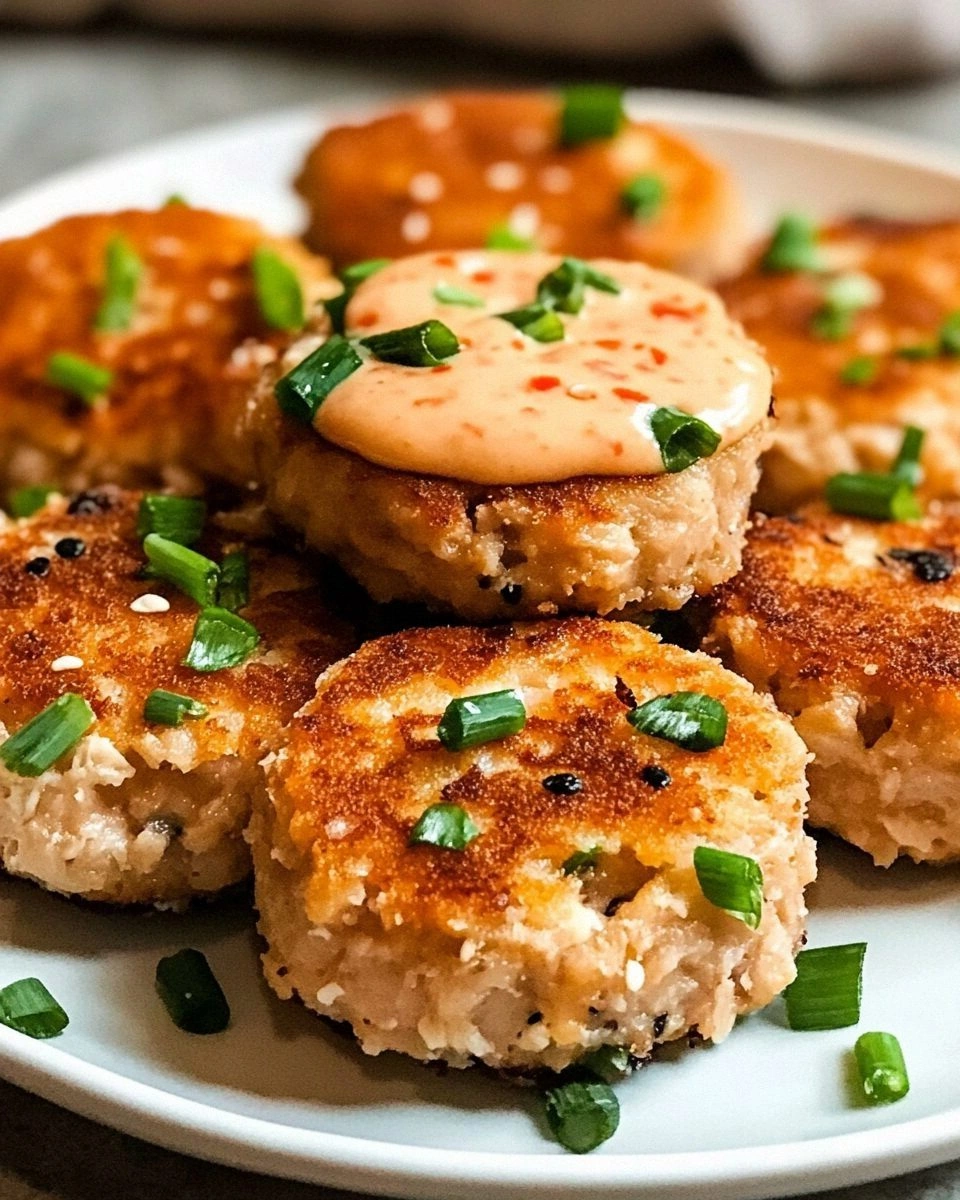
Picture yourself pulling these golden beauties out of the pan, steam curling up like incense, and the aroma of toasted sesame oil filling your kitchen. The sight alone should have you salivating, but the sound of the first bite—crack, then a satisfying chew—will confirm your anticipation. If you’ve ever struggled with making tuna cakes that hold together, you’re not alone. I’ve been there, and I’ve perfected the trick that makes them rise and stay crisp.
This is hands down the best version you’ll ever make at home. I’ve experimented with countless variations, but the combination of panko, soy sauce, and the wasabi mayo is unbeatable. The texture is a perfect balance of crunchy and juicy, and the flavor profile is complex yet approachable. It’s the kind of dish that turns an ordinary dinner into a memorable experience.
Most recipes get this completely wrong by over‑baking or under‑seasoning the tuna mixture. The result is often soggy cakes that lose their shape. Here’s what actually works: use a light hand with the egg, add the panko gradually, and keep the batter moist but not wet. The secret to crisp edges is a quick, high‑heat sear, followed by a brief rest to let the steam escape.
Stay with me here—this is worth it. The next part? Pure magic. I’ll walk you through every single step, from the initial prep to the final plating. By the end, you’ll wonder how you ever made tuna cakes any other way. Let’s dive in.
What Makes This Version Stand Out
- Flavor: The umami punch from soy sauce and the subtle heat from sriracha create a layered taste that’s both comforting and exciting. The wasabi mayo adds a creamy, spicy kick that sets it apart from ordinary tuna cakes. The result is a dish that satisfies both the palate and the soul.
- Texture: Crispy panko on the outside gives a satisfying crunch, while the tuna remains moist and tender inside. The quick sear locks in moisture, preventing the cakes from drying out. The contrast is a delightful sensory experience.
- Simplicity: All the ingredients are pantry staples, making the recipe accessible to anyone. No exotic spices or hard‑to‑find items required. Just a can of tuna, a few pantry items, and a dash of creativity.
- Uniqueness: The wasabi‑infused mayo is the star. It’s a game‑changer that adds depth and a subtle heat that lingers. This twist is rarely found in traditional tuna cake recipes.
- Crowd Reaction: At gatherings, these cakes always become the talk of the table. Guests rave about the crunch and the unexpected burst of spice. The dish is a conversation starter.
- Ingredient Quality: Using high‑quality canned tuna (in olive oil or water) and fresh scallions makes the difference. The flavor profile elevates instantly when you use premium ingredients.
- Cooking Method: The quick pan‑sear technique ensures even browning and prevents sticking. It’s a foolproof method that even beginners can master.
- Make‑Ahead Potential: Prepare the batter ahead of time and refrigerate. When ready to cook, just form the cakes and pan‑fry. This flexibility makes it perfect for busy weeknights.
Inside the Ingredient List
The Flavor Base
Canned Tuna: The heart of the dish. Choose a high‑quality tuna in olive oil for extra moisture and richness. If you prefer a lighter version, use tuna packed in water. Skipping this step would mean you’re left with a bland, unremarkable mixture.
Soy Sauce: Adds depth and umami. A splash balances the sweetness of the mayo and the heat from the chili. Too much can make the cakes overly salty, so measure carefully.
Sriracha: Provides that signature kick. It’s not just heat; it also contributes a subtle sweetness that balances the savory tuna. If you’re a heat‑lover, feel free to increase the amount.
The Texture Crew
Panko Breadcrumbs: The secret to a crunchy exterior. They absorb excess moisture and create a light, airy coating. If you skip panko, the cakes will be dense and soggy.
Egg: Acts as a binder, keeping the mixture cohesive. It also adds a slight richness. Use a single egg for four servings; too many eggs can make the cakes rubbery.
Fresh Scallions: Provide a bright, oniony note that cuts through the richness. They also add a fresh crunch if left unblanched. Without scallions, the dish loses its fresh lift.
The Unexpected Star
Wasabi‑Infused Mayonnaise: This is the sauce that ties everything together. The creamy mayo coats the cakes, while the wasabi adds a subtle heat that lingers. If you’re not a fan of wasabi, a mild horseradish or a touch of horseradish paste can substitute.
The Final Flourish
Sesame Seeds: Toasted sesame seeds add a nutty aroma and a textural pop. They’re optional but highly recommended. Skipping them means you miss that final aromatic flourish.
Rice Vinegar: A splash of rice vinegar brightens the batter and balances the oiliness. If you don’t have rice vinegar, a light splash of white wine vinegar works in a pinch.
Everything’s prepped? Good. Let’s get into the real action…
The Method — Step by Step
- Step 1: Drain and Flake the Tuna. Use tongs or a fork to break up the tuna into fine chunks. Make sure no large clumps remain; this ensures a smooth batter. The tuna’s texture will dictate how moist the cakes end up, so don’t rush this step.
- Step 2: Mix the Wet Ingredients. In a bowl, combine the tuna, soy sauce, sriracha, rice vinegar, and the egg. Whisk until everything is evenly distributed. This forms the base that will bind the breadcrumbs and scallions together.
- Step 3: Add the Breadcrumbs. Gently fold in the panko breadcrumbs until just incorporated. Over‑mixing can make the mixture too dense. The goal is a cohesive, slightly sticky mixture that holds together when shaped.
- Step 4: Stir in Scallions. Chop the scallions finely and fold them into the batter. They add a fresh crunch and a bright flavor that balances the richness of the tuna. If you’re allergic to onions, consider substituting with chives.
- Step 5: Shape the Cakes. With wet hands, scoop about 3 tablespoons of batter per cake and press into a flat disc. Aim for 2–3 cm thickness. This size ensures even cooking and a crisp exterior.
- Step 6: Heat the Pan. Preheat a non‑stick skillet over medium‑high heat. Add a splash of vegetable oil and let it shimmer. The pan should be hot enough that a drop of batter sizzles immediately.
- Step 7: Cook the Cakes. Place the cakes in the pan, leaving space between them. Cook for 3–4 minutes per side until golden brown and crisp. Flip carefully with a spatula; the cakes should hold their shape.
- Step 8: Toast Sesame Seeds. While the cakes rest, toast sesame seeds in a dry skillet over medium heat until fragrant. This step adds a nutty aroma that elevates the dish.
- Step 9: Assemble and Serve. Spread a thin layer of wasabi mayo on a plate, place the cakes on top, sprinkle toasted sesame seeds, and drizzle a bit of soy sauce. Serve immediately with a side of pickled vegetables or a light cucumber salad.
That’s it — you did it. But hold on, I've got a few more tricks that'll take this to another level…
Insider Tricks for Flawless Results
The Temperature Rule Nobody Follows
Many cooks assume that lower heat is better for tuna cakes, but that actually leads to soggy results. The trick is to start with medium‑high heat so the exterior crisps up quickly, then reduce to medium to finish cooking through. This two‑stage approach gives you a golden crust without over‑cooking the center.
Why Your Nose Knows Best
A subtle aroma can tell you if your tuna is over‑cooked. If the smell leans toward burnt, lower the heat immediately. The scent of toasted sesame seeds is a good indicator that your pan has reached the right temperature.
The 5‑Minute Rest That Changes Everything
After cooking, let the cakes rest on a wire rack for five minutes. This allows steam to escape, keeping the exterior crisp. Skipping this step often results in cakes that are soft on the outside.
Use a Non‑Stick Skillet
A good non‑stick skillet prevents sticking and makes flipping a breeze. If you don’t have one, lightly oil the surface and use a silicone spatula to protect the coating.
Keep the Batter Moist
Adding a splash of water or milk to the batter can help keep the cakes moist. Be careful not to add too much; you want a slightly sticky mixture, not a wet paste.
Serve Immediately
These cakes are best enjoyed fresh from the pan. If you must hold them, keep them warm in a low oven (around 90°C) and cover loosely with foil to maintain crispness.
Creative Twists and Variations
This recipe is a playground. Here are some of my favorite ways to switch things up:
Teriyaki Tuna Cakes
Swap soy sauce for teriyaki sauce, add a touch of grated ginger, and top with a drizzle of honey. The result is a sweet‑savory cake that pairs perfectly with a cucumber salad.
Spicy Korean Kimchi Tuna
Fold in finely chopped kimchi and a pinch of gochugaru (Korean chili flakes). The fermented tang of kimchi adds depth, while the gochugaru brings an extra kick.
Herby Mediterranean Tuna
Replace scallions with chopped fresh parsley, add a squeeze of lemon, and sprinkle oregano. The bright herbs give a Mediterranean feel, making it a lighter option.
Cheesy Tuna Cakes
Add shredded cheddar or mozzarella to the batter for a gooey center. The cheese melts during cooking, creating a creamy interior that contrasts with the crunchy exterior.
Vegan Tuna Alternative
Use a plant‑based tuna substitute, chickpea flour instead of panko, and a vegan mayo for the sauce. This version maintains the flavor profile while being fully plant‑based.
Gluten‑Free Tuna Cakes
Swap panko for almond flour or gluten‑free breadcrumbs. The texture will be slightly denser, but the flavor remains unchanged. This makes the dish suitable for gluten‑sensitive diners.
Storing and Bringing It Back to Life
Fridge Storage
Store cooked cakes in an airtight container in the refrigerator for up to 3 days. Keep them on a paper towel to absorb excess moisture. When ready to reheat, use a skillet to crisp them up again.
Freezer Friendly
Freeze uncooked batter in a freezer‑safe bag for up to 2 months. When cooking, remove from the freezer and let sit at room temperature for 10 minutes. This preserves the texture and flavor.
Best Reheating Method
Reheat in a 180°C oven for 8–10 minutes, or in a skillet over medium heat for 3 minutes per side. Add a tiny splash of water before reheating to steam the cakes back to perfection. The moisture helps maintain the interior softness.
With these tips, you can enjoy fresh‑from‑pan tuna cakes whenever you like. The process is simple, the results are spectacular, and the flavors never fail to impress.
I’ve spent countless hours tweaking this recipe, and I’ve learned that small adjustments make a huge difference. The key is to trust the ingredients, follow the steps carefully, and let the flavors speak for themselves. If you’re ready to elevate your tuna cake game, this recipe is your new go‑to.
Remember, the secret sauce is not just the mayo but the harmony of textures and flavors. The crunch, the heat, the umami, and the subtle sweetness all come together in a single bite. It’s a dish that feels both comforting and adventurous.
Don’t forget to share your creations on social media and tag me. I love seeing how you put your personal twist on this recipe. And if you’re looking for more Asian‑inspired dishes, keep scrolling for more culinary adventures.
Now that you have all the tools, ingredients, and insider knowledge, it’s time to cook. Grab your skillet, set your timer, and let the kitchen become your playground. The result will be a dish that not only satisfies your cravings but also impresses your guests with its bold flavors and impeccable texture.
I’ll be honest — I ate half the batch before anyone else got to try it. The temptation was real. But after sharing the recipe, the next batch was even more satisfying. Trust me, once you taste these, you’ll want to keep making them.
Picture the moment you serve these golden cakes at a dinner party. The aroma alone will have guests lining up for a bite. The crunch, the heat, the creamy mayo, and the subtle sesame flavor will make the dish unforgettable.
If you've ever struggled with tuna cakes, you're not alone. I’ve been there, and I've got the fix. This recipe will change how you think about canned tuna forever. Try it tonight and let me know what you think.