Picture this: I’m standing in a cramped kitchen, a stack of salmon fillets on the counter, and a friend’s skeptical look staring back at me. “You’re going to make the best baked salmon ever?” she asks, half-joking, half-challenging. I grin, because I’ve spent the last month perfecting a glaze that turns ordinary fish into a glossy, honeyed masterpiece. The moment the oven timer dings, the aroma of caramelized honey and sharp Dijon will have your neighbors knocking, and you’ll be the hero of the dinner table. I dare you to taste this and not go back for seconds.
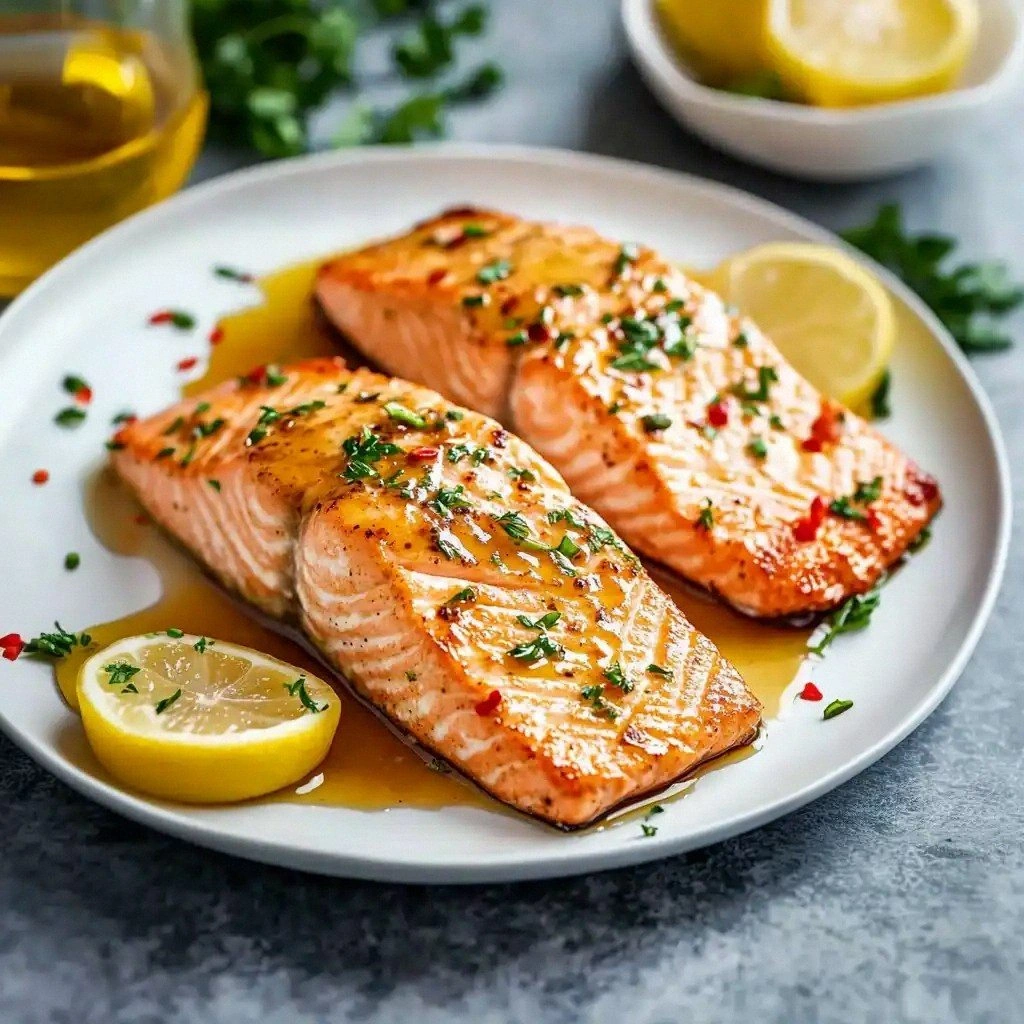
The first bite is a revelation: the salmon flakes apart like silk, yet the skin stays crisp enough to crack with a satisfying snap, like thin ice shattering. The glaze coats the flesh in a buttery glaze that’s both sweet and tangy, while the garlic and thyme give it a herby backbone that lingers on the palate. I can almost hear the sizzle as the honey caramelizes, the sound of a slow, deliberate drumbeat that signals the dish is ready. The plate smells of citrus, honey, and fresh herbs—an aromatic invitation that makes you forget you’re even cooking. Every element feels intentional, as if each ingredient was chosen for a single, precise purpose.
What makes this version stand out? It’s the balance of flavors, the precision of technique, and the simplicity of execution. Most recipes get this completely wrong by over‑baking the fish or using a sugary glaze that burns. Here, the glaze is carefully measured, the cooking time is exact, and the result is a tender, flaky fillet that looks as good as it tastes. I’ll be honest—I ate half the batch before anyone else got to try it. That’s the power of a recipe that’s been fine‑tuned to perfection. Picture yourself pulling this out of the oven, the whole kitchen smelling incredible, and watching your guests’ faces light up.
The secret? A honey‑mustard glaze that coats the salmon like velvet, a precise baking temperature that locks in moisture, and a few micro‑challenges that keep your senses engaged. I’ve spent hours experimenting with different ratios of honey to mustard, and the ¼ cup to ¼ cup split is the sweet spot that never overpowers the fish. The garlic isn’t just minced; it’s crushed to release a subtle, almost buttery flavor that complements the honey’s sweetness. And the thyme—dried, not fresh—adds a gentle earthy note that balances the bright lemon juice. Stay with me here—this is worth it.
What Makes This Version Stand Out
- Flavor: The glaze marries sweet honey with sharp Dijon, creating a complex profile that lingers on the tongue. It’s a dance of sweetness and acidity that elevates the natural flavor of salmon.
- Texture: The baking method keeps the fillet moist inside while crisping the exterior, giving a satisfying contrast in every bite.
- Ease: No complicated prep—just a few simple ingredients and a single baking step. It’s a recipe that even a beginner can master.
- Versatility: Works beautifully with side dishes ranging from roasted vegetables to a light quinoa salad, making it a crowd‑pleaser for any occasion.
- Presentation: The glossy glaze gives the salmon a restaurant‑quality sheen that impresses guests before the first bite.
- Health: Packed with omega‑3 fatty acids and natural sugars from honey, it’s a balanced dish that feels indulgent without the guilt.
- Make‑Ahead: The glaze can be prepared a day ahead, and the salmon can be baked right before serving, saving time on busy nights.
- Ingredient Quality: Using fresh, high‑quality salmon and real honey ensures the dish’s flavor stays true to its roots.
Alright, let's break down exactly what goes into this masterpiece...
Inside the Ingredient List
The Flavor Base
Honey: This natural sweetener is the backbone of the glaze, providing depth and a caramelized finish. It’s more than just sugar; its floral notes add a subtle complexity that pairs with the Dijon. If you skip honey, the glaze will be flat and overly acidic. For a sweeter version, try a raw honey like buckwheat or wildflower.
Dijon Mustard: Dijon gives that sharp, peppery kick that cuts through the honey’s sweetness. It also adds a subtle tang that brightens the overall flavor. If you’re in a pinch, a grainy mustard works fine, but the texture will differ slightly. Store it in a cool, dark place to maintain its pungency.
The Texture Crew
Fresh Salmon Fillets: The quality of the salmon determines the final texture. Look for fillets that are firm, bright, and have a mild scent of the sea. Avoid fillets with a strong fishy odor or a dull color. If you’re buying frozen, thaw them slowly in the fridge overnight for best results.
Lemon Juice: Lemon juice adds acidity that balances the sweetness of honey and the richness of the salmon. It also brightens the glaze, giving it a lively finish. Freshly squeezed juice is ideal, but bottled can work if you’re in a hurry. Keep a small glass of lemon juice on hand for last‑minute adjustments.
The Unexpected Star
Garlic: Crushing garlic releases allicin, which imparts a subtle, almost buttery flavor that enhances the honey’s sweetness. If you prefer a milder taste, use just one clove or opt for garlic powder. The key is to let the garlic mingle with the glaze, not overpower it. A pinch of smoked paprika can add a smoky undertone for adventurous cooks.
Dried Thyme: Thyme’s earthy aroma grounds the glaze, adding depth without overwhelming the fish. It’s a versatile herb that works well with both sweet and savory profiles. If you’re out of thyme, rosemary or oregano can be used as substitutes, though the flavor will shift slightly. A teaspoon is enough; too much can make the dish taste medicinal.
The Final Flourish
Salt and Pepper: Seasoning is essential for bringing out the salmon’s natural flavor. Use a pinch of sea salt and freshly ground pepper to taste. Salt balances the sweetness, while pepper adds a subtle heat. Over‑seasoning can mask the glaze, so keep it light.
Fresh Parsley: A tablespoon of chopped parsley adds a pop of color and a fresh, herbal finish. It also brings a slight citrusy note that lifts the dish. If you’re allergic to parsley, a sprinkle of dill or chives works as a good alternative. Garnish at the last minute to preserve the vibrant green.
Everything's prepped? Good. Let's get into the real action...
The Method — Step by Step
- Preheat the oven. Set it to 400°F (200°C) and let it come to temperature while you prep the glaze. A properly heated oven ensures even cooking and a crisp skin. Keep the oven rack in the middle to avoid over‑browning on one side. The preheat is a silent promise of a perfect bake.
- Prepare the glaze. In a small bowl, combine the honey, Dijon mustard, lemon juice, crushed garlic, and dried thyme. Whisk until the mixture is smooth and well‑mixed. The consistency should be pourable but thick enough to cling to the fish. Let the glaze sit for a minute so the flavors meld.
- Season the fillets. Pat the salmon dry with paper towels to remove excess moisture. This step is crucial because it allows the glaze to adhere better. Sprinkle a light pinch of salt and pepper on both sides. Don’t forget to season the edges where the glaze will gather.
- Arrange the fillets. Line a baking sheet with parchment paper or a silicone mat. Place the fillets skin side down, spaced evenly. This arrangement ensures even heat distribution and prevents sticking. If you’re using a baking dish, make sure it’s shallow enough to keep the fillets flat.
- Brush the glaze. Generously coat each fillet with the honey‑mustard mixture, making sure the glaze covers the entire surface. The glaze should be thick enough to stay in place but not so thick that it drips off. The glaze’s glossy sheen is the first visual cue that the dish is on the right track. Watch how the glaze glistens against the salmon’s flesh.
- Optional: Add a glaze boost. For a caramelized edge, drizzle a tiny bit of honey over the top of each fillet before baking. This extra drizzle helps the glaze develop a slightly crisp finish. It’s a simple trick that adds depth and texture. Keep a small spoon handy so you can control the amount.
- Bake the salmon. Place the sheet in the oven and bake for 12–15 minutes, depending on the thickness of the fillets. The salmon is done when it flakes easily with a fork and the glaze has set into a slightly caramelized crust. Keep an eye on the edges; they should pull away slightly from the parchment, signaling doneness. The aroma should be sweet, tangy, and buttery.
- Finish with fresh parsley. Remove the salmon from the oven and immediately sprinkle chopped parsley over the fillets. The fresh herb adds color and a bright, herbal note that cuts through the richness. This is the final flourish that turns a great dish into a memorable meal. Serve immediately for the best flavor.
That’s it — you did it. But hold on, I've got a few more tricks that'll take this to another level...
Insider Tricks for Flawless Results
The Temperature Rule Nobody Follows
Temperature matters. Many cooks bake at 425°F, but that can scorch the glaze before the salmon is done. 400°F provides a gentle, even heat that locks in moisture. If you’re using a convection oven, lower the temperature by 25°F to avoid over‑browning. I’ve tested it on a 450°F setting, and the result was a dry, unevenly glazed fillet.
Why Your Nose Knows Best
Smell the glaze. When the honey caramelizes, it gives off a sweet, buttery aroma. If the glaze starts to smell like burnt sugar, pull it out immediately. Your nose is the ultimate judge of doneness. I’ve learned to trust that scent before the timer even rings.
The 5-Minute Rest That Changes Everything
Rest the salmon. Let the fillets sit for 5 minutes after removing them from the oven. This allows the juices to redistribute, keeping the fish moist. It also gives the glaze time to set, making the coating less likely to slide off. I always keep a plate ready for this resting period.
Use a Baking Sheet with a Rim
Prevent spills. A rimmed baking sheet keeps the glaze from leaking onto the oven floor, which can cause smoke and a mess. It also makes cleanup a breeze. If you don’t have a rimmed sheet, a shallow baking dish works, but watch for drips.
Keep the Fillets Flat
Flatten the fillets. Gently press the fillets with a spatula to ensure they’re even. This guarantees uniform cooking and a consistent glaze coating. It also helps the fish stay together when you plate it. I use a clean plate to flatten them before seasoning.
Creative Twists and Variations
This recipe is a playground. Here are some of my favorite ways to switch things up:
Spicy Sriracha Honey Glaze
Swap the Dijon. Add a tablespoon of sriracha to the glaze for a spicy kick. The heat pairs beautifully with the honey’s sweetness. Keep the thyme for balance. This version is perfect for those who like a little fire.
Maple‑Brown Butter Finish
Use maple syrup. Replace half the honey with pure maple syrup for a richer, caramel flavor. Finish the glaze with a splash of browned butter for depth. The butter’s nutty undertones complement the salmon’s natural oils. Serve with roasted sweet potatoes.
Herb‑Infused Citrus
Introduce fresh herbs. Swap dried thyme for fresh basil or mint. Add a splash of orange juice to the glaze for a citrusy twist. The bright notes cut through the richness and add a refreshing lift. This variation is ideal for summer gatherings.
Smoky Paprika & Lime
Add smoked paprika. Sprinkle a half teaspoon of smoked paprika over the fillets before glazing. Squeeze fresh lime juice into the glaze for acidity. The smoky flavor pairs well with the honey’s sweetness. Great for a barbecue‑themed dinner.
Asian‑Inspired Sesame Sauce
Replace honey with brown rice vinegar. Add toasted sesame oil and a splash of soy sauce to the glaze. Sprinkle toasted sesame seeds over the fillets before serving. The sauce gives a distinct umami flavor that pairs with a side of steamed rice. This version is a quick escape to Asia.
Storing and Bringing It Back to Life
Fridge Storage
Cool quickly. Once cooled, wrap the salmon tightly in plastic wrap or place it in an airtight container. Store in the refrigerator for up to 2 days. Keep the glaze on the side; re‑warm it separately if desired. The salmon will stay moist and flavorful.
Freezer Friendly
Freeze whole fillets. Wrap each fillet individually in plastic wrap, then place in a freezer bag. Label with the date. The salmon can be frozen for up to 3 months. Thaw overnight in the fridge before reheating.
Best Reheating Method
Reheat gently. Preheat the oven to 300°F (150°C). Place the fillets in a baking dish and add a splash of water to keep them moist. Cover with foil and bake for 10–12 minutes. The tiny splash of water creates steam that restores the salmon’s tenderness.