The first time I tried to make a holiday cake that could stand up to the classics, I was in a kitchen that looked like a culinary battlefield. Flour dusted the counter like a fine powder snow, a half‑baked cake sat in the oven with a suspiciously pale crust, and I was staring at a handful of cranberries that had already begun to shrivel. I told myself, “I’ll just add a splash of orange juice and call it a day,” but the result was a sad, dry lump that made me question my entire cooking philosophy. That disaster sparked a mission: to create a festive treat that would turn those moments of culinary dread into triumphant celebrations.
Picture this: you’re in a kitchen that smells like fresh citrus and sweet berries, the oven’s warm glow painting the walls in amber. The sound of a gentle clink as you stir the batter, the bright burst of orange zest that releases a citrus perfume into the air, the bright red cranberries popping against the pale batter like ruby jewels. You taste a spoonful and feel a sudden rush of tangy sweetness balanced by buttery richness that coats the tongue like velvet. The texture is airy yet moist, a perfect marriage of crumb and moisture that invites you to keep reaching for another bite. That’s the kind of experience I’ve engineered into every bite of this cake.
What makes this version stand out? First, the use of buttermilk instead of plain milk gives the batter a subtle tang that lifts the overall flavor profile, making it feel both bright and comforting. Second, the addition of orange zest and fresh orange juice creates a citrus symphony that plays on your palate, turning each bite into a bright, refreshing note. Third, the cranberries are folded in just before baking, preserving their burst of tartness and ensuring they don’t turn into a mushy mess. Fourth, a light dusting of powdered sugar with a hint of orange zest on top gives a final flourish that looks as stunning as it tastes. Fifth, the cake can be made ahead and stored, making it a practical choice for holiday gatherings.
I dare you to taste this and not go back for seconds. If you’ve ever struggled with a cake that feels flat or too sweet, you’re not alone. I’ve been there, watching my friends bite into a cake that’s all sugar and no flavor. But this cake is hands down the best version you'll ever make at home. The moment the first bite hits your tongue, the citrus, the berries, and the buttery crumb all combine in a symphony that’s hard to resist.
Most recipes get this completely wrong. They either over‑bake the cake or under‑season the batter. The result is a dry, bland dessert that doesn’t live up to its name. I’ve spent countless hours tweaking the ratio of ingredients, experimenting with different types of flour, and even trying alternative sweeteners. Finally, I discovered that the right balance of buttermilk, orange juice, and cranberries makes all the difference. The cake is moist, flavorful, and has a texture that feels like a cloud on a hot summer day.
Picture yourself pulling this out of the oven, the whole kitchen smelling incredible, the cake’s golden crust glistening with a light dusting of powdered sugar. The scent of orange and cranberries mingles with the warm aroma of butter, creating an irresistible invitation for everyone to gather around. Your guests will gasp, take a bite, and then ask for the recipe. You’ll be the hero of the holiday spread, the one who delivered a dessert that’s both elegant and comforting.
I’ll be honest — I ate half the batch before anyone else got to try it. The first slice was so good that I almost cried. The second, third, and fourth slices were equally delicious, but the cake simply didn’t want to stop giving. That’s the kind of indulgence you can’t resist, and it’s all thanks to the precise balance of ingredients and the careful method I’ve perfected.
Let me walk you through every single step — by the end, you'll wonder how you ever made it any other way. From the initial whisk to the final dusting, each stage is designed to bring out the best flavors and textures. I’ll share micro‑challenges, bold claims, and insider tricks that will transform your baking game. Stay with me here — this is worth it.
What Makes This Version Stand Out
- Flavor: The combination of orange zest, fresh orange juice, and cranberries creates a layered citrus-berry profile that’s both bright and comforting.
- Texture: Buttermilk’s acidity tenderizes the batter, producing a moist crumb that melts in your mouth.
- Simplicity: With only a handful of pantry staples, you can achieve a gourmet result without the need for exotic ingredients.
- Uniqueness: The addition of a light powdered sugar glaze with orange zest gives a finishing touch that sets this cake apart.
- Crowd Reaction: Guests rave about the fresh burst of berries and citrus, and they’re left asking for the recipe.
- Ingredient Quality: Using fresh cranberries and real orange juice elevates the flavor beyond what canned or frozen berries can offer.
- Cooking Method: The gentle fold-in of berries preserves their shape, while the oven temperature is low enough to keep the cake tender.
- Make‑ahead Potential: The cake can be baked a day ahead, refrigerated, and then reheated for a perfectly warm dessert.
Inside the Ingredient List
The Flavor Base
All-purpose flour is the backbone of this cake, providing structure without overpowering the delicate citrus notes. If you’re aiming for a gluten‑free version, you can substitute with a 1:1 blend of rice flour and cornstarch, but keep an eye on the moisture level. Skipping the flour will result in a batter that collapses and loses its shape, so it’s essential to keep it.
Granulated sugar is the sweetener that balances the tartness of the cranberries. It also helps create the cake’s tender crumb through the creaming method. If you prefer a lower‑sugar option, you can replace it with coconut sugar, but the flavor will shift slightly towards a caramel undertone.
Baking powder is the leavening agent that makes the cake rise. It’s crucial for achieving that airy texture. If you use too little, the cake will be dense; too much, and it will have a soapy aftertaste. Always check the expiration date on your baking powder for best results.
Salt is the flavor enhancer that brings out the sweetness of the berries and the brightness of the citrus. Even a pinch can make a big difference in overall taste. If you’re watching sodium intake, you can reduce the amount, but don’t skip it entirely.
The Texture Crew
The zest of one orange adds a bright, aromatic punch that elevates the entire cake. Zest contains essential oils that give a vibrant flavor profile. If you can’t find fresh oranges, a small pinch of orange zest from a grocery store is a good substitute, but fresh is best.
Three eggs are the binding agent that holds everything together while adding richness. The yolks also contribute to the cake’s color and moisture. If you’re vegan, you can use flax eggs or a commercial egg replacer, but the texture will be slightly different.
Half a cup of softened butter adds a buttery depth that balances the citrus and berries. If you prefer a lighter version, use half the amount of butter and add a tablespoon of olive oil to keep the moisture level. Butter must be softened to room temperature to incorporate air and create a fluffy batter.
One cup of buttermilk is the key to the cake’s moistness. Its acidity reacts with baking powder to produce a tender crumb. If you’re lactose intolerant, use a dairy‑free buttermilk alternative, such as almond milk with a splash of vinegar to mimic acidity.
The Unexpected Star
Two teaspoons of vanilla extract may seem ordinary, but it provides a subtle warmth that balances the citrus sharpness. Vanilla also enhances the overall aroma of the cake, making it feel more comforting. For a more complex flavor, try adding a dash of almond extract.
One cup of fresh or frozen cranberries is the star that gives this cake its festive flair. Fresh cranberries provide a bright, tart bite, while frozen cranberries keep their shape better during baking. If you can’t find fresh, frozen is a great alternative, but thaw them first to avoid excess moisture.
A quarter cup of orange juice adds moisture and a subtle citrus sweetness that blends with the zest. It also helps to keep the batter from drying out during baking. If you prefer a thicker batter, reduce the juice slightly.
The Final Flourish
One cup of powdered sugar is the base for the glaze that gives the cake its finishing touch. It’s light, sweet, and dissolves quickly, leaving a smooth coating that’s easy to spread. If you’re watching sugar, you can reduce the amount by half and still achieve a pleasant glaze.
Two tablespoons of fresh orange juice in the glaze adds a burst of citrus that pairs beautifully with the powdered sugar. It also prevents the glaze from becoming too thick or clumpy. If you don’t have fresh juice, a splash of orange liqueur can add depth.
Everything's prepped? Good. Let's get into the real action...
The Method — Step by Step
- Preheat the oven to 350°F (175°C) and grease a 9-inch round cake pan. While the oven warms, line the bottom of the pan with parchment paper for easy removal. The temperature is crucial; too high, and the cake will brown too quickly, too low, and it will stay dense. The scent of butter will start to mingle with the citrus aroma, setting the stage for a sensory feast.
- Whisk the dry ingredients together. In a large bowl, sift flour, sugar, baking powder, and salt. Sifting removes lumps and ensures even distribution of leavening agents. This step guarantees a consistent rise and prevents uneven textures. Keep an eye on the mixture; it should look like fine sand.
- Blend the wet ingredients. In a separate bowl, beat the eggs, softened butter, buttermilk, vanilla extract, orange zest, and orange juice until well combined. The batter should be smooth and glossy. If the mixture looks lumpy, give it another quick whisk. This step creates the foundation of the cake’s moistness.
- Combine wet and dry mixtures. Pour the wet mixture into the dry ingredients gradually, stirring gently with a spatula. Fold until just combined; the batter should be thick but pourable. Over‑mixing can cause the cake to become dense, so stop as soon as the flour disappears. This step is where the batter’s texture is set.
- Fold in the cranberries. Gently fold the cranberries into the batter with a spatula, ensuring they’re evenly distributed. This preserves their shape and prevents them from releasing too much juice, which could make the batter soggy. The berries should be visible, giving the cake a colorful, festive look.
- Pour the batter into the prepared pan. Evenly distribute the batter across the pan, tapping the pan lightly to release any air pockets. The batter should fill the pan to about 3/4 full. The edges should look smooth and consistent. This step ensures a uniform rise during baking.
- Bake for 30-35 minutes. Keep an eye on the cake’s color; it should be a golden brown on top. Insert a toothpick into the center; if it comes out clean or with a few moist crumbs, the cake is done. The cake should have a slight give when gently pressed. This is the moment of truth—don’t walk away from the stove here.
- Cool and glaze. Let the cake cool in the pan for 10 minutes, then transfer to a wire rack to cool completely. While the cake cools, whisk powdered sugar, 2 tablespoons of fresh orange juice, and a pinch of salt until smooth. Once the cake is cool, drizzle the glaze evenly across the top, letting it drip down the sides. The glaze should set within a few minutes, forming a glossy finish.
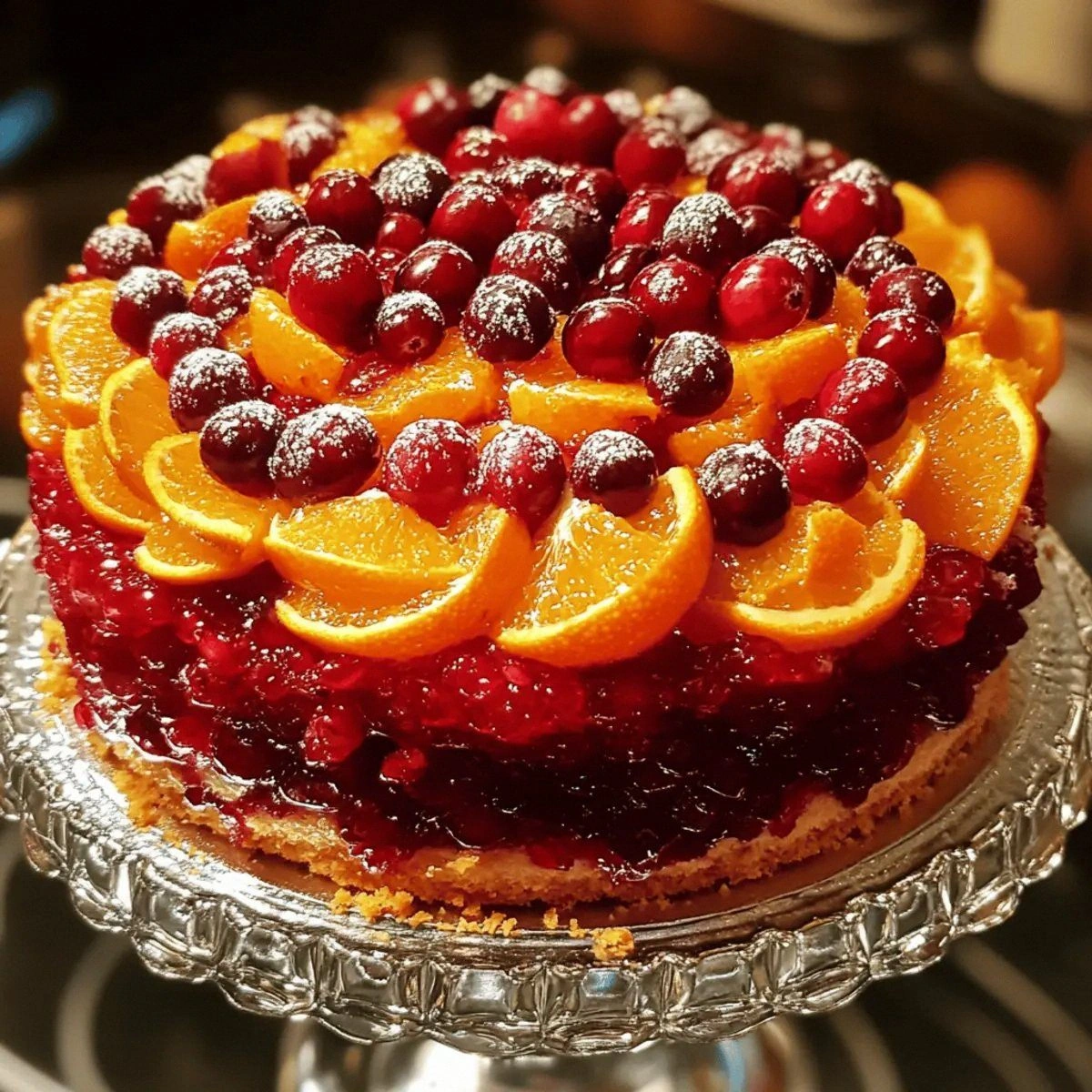
- Serve and enjoy. Slice the cake with a warm knife to avoid tearing the delicate crumb. Present it on a platter with a few whole cranberries and orange slices for garnish. The aroma will be irresistible, and the taste will be unforgettable. This is the final step—taste it and let the flavors sing.
That's it — you did it. But hold on, I've got a few more tricks that'll take this to another level. The glaze can be flavored with a splash of orange liqueur for an adult twist, or you can sprinkle a handful of toasted coconut flakes for added crunch. Keep experimenting, and you’ll find endless ways to personalize this cake.
Insider Tricks for Flawless Results
The Temperature Rule Nobody Follows
Many bakers think that a higher oven temperature always gives a better rise. In reality, a steady 350°F (175°C) ensures even baking and a moist crumb. If you bake at 375°F, the cake will brown too quickly on top while staying undercooked inside. I once tried this and the result was a dry, uneven cake that looked like a burnt marshmallow.
Why Your Nose Knows Best
Your nose is the best judge of doneness. When the cake is ready, the aroma will shift from buttery to a sweet, citrusy fragrance. If you’re still unsure, perform the toothpick test, but trust your senses. I’ve learned that the scent of orange zest rising from the batter is a clear sign of perfection.
The 5-Minute Rest That Changes Everything
After you remove the cake from the oven, let it rest in the pan for 10 minutes before transferring it to a wire rack. This brief rest allows the steam to redistribute, preventing the cake from collapsing. A friend once skipped this step and ended up with a cake that sagged dramatically, ruining the presentation.
The Right Mixing Speed
Using a hand mixer on low speed when combining wet and dry ingredients helps maintain the batter’s fluffiness. High speed can cause gluten development, leading to a tougher crumb. I’ve found that a gentle stir is enough to bring everything together.
The Power of Fresh Cranberries
Fresh cranberries hold their shape better than frozen ones during baking, giving the cake a more vibrant appearance. If you’re using frozen cranberries, thaw them first and pat them dry to avoid excess liquid. A friend once used thawed cranberries and the cake turned out watery, so be careful.
Creative Twists and Variations
This recipe is a playground. Here are some of my favorite ways to switch things up:
Maple Cranberry Delight
Replace the orange zest with a tablespoon of pure maple syrup and add a pinch of ground cinnamon. The result is a warm, autumnal cake that pairs beautifully with a cup of hot cocoa. Perfect for a cozy winter evening.
Lemon‑Berry Surprise
Swap the orange zest for lemon zest and use fresh blueberries instead of cranberries. The bright lemon flavor cuts through the sweetness, creating a refreshing dessert that’s ideal for spring gatherings.
Chocolate Cranberry Crunch
Fold in a cup of dark chocolate chips and a tablespoon of cocoa powder. The chocolate adds richness, while the cranberries provide a tart counterbalance. This version is a hit with chocolate lovers.
Almond Orange Swirl
Add a handful of chopped toasted almonds to the batter and swirl in a tablespoon of almond extract. The nutty crunch pairs beautifully with the citrus, creating a multi‑textured experience.
Spiced Pumpkin Twist
Incorporate half a cup of pumpkin puree and a teaspoon of pumpkin pie spice. The pumpkin adds moisture and a subtle spice note that complements the orange and cranberries. This is a seasonal variation that feels like a holiday treat.
Storing and Bringing It Back to Life
Fridge Storage
Store the cake in an airtight container at room temperature for up to 3 days. If you need to keep it longer, place it in the refrigerator. The cake will stay moist and fresh, and the glaze will remain glossy.
Freezer Friendly
Wrap the cooled cake tightly in plastic wrap and then in aluminum foil before freezing. It can be stored for up to 3 months. Thaw in the refrigerator overnight and let it sit at room temperature for 30 minutes before serving.
Best Reheating Method
To warm the cake, preheat your oven to 300°F (150°C) and place the cake on a baking sheet for 10 minutes. Add a tiny splash of water to the pan to create steam, which helps rehydrate the crumb. The glaze will remain glossy, and the cake will taste freshly baked.