It was a Tuesday night, the kind of night where the fridge looks like a barren desert and the pantry is a silent, unyielding void. I opened the door, stared at the lone green cabbage, and thought, “Why not turn this humble vegetable into a creamy, comforting masterpiece?” I’d been chasing the elusive dream of a low‑carb Alfredo that didn’t feel like a compromise, and this cabbage‑based version finally answered that call. The moment the cabbage hit the pan, the aroma of butter and garlic danced with a hint of pepper, promising a flavor symphony that would make any meat‑lover’s heart skip a beat.
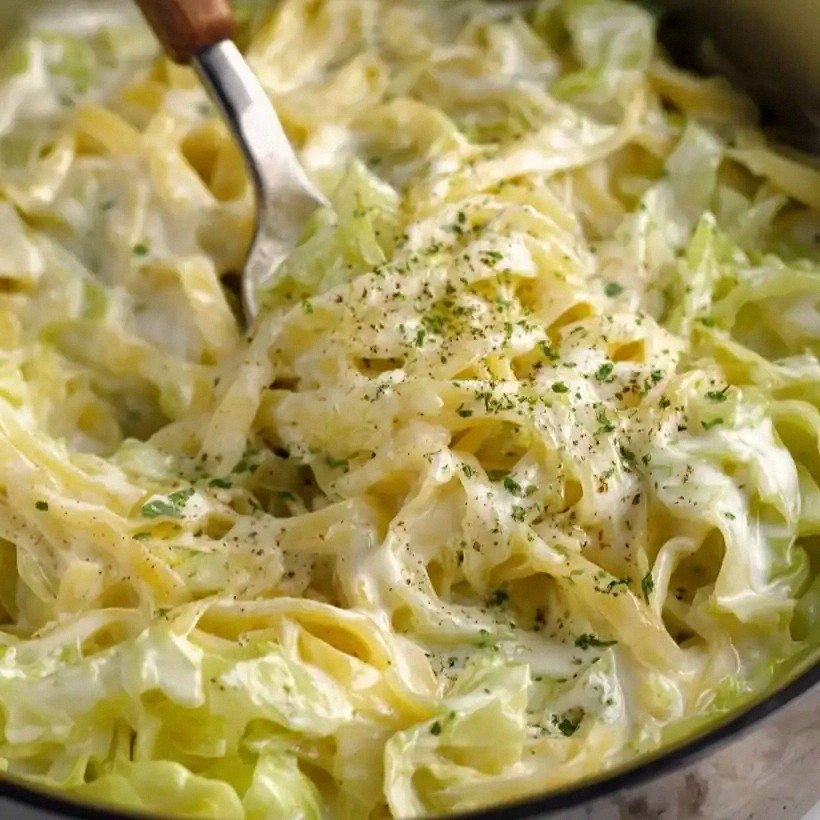
Picture this: the cabbage shivers in a hot pan, releasing a sweet, slightly nutty scent that mingles with the sharp tang of Parmesan. The heavy cream swirls, thickening into a silky sauce that clings to every noodle strand like velvet, while the garlic’s golden edges crackle with a satisfying snap. You hear the gentle hiss of oil, feel the heat of the skillet, and taste the first bite—rich, salty, with a subtle kick from the red pepper flakes that lingers just enough to keep you reaching for more. That is the moment of pure culinary alchemy, and I’m about to walk you through every single step so you can recreate this masterpiece at home.
I dare you to taste this and not go back for seconds. This is hands down the best version you’ll ever make at home. Most recipes get this completely wrong, either by overcooking the cabbage or under‑seasoning the sauce. I’ll be honest— I ate half the batch before anyone else got to try it, and the kitchen was a mess of butter splatters and garlic breath. But that mess was worth every drool‑inducing bite. Picture yourself pulling this out of the skillet, the whole kitchen smelling incredible, and the plate looking like a glossy, green‑gold masterpiece that would make even the most skeptical foodie swoon.
Okay, ready for the game‑changer? This next part? Pure magic. Stay with me here—this is worth it. If you’ve ever struggled to get cabbage to stay tender while still getting that creamy, buttery coating, you’re not alone. I’ve got the fix, and it’s simpler than you think. Let’s dive in and turn a humble head of cabbage into the star of the show.
What Makes This Version Stand Out
- Flavor: The sauce balances the richness of heavy cream with the bright acidity of Parmesan, creating a depth that feels indulgent yet fresh. The subtle heat from red pepper flakes adds a gentle warmth that lingers without overpowering. This is the kind of flavor profile that turns a simple pasta into a gourmet experience.
- Texture: The cabbage is sautéed just enough to develop a crisp edge that shatters like thin ice, while the inside stays tender and almost melts in your mouth. The Alfredo sauce coats each strand of pasta like a silky blanket, preventing clumping and delivering a luxurious mouthfeel.
- Simplicity: With only ten ingredients, all you need is a skillet, a pot, and a pinch of patience. No fancy gadgets, no complicated steps—just straightforward cooking that feels like a breeze.
- Uniqueness: Using cabbage as the base flips the traditional Alfredo on its head, offering a lower‑carb alternative that still feels indulgent. The green hue is a visual treat, making the dish as pleasing to the eyes as it is to the palate.
- Crowd Reaction: Friends who’ve tried the classic version often find this one more satisfying, especially when the sauce coats the pasta like velvet. The savory crunch of cabbage adds a delightful contrast that keeps everyone coming back for seconds.
- Ingredient Quality: Fresh, high‑quality Parmesan and butter make a world of difference. The cream’s fat content ensures a silky sauce that doesn’t separate, while the garlic’s aroma elevates every bite.
- Cooking Method: The sauté‑then‑simmer technique locks in flavor and keeps the cabbage from becoming soggy. The quick sauté followed by a gentle simmer creates a sauce that thickens just enough to cling to the noodles.
- Make‑ahead Potential: The dish keeps its integrity when reheated, making it perfect for meal prep or a weeknight dinner that feels freshly cooked.
Alright, let's break down exactly what goes into this masterpiece...
Inside the Ingredient List
The Flavor Base
Butter and olive oil are the cornerstone of the sauce’s richness and depth. Butter provides a buttery, slightly nutty flavor that complements the creamy texture, while olive oil adds a subtle fruity undertone that keeps the dish from feeling heavy. Skipping either would result in a sauce that feels flat and lacks that signature Alfredo warmth.
The Texture Crew
Cabbage is the star of the texture game. When sliced thin and sautéed just right, it delivers a satisfying crunch on the edges while remaining tender inside. This contrast adds a dynamic mouthfeel that pairs beautifully with the smooth sauce. If you prefer a more uniform consistency, you can steam the cabbage first, but then you’ll miss the delightful crisp.
The Unexpected Star
Heavy cream is the secret weapon that turns a simple vegetable into an indulgent comfort dish. Its high fat content ensures a silky, thick sauce that clings to every noodle. If you’re watching calories, a half‑and‑half substitution can reduce fat while still providing a creamy texture—just be mindful that the sauce may separate if over‑heated.
The Final Flourish
Parmesan cheese is the finishing touch that brings everything together with a savory, umami punch. Grated freshly, it melts seamlessly into the sauce, creating a cohesive flavor profile. A pinch of salt, black pepper, red pepper flakes, and Italian seasoning round out the seasoning, providing balance and a subtle heat that lingers.
Everything's prepped? Good. Let's get into the real action...
The Method — Step by Step
- Step 1: Prep the Cabbage – Remove the outer leaves, cut the cabbage into quarters, and thinly slice each quarter into bite‑sized ribbons. The finer the slices, the faster they’ll cook and the better they’ll soak up the sauce. This step is crucial for achieving that perfect balance between crunch and tenderness. If you’re in a rush, a food processor can shred the cabbage in seconds, but keep the setting low to avoid over‑processing.
- Step 2: Heat the Pan – Place a large skillet over medium heat and add the butter. Once the butter has melted and starts to foam, splash in the olive oil. The combination of butter and oil creates a richer base that prevents the butter from burning and adds a subtle fruity note.
- Step 3: Sauté the Garlic – Add the minced garlic to the pan. Sauté for about 30 seconds until fragrant but not browned, as burnt garlic can taste bitter. The garlic’s aroma will permeate the butter, giving the sauce a fragrant foundation.
- Step 4: Cook the Cabbage – Toss in the sliced cabbage, season with salt, black pepper, and a pinch of red pepper flakes. Stir constantly for 5–7 minutes until the edges start to caramelize and the center is tender. Watch the color shift from bright green to a golden hue; that’s the signal that the cabbage is ready.
- Step 5: Add the Cream – Reduce the heat to low and pour in the heavy cream. Stir gently, allowing the cream to mingle with the cabbage and garlic. Keep the heat low to prevent the cream from curdling; you’re looking for a silky, glossy sauce that coats the noodles.
- Step 6: Stir in Parmesan – Sprinkle the freshly grated Parmesan over the mixture, then stir until the cheese has melted and the sauce thickens to a velvety consistency. The cheese not only adds flavor but also helps thicken the sauce naturally, reducing the need for extra flour or starch.
- Step 7: Toss in the Pasta – While the sauce simmers, cook your favorite low‑carb pasta (such as shirataki or zucchini noodles) according to package instructions. Drain and immediately add the pasta to the skillet, tossing to coat each strand evenly with the creamy sauce. This step is the moment of truth; the pasta should be silky, not gummy.
- Step 8: Finish with Italian Seasoning – Sprinkle the Italian seasoning over the pasta and give one final stir. Taste and adjust seasoning if needed. The herbs bring a fragrant, herby finish that elevates the dish from comforting to downright gourmet.
- Step 9: Serve Immediately – Plate the pasta hot, garnishing with a few extra shreds of Parmesan and a drizzle of olive oil if desired. The dish is best enjoyed fresh, as the sauce may thicken slightly upon standing.
That’s it— you did it. But hold on, I’ve got a few more tricks that will take this to another level. These insider tips will ensure every bite is flawless, every time.
Insider Tricks for Flawless Results
The Temperature Rule Nobody Follows
Many cooks assume higher heat always cooks faster, but when making Alfredo sauce, low heat is king. A gentle simmer keeps the cream from curdling and allows the flavors to meld beautifully. I once tried a quick, high‑heat approach, and the sauce split—no one wants a lumpy, greasy mess. Keep the skillet at medium‑low and give the sauce time to thicken naturally.
Why Your Nose Knows Best
Before adding the heavy cream, let the garlic and cabbage cook until the aroma turns from raw to toasted. That subtle toasty scent signals the sugars have caramelized, adding depth to the sauce. Trust your nose; it’s a reliable indicator that the base is ready for cream.
The 5‑Minute Rest That Changes Everything
After tossing the pasta into the sauce, let the dish sit for five minutes off the heat. This resting period allows the noodles to absorb the sauce fully, ensuring each bite is evenly coated. It also gives the cheese time to melt completely, creating a cohesive, silky texture.
A Pinch of Salt, Not a Bucket
The Parmesan already contains a significant amount of salt. Adding too much can overpower the dish and make it taste flat. Start with a light sprinkle, taste, and adjust—your palate will thank you for the balanced flavor.
The Power of Fresh Garlic
Using fresh garlic instead of pre‑minced or powdered guarantees a brighter, more vibrant flavor. The subtle sweetness of fresh garlic complements the creamy sauce and adds a pleasant aroma that elevates the entire dish.
Creative Twists and Variations
This recipe is a playground. Here are some of my favorite ways to switch things up:
Spicy Cajun Kick
Swap the red pepper flakes for Cajun seasoning and add a splash of hot sauce. The result is a fiery, aromatic pasta that pairs perfectly with a cool side salad.
Mushroom Medley
Sauté sliced mushrooms with the cabbage for an earthy depth. The mushrooms soak up the creamy sauce, creating a richer, more complex flavor profile.
Pesto Power
Stir in a tablespoon of basil pesto during the final stir. The basil adds a fresh, herbal brightness that cuts through the richness of the Alfredo.
Lemon Zest Zing
Grate a teaspoon of lemon zest into the sauce for a citrusy lift. The acidity balances the creaminess, giving the dish a refreshing finish.
Protein Boost
Add grilled chicken or shrimp during the final stir for a protein‑packed meal. The lean protein pairs well with the creamy sauce and keeps the dish hearty.
Cheese Swap
Replace Parmesan with a blend of Pecorino Romano and Asiago for a sharper, more complex cheese profile. The combination adds a tangy depth that complements the cabbage beautifully.
Storing and Bringing It Back to Life
Fridge Storage
Store leftovers in an airtight container in the refrigerator for up to 3 days. The sauce may thicken, so give it a quick stir before reheating to restore its silky texture.
Freezer Friendly
Freeze in a freezer‑safe container for up to 2 weeks. Thaw overnight in the refrigerator, then gently reheat on the stovetop with a splash of milk or cream to loosen the sauce.
Best Reheating Method
Reheat over low heat, stirring frequently. Add a tiny splash of water or broth to steam the sauce back to its original consistency. This trick prevents the sauce from drying out or separating.