Picture this: the kitchen is a battlefield, the stove is a volcano, and your taste buds are the only ones who get to survive. I was halfway through a burnt lasagna when my roommate shouted, “We need a pumpkin dish that actually tastes like pumpkin.” The air filled with the sweet scent of roasted pumpkin, the clatter of bacon sizzling, and the faint, comforting whiff of sage. I stared at the burnt layers, then at the empty pan, and decided that if I could turn that disaster into a masterpiece, I would share it with the world. This is the story of how a kitchen mishap sparked a recipe that now feels like a warm hug on a cold night.
I remember the moment the bacon hit the pan and turned from a simple strip into a caramelized, almost caramel‑like crunch. The first sizzle was a promise—an invitation to something more delicious. The air grew thick with a savory aroma that made my mouth water, and the sound of the bacon popping was the soundtrack to a culinary revelation. I dared myself to taste the batter before it even met the pasta, and the instant hit of umami and spice told me I was onto something big. That was the first micro‑challenge: can you taste this and not go back for seconds?
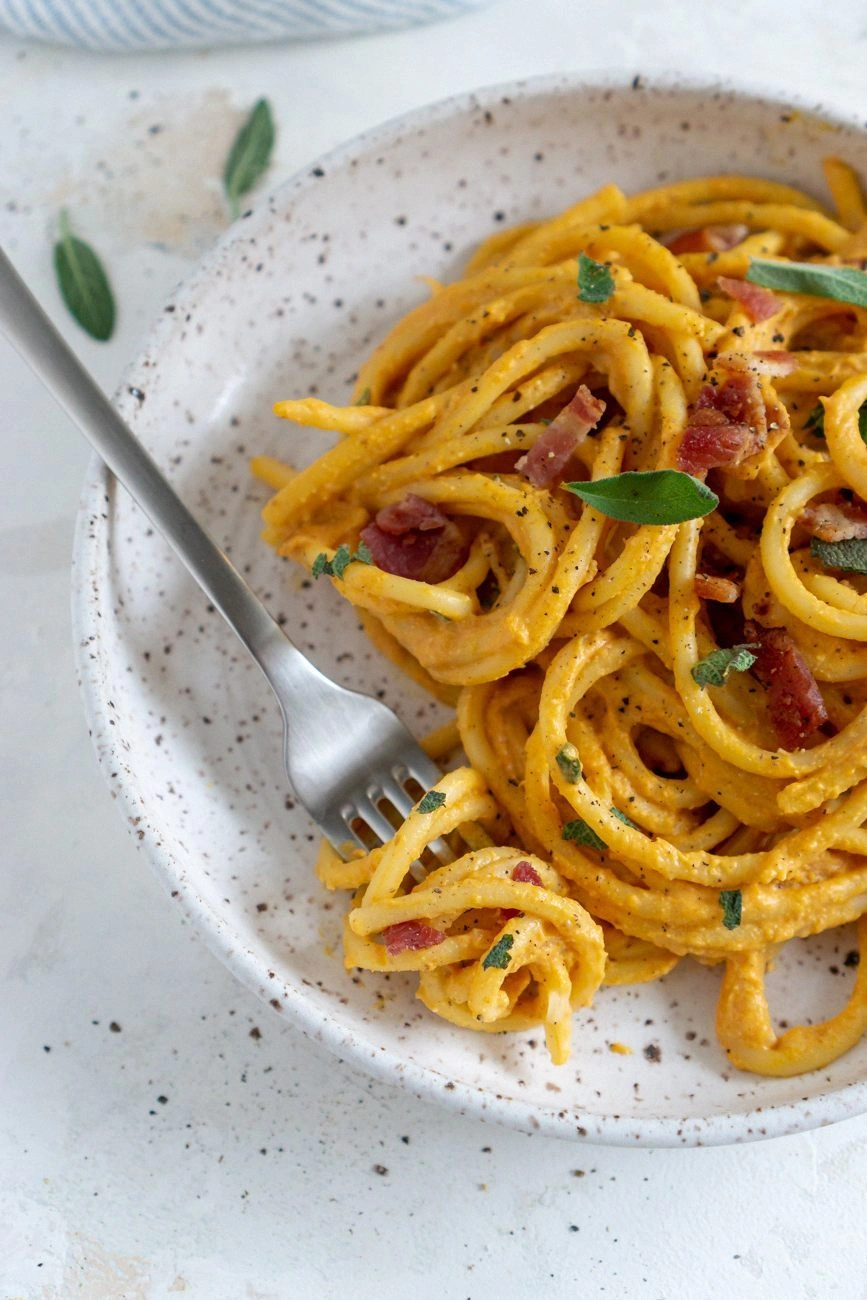
When the sauce finally thickened, it felt like velvet draped over a bowl of noodles, each strand coated in a buttery, pumpkin‑laden embrace. The lemon zest added a bright counterpoint that cut through the richness, while the nutmeg and cinnamon offered a subtle warmth that lingered. The final sprinkle of red pepper flakes was a quiet rebellion, a spark that kept the dish from becoming too sweet. I watched the sauce bubble, the colors deepening from a pale orange to a rich amber, and I knew I had found a balance that would leave everyone asking for seconds. The moment of truth arrived when I ladled the pasta, and the sauce clung to the bucatini like a silky, comforting blanket.
This version stands out because I didn’t just follow a recipe; I rewrote the rules of pumpkin pasta. I added bacon for depth, a splash of half and half for creaminess, and a dash of sage that ties everything together. I introduced a subtle spice profile with cinnamon, nutmeg, and a whisper of red pepper to keep the dish from being overly sweet. I used bucatini for its wide, hollow shape, which holds sauce like a secret. The result is a dish that is both comforting and adventurous, a true crowd‑pleaser that feels like a holiday staple yet works any time of year. Let me walk you through every single step—by the end, you’ll wonder how you ever made it any other way.
What Makes This Version Stand Out
- Taste: The combination of savory bacon, sweet pumpkin, and aromatic sage creates a complex flavor profile that satisfies both comfort and curiosity. The subtle heat from red pepper flakes adds a gentle kick that balances the sweetness.
- Texture: The sauce coats the bucatini with a silky, velvety finish that clings to every strand, while the bacon adds a satisfying crunch that breaks up the creaminess.
- Ingredient Quality: Using fresh, thick‑cut bacon and a high‑quality pumpkin puree elevates the dish from ordinary to extraordinary.
- Uniqueness: The unexpected blend of spices—cinnamon, nutmeg, and a hint of lemon—turns a classic pumpkin pasta into an unforgettable experience.
- Make‑Ahead Potential: The sauce can be prepared a day ahead and reheated without losing its luxurious texture, making it perfect for busy weeknights.
- Crowd Reaction: Friends who are skeptical of pumpkin in savory dishes are instantly converted, often asking for a second plate before the first one is even finished.
- Cooking Method: The method of caramelizing bacon first, then creating a roux with flour before adding the pumpkin puree, ensures a smooth, lump‑free sauce.
- Simplicity: Despite its rich flavor, the recipe requires only a handful of ingredients and a straightforward sequence of steps.
Inside the Ingredient List
The Flavor Base
At the heart of this dish is a simple yet powerful flavor base: bacon, olive oil, garlic, and shallot. The bacon provides a smoky, salty foundation that balances the sweet pumpkin. Olive oil adds a smooth, fruity undertone that enhances the overall richness. Garlic and shallot introduce a subtle sharpness that cuts through the creaminess, ensuring each bite is layered with depth.
Skipping any of these elements will noticeably alter the dish’s character. If you omit the bacon, the sauce becomes too sweet and lacks the savory depth that makes it memorable. Removing the garlic or shallot will result in a flatter profile that feels more like a plain pumpkin soup.
For those who prefer a vegetarian version, replace bacon with smoked tempeh or a hearty mushroom medley. This swap maintains the smoky flavor while keeping the dish plant‑based.
The Texture Crew
The roux made with flour and half and half is the secret to that silky, velvety sauce. The flour binds the liquid, creating a smooth base that prevents clumps, while the half and half adds a luxurious creaminess that elevates the pumpkin puree. The ricotta cheese, folded in at the end, provides a light, airy texture that lightens the dish without compromising flavor.
Each ingredient in this group is essential for achieving the ideal mouthfeel. If you skip the ricotta, the sauce becomes thicker and heavier, which can overwhelm the subtle spices. Using a dairy alternative like coconut milk will change the flavor profile, so use it only if you’re comfortable with a slightly different taste.
When preparing the roux, stir continuously to avoid lumps. A fine‑toothed whisk works best, but a small hand mixer can also do the trick if you’re in a hurry.
The Unexpected Star
Pumpkin puree is the star that gives this dish its unmistakable autumnal character. Fresh, high‑quality puree offers a natural sweetness and a bright, vibrant color that makes the dish visually appealing. The puree also carries the warm spices, allowing cinnamon and nutmeg to permeate the sauce fully.
Using canned puree is a convenient alternative, but it can sometimes contain added salt or sugar. If you’re mindful of sodium, look for unsweetened, low‑sodium varieties. Alternatively, roast fresh pumpkin cubes until caramelized before pureeing for an extra depth of flavor.
Adding a splash of lemon juice at the end brightens the dish and balances the richness. The acidity cuts through the cream, providing a refreshing contrast that keeps the palate engaged.
The Final Flourish
Fresh sage, red pepper flakes, cinnamon, nutmeg, lemon zest, and a pinch of salt and pepper tie everything together. Sage offers a woodsy, slightly peppery note that complements the pumpkin’s sweetness. The spices bring warmth and complexity, while the lemon zest and juice add brightness.
Each spice is used sparingly; the goal is to create harmony, not a flavor overload. If you’re sensitive to heat, reduce the red pepper flakes or omit them entirely. For a more pronounced spice profile, add a pinch of cayenne or smoked paprika.
Optional shaved pecorino romano adds a salty, nutty finish that elevates the dish to gourmet status. If you’re lactose intolerant, try a vegan parmesan alternative to keep the flavor profile intact.
Everything’s prepped? Good. Let’s get into the real action…
The Method — Step by Step
- Start by cutting the thick‑cut bacon into bite‑size strips. Heat a large skillet over medium heat and add the bacon, letting it render its fat until it’s crisp and the edges begin to crackle. As the bacon cooks, the fat should thicken into a golden liquid, creating a fragrant base for the sauce. Keep a close eye on it; bacon can go from crisp to burnt in a matter of minutes. Once cooked, remove the bacon with a slotted spoon and set it on a paper towel to drain excess oil.
- In the same skillet, add one tablespoon of olive oil to the remaining bacon fat. Reduce the heat to medium‑low and add the minced garlic and finely chopped shallot. Sauté until the shallot is translucent and the garlic is fragrant, which should take about 2–3 minutes. The aromatics should release a sweet, savory aroma that signals the base is ready. Be careful not to let the garlic brown, or it will taste bitter.
- Sprinkle the 1/2 tablespoon of all‑purpose flour into the skillet. Stir continuously with a wooden spoon or whisk, allowing the flour to toast slightly and form a roux. The mixture should turn a pale golden color and have a nutty aroma. This step is crucial for achieving a smooth sauce; any lumps will ruin the texture. Cook the roux for 1–2 minutes before adding liquids.
- Pour in 1 cup of half and half, whisking constantly to prevent lumps. The sauce should begin to thicken and develop a silky consistency. Continue whisking until the mixture is smooth and starts to bubble gently. This process should take about 3–4 minutes. If the sauce becomes too thick, add a splash of milk or water to reach the desired consistency.
- Stir in the 15‑ounce can of pumpkin puree, ensuring it’s fully incorporated into the base. The sauce should have a vibrant orange hue and a thick, velvety texture. Allow the mixture to simmer for 5 minutes, letting the flavors meld together. The pumpkin should release a sweet aroma that fills the kitchen. Taste the sauce and adjust seasoning with a pinch of salt and pepper if needed.
- Fold in 1/4 cup of ricotta cheese, using a spatula to create a light, airy texture. The ricotta should melt into the sauce, giving it a subtle creaminess that lightens the richness. Stir gently to avoid curdling. The sauce should feel silky against the back of a spoon. Let it simmer for an additional minute to heat through.
- Season the sauce with 1 tablespoon of fresh chopped sage, 1/2 of a lemon (zest and juice), 1/2 tablespoon of cinnamon, 1/2 teaspoon of red pepper flakes, and 1/2 tablespoon of nutmeg. Each spice should be added gradually, tasting as you go. The goal is a balanced, warm flavor profile that isn’t overpowering. The lemon should brighten the dish, cutting through the creaminess. Allow the sauce to simmer for 2–3 minutes to meld the spices.
- Boil a large pot of salted water and add 12 ounces of bucatini. Cook the pasta until it’s al dente, about 9–10 minutes. Reserve 1 cup of pasta water before draining to adjust the sauce consistency later. While the pasta cooks, keep an eye on the sauce; it should maintain a thick, glossy texture. Once the pasta is ready, combine it with the sauce in the skillet, tossing to coat each strand evenly. Add reserved pasta water a splash at a time if the sauce needs thinning.
- Finish the dish by folding in the cooked bacon and a handful of shaved pecorino romano if desired. The bacon adds a crispy texture, while the pecorino provides a salty, nutty finish. Give everything a final toss and let it rest for a minute before serving. The sauce should cling to the pasta like velvet. Plate the pasta, garnish with extra sage, and serve immediately.
- Optional: For an extra touch of luxury, drizzle a small amount of truffle oil or finish with a sprinkle of fresh parsley. These additions elevate the dish to a restaurant‑level experience. The final plating should look inviting, with a glossy sheen and a burst of color from the sage. Serve with a side of crusty bread to soak up the sauce.
That’s it — you did it. But hold on, I’ve got a few more tricks that will take this to another level, turning a good dish into a showstopper.
Insider Tricks for Flawless Results
The Temperature Rule Nobody Follows
Maintaining a steady medium heat while cooking the bacon is crucial. Too high, and the bacon will burn; too low, and it will release too much fat and become soggy. I like to use a thermometer to keep the skillet at 150°C, which gives me crisp edges without scorching. This subtle control ensures the bacon stays tender inside while the outside turns to golden perfection.
Why Your Nose Knows Best
Smell is a powerful indicator of doneness. When the sauce starts to thicken, a sweet, caramelized aroma will emerge. That scent tells you the roux has cooked enough and the sauce is ready to incorporate the pumpkin. Trust your nose; if it smells like fresh pumpkin and toasted flour, you’re on the right track.
The 5‑Minute Rest That Changes Everything
After you finish cooking, let the pasta sit covered for five minutes before plating. This allows the sauce to thicken slightly and cling to the noodles. The rest period also lets the flavors meld, making each bite more cohesive. A quick rest can transform a good dish into a memorable one.
Use the Right Pan
A wide, heavy‑bottomed skillet distributes heat evenly, preventing hot spots that can burn the sauce. I prefer a stainless steel pan with a thick base; it heats quickly and retains temperature. A cast‑iron skillet works well too, but be cautious of its weight when adding the pasta.
Finish with Fresh Herbs
Adding fresh sage at the very end preserves its bright, peppery flavor. If you add it too early, the heat will mellow its sharpness. A handful of chopped parsley or basil right before serving adds a burst of color and freshness that lifts the dish.
Keep the Sauce Smooth
Always whisk the sauce continuously during the first few minutes of liquid addition. This technique prevents lumps and ensures a silky texture. If a lump does form, use a hand mixer or a small whisk to break it up quickly.
Creative Twists and Variations
Spicy Cajun Pumpkin Pasta
Swap the red pepper flakes for a tablespoon of Cajun seasoning and add a pinch of smoked paprika. The dish will take on a bold, smoky flavor that pairs beautifully with the creamy pumpkin base. This version is ideal for those who love a bit of heat and depth. Serve with a side of cornbread to complete the Southern vibe.
Vegan Pumpkin Alfredo
Replace the bacon with sautéed mushrooms and the half and half with coconut milk. Add nutritional yeast for a cheesy note and a splash of lemon juice for brightness. The result is a plant‑based, dairy‑free pasta that still feels indulgent. Perfect for a vegan dinner that impresses everyone.
Seafood Pumpkin Pasta
Swap the bacon for shrimp or scallops, cooking them separately until pink. Add them to the sauce after the pumpkin puree for a luxurious seafood twist. The briny flavor of the seafood contrasts beautifully with the sweet pumpkin. Finish with a squeeze of lemon for a bright finish.
Herb‑Infused Pumpkin Pasta
Replace the sage with a mix of thyme, rosemary, and oregano for a Mediterranean twist. The herbs add a fragrant, earthy aroma that complements the pumpkin’s sweetness. This version is great for a lighter, herb‑centric dish that still feels comforting. Garnish with toasted pine nuts for added crunch.
Gluten‑Free Pumpkin Pasta
Use a gluten‑free bucatini or a rice‑based pasta instead of traditional wheat. The texture remains similar, and the sauce clings beautifully to each strand. This variation is perfect for those with gluten sensitivities who still crave a hearty, flavorful meal. Serve with a side of roasted vegetables for a complete, wholesome plate.
Storing and Bringing It Back to Life
Fridge Storage
Store the cooked pasta and sauce separately in airtight containers for up to 4 days. Keep the sauce chilled and the pasta at room temperature until ready to combine. When reheating, mix the pasta and sauce together and add a splash of water to loosen the sauce. The dish will taste as fresh as when you first made it. Avoid overcooking the pasta during reheating.
Freezer Friendly
Freeze the sauce in a freezer‑safe container for up to 3 months. When ready to use, thaw overnight in the fridge and reheat gently on low heat. Add a tablespoon of fresh half and half to restore creaminess. The pumpkin will retain its bright color and flavor. The bacon can be reheated in a skillet until crisp.
Best Reheating Method
Reheat the sauce on the stove over low heat, stirring frequently. Add a small splash of water or pasta water to keep the sauce from drying out. Keep the heat low to avoid scorching the dairy. Once heated, combine with freshly boiled pasta for a quick, satisfying meal. The sauce should be glossy and silky.
Quick Microwave Reheat
Transfer the sauce to a microwave‑safe bowl and heat on medium for 1–2 minutes, stirring halfway through. Add a splash of water if the sauce appears thick. Microwave the pasta separately and then combine for a fast, convenient dinner. This method works well for busy weeknights.
Reheating with Bacon
Reheat the bacon in a skillet until crisp, then fold it into the sauce just before serving. The bacon will retain its crunch and add a savory depth to the dish. Keep the bacon at a low heat to avoid burning. This step ensures the dish remains flavorful even after storage.
Serving Suggestions
Serve the pasta with a side of roasted Brussels sprouts or a simple green salad. The crunch of the sprouts balances the creamy sauce, while the salad adds a fresh, crisp contrast. A drizzle of balsamic glaze over the salad provides a sweet‑sour finish. Pair the dish with a light white wine for an elegant dinner.