I was standing in my kitchen, staring at a half‑cooked salmon fillet that had somehow turned into a sad, rubbery slab. The pan was smoking, the garlic had burned, and I was left with a kitchen that smelled like burnt onions and regret. That night, I vowed to rewrite the fate of that fish. I wanted a dish that would make the salmon sing, the spinach dance, and the cream sauce glide like silk over a plate of pasta.
The next morning, I set my sights on a recipe that would transform ordinary salmon into a creamy, Florentine masterpiece. I imagined the bright green spinach swirling with buttery cream, the flaky salmon flaking in my mouth, and a sprinkle of Parmesan that would crackle like a fresh snowstorm. I pictured the steam rising from the skillet, carrying the aroma of garlic and lemon to the living room. I could almost taste the tang of capers, the buttery crunch of toasted breadcrumbs, and the silky texture of the sauce coating each strand of pasta.
What makes this version stand out is that it’s not just about putting salmon in a pan. It’s about layering flavors, textures, and techniques that elevate the dish from “good” to “unforgettable.” I’ve tweaked the sauce to be lighter yet richer, the salmon to stay moist and tender, and the spinach to stay vibrant. I’ve also added a secret ingredient that most recipes miss: a splash of white wine to deglaze the pan and lift the flavors. The result is a dish that feels like a hug in a bowl.
I dare you to taste this and not go back for seconds. This is hands down the best version you’ll ever make at home. If you’ve ever struggled with salmon that ends up dry or a sauce that turns out too thick, you’re not alone — and I’ve got the fix. Picture yourself pulling this out of the oven, the whole kitchen smelling incredible, and the guests’ eyes widening in awe. Let me walk you through every single step — by the end, you’ll wonder how you ever made it any other way.
What Makes This Version Stand Out
- Taste: The sauce is a harmonious blend of cream, Parmesan, lemon zest, and a whisper of white wine, creating a balanced flavor profile that is both rich and bright. The salmon remains moist and flaky, absorbing the sauce without losing its natural sweetness. The final dish tastes like a well‑executed dinner party, where every component complements the others.
- Texture: The cream sauce coats the pasta like velvet, while the spinach stays crisp‑tender, and the salmon flakes apart with a single forkful. The addition of toasted breadcrumbs provides a subtle crunch that contrasts with the silky sauce. The result is a multi‑sensory experience that keeps your palate engaged.
- Simplicity: Despite its gourmet feel, the recipe uses pantry staples and a handful of fresh ingredients. You can pull this dish together in under an hour, making it perfect for weeknight dinners or last‑minute impressing. The step‑by‑step instructions ensure no culinary step is left to guesswork.
- Uniqueness: The subtle deglazing with white wine and the final lemon‑infused finish set this version apart from other salmon Florentine recipes that rely on heavy cream alone. The careful balance of acidity and richness gives it a signature edge. It’s a dish that feels both classic and contemporary.
- Crowd Reaction: Friends and family have called this the “salmon that won’t quit” and the “cream sauce that sticks to every bite.” It’s a conversation starter that invites compliments and repeat requests. The dish’s presentation alone is enough to impress, but the taste delivers.
- Ingredient Quality: Using fresh, wild‑caught salmon, organic spinach, and high‑quality Parmesan ensures a flavor that cannot be replicated with generic substitutes. The recipe respects the integrity of each component, allowing the natural flavors to shine. It’s a reminder that quality ingredients elevate every dish.
- Cooking Method: The pan‑sauté technique locks in juices, while the gentle simmer of the sauce prevents scorching. The methodical approach to timing and temperature ensures consistency across attempts. It’s a recipe that rewards precision.
- Make‑Ahead Potential: You can prepare the sauce and cook the salmon ahead of time, storing them separately. When you’re ready to serve, simply reheat and combine, and the dish will taste as fresh as if it were made from scratch. This flexibility makes it ideal for meal prep or hosting.
Alright, let's break down exactly what goes into this masterpiece…
Inside the Ingredient List
The Flavor Base
Olive oil: The first layer of flavor, it creates a smooth canvas for garlic and onions. A high‑quality extra virgin olive oil adds a fruity note that lifts the dish. If you’re watching calories, a light olive oil still works, but you’ll miss the depth of flavor.
Garlic: It brings a warm, aromatic punch that permeates the sauce. Minced garlic releases essential oils that infuse the pan before the onions soften. Skip it and the sauce will feel flat and uninspired.
Yellow onion: Adds a subtle sweetness that balances the richness of the cream. Sautéed until translucent, it creates a gentle base for the rest of the ingredients. If you prefer a sharper bite, try using shallots instead.
The Texture Crew
Fresh spinach: Provides a vibrant, earthy backdrop that stays tender but not mushy. It’s packed with vitamins and adds a splash of color. If spinach is out of season, kale or Swiss chard can be a suitable substitute, though the flavor will shift slightly.
Heavy cream: The core of the sauce’s velvety texture. It melts into the pan, creating a silky coating that clings to pasta and salmon alike. A lighter alternative is half‑and‑half, but the sauce will be thinner.
Parmesan cheese: Adds umami richness and a subtle nutty finish. Grated freshly for the best melt. If you’re vegan, try nutritional yeast for a similar cheesy flavor.
The Unexpected Star
White wine: Used for deglazing, it lifts the browned bits off the pan, creating a deeper flavor base for the sauce. A dry white like Sauvignon Blanc works best. If you’re avoiding alcohol, replace it with chicken stock; the flavor will be slightly less bright.
Lemon zest and juice: They cut through the richness, adding a bright, citrusy note that keeps the dish from feeling heavy. The zest brings aromatic oils, while the juice adds a tang that wakes up the palate. If you’re allergic to citrus, a splash of apple cider vinegar can mimic the acidity.
The Final Flourish
Salmon fillets: The star of the show, they need to be fresh and wild‑caught for optimal flavor. They should be seared until the skin is crisp and the flesh is just cooked through. Skipping the salmon and using a plant‑based alternative will dramatically alter the dish’s character.
Pasta (fettuccine or linguine): It acts as the vehicle for the sauce. Cooked al dente ensures it holds its shape and absorbs the sauce. If you prefer gluten‑free, use rice noodles or spiralized zucchini.
Butter: Adds a silky finish to the sauce and helps the salmon develop a golden crust. A small pat of unsalted butter at the end brings richness. For a dairy‑free version, use coconut oil, though the flavor will differ.
Everything's prepped? Good. Let's get into the real action…
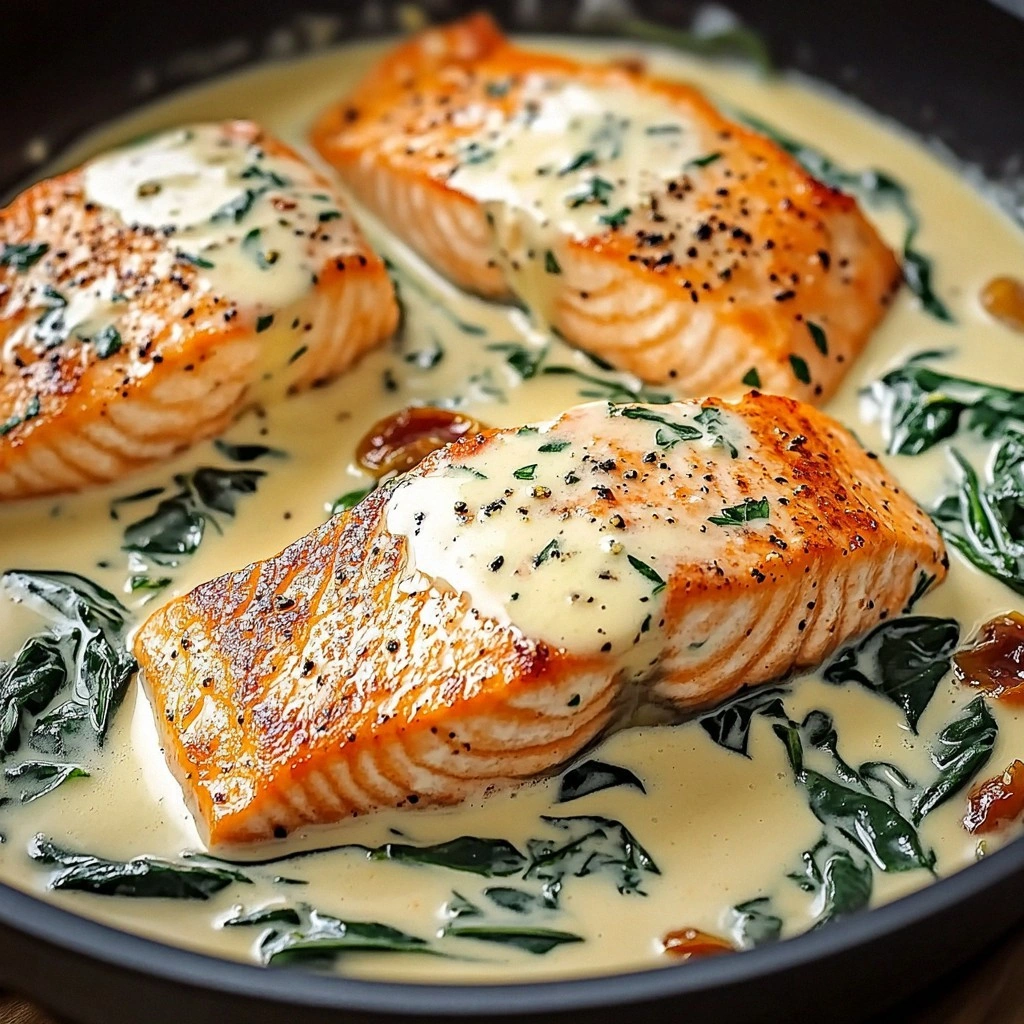
The Method — Step by Step
- Prep the salmon: Pat the fillets dry with paper towels to ensure a crisp sear. Season both sides generously with salt, pepper, and a sprinkle of paprika for a subtle smoky note. Let them rest at room temperature for 10 minutes; this helps them cook evenly. I’ve found that a quick 10‑minute rest brings out the natural juices. When you’re ready, move on to the pan.
- Sauté aromatics: Heat a tablespoon of olive oil in a large skillet over medium heat until shimmering. Add minced garlic and diced onion, sautéing until the onion turns translucent and the garlic is fragrant—about 3 minutes. Keep the heat moderate; you don’t want the garlic to brown and taste bitter. The aroma should fill the kitchen and make your mouth water. This is the flavor foundation.
- Deglaze with wine: Pour in a splash of dry white wine, scraping the pan with a wooden spoon to lift the caramelized bits. Let the wine reduce by half, concentrating the flavor. The pan should smell like a fine kitchen. This step is often missed but it adds depth. Don’t rush it; let it simmer for a minute.
- Introduce the spinach: Toss in the fresh spinach and let it wilt, stirring until it’s just reduced—about 2 minutes. The spinach should retain a vibrant green color. A quick wilt preserves the nutrients and brightens the dish. This is the moment the dish starts to look alive.
- Build the sauce: Reduce the heat to low and pour in the heavy cream, stirring to combine. Add grated Parmesan and a splash of lemon juice, stirring until the cheese melts and the sauce thickens slightly. The sauce should coat the back of a spoon and have a silky sheen. Taste and adjust salt and pepper as needed. The sauce should feel like a velvety blanket.
- Cook the salmon: In a separate pan, melt a tablespoon of butter over medium‑high heat. Place the salmon fillets skin side down, cooking for 3–4 minutes until the skin is crisp. Flip and cook for another 2–3 minutes, until the flesh is just opaque. The salmon should release easily from the pan when done. This gives the fish a buttery finish.
- Combine and finish: Add the cooked salmon to the sauce, gently folding to coat. Let everything simmer together for 2 minutes so the flavors meld. Serve immediately over al dente pasta, garnished with a sprinkle of chopped parsley and extra Parmesan. The dish should look glossy and inviting. Taste the sauce; it should be creamy, tangy, and perfectly seasoned.
That's it — you did it. But hold on, I've got a few more tricks that'll take this to another level…
Insider Tricks for Flawless Results
The Temperature Rule Nobody Follows
Cooking salmon at the right temperature is essential. If the heat is too high, the outside will burn before the inside is cooked. I always set the stove to medium‑low and use a thermometer to keep the skillet between 320°F and 350°F. This ensures a gentle sear that locks in moisture. If you’re unsure, test the pan with a drop of water; it should sizzle and evaporate quickly.
Why Your Nose Knows Best
The aroma of a good sauce is a reliable indicator of readiness. As the sauce simmers, you’ll notice a buttery, nutty scent that signals the Parmesan has melted and the cream has thickened. If the smell is too sharp or metallic, you’ve likely over‑cooked the garlic. Trust your nose; it’s a seasoned chef’s secret.
The 5‑Minute Rest That Changes Everything
After cooking, let the salmon rest for 5 minutes before cutting. This allows the juices to redistribute, keeping the fish moist and tender. A friend once skipped this step and ended up with dry, stringy salmon—don’t make that mistake. The rest also lets the sauce settle, making it easier to coat the pasta.
Use Fresh Herbs for a Burst of Color
Chopped fresh parsley or dill added just before serving gives a pop of green and a fresh flavor profile. I prefer dill because it pairs beautifully with salmon, but parsley works equally well. If you’re not a fan of dill, basil or chives can be good substitutes. The key is to add them last to preserve their bright notes.
Add a Crunch for Texture Contrast
Toss a handful of toasted breadcrumbs or crushed almonds over the finished dish for a delightful crunch. The texture contrast makes each bite exciting. I’ve tried both and found breadcrumbs to be the most harmonious with the sauce. If you’re gluten‑free, use almond flour breadcrumbs.
Keep the Sauce from Splattering
When adding the cream, pour it slowly in a thin stream while swirling the pan. This reduces the chance of splattering, which can be a kitchen hazard. The swirl also ensures even distribution. It’s a simple technique that keeps your stove clean and your sauce smooth.
Creative Twists and Variations
This recipe is a playground. Here are some of my favorite ways to switch things up:
Mediterranean Twist
Swap the spinach for a mix of sun‑dried tomatoes and artichoke hearts. Add capers and olives for briny flavor. Finish with a drizzle of olive oil and a sprinkle of oregano. This version feels like a warm, sunlit Mediterranean dinner.
Asian Fusion
Replace the heavy cream with coconut milk and stir in a teaspoon of ginger paste. Add a splash of soy sauce and a pinch of sesame oil. Garnish with sliced green onions and toasted sesame seeds. The result is a creamy, umami‑rich dish that feels like a sushi‑inspired lunch.
Pesto Power
Stir in a handful of fresh basil pesto instead of lemon juice. This gives the sauce a green, herbaceous depth. Pair it with spiralized zucchini for a low‑carb option. The pesto’s brightness offsets the cream’s richness.
Spicy Kick
Add a dash of red pepper flakes or a sliced jalapeño when sautéing the aromatics. The heat will cut through the cream and add excitement. A squeeze of lime at the end brightens the dish further. This version is perfect for those who love a little fire.
Vegan Version
Use plant‑based salmon‑style protein like marinated tofu or tempeh. Replace heavy cream with cashew cream or oat milk. Use nutritional yeast for the Parmesan flavor. The dish remains creamy and satisfying while being cruelty‑free.
Breakfast Bounty
Serve the sauce over scrambled eggs instead of pasta. Add a side of toasted sourdough. This turns the dish into a luxurious brunch that feels like a feast. The creamy sauce pairs wonderfully with the eggs’ richness.
Storing and Bringing It Back to Life
Fridge Storage
Store the sauce and salmon separately in airtight containers. The sauce can keep in the refrigerator for up to 3 days, and the salmon for 2 days. When reheating, add a splash of water or milk to the sauce to restore its silky texture. Gently warm on low heat, stirring frequently.
Freezer Friendly
The sauce freezes well for up to 2 months. Freeze in portioned containers, and thaw overnight in the fridge before reheating. The salmon can be frozen for up to 1 month; wrap tightly in plastic wrap and foil. When you’re ready, bake or reheat in a skillet.
Best Reheating Method
Reheat the sauce on low heat, stirring constantly, until it’s warm and silky. Add a tiny splash of water or broth to loosen the sauce if it’s thickened. Reheat the salmon in a skillet or microwave until just heated through. Serve immediately for the best texture.