Picture this: you’re juggling a toddler, a conference call, and the lingering scent of burnt garlic from a “quick” dinner attempt that went spectacularly wrong. I was there, staring at a charred pan, wondering if I’d ever taste a decent salmon again. Then, in a moment of desperate inspiration (and a dare from a friend who claimed “you can’t make a restaurant‑quality dish at home”), I grabbed the freshest fillets from the market and decided to give Tuscany a whirl. The result? A dish so silky, so fragrant, it made my kitchen feel like a sun‑kissed villa on the Italian coast.
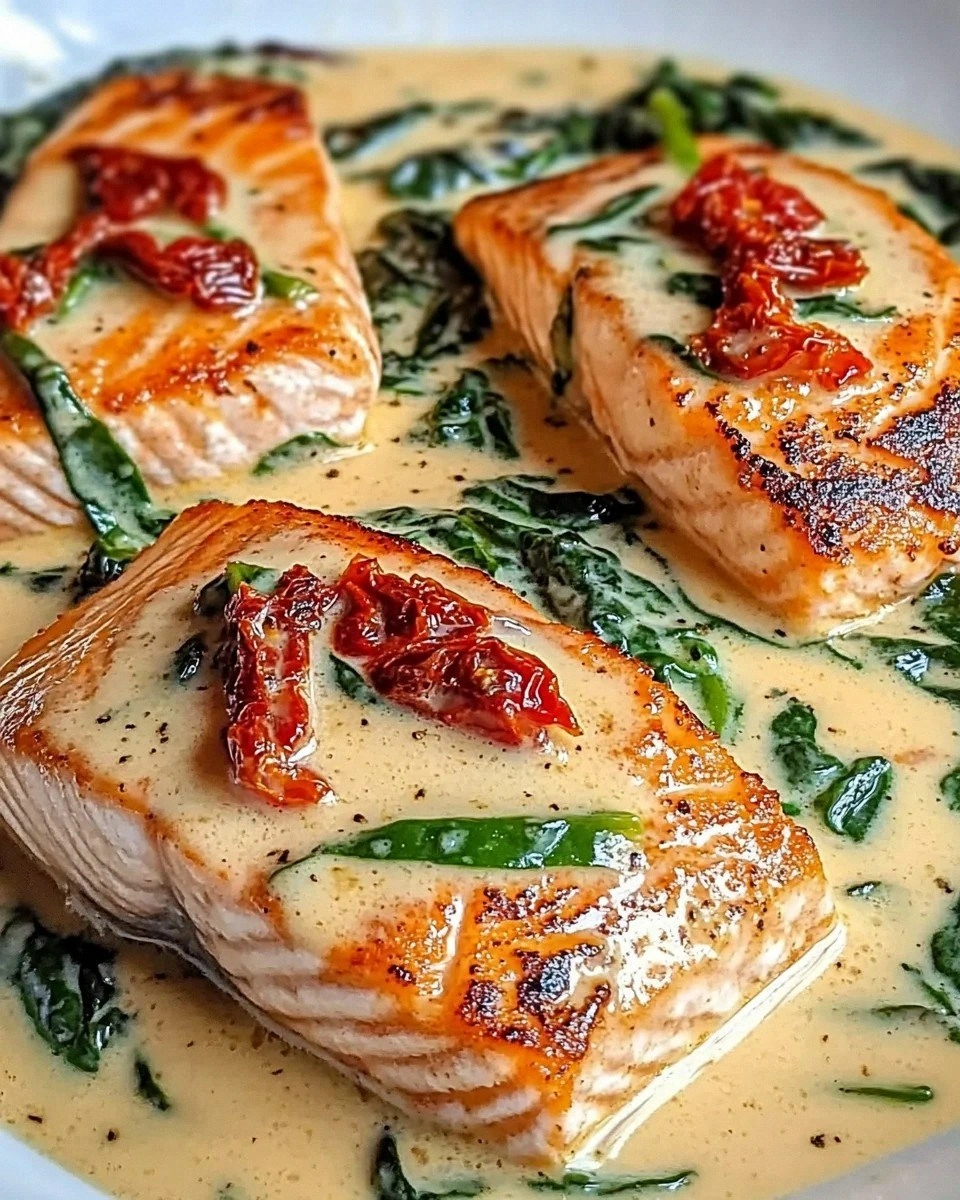
The first bite is a revelation: the salmon’s buttery flesh meets a sauce that clings like a lover’s embrace, speckled with sun‑dried tomatoes that burst with sweet‑tart intensity, and spinach that adds a fresh, almost grassy whisper. You’ll hear the gentle sizzle as the fillets hit the pan, smell the earthy aroma of garlic mingling with the nutty perfume of Parmesan, and feel the warmth of the cream as it swirls into a glossy, golden pool. The whole experience is a symphony for the senses—crackling sound, aromatic perfume, velvety mouthfeel, and a bright citrus finish that lifts everything.
Most Tuscan‑style salmon recipes I’ve tried either drown the fish in a cloying cheese sauce or skimp on the flavor, leaving you with a bland, soggy mess. This version, however, hits the sweet spot: the sauce is rich yet balanced, the salmon stays perfectly flaky, and the seasoning is layered like a well‑crafted novel. I’m daring you to taste this and not go back for seconds—because you’ll be convinced this is hands down the best version you’ll ever make at home.
One trick that sets this recipe apart is the quick deglaze with lemon juice right after searing, which adds a bright, tangy lift that prevents the sauce from feeling heavy. It’s a tiny step that makes a massive difference, and I’m going to walk you through every single detail—by the end, you’ll wonder how you ever made it any other way.
What Makes This Version Stand Out
- Flavor Depth: Sun‑dried tomatoes and garlic create a savory backbone, while lemon zest adds a lively zing that cuts through the richness.
- Texture Harmony: The salmon stays tender and flaky, the sauce coats each bite like velvet, and the spinach provides a subtle bite that keeps things interesting.
- Simplicity: Fewer than ten ingredients, all pantry‑friendly, yet the result feels like a dish you’d order at a five‑star trattoria.
- Uniqueness: The quick lemon deglaze is the secret weapon that most recipes overlook, delivering a bright finish without extra effort.
- Crowd Reaction: I’ve seen entire families pause, stare, and then dive back in—this dish sparks genuine “wow” moments.
- Ingredient Quality: Fresh, wild‑caught salmon and high‑fat cream are non‑negotiable; they elevate the dish from good to unforgettable.
- Cooking Method: A two‑stage pan technique—sear then simmer—ensures perfect doneness without overcooking.
- Make‑Ahead Potential: The sauce can be pre‑made and reheated, making weeknight service a breeze.
Inside the Ingredient List
The Flavor Base
Olive Oil (2 Tbsp): Acts as the conduit for heat, ensuring a perfect sear without burning. Skipping it leads to a dry, uneven crust. If you’re watching calories, substitute half with a high‑smoke‑point oil like avocado.
Butter (2 Tbsp): Adds richness and helps develop that golden brown crust. Use unsalted butter so you can control the salt level later. A dairy‑free alternative is coconut oil, but you’ll lose some of the classic buttery depth.
Garlic (3 Cloves, minced): The aromatic backbone that awakens the palate. Overcooking turns it bitter, so add it just as the oil is shimmering. If you love garlic, feel free to double it—just watch the heat.
The Texture Crew
Sun‑Dried Tomatoes (1 Cup, chopped): Provide a chewy contrast and a concentrated sweet‑tart burst. They also infuse the sauce with a deep umami. If you can’t find them, substitute with roasted red peppers for a milder note.
Fresh Spinach (2 Cups): Adds a pop of color and a subtle earthiness. It wilts quickly, so add it just before the cream so it retains a bright green hue. Frozen spinach works in a pinch, but fresh is superior.
Heavy Cream (1 Cup): The silky glue that binds everything. It’s the reason the sauce feels luxurious rather than watery. For a lighter version, use half‑and‑half, but expect a thinner consistency.
The Unexpected Star
Parmesan Cheese (½ Cup, grated): Brings a salty, nutty depth that elevates the sauce to restaurant quality. Freshly grated works best; pre‑grated can be gritty. If you’re dairy‑intolerant, try nutritional yeast for a cheesy note.
Lemon Zest (1 Lemon): Delivers a fragrant citrus spark that cuts through the richness. Don’t skip it—its oils are pure flavor. A pinch of orange zest can add an intriguing twist.
The Final Flourish
Dried Oregano (1 tsp): Offers an herbaceous whisper of the Tuscan countryside. It’s subtle, so you won’t overpower the fish. Fresh thyme works as an alternative for a more piney profile.
Red Pepper Flakes (½ tsp, optional): Introduces a gentle heat that dances on the tongue. Omit if you’re serving kids or spice‑averse guests. A dash of smoked paprika can replace it for a smoky undertone.
Salt & Pepper (to taste): Essential for seasoning balance. Always season the salmon on both sides before searing. Remember, the Parmesan already contributes salt, so taste before adding more.
Lemon Juice (1 Lemon, juiced): The quick deglaze that lifts the sauce, preventing it from feeling heavy. It also helps release the fond (brown bits) for extra flavor. Add it right after you flip the salmon.
Everything's prepped? Good. Let’s get into the real action—because the kitchen is about to become your favorite theater.

The Method — Step by Step
Pat the salmon fillets dry with paper towels, then season generously with salt, pepper, and half the oregano. The dry surface ensures a crisp, golden crust. Heat a large skillet over medium‑high heat, add olive oil and butter, and wait for the butter to foam but not brown. Place the fillets skin‑side down (if they have skin) and hear that satisfying sizzle—this is the moment of truth.
After about 3‑4 minutes, the edges should start pulling away from the pan, a sign that the flesh is cooking evenly. Flip the fillets carefully, and sear the other side for another 2‑3 minutes. Remove the salmon onto a plate, cover loosely with foil, and set aside while you build the sauce.
Reduce the heat to medium, then add the minced garlic to the pan. Stir constantly; you’ll notice the aroma turning buttery and fragrant within 30 seconds. Add the chopped sun‑dried tomatoes and let them soften for a minute, releasing their deep, jammy essence.
Now, pour in the lemon juice, scraping up any browned bits (fond) from the bottom. Those bits are pure flavor gold, and the acidity will dissolve them, preventing a burnt taste. Let the mixture bubble gently for 30 seconds.
Stir in the heavy cream, allowing it to swirl into a smooth, glossy river. Bring the mixture to a gentle simmer—avoid a rolling boil, or the cream may separate. At this point, the sauce should thicken slightly, coating the back of a spoon.
Fold in the fresh spinach, letting it wilt in the heat. As it collapses, it releases a subtle vegetal note that balances the richness. Sprinkle in the grated Parmesan and the remaining oregano, stirring until the cheese melts into a velvety finish.
Return the seared salmon fillets to the pan, nestling them into the sauce. Spoon a little sauce over each piece, ensuring they’re fully immersed. Reduce the heat to low, cover, and let everything simmer together for 5‑7 minutes. This gentle cooking phase lets the salmon absorb the sauce’s flavors without overcooking.
Check for doneness: the thickest part should flake easily with a fork, and the internal temperature should reach 145 °F (63 °C). If you’re unsure, a quick probe will confirm.
Just before serving, add the red pepper flakes (if using) and a final squeeze of lemon juice for that bright pop. Taste and adjust salt or pepper as needed—remember, the Parmesan already adds salt, so be cautious.
Give the pan a gentle shake to coat every bite evenly. The sauce should cling to the salmon like a silken shawl, with specks of tomato and spinach scattered like confetti.
Remove the pan from the heat and let the dish rest for two minutes. This short rest allows the flavors to meld and the sauce to thicken just a touch more. Meanwhile, you can plate the salmon on warmed plates—keeping the food hot is key to a restaurant‑style experience.
Garnish with a sprinkle of fresh parsley or extra lemon zest for a pop of color. The final look should be vibrant: pink salmon, emerald spinach, ruby tomatoes, and a creamy, glossy glaze.
Serve immediately with a side of buttery garlic rice, roasted potatoes, or a simple arugula salad. The dish pairs beautifully with a crisp white wine—think Pinot Grigio or a lightly oaked Chardonnay.
Picture yourself pulling this out of the pan, the whole kitchen smelling incredible, and hearing your guests exclaim, “What’s the secret?” That’s the payoff for every minute you spent perfecting this sauce.
That’s it—you did it. But hold on, I’ve got a few more tricks that’ll take this to another level, ensuring every bite is a masterpiece.
Insider Tricks for Flawless Results
The Temperature Rule Nobody Follows
Never start with a cold pan. Pre‑heat your skillet for at least two minutes before adding oil. This ensures the salmon skin (if present) crisps instantly, preventing a soggy texture. I once tried to “save time” by adding the fish to a cold pan and ended up with a rubbery mess—lesson learned.
Why Your Nose Knows Best
Trust the aroma. When the garlic turns golden and the sun‑dried tomatoes release their scent, you’re at the perfect point to deglaze. If the kitchen smells like burnt butter, you’ve gone too far. A quick sniff is often more reliable than a timer.
The 5‑Minute Rest That Changes Everything
After simmering, let the salmon sit covered for five minutes. This rest lets the proteins relax and the sauce thicken naturally, preventing a watery finish. Skipping this step is a common mistake that leads to a soupy plate.
Layering Lemon for Depth
Don’t just add lemon juice once. Use zest at the start for aromatic oils, juice after deglazing for brightness, and a final squeeze right before serving for a fresh pop. This three‑stage approach builds a complex citrus profile that’s hard to achieve otherwise.
Butter‑Oil Combo for the Perfect Crust
Using both butter and olive oil gives you the high smoke point of oil and the rich flavor of butter. If you use butter alone, it will burn before the salmon is seared; oil alone leaves the fish lacking that buttery finish.
Creative Twists and Variations
This recipe is a playground. Here are some of my favorite ways to switch things up:
Spicy Chipotle Tuscan
Swap the red pepper flakes for a teaspoon of chipotle in adobo, finely chopped. The smoky heat pairs beautifully with the creamy base, turning the dish into a bold, smoky‑sweet experience.
Coconut‑Cream Tuscan
Replace half the heavy cream with full‑fat coconut milk for a subtle tropical twist. The coconut adds a gentle sweetness that balances the tangy lemon and salty Parmesan.
Herb‑Infused Variation
Introduce fresh basil and thyme at the end of cooking. The fresh herbs brighten the sauce, making it perfect for spring gatherings when herbs are at their peak.
Garlic‑Lemon Butter Finish
After plating, melt a tablespoon of butter with minced garlic and a splash of lemon, then drizzle over the salmon. This extra layer adds a glossy, aromatic finish that impresses even the most discerning diners.
Vegetarian “Salmon” Alternative
Swap the fish for thick slices of king oyster mushrooms or firm tofu. Sear them the same way, then follow the sauce steps. The result mimics the texture and flavor profile, making it a satisfying plant‑based option.
Storing and Bringing It Back to Life
Fridge Storage
Allow the dish to cool to room temperature (no more than two hours), then transfer to an airtight container. It keeps well for up to three days. Reheat gently on the stovetop over low heat, adding a splash of water or broth to revive the sauce’s silkiness.
Freezer Friendly
Separate the salmon from the sauce before freezing. Store the sauce in a freezer‑safe jar and the fish on a parchment‑lined tray. Both freeze for up to two months. Thaw overnight in the fridge, then reheat the sauce and gently warm the salmon in the oven at 300 °F (150 °C) for 10‑12 minutes.
Best Reheating Method
When reheating, add a tiny splash of water or extra cream before warming. This steam‑infused trick restores the sauce’s glossy texture, preventing it from drying out or separating.