Picture this: you’re standing in a cramped kitchen, the oven preheated, and a stubborn friend challenges you to “make a dip that makes the whole room stop talking.” I laughed, grabbed two medium eggplants, and set the timer. The air filled with the sweet, earthy scent of roasting veggies, the crackle of char forming on the skins, and the faint hum of the fridge as it kept the garlic cool. The moment the first golden slices hit the counter, I knew I’d stumbled upon a culinary revelation that would ripple through every gathering I host.
The first bite was a revelation: silky, smoky flesh that hugged a bright, citrusy zing, a hint of nutty tahini, and a surprising pop of pomegranate seeds that danced like tiny fireworks on your tongue. The texture was a paradox—soft, almost velvety, with a subtle crunch from the toasted edges. I could hear the room quieten, the chatter fading into a collective inhale as everyone tasted this new depth of flavor. That instant made me promise myself to share the exact method that turned a humble eggplant into a party‑pleaser.
Why does this version stand out from every other baba ganoush recipe you’ve seen? It’s not just the smoky char; it’s the balance of ingredients, the careful timing, and a few secret tweaks that elevate the dish from good to unforgettable. I dare you to taste this and not go back for seconds. If you’ve ever struggled to get that perfect smoky note or that silky texture, you’re not alone—and I’ve got the fix. Most recipes get this completely wrong; they over‑cook, under‑season, or forget the garnish that pulls everything together.
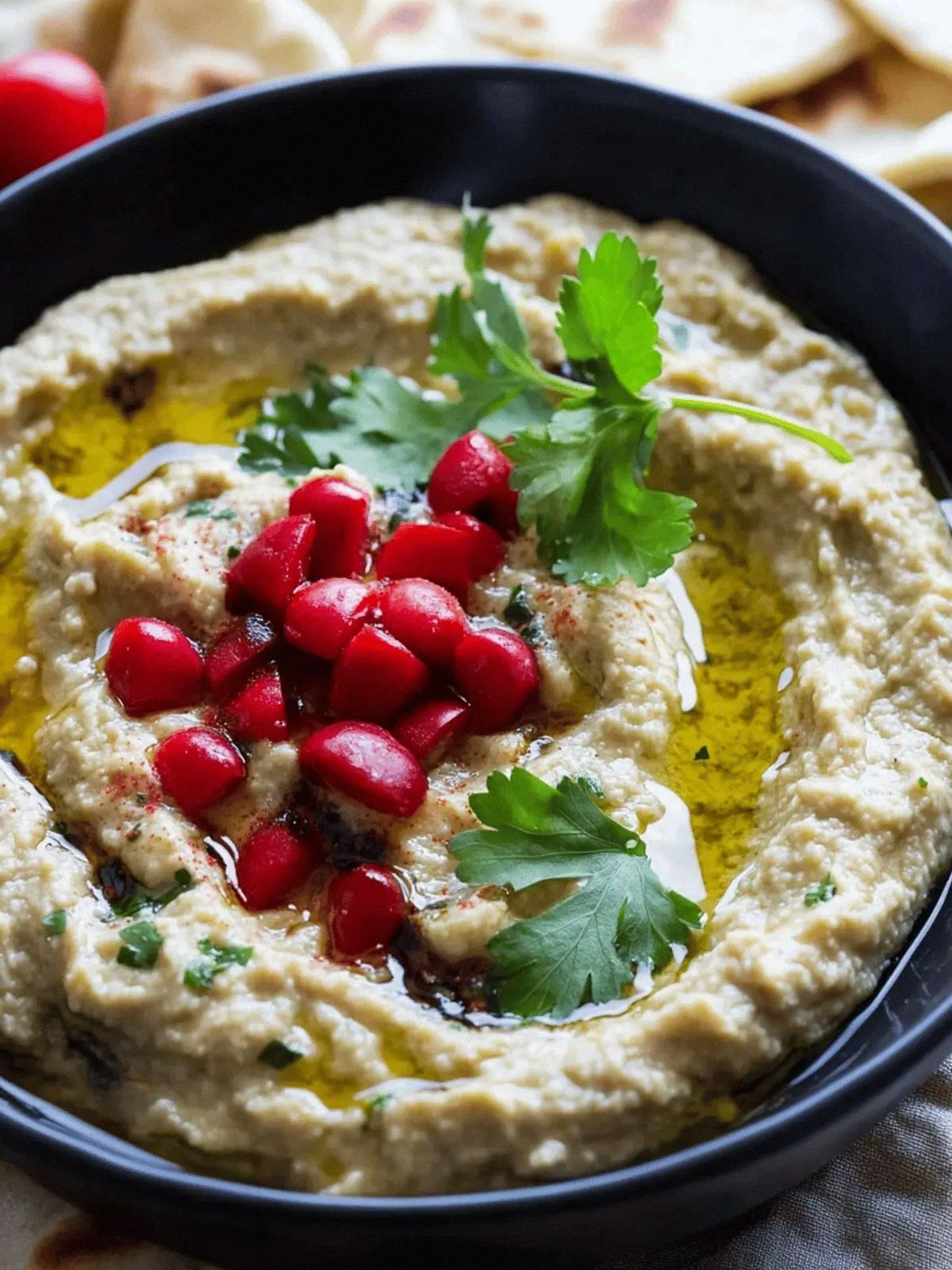
Picture yourself pulling this out of the oven, the whole kitchen smelling incredible, a glossy sheen of olive oil on the top, and a scattering of pomegranate seeds like tiny rubies. The anticipation builds, the timer ticks, and the moment arrives. Let me walk you through every single step—by the end, you’ll wonder how you ever made it any other way.
What Makes This Version Stand Out
- Taste: The combination of smoky eggplant, bright lemon, and creamy tahini creates a flavor profile that is both familiar and daring. The subtle heat from the garlic adds a depth that keeps the palate engaged. It’s a harmony of earthiness and citrus that feels like a well‑orchestrated symphony.
- Texture: The roasted flesh is silky and almost melts in your mouth, while the crunchy pomegranate seeds provide a delightful contrast. This contrast is the secret to a memorable bite. The dip’s consistency is thick enough to cling to pita but light enough to spread effortlessly.
- Uniqueness: A splash of pomegranate seeds and a sprinkle of flat‑leaf parsley give this version a pop of color and a burst of sweetness. It’s the small details that transform an ordinary dip into a showstopper. The garnish also adds a subtle crunch that elevates the overall experience.
- Simplicity: With only eight ingredients and a straightforward method, you can achieve restaurant‑quality results in under an hour. There’s no need for exotic spices or complicated techniques. It’s a recipe that works for beginners and seasoned cooks alike.
- Crowd Reaction: Guests rave about the smoky depth and the surprising pop of pomegranate. It’s a conversation starter that keeps people coming back for seconds. The dip’s vibrant presentation also makes it Instagram‑worthy.
- Ingredient Quality: Fresh, ripe eggplants, real lemon juice, and high‑quality tahini are the backbone of this dish. Using the best ingredients guarantees a flavor that can’t be replicated with cheap substitutes. It’s a testament to the saying that quality matters.
- Cooking Method: The high‑heat roasting caramelizes the sugars in the eggplant, giving it that coveted smoky flavor. The method is simple yet effective, turning a basic ingredient into a flavor powerhouse. The technique is a secret weapon for any home cook.
- Make‑Ahead Potential: The dip can be prepared ahead of time, stored in the fridge, and even frozen for later use. It’s a versatile option for parties, potlucks, or quick weeknight snacks. The flavors only deepen as it sits.
Inside the Ingredient List
The Flavor Base
Eggplants: The star of the show, eggplants bring a rich, earthy foundation that, when roasted, develops a deep, smoky undertone. Skipping them would mean losing the core flavor that makes this dip unmistakably baba ganoush. If you’re in a hurry, use pre‑roasted or grilled eggplant, but the texture will differ slightly. For a vegan twist, keep the tahini as is; for a dairy version, add a spoon of yogurt later.
Lemon Juice: Fresh lemon juice injects a bright, acidic lift that balances the richness of tahini. It also prevents the eggplant from oxidizing and turning dark. A squeeze of lemon is a quick way to brighten the dip and keep it fresh. If you’re out of lemons, a splash of vinegar can work but will alter the taste slightly.
The Texture Crew
Tahini: Tahini adds a creamy, nutty base that smooths the dip into a velvety consistency. It’s the glue that holds everything together. If you can’t find tahini, a blend of peanut butter and a splash of water can mimic the texture, though the flavor profile changes. Remember, tahini is salty, so adjust the salt accordingly.
Olive Oil: A drizzle of high‑quality olive oil brings a silky finish and a hint of peppery warmth. It also helps the dip coat the pita or veggies like a luxurious sauce. If you prefer a lighter version, use a neutral oil or a mix of olive and grapeseed oil.
The Unexpected Star
Pomegranate Seeds: These seeds add a sweet, tart pop that cuts through the richness and provides a visual burst of color. They’re a nod to Middle Eastern culinary traditions and elevate the dish’s aesthetic appeal. If pomegranates are out of season, dried cranberries or chopped candied citrus can serve as a substitute.
Garlic: Fresh garlic provides a punch of warmth and depth. It’s essential for that authentic flavor. If you’re garlic‑sensitive, reduce the cloves or use roasted garlic for a milder taste.
The Final Flourish
Flat‑leaf Parsley: Parsley not only adds a fresh, herbaceous note but also brings a vibrant green color that makes the dish pop visually. A pinch of chopped flat‑leaf parsley can elevate the presentation dramatically. If parsley isn’t available, cilantro or dill can offer a different but pleasant herbaceous twist.
Salt: Salt brings all the flavors together, balancing the sweetness of pomegranate and the acidity of lemon. A half‑teaspoon is enough to round out the dip. Taste as you go; you can always add more, but you can’t take it back.
Everything's prepped? Good. Let's get into the real action...
The Method — Step by Step
- Preheat your oven to 450°F (230°C). Line a baking sheet with parchment paper for easy cleanup. Slice the eggplants lengthwise into thick halves, about 1‑inch thick. This size ensures a nice char without over‑cooking the inside.
- Brush each half generously with olive oil, then sprinkle a light dusting of salt. Roast in the preheated oven for 25 minutes, turning once, until the skins blister and the flesh is tender. The edges should pull away slightly, a sign of caramelization. Watch Out: Keep a close eye on the eggplants; the high heat can quickly turn them from smoky to burnt if left unattended.
- Remove the eggplants from the oven and let them cool for about 10 minutes. While still warm, scoop out the flesh with a spoon and discard the skins. The flesh should feel soft and almost melt when pressed. This step is crucial for a smooth, lump‑free dip.
- Transfer the eggplant flesh to a blender or food processor. Add tahini, fresh lemon juice, minced garlic, and a pinch of salt. Pulse until the mixture is silky and smooth, then add the olive oil and blend again until fully incorporated. The mixture should be thick but pourable.
- Stir in the pomegranate seeds and chopped flat‑leaf parsley. The seeds should be evenly distributed, giving the dip a lively pop of color and texture. Taste and adjust seasoning if necessary; you might want a tad more lemon for brightness.
- Transfer the dip to a serving bowl. Drizzle a little more olive oil over the top for shine, then scatter a few extra pomegranate seeds and parsley for garnish. The visual appeal is just as important as the flavor.
- Let the dip rest at room temperature for 10 minutes. This brief pause allows the flavors to meld and the dip to settle into a perfect consistency. It’s a quick but essential step for depth.
- Serve immediately with warm pita, fresh veggies, or as a spread on toasted bread. The dip is best enjoyed fresh, but it can be stored for later use.
That’s it — you did it. But hold on, I've got a few more tricks that'll take this to another level...
Insider Tricks for Flawless Results
The Temperature Rule Nobody Follows
Many cooks set the oven too low, which results in a watery dip that lacks depth. The secret is a high‑heat roast at 450°F to caramelize the sugars in the eggplant and lock in moisture. This approach gives the dip a signature smoky flavor that’s hard to replicate.
Why Your Nose Knows Best
Smell the eggplants as they roast. The aroma will shift from earthy to toasted, signaling the perfect char. If the smell lingers too strong, the eggplants are overcooked; if it’s barely there, they’re undercooked. Trusting your nose ensures the dip’s flavor hits the mark.
The 5‑Minute Rest That Changes Everything
Letting the dip rest after blending allows the tahini and lemon to fully integrate, creating a smoother mouthfeel. A quick 5‑minute pause also lets the pomegranate seeds settle, preventing them from sinking to the bottom. This simple step can make the difference between good and unforgettable.
The Fresh‑Herb Finish
Finish the dip with a generous sprinkle of flat‑leaf parsley. It adds brightness and a burst of color that makes the dish pop visually. A handful of chopped mint or basil can also give a fresh twist, depending on your taste.
The Right Olive Oil
Use a robust, peppery olive oil for the final drizzle. It adds a layer of complexity and helps the dip cling to pita or veggies. If you’re sensitive to oil, a light drizzle of avocado oil works well.
The Quick‑Blend Trick
If your blender struggles with the eggplant, pulse until a coarse paste forms, then add the tahini and lemon gradually. This prevents the machine from overheating and ensures a smooth finish.
Creative Twists and Variations
This recipe is a playground. Here are some of my favorite ways to switch things up:
Spicy Red Pepper Boost
Roast a red bell pepper alongside the eggplants, then blend it in. The pepper adds a sweet heat that pairs beautifully with the smoky base. It’s perfect for those who like a bit of fire.
Miso‑Infused Depth
Stir in a teaspoon of white miso during blending. The miso brings umami richness and a subtle saltiness that elevates the dip. It’s a fusion twist that still feels authentic.
Citrus Zest Twist
Add a teaspoon of orange zest to the blend. The citrus undertone brightens the dip and complements the lemon. It’s a fresh, summery variation.
Herb‑Garden Edition
Swap parsley for a mix of basil, mint, and cilantro. The herb combo offers a layered freshness that’s especially refreshing on hot days. It turns the dip into a garden‑in‑a‑bowl.
Roasted Garlic Variation
Roast the garlic cloves with the eggplant to mellow the bite. The result is a sweeter, milder garlic flavor that blends seamlessly. It’s a great option for garlic‑sensitive guests.
Storing and Bringing It Back to Life
Fridge Storage
Transfer the dip to an airtight container and refrigerate for up to 3 days. The flavors will mellow, making it even more flavorful. Keep it chilled to maintain its silky texture.
Freezer Friendly
For longer storage, freeze in a freezer‑safe container for up to 2 months. Thaw overnight in the fridge, then stir well before serving. The dip remains creamy and delicious.
Best Reheating Method
To reheat, place the dip in a small saucepan over low heat. Add a splash of water or a drizzle of olive oil to keep it from drying out. Warm it gently, stirring frequently, until it’s heated through and silky again.