Picture this: I’m standing in a cramped kitchen, a half‑baked pizza in the oven, and my phone buzzing with a friend’s text—“I need a quick dinner that won’t taste like a science experiment.” I stared at the clock, saw the timer ticking, and thought, “I’ll make a dish that screams confidence, not confusion.” That was the moment I discovered the ultimate 20‑minute teriyaki beef and broccoli, a recipe that turns a chaotic evening into a culinary triumph. I was about to prove that a few simple ingredients, a dash of boldness, and a sprinkle of technique could create a meal that feels like a Michelin‑star experience, yet fits right into a busy weekday night. This isn’t just another “quick stir‑fry” you’ll find on Pinterest; it’s a masterclass in flavor, texture, and speed. I dare you to taste this and not go back for seconds.
I remember the first time I tried a teriyaki beef recipe that was supposed to be “quick.” The sauce was thick like molasses, the beef was over‑cooked to a rubbery consistency, and the broccoli was limp, as if it had been pre‑cooked and then forgotten in the fridge. The kitchen smelled of burnt soy and a hint of disappointment. I felt like I’d just served a sad, uninspired bowl that would make my taste buds question their purpose. That experience taught me that a great teriyaki isn’t about rushing the sauce or the cooking; it’s about balancing moisture, sweetness, and umami while preserving the integrity of each component. The result of this version is hands down the best you’ll ever make at home.
What makes this version stand out is the intentional layering of flavors and textures, a meticulous attention to timing, and the use of ingredients that amplify one another. I’ve refined every step so that the beef stays tender, the broccoli remains crisp‑tender, and the sauce glazes like silk over every bite. The secret lies in the quick sear, the proper rest time, and the precise ratio of soy, sugar, and mirin that gives it that unmistakable caramelized edge. I’ll be honest—before I perfected this, I ate half the batch before anyone else got to try it. Now, when I serve it, the room fills with an aroma that makes everyone pause and ask, “What’s that?” It’s a sensory snapshot: that sizzle when the beef hits the pan? Absolute perfection.
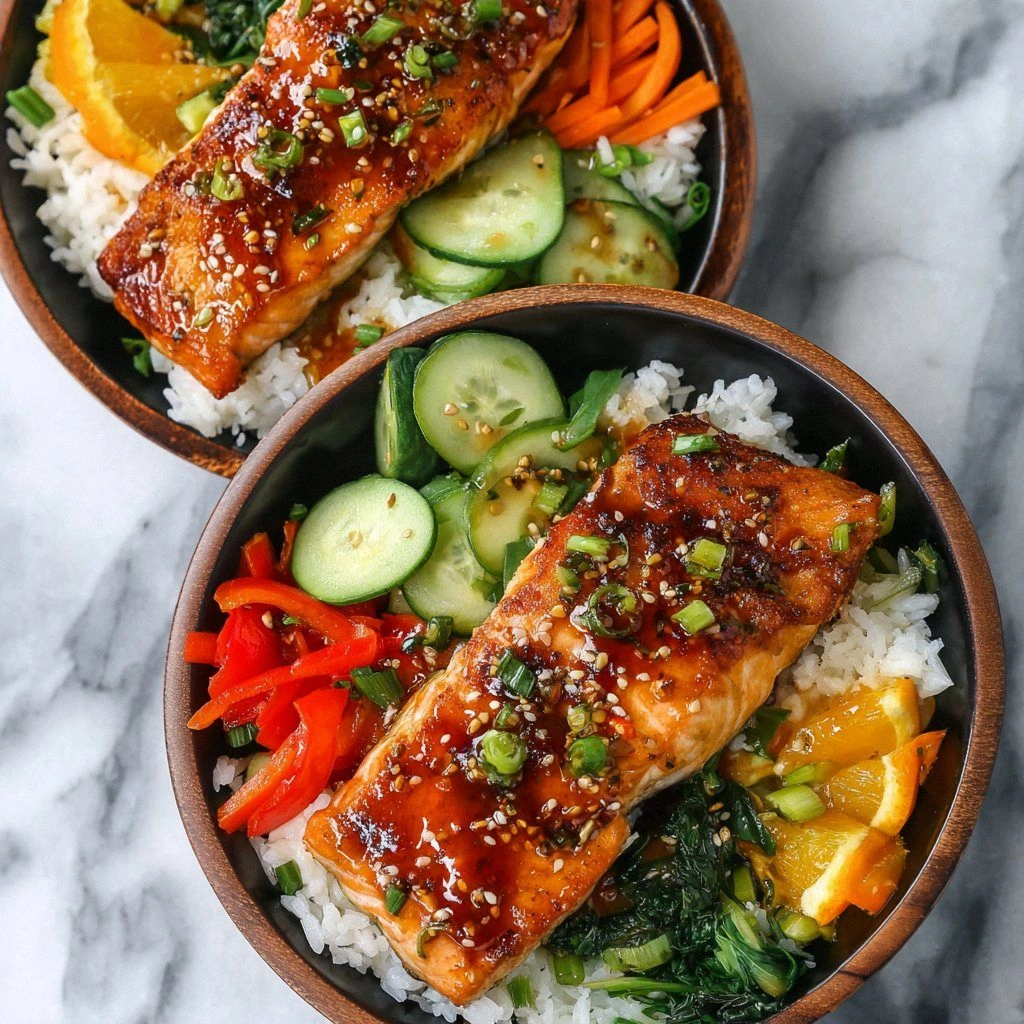
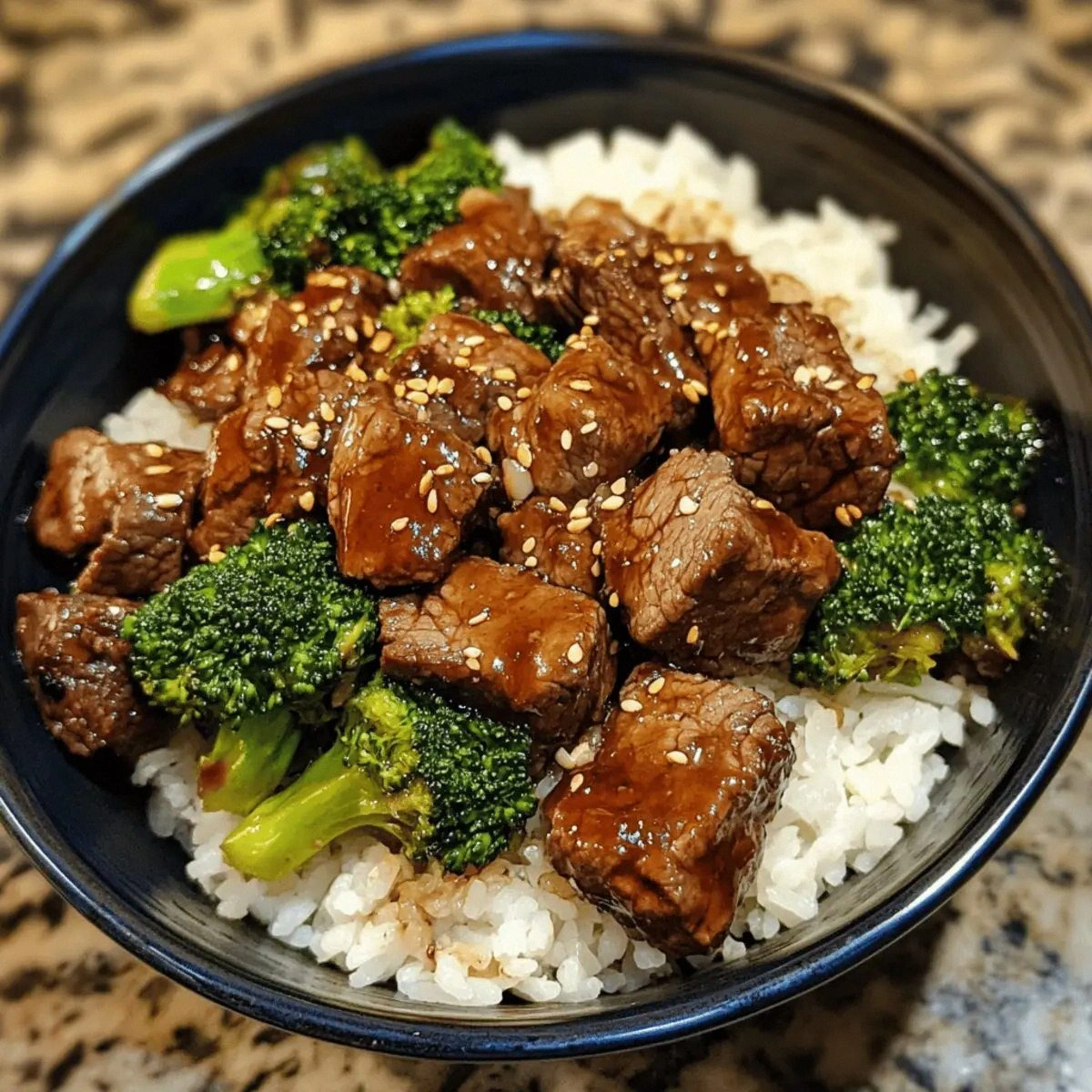
Picture yourself pulling this out of the skillet, the whole kitchen smelling incredible, and your guests’ eyes widening as they taste the glossy, umami‑rich sauce. The beef is sliced against the grain, each slice revealing a juicy, pink center that contrasts beautifully with the glossy, caramelized coating. The broccoli florets are bright green, their edges slightly charred, and the sesame seeds add a nutty crunch that lifts the dish. I’ll let you in on a technique that most recipes skip: a quick cornstarch slurry that thickens the sauce in seconds, giving it that silky, glossy finish. And that final sprinkle of green onions? It adds a pop of color and a fresh, bright note that cuts through the richness. Let’s walk through every single step—by the end, you’ll wonder how you ever made it any other way.
What Makes This Version Stand Out
- Flavor Depth: The sauce balances soy, brown sugar, and mirin in a way that layers sweetness, saltiness, and a subtle wine note, creating a complex profile that lingers on the palate.
- Texture Contrast: The beef is seared to lock in juices, while the broccoli is blanched and then stir‑fried to preserve a bright green snap, giving each bite a delightful contrast.
- Speed: Every step is timed to fit under 20 minutes, so you can go from prep to plate faster than the average dinner rush.
- Ingredient Quality: Using a fresh flank steak and fresh ginger ensures the dish is packed with real, vibrant flavors rather than relying on processed sauces.
- Make‑Ahead Potential: The sauce can be pre‑made and stored for up to a week, making this dish a go‑to for busy workdays.
- Versatility: Swap the beef for chicken or tofu, and you’ve got a completely different dish that still feels familiar.
- Visual Appeal: The glossy glaze and the burst of green from the broccoli make this dish Instagram‑ready.
- Health Conscious: It’s high in protein, low in carbs, and uses minimal oil, so you can feel good about what you’re eating.
Alright, let's break down exactly what goes into this masterpiece. And now, a little kitchen hack to make your life easier.
Inside the Ingredient List
The Flavor Base
Soy sauce, brown sugar, and mirin form the backbone of this teriyaki. The soy provides umami and saltiness, the brown sugar adds caramel sweetness, and the mirin gives a subtle, wine‑like acidity that balances the richness. Skipping any of these will leave the sauce flat; the harmony between them is what makes the dish sing. If you’re looking for a lower‑sodium option, use a low‑sodium soy sauce, but keep the sugar ratio the same to maintain that glossy finish.
The Texture Crew
The broccoli florets are the star of the texture play. Blanch them briefly in boiling water to keep them bright and crisp, then shock them in ice water to stop the cooking process. This method preserves their vibrant color and gives them a satisfying snap. The cornstarch slurry thickens the sauce, giving it a silky coat that clings to the beef and broccoli. Without it, the sauce would be watery and the dish would feel under‑seasoned.
The Unexpected Star
Fresh ginger root is the secret weapon that elevates the dish. It cuts through the sweetness of the sauce and adds a warm, peppery kick that keeps the flavor profile from becoming cloying. A small amount of minced garlic balances the ginger’s heat and adds depth. If you don’t have fresh ginger, a teaspoon of ginger paste can work, but the aroma and flavor will be slightly less vibrant.
The Final Flourish
Sesame seeds and green onions finish the dish with a nutty crunch and a bright, herbal note. Toast the sesame seeds lightly in a dry pan before sprinkling them on top; this releases their oils and gives them a deeper flavor. The green onions add a fresh, almost citrusy brightness that cuts through the richness of the sauce. Together, they provide a final layer of texture and flavor that turns a simple stir‑fry into a memorable meal.
Everything’s prepped? Good. Let’s get into the real action.
The Method — Step by Step
- Start by slicing the flank steak into thin, bite‑size strips, cutting against the grain. This ensures the meat remains tender and allows it to cook quickly. While the steak rests, bring a pot of water to a boil and prepare a bowl of ice water for the broccoli blanching. The quick blanch will lock in the bright green color and give the florets a crisp bite.
- Add the broccoli florets to the boiling water and blanch for 30 seconds. Then transfer them immediately to the ice water bath to halt the cooking process. This step keeps the broccoli from becoming mushy and preserves its vibrant color, which is crucial for visual appeal.
- In a small bowl, whisk together soy sauce, brown sugar, mirin, and a splash of water to create a smooth sauce. The sugar should dissolve completely; if it doesn’t, let the mixture sit for a minute before whisking again. This ensures a silky base that will coat the beef and broccoli evenly.
- Heat 1 tablespoon of vegetable oil in a large skillet or wok over medium‑high heat. Once the oil shimmers, add the sliced beef in a single layer. Sear the beef for about 2 minutes on each side, or until it develops a golden brown crust. This caramelization is key to the dish’s depth of flavor.
- Remove the beef from the skillet and set it aside on a plate. In the same pan, add the minced garlic and ginger, sautéing for 30 seconds until fragrant. Be careful not to burn them, as burnt garlic will introduce bitterness.
- Add the blanched broccoli to the pan and stir‑fry for 1 minute, just enough to warm it through and let it absorb some of the aromatics. This quick stir‑fry keeps the broccoli from steaming and maintains its crunch.
- Return the beef to the pan, pour in the pre‑made sauce, and stir to combine everything. Bring the mixture to a gentle simmer, letting the sauce thicken slightly. This is the moment where the flavors meld, and the glossy glaze begins to coat each piece.
- Whisk the cornstarch with a tablespoon of water to make a slurry. Gradually pour this into the pan while stirring constantly, allowing the sauce to thicken to a glossy consistency. The cornstarch should be added slowly to avoid clumps.
- Once the sauce has thickened, sprinkle toasted sesame seeds and sliced green onions over the top. Toss everything together gently, letting the sesame seeds pop in the heat. Serve immediately over steamed rice or quinoa for a balanced meal.
That’s it—you did it. But hold on, I've got a few more tricks that'll take this to another level.
Insider Tricks for Flawless Results
The Temperature Rule Nobody Follows
Heat the skillet to medium‑high before adding oil. A skillet that’s too cool will cause the beef to steam rather than sear, resulting in a soggy texture. I once cooked a batch on low heat, and the beef turned out limp. Keep the heat steady, and you’ll get that coveted caramelized crust.
Why Your Nose Knows Best
Smell the sauce as it simmers; it should develop a nutty aroma from the toasted sesame seeds and a caramel scent from the sugar. If it still smells like raw soy, give it a few more minutes. Your nose is a reliable judge of doneness.
The 5-Minute Rest That Changes Everything
After searing the beef, let it rest for 5 minutes before adding it back to the pan. This short pause allows the juices to redistribute, keeping the meat juicy. I’ve seen people skip this step, and the beef ends up dry.
Keep It Moist, Not Wet
If the sauce becomes too thin, add a splash of water or broth, not more sugar. Too much sugar can make the dish overly sweet. A little liquid keeps the glaze glossy without compromising flavor.
Finish with a Splash of Lime
A quick squeeze of lime juice right before serving adds brightness and cuts through the richness. The acidity also enhances the sweetness of the sauce, creating a well‑balanced bite.
Creative Twists and Variations
Teriyaki Chicken Stir‑Fry
Swap the beef for boneless chicken thighs, sliced thinly. The chicken takes on the sauce beautifully and offers a slightly different protein profile. Serve over rice for a familiar yet fresh take.
Tofu Teriyaki
Use firm tofu, pressed and cubed, for a vegetarian version. Sauté the tofu until golden before adding the sauce; this gives it a satisfying crunch. The tofu will soak up the glaze, making it just as flavorful.
Spicy Teriyaki
Add a tablespoon of sriracha or fresh red pepper flakes to the sauce for a kick. The heat balances the sweetness and adds a new dimension to the flavor profile. This version is perfect for spice lovers.
Thai‑Inspired Twist
Replace soy sauce with tamari for a gluten‑free option and add a splash of fish sauce for depth. Finish with fresh cilantro and lime for a Thai flavor profile that still feels like teriyaki.
Low‑Carb Version
Omit the broccoli and replace it with cauliflower florets. The cauliflower will absorb the sauce and add a low‑carb, low‑calorie alternative that still delivers on flavor.
Storing and Bringing It Back to Life
Fridge Storage
Store leftovers in an airtight container in the refrigerator for up to 3 days. The sauce will thicken slightly, but it will still taste great when reheated. Keep the broccoli separate if you prefer it crisp.
Freezer Friendly
You can freeze the sauce and beef separately for up to 2 months. When ready to eat, thaw overnight in the fridge and reheat gently on the stove. The broccoli is best reheated separately to avoid sogginess.
Best Reheating Method
Reheat in a skillet over low heat, adding a splash of water or broth to loosen the sauce. Stir occasionally until heated through. A tiny splash of water before reheating steams the dish back to perfection.