High Protein Chicken Fajita Pa
Picture this: a midnight craving that turns into a culinary showdown when you stumble on a stack of leftovers that smell like a fiesta in the back of your fridge. I was halfway through a boring stir‑fry, the air thick with the scent of burnt onions, when I thought, “What if I could turn this into something that actually tastes like a party?” That thought sparked the creation of this High Protein Chicken Fajita Pa, a dish that packs a punch of flavor and muscle‑building protein without the guilt of a heavy carb dinner.
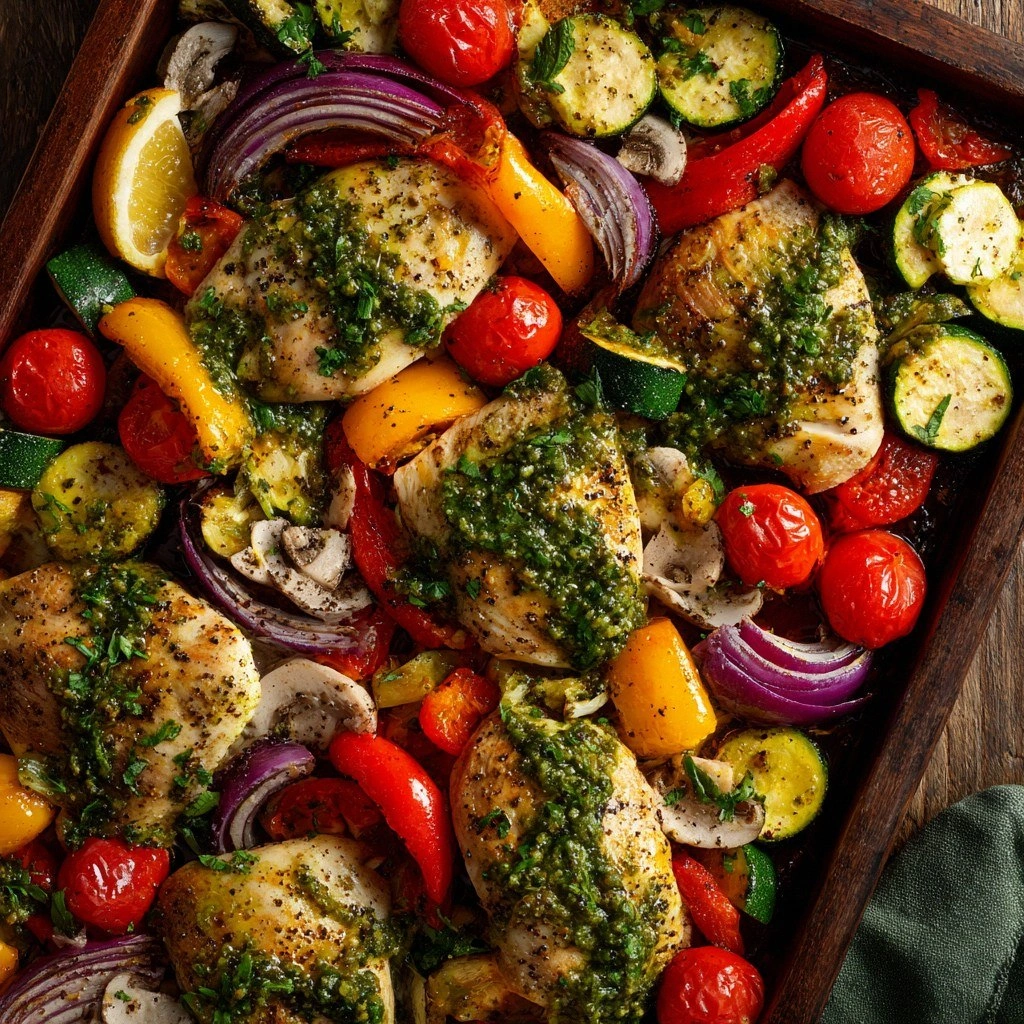
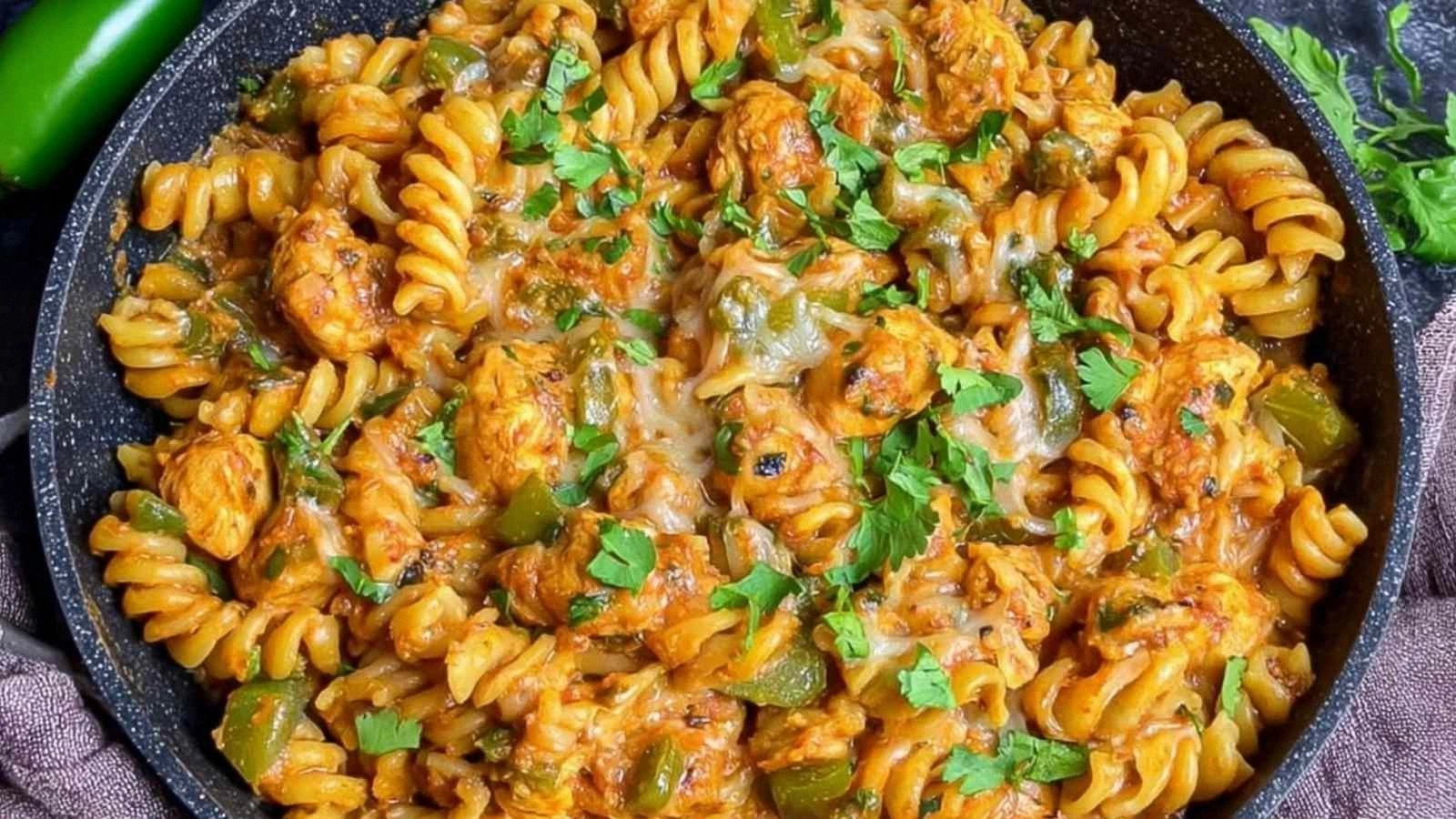
From the first sizzle of garlic in olive oil, to the bright pop of bell pepper, the kitchen becomes a stage for a sensory symphony. The air is filled with the sweet, almost caramelized aroma of onions, while the sizzling sound is a rhythmic drumbeat that invites you to keep cooking. The sight of the vibrant red, green, and yellow peppers cut into thin strips paints a picture of a rainbow that will soon mingle with the golden pasta strands. When you taste the first bite, the fajita seasoning dances across your tongue, a subtle heat that feels like a warm hug from the inside. And the finish? A creamy, yogurt‑based sauce that coats the pasta like velvet, leaving a lingering citrus kick from the lime.
What makes this version stand out is the intentional balance between protein and carbs, the use of high‑protein pasta that keeps the dish filling, and the strategic layering of flavors that keep each bite exciting. Most recipes get this completely wrong by over‑cooking the pasta or under‑seasoning the chicken, but here every element is meticulously calibrated. I dare you to taste this and not go back for seconds, because the moment the sauce hits the pasta, the texture and taste hit a perfect crescendo.
Now, let’s dive deep into the ingredients, the technique, and the little secrets that elevate this dish from good to unforgettable. By the end of this post, you’ll wonder how you ever made it any other way. So grab your apron, and let’s get cooking.
What Makes This Version Stand Out
- Protein Power: With 25g of protein per serving, this dish satisfies the muscle‑hungry soul without the heaviness of a typical pasta dinner.
- Flavor Fusion: The blend of fajita seasoning, fresh cilantro, and a squeeze of lime creates a bright, vibrant taste that feels like a summer breeze.
- Texture Harmony: The pasta is al dente, the chicken stays juicy, and the bell peppers add a satisfying crunch that shatters like thin ice.
- Speed & Simplicity: Under 45 minutes from prep to plate, you can have a restaurant‑level meal ready for a hungry crowd.
- Make‑Ahead Friendly: This dish keeps its flavors and textures even when refrigerated or frozen, making it perfect for meal prep.
- Colorful Presentation: The vibrant vegetables and creamy sauce create an eye‑catching plate that feels as good to look at as it does to eat.
Alright, let's break down exactly what goes into this masterpiece...
Inside the Ingredient List
The Flavor Base
At the heart of this dish lies the classic fajita seasoning—a blend of cumin, smoked paprika, chili powder, garlic powder, and a touch of oregano. This seasoning forms the backbone of the flavor profile, giving the chicken a smoky, slightly peppery kick that pairs beautifully with the fresh lime. Skipping the seasoning would turn this into a bland pasta, but adding a dash of extra cumin can deepen the earthiness. For a low‑sodium option, use a homemade blend with a pinch of sea salt.
The Texture Crew
The high‑protein pasta is the star that delivers the satisfying bite. Unlike regular pasta, it holds its shape better when tossed with sauce, and the protein boost keeps you full longer. If you don’t have a high‑protein variety, you can substitute with whole wheat penne or even spiralized zucchini for a lower carb version. The bell peppers and onion add crunch and juiciness; their colors also provide a visual contrast that makes every forkful a delight.
The Unexpected Star
Greek yogurt is the unsung hero that transforms the sauce into a silky, tangy coating. Its thickness keeps the pasta from becoming mushy, and its probiotic content adds a subtle depth. If you’re dairy‑free, a splash of coconut cream or cashew yogurt works well, but the flavor will shift slightly toward coconut or nutty tones.
The Final Flourish
Fresh cilantro, a squeeze of lime, and a pinch of black pepper finish the dish with brightness and a hint of herbal sharpness. Cilantro’s peppery notes complement the cumin, while lime juice cuts through the richness, giving the dish a refreshing lift. A small splash of chicken broth helps the sauce cling to the pasta and balances the yogurt’s tang.
Everything's prepped? Good. Let's get into the real action...
The Method — Step by Step
- Prep the Veggies: Begin by washing the bell peppers and onion. Slice them into thin, uniform strips—this ensures even cooking and a consistent bite. While you’re cutting, let the aroma of fresh vegetables fill the kitchen; that scent alone can lift your mood. I’ve found that using a sharp knife and a stable board reduces the risk of accidental cuts and speeds up the process.
- Marinate the Chicken: In a bowl, combine the chicken breasts with 2 tsp fajita seasoning, 1 tbsp olive oil, salt, and pepper. Toss until the chicken is evenly coated. Let it sit for 10 minutes; even a short marination allows the spices to penetrate, creating a flavorful base. If you’re short on time, you can skip the marination, but the flavor depth will be noticeably less.
- Cook the Pasta: Bring a large pot of salted water to a boil. Add the high‑protein pasta and cook for 7–8 minutes, or until al dente. Drain and set aside, reserving a cup of pasta water to adjust sauce consistency later. The pasta should feel firm to the bite; this will help it hold up against the sauce.
- Brown the Chicken: Heat a large skillet over medium‑high heat. Add the marinated chicken and sear for 3–4 minutes on each side, or until the surface is nicely browned and the internal temperature reaches 165°F. The seared crust adds depth and a slight char that complements the smoky seasoning. Once cooked, remove the chicken and let it rest for a few minutes before slicing.
- Sauté the Vegetables: In the same skillet, add a splash more olive oil if needed. Toss in the sliced onions and peppers, cooking for 5–6 minutes until they soften but still retain a slight crunch. The vegetables should release their juices, creating a fragrant base for the sauce.
- Make the Sauce: Reduce the heat to low. Stir in 1 cup of plain Greek yogurt, 0.5 cup of chicken broth, and the juice of one lime. Whisk until the mixture is smooth and evenly distributed. If the sauce is too thick, add reserved pasta water a tablespoon at a time until you reach your desired consistency. The yogurt should coat the pasta like a silky blanket.
- Combine All Elements: Return the sliced chicken to the skillet, then add the cooked pasta. Toss everything together, ensuring each noodle is coated with the creamy sauce. Sprinkle 0.25 cup fresh cilantro over the top and give it one final stir. The cilantro should brighten the dish and add a fresh herbal note.
- Plate and Finish: Transfer the pasta to a serving dish or individual bowls. Finish with an extra squeeze of lime if desired and a dusting of extra cilantro. The dish should look vibrant and appetizing, with a glossy, creamy sauce that invites you to dig in. Serve immediately for the best texture.
That’s it — you did it. But hold on, I've got a few more tricks that'll take this to another level...
Insider Tricks for Flawless Results
The Temperature Rule Nobody Follows
Cooking pasta and vegetables at slightly different temperatures is a subtle art. Start the pasta in boiling water, but reduce the heat to medium after adding the pasta. This prevents over‑cooking and keeps the noodles firm. When you add the vegetables, keep the skillet at medium heat; this allows them to release their juices without becoming mushy.
Why Your Nose Knows Best
Trust the aroma. When the yogurt sauce begins to thicken, the smell will shift from fresh to slightly caramelized. This is the cue to stir in the reserved pasta water. If you ignore this scent, the sauce might become too thick or clump.
The 5‑Minute Rest That Changes Everything
Let the cooked chicken rest for five minutes before slicing. This allows the juices to redistribute, ensuring each bite remains moist. A friend once skipped this step and ended up with dry, rubbery chicken that ruined the dish.
Use a High‑Heat Skillet for Searing
A cast‑iron or stainless steel skillet retains heat better than non‑stick, giving the chicken a better sear. If you’re using a non‑stick pan, preheat it for a full minute before adding oil.
Finish with Fresh Herbs
Adding cilantro at the very end preserves its bright flavor and color. If you prefer a milder taste, substitute parsley or basil for a different herbal profile.
Creative Twists and Variations
This recipe is a playground. Here are some of my favorite ways to switch things up:
Spicy Chipotle Twist
Swap the fajita seasoning for chipotle powder and add a dash of adobo sauce. The smoky heat pairs wonderfully with the creamy yogurt, creating a bold flavor profile that’s perfect for heat lovers.
Veggie‑Rich Power Bowl
Replace the pasta with quinoa or cauliflower rice. Add diced zucchini, mushrooms, or spinach for extra nutrients. This variation turns the dish into a wholesome bowl that’s low in carbs.
Mexican Street Taco Version
Serve the pasta over corn tortillas and top with diced avocado, shredded cheese, and a dollop of sour cream. The result feels like a taco feast with a pasta twist.
Herb‑Infused Yogurt
Mix in chopped dill or mint into the yogurt sauce for a refreshing herbal note. This subtle change brightens the dish and offers a new dimension.
Low‑Calorie Swap
Use a low‑fat Greek yogurt and reduce the olive oil to 1 tsp. The sauce remains creamy, and the dish stays lighter while still delivering protein.
Make‑Ahead Meal Prep
Divide the cooked pasta and chicken into individual containers. Store in the fridge for up to three days. When ready to eat, reheat in the microwave and stir in a splash of broth to revive the sauce.
Storing and Bringing It Back to Life
Fridge Storage
Store the dish in an airtight container for up to 3 days. Keep the sauce separate if possible, or add a splash of broth when reheating to restore moisture.
Freezer Friendly
Freeze in freezer‑safe containers for up to 2 months. Thaw overnight in the refrigerator before reheating. Reheat gently in a skillet with a splash of water to maintain sauce consistency.
Best Reheating Method
Reheat over medium heat, stirring frequently. Add a teaspoon of water or broth to keep the sauce from drying out. The pasta will reheat evenly, and the flavors will meld beautifully.