I remember the night I tried to recreate a dish that had been haunting my taste buds for months. My kitchen was a battlefield: a pan sputtering, a pot boiling over, and a desperate search for the right balance of flavor. The result? A soggy, under‑seasoned pasta that tasted like it had been forgotten in a drawer. That disaster was the spark that pushed me to search for the perfect garlic prawn spaghetti recipe, and when I finally found it, I knew I had stumbled onto something extraordinary.
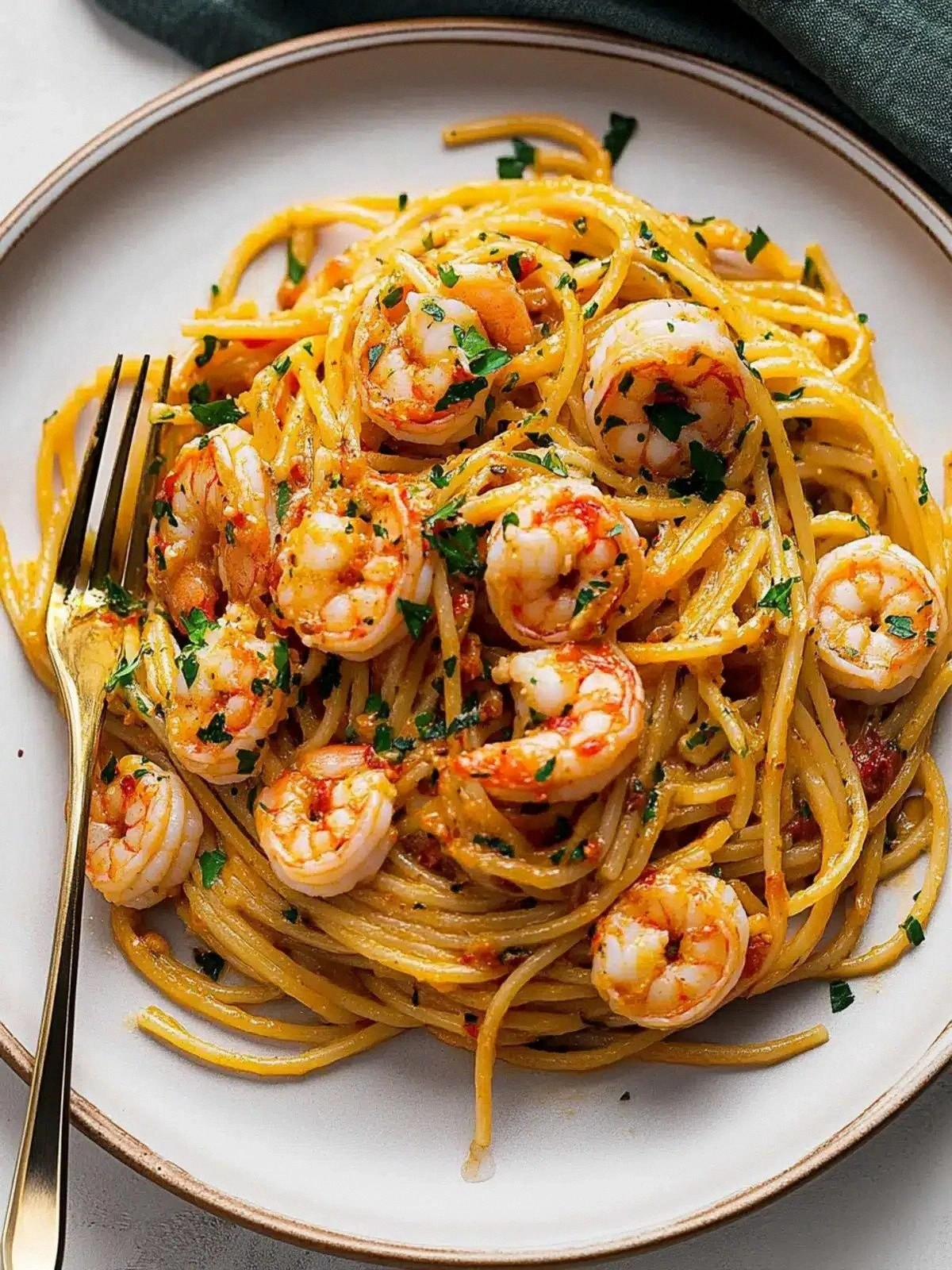
Picture this: a bright, golden skillet, the sizzle of garlic and ginger dancing with a splash of oil, and the unmistakable aroma of sea salt mingling with the sweet, briny scent of prawns. The sound of the prawns searing is a sharp, satisfying crack that signals the dish is almost ready. The visual cue is the glossy sheen of soy sauce coating the pasta, turning it into a silky, velvet‑like coat that clings to every strand. The texture is a playful contrast between the tender prawns and the al dente pasta, while the crunch of fresh spring onions adds a lively snap.
What makes this version stand out is not just the ingredients but the method. I dared you to taste this and not go back for seconds, and I’m confident you’ll find yourself reaching for more. The sauce is a harmonious marriage of umami and spice, a balance that most recipes either overdo or underplay. The prawns are cooked to perfection—juicy, not rubbery—thanks to a quick sear that locks in moisture. The pasta is tossed with oil and seasonings so it never sticks, and the final drizzle of sesame oil gives it a nutty finish that lingers on the palate. It’s hands down the best version you’ll ever make at home, and it’s so simple you’ll wonder why you ever cooked otherwise.
And that’s just the beginning. There’s a secret technique involving a splash of vegetable oil that elevates the sauce’s texture, giving it a silky, almost buttery finish that you won’t see in other garlic prawn dishes. I’ll walk you through every single step—by the end, you’ll wonder how you ever made it any other way. Let’s dive in and turn your kitchen into a flavor laboratory.
What Makes This Version Stand Out
- Flavor Depth: The combination of soy sauce, oyster sauce, and sesame oil creates a layered umami profile that lingers long after the last bite. Each splash adds a different dimension—salty, sweet, nutty—making the sauce feel both complex and cohesive. This depth turns an ordinary pasta into a gourmet experience.
- Texture Play: The prawns are seared just enough to keep their juiciness while developing a slightly caramelized crust. The pasta is tossed with oil and seasonings to prevent clumping, ensuring every strand is coated. The fresh spring onions provide a crisp bite that cuts through the richness.
- Speed & Simplicity: All steps can be completed in under 45 minutes, and the ingredients are pantry staples. No need for exotic sauces or elaborate prep; just a few quick techniques and you’re done. The result is a dish that feels effortless yet impressive.
- Visual Appeal: The glossy sauce coats the pasta like velvet, and the green spring onions add a pop of color that makes the dish Instagram‑worthy. The contrast between the pale pasta and the deep brown sauce is striking.
- Crowd‑Pleaser: Whether you’re feeding a family or a group of friends, this dish satisfies everyone. The balanced heat from chili flakes is mild enough for most palates, yet still gives that satisfying kick.
- Make‑Ahead Friendly: The dish can be prepared a day in advance and reheated without losing flavor. The sauce actually deepens in taste when it sits, making it even more delicious the next day.
Inside the Ingredient List
The Flavor Base
The foundation of this dish lies in the savory duo of soy sauce and oyster sauce. Soy sauce brings a salty, fermented depth, while oyster sauce adds a subtle sweetness and a hint of umami that can’t be replicated with any single ingredient. Together, they form a sauce that coats the pasta like a velvety blanket. Skipping either would leave the dish feeling thin and lacking complexity. If you’re allergic to soy, consider a tamari alternative with a slightly thicker consistency.
The Texture Crew
Prawns are the star of the show, but their texture is what sets this recipe apart. Fresh prawns are best, but high‑quality frozen can also work if you thaw them properly. The key is to pat them dry before searing; moisture is the enemy of a good sear. A quick, high‑heat pan sear locks in juices and creates a caramelized crust. If you’re in a rush, a pre‑cooked shrimp can be a convenient substitute, but the flavor will be slightly different.
The Unexpected Star
The addition of sesame oil at the end is a subtle but powerful finishing touch. Sesame oil carries a nutty aroma that elevates the entire dish, turning it from simple to memorable. It’s easy to overlook, but that final drizzle can make or break the flavor profile. If you’re sensitive to the strong taste of sesame, a single teaspoon is plenty; you can always add more if you like. This ingredient is also a great source of healthy fats, adding a nutritional edge.
The Final Flourish
Finely sliced spring onions provide a fresh, slightly sweet crunch that balances the richness of the sauce. They also add a pop of color that makes the dish visually appealing. If you can’t find spring onions, scallions work just as well, but be sure to use the white part for the crunch. The garlic and ginger give a bright, aromatic base that lifts the dish into the realm of restaurant‑quality. Together, these aromatics form a fragrant foundation that makes every bite sing.
Everything's prepped? Good. Let's get into the real action...
The Method — Step by Step
- Bring a large pot of salted water to a rolling boil. Add the spaghettini and cook until al dente, about 8 minutes. Drain, reserving a cup of pasta water. Toss the pasta with a tablespoon of vegetable oil to prevent sticking. This step ensures the noodles stay separate and silky.
- While the pasta cooks, heat the remaining quarter cup of vegetable oil in a large skillet over medium‑high heat. Add the finely chopped garlic and ginger, stirring constantly to prevent burning. The garlic should turn golden brown, releasing a sweet, nutty aroma. This is the flavor base that will permeate the dish.
- Add the prawns to the skillet in a single layer. Let them sear untouched for 30 seconds before flipping. This quick sear locks in juices and gives the prawns a caramelized crust. The sizzling sound is a cue that the prawns are cooking properly. Once both sides are golden, remove them from the pan and set aside.
- Deglaze the pan with soy sauce, oyster sauce, and a splash of water. Scrape up all the browned bits from the bottom of the skillet; they’re packed with flavor. The sauces will create a glossy sauce that coats the pasta. Keep the heat on medium so the sauce doesn’t reduce too quickly.
- Return the prawns to the skillet, then add the cooked pasta and spring onions. Toss everything together, adding a splash of reserved pasta water if the sauce feels too thick. The water helps the sauce cling to the noodles and keeps the dish moist. Let the mixture cook together for 2 minutes, allowing the flavors to meld.
- Finish with a drizzle of sesame oil and a generous handful of sliced spring onions. The sesame oil should be added last to preserve its nutty aroma. Serve immediately while hot and fragrant. The dish is best enjoyed straight from the skillet for maximum flavor.
- Optional: Garnish with toasted sesame seeds for extra crunch and a subtle nutty undertone. This final touch elevates the dish from simple to sophisticated. If you prefer a bit of heat, sprinkle a few extra chili flakes on top. The dish is now ready to be devoured.
That's it — you did it. But hold on, I've got a few more tricks that'll take this to another level...
Insider Tricks for Flawless Results
The Temperature Rule Nobody Follows
Keeping the skillet at a steady medium‑high temperature is crucial. If the heat drops too low, the prawns will steam instead of sear, resulting in rubbery texture. Conversely, too high heat can burn the aromatics. Use a thermometer if you’re unsure; 375°F is ideal for searing. This small adjustment can transform the dish from good to unforgettable.
Why Your Nose Knows Best
The aroma of garlic and ginger is a reliable indicator of flavor depth. When they start to brown, the scent becomes sweet and nutty. If the smell turns sharp or burnt, reduce the heat immediately. Your nose is your best guide to avoid overcooking and to ensure the dish stays aromatic.
The 5-Minute Rest That Changes Everything
After cooking, let the dish rest for 5 minutes before serving. This allows the flavors to settle and the sauce to thicken slightly. During this time, the prawns continue to cook gently, preventing them from drying out. This simple rest period can be the difference between a good dish and a great one.
The Secret Sauce Ratio
Balancing soy sauce and oyster sauce is key to achieving the right umami. A 2:1 ratio works best for most palates. Too much soy can overwhelm the dish, while too much oyster sauce can make it overly sweet. Adjust the ratio to your taste, but start with the recommended amounts for a balanced flavor.
The Quick Toss Trick
When adding pasta to the sauce, toss it vigorously for 30 seconds. This ensures every strand is coated and prevents clumping. It also helps the pasta absorb the sauce evenly, giving each bite the same flavor intensity. This quick toss is a simple technique that pays off big time.
Creative Twists and Variations
This recipe is a playground. Here are some of my favorite ways to switch things up:
Citrus Burst
Add a splash of fresh lime juice and a handful of chopped cilantro before serving. The citrus brightens the dish and adds a fresh, herbal note that contrasts the savory sauce. This variation is perfect for a summer dinner party.
Spicy Thai
Replace the chili flakes with sliced fresh Thai chilies and add a tablespoon of fish sauce. The result is a vibrant, spicy flavor profile with a subtle umami kick. This version is ideal for those who love bold, fiery dishes.
Creamy Coconut Twist
Stir in a quarter cup of coconut milk after adding the sauce. The coconut adds a silky, creamy texture that balances the saltiness of the soy sauce. This variation is great for a comforting, tropical feel.
Vegetarian Version
Swap the prawns for firm tofu or seared tempeh. Use vegetable stock instead of water when cooking pasta. The result is a protein‑rich, plant‑based dish that still delivers the same umami punch. This version is ideal for vegetarian gatherings.
Pesto Fusion
Blend fresh basil, pine nuts, garlic, and olive oil into a pesto. Toss the cooked pasta with the pesto instead of the soy‑oyster sauce. The dish takes on a Mediterranean flair while still retaining the garlic base. This variation is a crowd‑pleaser for pesto lovers.
Garnish Upgrade
Top the finished dish with a sprinkle of toasted pine nuts or a drizzle of truffle oil for a luxurious finish. The nuts add a crunchy texture, while the truffle oil offers a decadent aroma. This upgrade is perfect for a special occasion.
Storing and Bringing It Back to Life
Fridge Storage
Store leftovers in an airtight container for up to 2 days. Keep the sauce separate from the pasta if possible to prevent the noodles from becoming soggy. When ready to eat, gently reheat on the stove with a splash of water to loosen the sauce. This method preserves the texture and flavor.
Freezer Friendly
For longer storage, freeze the dish for up to 3 months. Use a freezer‑safe container or a zip‑lock bag. Thaw overnight in the refrigerator before reheating. Adding a small amount of water or broth during reheating helps restore the sauce’s thickness.
Best Reheating Method
Reheat gently on the stove over low heat, stirring frequently. Add a splash of water or broth to keep the sauce from drying out. Avoid high heat, which can scorch the sauce and alter the texture of the prawns. The goal is to warm the dish evenly while preserving its original flavors.