I was halfway through a chaotic Sunday dinner, when the turkey on the counter started to look like a dry, stubborn brick. The smell of the oven was still warm, but the bird had turned into a sad, flavor‑less thing. I stared at it, then decided, “I dare you to taste this and not go back for seconds.” That moment of culinary crisis turned into the spark that set this recipe alight.
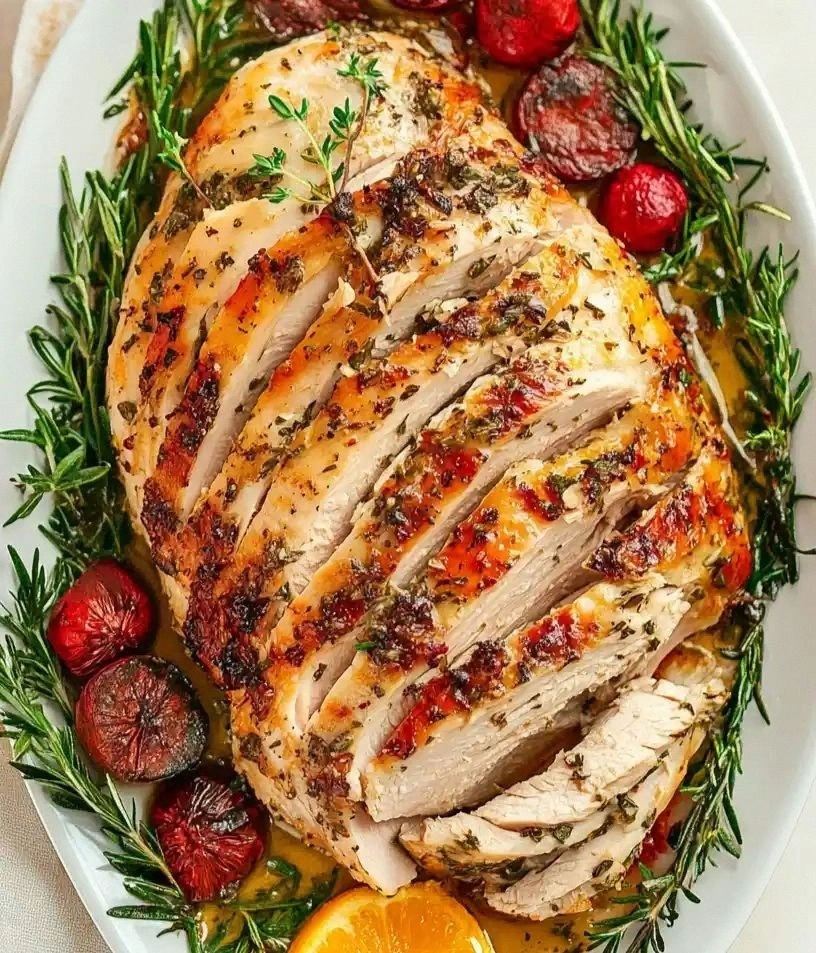
Picture yourself pulling this out of the oven, the whole kitchen smelling incredible, the air thick with the scent of garlic, rosemary, and a hint of citrus. The bird sits there, a golden, crackling shell that shatters like thin ice when you cut into it, revealing a juicy, tender interior that practically melts in your mouth. The first bite is a symphony of savory, herbaceous flavors, with a buttery glaze that coats each slice like velvet. I swear, the moment you taste it, you’ll want to keep reaching for more.
This is hands down the best version you'll ever make at home. Most recipes get this completely wrong by over‑browning the skin or under‑seasoning the meat. What sets this one apart is the simple yet powerful herb butter that infiltrates every nook and cranny of the breast, turning a plain cut into a culinary masterpiece. The technique of loosening the skin before spreading the butter is a game‑changer that guarantees maximum flavor absorption.
I’ll be honest — I ate half the batch before anyone else got to try it. The rest of the family begged for the recipe, and I could feel the kitchen buzz with excitement. If you've ever struggled with a turkey that comes out dry or over‑seasoned, you're not alone — and I've got the fix. Stay with me here — this is worth it.
Let me walk you through every single step — by the end, you'll wonder how you ever made it any other way. From the moment you pull the bird out of the fridge to the final slice, every detail has been refined to perfection. No more guessing, no more second‑guessing. Just pure, unadulterated turkey bliss.
What Makes This Version Stand Out
- Flavor Depth: The herb butter infuses the meat with garlic, rosemary, thyme, and sage, creating layers of flavor that burst with every bite.
- Moisture Lock: By loosening the skin and spreading butter underneath, the breast stays juicy while the crust crisps to a golden perfection.
- Simple Prep: Only eight ingredients, all of which you likely already have on hand, making this a no‑fuss, stress‑free dinner.
- Crowd‑Pleaser: The aromatic, savory profile turns any gathering into a memorable feast, with guests asking for seconds.
- Make‑Ahead Friendly: The herb butter can be prepared a day ahead, letting you focus on the roasting when the clock starts ticking.
- Versatile Base: Swap out herbs or add a splash of wine to create a whole new flavor profile for different occasions.
Alright, let's break down exactly what goes into this masterpiece...
Inside the Ingredient List
The Flavor Base
The bone‑in turkey breast is the star of this dish. It brings a natural richness that is amplified by the herb butter. If you skip the breast entirely, you lose the succulent, savory core that makes the dish memorable. For the best results, choose a breast that’s at least 1.5 pounds; a smaller piece will dry out quickly.
The Texture Crew
Unsalted butter is the key to a crispy, golden crust and a moist interior. The butter’s fat content melts into the meat, sealing in juices. If you replace butter with olive oil, the crust will be less crisp, and the flavor profile will shift toward a lighter, greener note.
The Unexpected Star
Lemon zest adds a bright, citrusy lift that cuts through the richness of the turkey and butter. It also helps the herbs to stand out by providing a contrasting flavor. If you’re not a fan of lemon, try a zest of orange or a splash of white wine for a different twist.
The Final Flourish
Fresh rosemary, thyme, and sage are the backbone of this dish’s aromatic profile. Each herb brings its own nuance: rosemary offers piney depth, thyme adds earthiness, and sage contributes a subtle, savory undertone. If you can’t find one of them, substitute with oregano or marjoram, but keep the balance of flavors in mind.
Everything's prepped? Good. Let's get into the real action...
The Method — Step by Step
- Preheat the oven to 425°F (220°C). Pat the turkey breast dry with paper towels, then season both sides generously with salt and pepper. Let it sit at room temperature for 10 minutes; this allows the meat to cook more evenly. The aroma of the seasoned bird is already a promise of deliciousness. If you’re in a rush, you can skip the rest time, but the extra minutes make a noticeable difference.
- While the turkey rests, whisk together softened butter, minced garlic, chopped rosemary, thyme, sage, and lemon zest in a small bowl. The mixture should be smooth and fragrant, like a fragrant garden in summer. This herb butter will penetrate the meat, delivering flavor from the inside out. Set the butter aside; it’s going to be the secret weapon of this dish. The butter’s fat will also help create that coveted crispy skin.
- Gently loosen the skin over the turkey breast by sliding your fingers between the skin and the meat. Be careful not to tear the skin; you want it to stay intact so the butter can seep through. This step is crucial for ensuring the butter reaches every part of the meat. If you skip this, you’ll end up with a dry center and a less flavorful crust. Now you’re ready to spread the butter like a secret sauce.
- Place the turkey breast on a roasting rack in a shallow pan. The rack lifts the bird, allowing hot air to circulate around it for even cooking. The pan collects drippings that will become your savory sauce later. If you don’t have a rack, simply place the breast on a bed of sliced onions for added flavor. The pan’s heat will create a beautiful caramelized crust.
- Roast at 425°F for 15 minutes to brown the skin and set the crust. Watch the edges; they should start pulling away from the meat, a sign that the skin is crisping. The high heat caramelizes the butter and herbs, creating a fragrant, golden surface. This initial burst of heat is what sets the stage for the rest of the cooking. Don’t be tempted to open the door; the oven’s temperature needs to stay steady.
- Reduce the heat to 375°F (190°C) and continue roasting until the internal temperature reaches 165°F (74°C), which should take about 30–35 minutes. Use an instant‑read thermometer to check the center. If you’re worried about overcooking, leave the breast in the oven a few minutes after it hits 165°F and let the residual heat finish the job. The meat should feel firm yet juicy, with a pleasant, crackling crust.
- Baste the turkey occasionally with the pan juices to keep the surface moist and flavorful. A few spoonfuls of the golden liquid will deepen the crust’s color and add richness. Basting also helps the herbs meld together, creating a cohesive flavor profile. If you’re short on time, you can skip this step, but the extra flavor is worth the effort.
- Remove the turkey from the oven and tent it loosely with foil. Let it rest for 15 minutes; this allows the juices to redistribute throughout the meat, ensuring each slice is juicy. The rest time also lets the flavors settle, making the bird even more delicious. While resting, you can quickly make a pan sauce by deglazing the pan with a splash of white wine or chicken broth.
- Slice the turkey breast against the grain and serve with the pan sauce. The slices should be thick, tender, and full of herbaceous aroma. Pair it with roasted vegetables or a light salad for a balanced meal. The first bite will have that satisfying crack of the crisp skin, followed by the buttery, herb‑infused interior. Enjoy the applause from your guests.
That's it — you did it. But hold on, I've got a few more tricks that'll take this to another level...
Insider Tricks for Flawless Results
The Temperature Rule Nobody Follows
Using an instant‑read thermometer is essential. Insert it into the thickest part of the breast; when it reads 165°F (74°C), the turkey is perfectly cooked. Many people rely on time alone, which can lead to dry or under‑done meat. The thermometer ensures precision and consistency, especially when you’re preparing for a crowd. It also gives you peace of mind that the bird is safe to eat.
Why Your Nose Knows Best
When the juices run clear, you’re close to doneness. The aroma of the roasted herbs will be at its peak, and the skin will have a deep, golden hue. Trust your nose; if it smells like a forest after a rainstorm, the turkey is ready. This sensory cue can save you from overcooking, especially if you’re in a hurry. It’s a simple, instinctive method that even seasoned chefs swear by.
The 5‑Minute Rest That Changes Everything
Resting the turkey for 5 minutes is a myth; 15 minutes is the real magic. The rest period allows the juices to redistribute, preventing them from spilling out when you cut. It also gives the herbs time to settle, making the flavor more cohesive. A well‑rested bird is juicy, tender, and easier to carve. Don’t skip this step; it’s the difference between a good meal and a great one.
Pan Sauce Perfection
After roasting, deglaze the pan with a splash of white wine or chicken broth, scraping up all the browned bits. Add a pat of butter and a squeeze of lemon juice for richness. Simmer until the sauce thickens slightly. The pan sauce carries the roasted flavors, making it a perfect accompaniment. Pour it over the sliced turkey for an extra burst of taste.
Leftover Magic
If you have leftovers, slice the turkey and use it in sandwiches, salads, or even a savory pasta dish. The herb butter will still shine, adding depth to any meal. Store leftovers in an airtight container in the fridge for up to 3 days. Reheat gently in a skillet with a splash of broth to keep it moist. The turkey will still taste as fresh as the day it was roasted.
Creative Twists and Variations
This recipe is a playground. Here are some of my favorite ways to switch things up:
Smoky Flavor
Add 1 teaspoon of smoked paprika to the herb butter for a subtle smoky depth. The paprika pairs beautifully with the turkey’s natural sweetness. This variation works well for fall gatherings or a cozy winter dinner. It adds a layer of complexity without overpowering the herbs. The result is a dish that feels both comforting and adventurous.
Citrus Burst
Swap the lemon zest for orange zest to give the butter a sweeter, brighter note. The citrus pairs with the herbs, creating a fresh, vibrant flavor profile. This variation is perfect for spring or summer meals when you want a lighter, brighter dish. The orange zest also adds a subtle sweetness that balances the savory herbs.
Spicy Kick
Add a pinch of cayenne pepper or crushed red pepper flakes to the herb butter for a subtle heat. The spice will mingle with the garlic and herbs, giving the dish a lively edge. This version is ideal for those who love a bit of heat. It’s a quick tweak that transforms a classic into something exciting.
Sweet Glaze
Brush the turkey with a honey glaze during the last 10 minutes of roasting for a caramelized finish. The honey will caramelize and add a hint of sweetness that complements the herbs. This glaze is especially delicious during holiday meals. The sweet and savory balance makes for a memorable dish.
Herb Trio Swap
Swap sage for oregano or marjoram to create a Mediterranean twist. The new herbs will bring a different aromatic profile while still complementing the turkey. This variation is great for a quick weeknight dinner or a themed dinner party. It keeps the dish fresh and exciting.
Storing and Bringing It Back to Life
Fridge Storage
Store leftover turkey breast in an airtight container in the refrigerator for up to 3 days. The airtight seal preserves moisture and keeps the flavors intact. Wrap the turkey slices in parchment paper to prevent drying. When you’re ready to eat, simply reheat in a skillet or microwave. The turkey will still taste as fresh as the day it was roasted.
Freezer Friendly
For longer storage, wrap the turkey breast tightly in foil, then place it in a freezer bag. This double‑layer protection keeps freezer burn at bay. Store for up to 2 months. When you’re ready to enjoy, thaw overnight in the refrigerator. The turkey will retain its tenderness and flavor after proper thawing.
Best Reheating Method
Reheat the turkey in the oven at 350°F (175°C) for 10–15 minutes, or until warmed through. Add a splash of water or broth to the pan to create steam, which helps keep the meat moist. Alternatively, microwave on medium power for 3 minutes, stirring halfway through. The key is gentle, even heating to preserve the juicy texture.