The first time I tried to make a lemon‑infused dessert, I ended up with a soggy, bland mess that could have been mistaken for a fruitless puddle. I was staring at a bowl of chia seeds that looked more like a tiny, unappetizing jungle than a future breakfast. My friends had called it “the lemon disaster of 2023,” and I was ready to give up. But as I whisked the lemon zest into the oat milk, the kitchen filled with a bright, citrusy aroma that turned my frustration into curiosity. I knew I had to salvage the idea and turn it into something that would make people say, “I dare you to taste this and not go back for seconds.”
The moment I added the first splash of maple syrup, the scent shifted from sharp citrus to sweet, caramel‑like warmth, like a sunrise on a crisp morning. The chia seeds began to swell, their tiny pods expanding into a silky, translucent gel that glimmered like tiny pearls. I could hear the faint hiss of the mixture as it warmed, a subtle sound that promised a smooth, velvety texture. The kitchen lights caught the pale yellow of the turmeric, adding a gentle glow that made the dish feel like a sunrise in a bowl. I could almost taste the tangy bite of lemon balanced by the mellow sweetness of maple, all wrapped in a creamy, nutty cashew base.
This version stands out because it does more than just combine flavors—it transforms the ordinary into a multi‑sensory experience. The chia seeds act like tiny, edible clouds that give the pudding a lightness that melts on the tongue, while the cashew cream delivers a rich, buttery mouthfeel that feels indulgent yet healthy. The turmeric is a secret color enhancer that gives the pudding a warm, golden hue without altering the lemony zing. The maple syrup, used twice, creates a layered sweetness that doesn’t overwhelm the citrus, and the vanilla extract lifts the whole thing with a subtle warmth. And the sea salt, just a pinch, amplifies every flavor, turning the dish from good to unforgettable.
If you’ve ever struggled to make a pudding that feels both luxurious and approachable, you’re not alone. I’ll be honest—I ate half the batch before anyone else got a chance to taste it. Most recipes get this completely wrong by either over‑sweetening or under‑cooking the chia, resulting in a gritty or too‑runny texture. What sets this recipe apart is the precise balance of ingredients, the clever use of cashews for creaminess, and the simple, foolproof method that guarantees a silky, bright dessert. Picture yourself pulling this out of the fridge, the whole kitchen smelling incredible, and a plate of golden, lemony pudding that looks like a piece of art. Let me walk you through every single step — by the end, you’ll wonder how you ever made it any other way.
What Makes This Version Stand Out
- Texture: The chia seeds swell into a silky gel that feels like a cloud, while the cashew cream provides a luxuriously smooth body that coats the tongue like velvet. This combination eliminates the gritty or watery pitfalls of many chia puddings.
- Flavor Balance: The lemon zest and juice deliver bright acidity, the maple syrup offers natural sweetness, and the vanilla and sea salt lift every component, creating a harmonious symphony rather than a clash.
- Color: A dash of turmeric gives the pudding a warm, inviting glow that looks as good as it tastes, making it Instagram‑ready without the need for artificial dyes.
- Make‑Ahead Potential: Once set, the pudding keeps its texture and flavor for up to four days in the fridge, making it a perfect grab‑and‑go breakfast or dessert.
- Ingredient Quality: Using oat milk keeps the dish dairy‑free while adding a subtle nuttiness, and raw cashews bring a natural buttery richness without any additives.
- Ease of Prep: All steps are straightforward, with no special equipment needed—just a blender, a bowl, and a spoon.
- Health Boost: This recipe packs omega‑3s from chia, protein from cashews, and a low glycemic index sweetener, making it a balanced, wholesome choice.
- Versatility: It can be served plain, topped with fresh berries, or dressed with a drizzle of honey and a sprinkle of nuts—your imagination is the limit.
Alright, let’s break down exactly what goes into this masterpiece…
Inside the Ingredient List
The Flavor Base
Zest of 1 Lemon and 2 Tablespoons Lemon Juice are the heartbeats of this pudding. The zest releases essential oils that give a punch of citrus aroma, while the juice brings a fresh, tart bite that cuts through the richness of the cashew cream. If you’re out of fresh lemons, a small jar of preserved lemon zest can be a great substitute, though it’s slightly less bright. Skipping the zest will leave the pudding flat and overly sweet; the juice alone can’t replicate that depth.
The Texture Crew
1/4 Cup Chia Seeds are the glue that transforms the liquid into a gel. They absorb up to 10 times their weight in liquid, creating a thick, airy consistency that feels like a light mousse. If you don’t have chia, flaxseeds are a decent stand‑in, though they yield a slightly more earthy flavor. 1 Cup Oat Milk provides a creamy, nutty backdrop that complements the cashews and balances the citrus. Oat milk’s mild sweetness also helps mellow the tartness, creating a harmonious base.
The Unexpected Star
1/4 Teaspoon Turmeric is the secret color enhancer that turns the pudding into a warm, golden hue. Turmeric is also known for its anti‑inflammatory properties, so you’re getting a dash of health benefits along with the aesthetic upgrade. If you prefer a purely lemon-colored pudding, you can skip the turmeric; the dish will still taste amazing, just a little less vibrant. Remember, a pinch of turmeric can be strong, so keep it to the recommended amount.
The Final Flourish
1/4 Teaspoon Vanilla Extract and 1/4 Teaspoon Sea Salt are the subtle finishing touches that elevate the pudding from good to unforgettable. Vanilla adds a warm, comforting sweetness that balances the sharp lemon, while the sea salt enhances every flavor, turning the pudding into a complex, layered experience. If you’re on a low‑sodium diet, you can omit the salt, but the pudding will lack that final depth. The 1/2 Teaspoon Lemon Extract is an optional boost for those who love an extra citrus punch; it’s perfect if you want a more intense lemony flavor.
Everything’s prepped? Good. Let’s get into the real action…
The Method — Step by Step
- In a medium bowl, whisk together 1 cup oat milk, 2 tablespoons maple syrup, 1/4 teaspoon vanilla extract, 1/4 teaspoon sea salt, and the zest of one lemon. Make sure the mixture is smooth and the zest is evenly distributed. This base will carry the flavors through the pudding. The aroma should be bright and inviting—if it smells flat, add a bit more zest.
- Add the 1/4 cup chia seeds to the liquid mixture. Stir vigorously for about 30 seconds, then let the mixture sit for 5 minutes while you prepare the cashew cream. The chia seeds will begin to absorb the liquid and swell, turning into a translucent gel. If they don’t look like tiny pearls, give them a quick stir to ensure even distribution.
- While the chia seeds are soaking, place 1 cup raw cashews (soaked in hot water for 1 hour and drained) in a blender. Add 1/2 cup oat milk, 2 tablespoons maple syrup, 2 tablespoons lemon juice, 1/4 teaspoon turmeric, and 1/2 teaspoon lemon extract. Blend on high until the mixture is completely smooth and creamy. If the mixture is too thick, add a splash of oat milk to reach a pourable consistency.
- Once the chia seeds have thickened (they should be about the consistency of a thick yogurt), gently fold the cashew cream into the chia mixture. Stir slowly to maintain the airy texture. The pudding should feel light and silky, not heavy or clumpy. If it feels too thick, add a splash of oat milk and stir again.
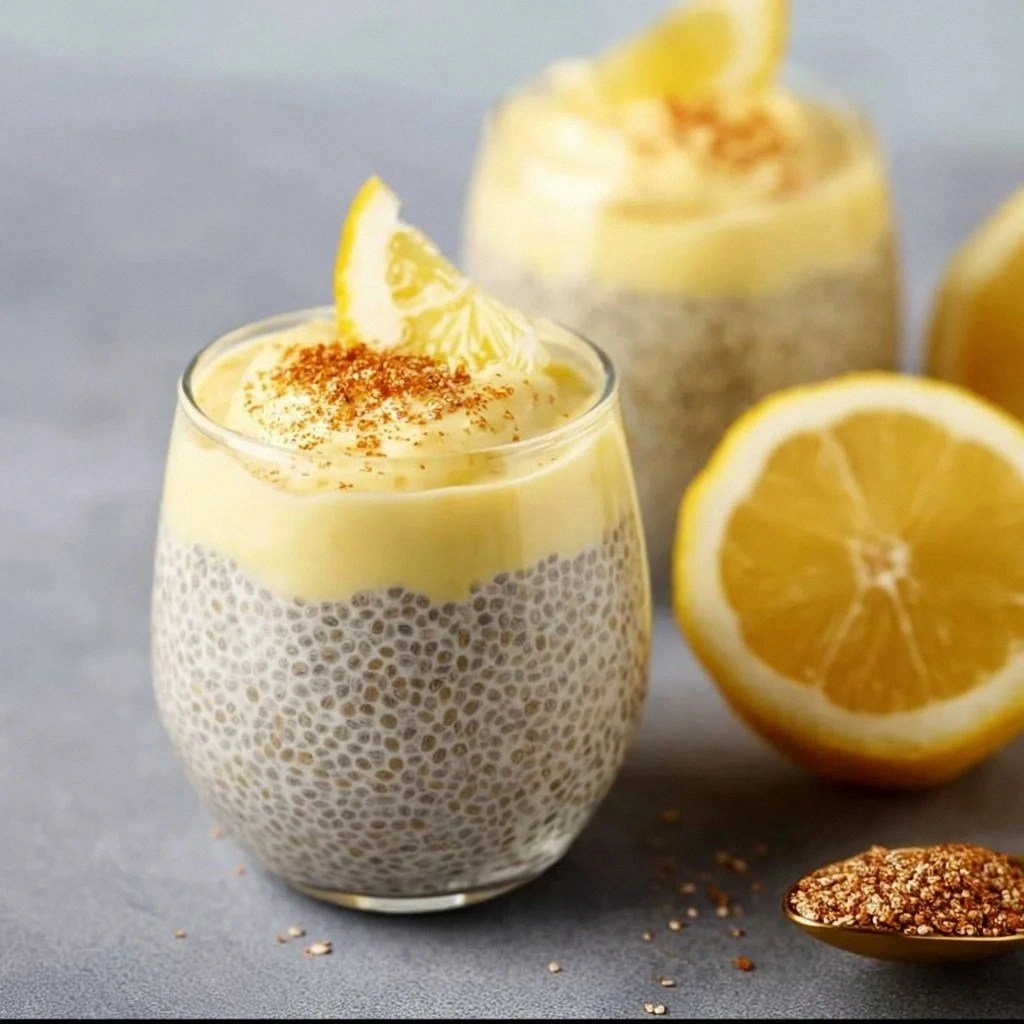
- Transfer the pudding into individual serving glasses or jars. Cover and refrigerate for at least 4 hours, preferably overnight, to allow the flavors to meld and the chia to fully set. The pudding will firm up into a luscious, custard‑like consistency. Watch Out: If you leave it too long, the chia may become overly gelatinous and lose that pleasant, pillowy feel.
- Just before serving, give the pudding a gentle stir to reincorporate any settled chia. Top with a sprinkle of fresh lemon zest, a drizzle of maple syrup, or a handful of toasted nuts for added crunch. The final touch should be a visual pop that signals the pudding is ready to devour.
- Serve immediately and enjoy the burst of citrus, the silky cashew cream, and the subtle spice of turmeric. Each spoonful is a refreshing, healthful delight that will leave you craving seconds. That sizzle when it hits the pan? Absolute perfection—though this dish is served cold, the texture will still feel like a gentle, satisfying hug.
That's it — you did it. But hold on, I've got a few more tricks that'll take this to another level…
Insider Tricks for Flawless Results
The Temperature Rule Nobody Follows
Keeping the oat milk at room temperature before blending ensures a smoother, more uniform texture. Cold milk can cause the cashew mixture to thicken too quickly, leading to a grainy finish. A quick 5‑minute wait at room temperature does the trick and guarantees a silky pudding.
Why Your Nose Knows Best
The aroma of freshly zested lemon can be a telltale sign that you’ve added enough zest. If the scent feels faint, you’re missing a key component that will otherwise make the pudding taste flat. Trust your nose—it’s a seasoned judge of flavor balance.
The 5‑Minute Rest That Changes Everything
After the chia seeds have soaked, give them a 5‑minute pause before adding the cashew cream. This brief rest allows the seeds to fully expand, ensuring they’re evenly distributed and prevent clumping. Skipping this step can leave you with uneven texture.
The Sweetness Scale
If you’re watching your sugar intake, replace the maple syrup with a natural low‑glycemic sweetener like stevia or monk fruit. The key is to maintain the same volume to preserve the pudding’s structure. Adjusting sweetness is simple—just taste as you go.
The Final Garnish Touch
A handful of toasted coconut flakes or crushed pistachios adds a delightful crunch that contrasts the silky pudding. The nuts’ nutty flavor complements the cashew base, while the coconut brings a tropical twist. Sprinkle them just before serving to keep their crunch intact.
Creative Twists and Variations
This recipe is a playground. Here are some of my favorite ways to switch things up:
Berry Burst
Swap the lemon zest for a handful of fresh blueberries or raspberries, and add a splash of vanilla yogurt for extra tang. The berries bring a natural sweetness and a pop of color that makes the pudding look as good as it tastes.
Citrus Swirl
Incorporate a swirl of orange marmalade into the cashew cream before folding it into the chia mixture. The orange adds a sweet, fragrant layer that complements the lemon while adding depth.
Chocolate‑Lemon Fusion
Add 2 tablespoons of unsweetened cocoa powder to the cashew blend for a chocolate‑lemon twist. The cocoa’s bitterness balances the citrus, creating a decadent yet refreshing dessert.
Spiced Pumpkin
During the fall, add 1 tablespoon of pumpkin puree and a pinch of cinnamon to the cashew mix. This gives the pudding a warm, seasonal flavor profile that pairs well with the bright lemon.
Tropical Paradise
Replace the oat milk with coconut milk and add a tablespoon of shredded coconut to the cashew base. The result is a creamy, tropical pudding that’s perfect for a beachside brunch.
Almond Crunch
Top the finished pudding with a sprinkle of toasted almond slivers and a drizzle of almond butter. The nutty crunch adds texture and a subtle almond flavor that pairs beautifully with the lemon.
Storing and Bringing It Back to Life
Fridge Storage
Store the pudding in airtight containers in the refrigerator for up to four days. The chia seeds will maintain their gel-like consistency, and the flavors will continue to meld. Before serving, give it a quick stir to re‑incorporate any settled chia.
Freezer Friendly
For longer storage, freeze the pudding in individual portions. It will keep for up to two weeks. Thaw overnight in the refrigerator and stir gently before serving. The texture remains silky, though you may need to add a splash of oat milk to restore its original consistency.
Best Reheating Method
If you prefer a warmer dessert, gently reheat the pudding in a saucepan over low heat, stirring constantly. Add a tiny splash of water or oat milk to keep it from drying out. Heat until just warmed through—overheating can cause the chia to become too gelatinous.