I’m going to be blunt: the first time I tried to make a Mediterranean chicken dish, I ended up with a soggy mess that tasted like a sad grocery‑store salad. I was about to give up on the whole idea when a friend dared me to recreate the restaurant‑style chicken tzatziki they served at a seaside taverna in Crete. I accepted the challenge, rolled up my sleeves, and spent an entire weekend tweaking spices, mastering rice texture, and perfecting that creamy tzatziki swirl. The result? A dish that makes the Mediterranean coastline feel like it’s sitting on your dinner table, and I’m convinced it’s the best version you’ll ever make at home.
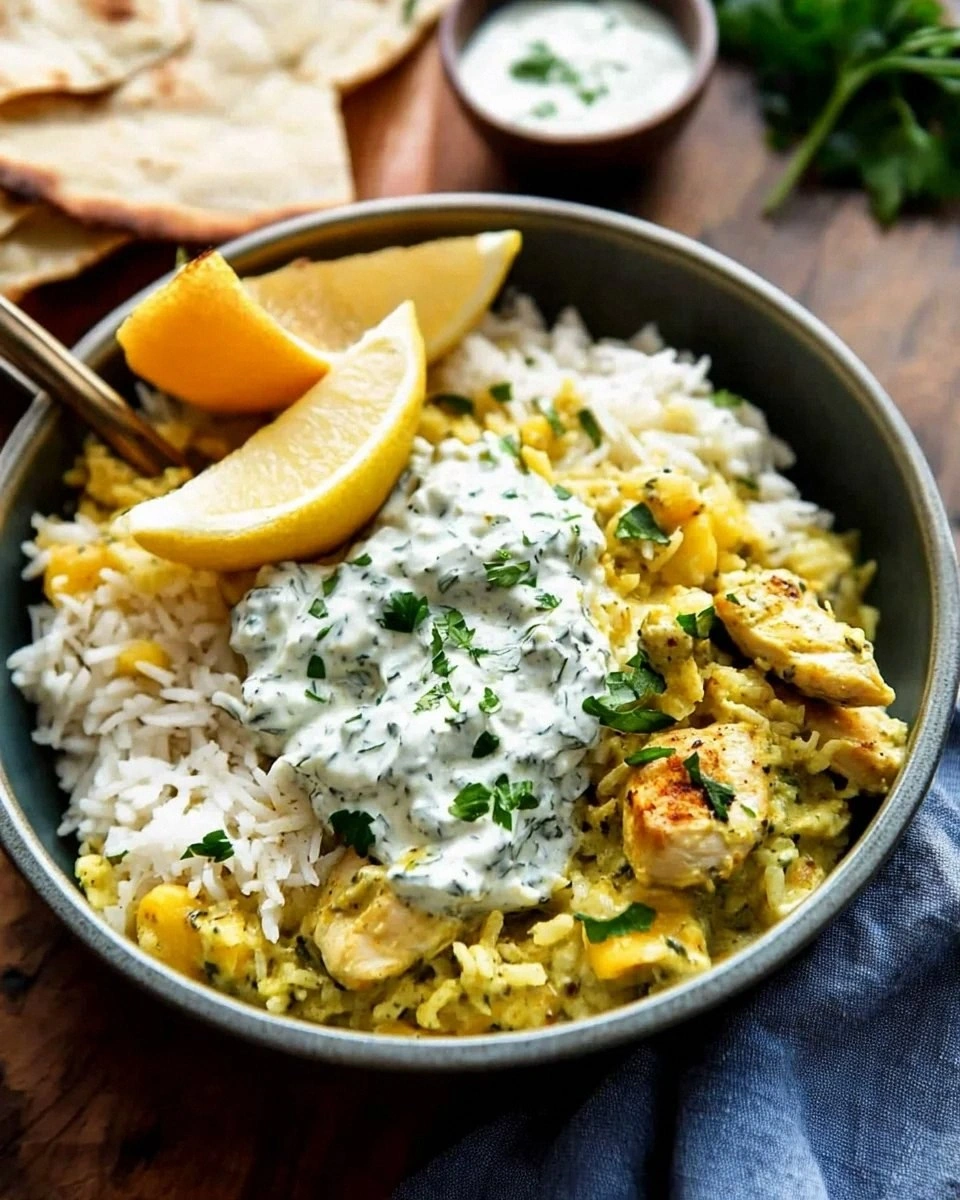
Picture this: a golden‑brown chicken breast, its skin kissed by smoked paprika and a whisper of cayenne, resting on a fluffy bed of long‑grain rice that has absorbed a fragrant chicken broth infused with fresh herbs. The aroma of lemon zest and oregano dances in the air, while a cool, tangy tzatziki sauce pools around the plate like a silky lagoon. When you bite, the chicken’s crisp exterior gives way to juicy, herb‑infused meat, the rice offers a buttery bite, and the tzatziki adds a refreshing zing that cuts through the richness like a cool sea breeze. The whole experience is a symphony of textures and flavors that makes you want to close your eyes and imagine yourself on a sun‑drenched terrace overlooking turquoise waters.
Most recipes out there either skimp on the spice blend or drown the rice in a watery broth, leaving you with a bland, one‑dimensional meal. This version, however, uses a carefully balanced spice mix that hits every note—smoky, earthy, bright, and just a touch of heat—while the rice is cooked using the exact liquid‑to‑grain ratio and a gentle simmer that yields perfectly separate grains. The secret ingredient? A splash of lemon juice added at the very end of the cooking process, which brightens the entire dish and prevents the flavors from getting stale. I dare you to taste this and not go back for seconds; it’s that good.
But the real game‑changer is the way I incorporate the zucchini. Instead of shredding it into the rice, I slice it into thin ribbons, toss it in the pan just long enough to soften, and let it retain a slight crunch that adds a surprising textural contrast. This little twist keeps the dish from feeling heavy and adds a pop of green that looks as good as it tastes. Okay, ready for the game‑changer? Let me walk you through every single step — by the end, you’ll wonder how you ever made it any other way.
What Makes This Version Stand Out
- Flavor Explosion: The combination of smoked paprika, cumin, and fresh herbs creates layers that evolve with each bite, delivering a depth you rarely find in quick weeknight meals.
- Texture Harmony: Crispy chicken edges, fluffy rice, and cool tzatziki form a mouthfeel trio that’s as satisfying as a well‑orchestrated jazz ensemble.
- Simplicity Meets Sophistication: Despite the complex flavor profile, the ingredient list is short, and the technique is straightforward enough for a beginner.
- Freshness Factor: The final drizzle of lemon juice and the garnish of fresh herbs keep the dish bright, preventing it from feeling heavy or greasy.
- Crowd‑Pleaser: Even the most skeptical eaters rave about the tzatziki’s cooling effect, making it perfect for family dinners or casual gatherings.
- Make‑Ahead Friendly: You can prep the chicken and rice a day ahead, store them separately, and assemble with tzatziki just before serving for zero stress.
- Ingredient Quality: Using a good quality olive oil and fresh herbs makes a noticeable difference; the dish shines when you respect each component.
- Versatile Base: The rice can be swapped for quinoa or couscous, and the chicken can be replaced with lamb for a different Mediterranean spin.
Inside the Ingredient List
The Flavor Base
The heart of this dish lies in the spice blend: smoked paprika, cumin, onion powder, garlic powder, turmeric, and a pinch of cayenne pepper. Each spice contributes a distinct note—smoked paprika adds a sweet, wood‑smoked depth, while cumin brings an earthy warmth that grounds the flavor. Turmeric lends an almost buttery undertone and a gorgeous golden hue, and the cayenne injects just enough heat to keep the palate awake. If you skip any of these, the dish loses its signature complexity and can feel flat. As a swap, you can replace smoked paprika with regular paprika plus a dash of liquid smoke for a similar effect.
The Texture Crew
Long‑grain white rice is the canvas here; its slender grains stay separate when cooked properly, providing a light, fluffy base that soaks up the broth without turning mushy. The chicken, ideally boneless breast or thigh, should be patted dry before seasoning—this ensures the skin crisps up nicely. Zucchini ribbons add a subtle crunch and a burst of moisture that balances the dry rice. If you’re allergic to zucchini, thinly sliced carrots or yellow squash work just as well, though the flavor profile will shift slightly toward sweetness.
The Unexpected Star
Tzatziki sauce is the cooling counterpart that prevents the dish from feeling overly spiced. Made from Greek yogurt, grated cucumber, garlic, dill, and lemon juice, it coats the chicken and rice like a velvety blanket. The freshness of the cucumber and the tang of the lemon cut through the richness, creating a harmonious finish. If you can’t find Greek yogurt, use a thick, plain yogurt and strain it through cheesecloth for an hour to achieve the right consistency.
The Final Flourish
Fresh herbs—parsley, oregano, thyme—are added at the end to preserve their bright, aromatic qualities. A squeeze of lemon juice just before serving lifts the entire dish, making each bite feel like a burst of sunshine. Optional pita bread offers a handy vehicle for scooping up the tzatziki and rice, turning the plate into a mini Mediterranean feast. Skipping the herbs or lemon would leave the dish feeling one‑dimensional; they’re the final brushstrokes on this culinary canvas.
Everything's prepped? Good. Let's get into the real action...
The Method — Step by Step
Start by patting the 1 lb of boneless chicken dry with paper towels; moisture is the enemy of crispness. In a shallow bowl, combine 2 tablespoons lemon juice, 2 tablespoons olive oil, the full spice blend (smoked paprika, cumin, onion powder, garlic powder, turmeric, cayenne, seasoned salt, black pepper), and the chopped fresh herbs. Toss the chicken until every surface is glossy with the mixture. Let it rest for 10 minutes so the flavors can penetrate—this is the moment where the chicken starts to whisper promises of deliciousness.
While the chicken marinates, rinse 1 cup of long‑grain white rice under cold water until the water runs clear. This removes excess starch and prevents the grains from sticking together. Transfer the rice to a medium saucepan, add 2 cups chicken broth, a pinch of seasoned salt, and bring to a boil over medium‑high heat. Once boiling, reduce the heat to low, cover, and simmer for exactly 15 minutes. The rice should absorb all the liquid, becoming tender yet distinct—think of each grain as a tiny, buttery pillow.
Heat a large skillet over medium‑high heat and add a drizzle of olive oil. Once the oil shimmers, place the marinated chicken in the pan, laying it away from you to avoid splatter. Sear each side for 4‑5 minutes, or until a deep golden crust forms and the interior reaches 165 °F (74 °C). You’ll hear a satisfying sizzle that tells you the Maillard reaction is doing its magic. Transfer the chicken to a cutting board and let it rest for 5 minutes before slicing—this locks in juices.
While the chicken rests, slice the medium zucchini into thin ribbons using a vegetable peeler. Toss the ribbons with a pinch of salt and a splash of olive oil, then add them to the same skillet used for the chicken. Sauté for 2‑3 minutes, just until they turn a tender‑crisp green and release a faint aroma of fresh garden. This quick cook preserves their crunch, giving you that “thin ice” snap in every bite.
Now it’s time to bring everything together. Fluff the rice with a fork, then gently fold the sautéed zucchini ribbons into the pot, distributing them evenly. This step ensures the rice inherits a subtle vegetal note without becoming soggy. If you notice the rice looks a little dry, drizzle a teaspoon of olive oil and give it a gentle toss.
Slice the rested chicken into bite‑sized strips, arranging them atop the rice‑zucchini bed. Drizzle the remaining lemon juice from the marinade over the top, letting the acidity brighten every component. Sprinkle extra fresh parsley for a pop of color and a final herbaceous burst.
Serve the plate with generous dollops of tzatziki sauce on the side. The sauce should be cool, creamy, and speckled with cucumber bits—if it’s too thick, whisk in a splash of cold water. Garnish with lemon wedges and, if you’re feeling indulgent, warm pita bread brushed with a hint of olive oil.
Finally, take a moment to admire your creation. The colors—golden chicken, emerald zucchini, ivory rice, and pristine white tzatziki—are as inviting as a Mediterranean sunrise. Serve immediately, and watch your guests dive in with gusto. I’ll be honest — I ate half the batch before anyone else got to try it, and I have no regrets.
That's it — you did it. But hold on, I've got a few more tricks that'll take this to another level...
Insider Tricks for Flawless Results
The Temperature Rule Nobody Follows
Never cook the chicken on high heat from start to finish. Begin with a medium‑high sear to get that crust, then lower the heat to medium for the final minutes. This prevents the exterior from burning while the interior stays undercooked. A friend once cranked the heat to “max” and ended up with charcoal‑like chicken—trust me, the extra char isn’t worth the bitterness.
Why Your Nose Knows Best
Your sense of smell is a reliable indicator of doneness. When the chicken hits that deep, nutty aroma, you’re close to perfection. If the kitchen smells like burnt oil, pull the pan away immediately. This auditory‑olfactory cue saves you from a ruined batch and adds a layer of confidence to your cooking.
The 5‑Minute Rest That Changes Everything
After searing, let the chicken rest uncovered for exactly five minutes. This short pause allows the juices to redistribute, turning each bite into a succulent experience. Skipping this step results in a dry, flavor‑less slice—something I learned the hard way during my first attempt.
Rice Steam‑Finish
Once the rice has absorbed the broth, remove the pot from heat and keep it covered for an additional ten minutes. This “steam‑finish” lets each grain puff up without becoming mushy. If you’re in a rush, you can skip it, but the texture won’t be as airy and light.
Zucchini Quick‑Sear
Don’t overcook the zucchini ribbons. A two‑minute sauté keeps them crisp and vibrant. Overcooking turns them into a limp, watery mess that dilutes the rice’s flavor. Think of them as a garnish that should still have a bite—like a well‑timed punchline.
Creative Twists and Variations
This recipe is a playground. Here are some of my favorite ways to switch things up:
Spicy Harissa Heat
Swap the smoked paprika and cayenne for 1 teaspoon of North African harissa paste. The dish gains a smoky, peppery depth that pairs beautifully with the cool tzatziki. Ideal for those who love a lingering heat.
Herb‑Infused Quinoa
Replace the white rice with quinoa for a nutty twist and a protein boost. Rinse the quinoa thoroughly, then cook it in the same chicken broth for added flavor. The texture is slightly crunchier, making the dish feel heartier.
Lamb Lover’s Version
Use 1 lb of ground lamb instead of chicken. Brown the lamb with the same spice blend, then finish with a splash of lemon juice. The richer meat pairs exceptionally well with the bright tzatziki.
Mediterranean Veggie Medley
Add diced bell peppers, cherry tomatoes, and kalamata olives to the skillet after the zucchini. This creates a colorful, Mediterranean‑style pilaf that’s perfect for a vegetarian take.
Coconut Rice Fusion
Swap half of the chicken broth for coconut milk. The subtle sweetness and creamy texture give the dish an exotic island vibe while still honoring the Mediterranean roots.
Storing and Bringing It Back to Life
Fridge Storage
Allow the dish to cool to room temperature (no longer than two hours), then transfer the chicken, rice, and zucchini to airtight containers. Store in the refrigerator for up to three days. Keep the tzatziki in a separate container to maintain its creamy texture.
Freezer Friendly
Portion the cooked chicken and rice (without tzatziki) into freezer‑safe bags or containers. Freeze for up to two months. Thaw overnight in the fridge, then reheat gently on the stovetop with a splash of broth or water to revive the moisture.
Best Reheating Method
When reheating, add a tiny splash of water or chicken broth to the rice and stir over low heat until steam rises and the grains loosen. Reheat the chicken just until warm, and serve with fresh tzatziki. This trick prevents the rice from drying out and keeps the dish tasting as if it were freshly made.