Picture this: a rainy Thursday, the kind where the clouds look like they’re brooding over your kitchen, and you’re stuck in a culinary limbo between frozen pizza and a sad bowl of instant noodles. I was halfway through a marathon of sitcom reruns when the urge for something warm, comforting, and undeniably impressive hit me like a plot twist. I opened the fridge, stared at the lonely chicken breast, a dusty jar of paprika, and a stubborn box of pasta, and thought, “Why not turn this disaster into a masterpiece?” That night, I dared myself to create a dish that would make even the most skeptical foodie whisper, “I dare you to taste this and not go back for seconds.” Spoiler: I failed that challenge spectacularly, but the result was worth every bite.
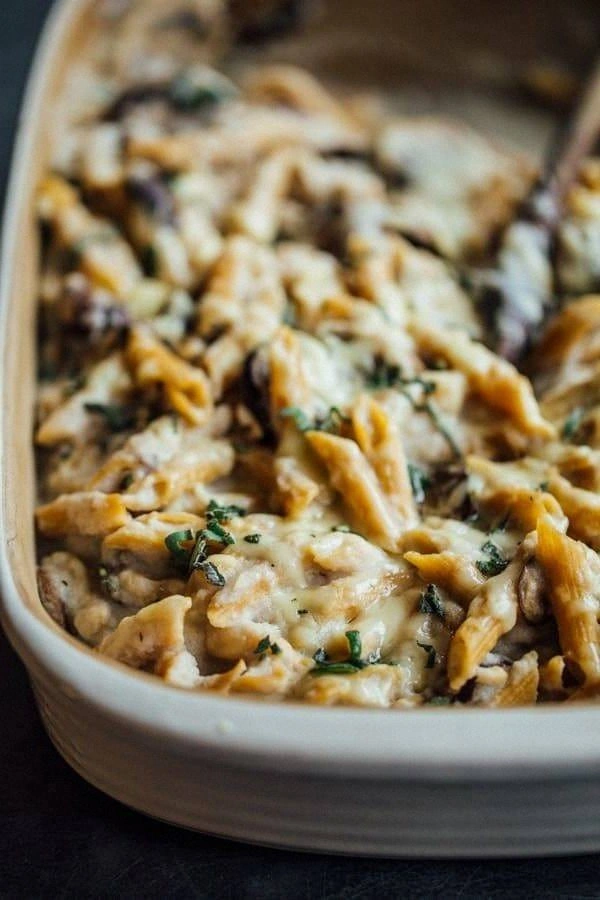
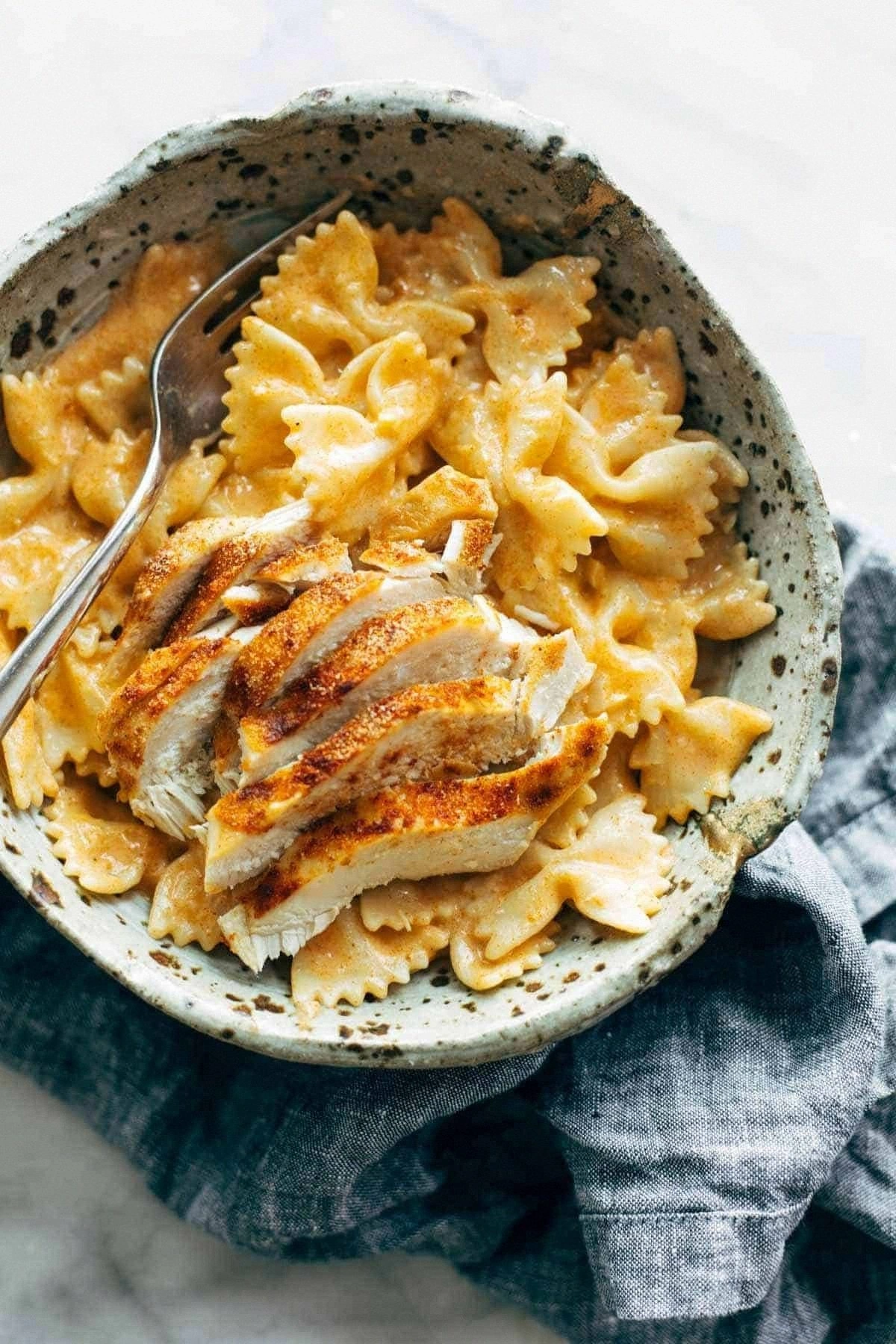
The moment the butter hit the pan, a buttery sizzle sang a symphony of anticipation that filled the whole apartment. The garlic hit that golden pool next, releasing an aromatic perfume that made my nose do a little happy dance, while the paprika dusted the surface like a sunset in a spice jar. As the chicken browned, its edges curled and cracked with a crisp that shivered like thin ice under a footstep, I could already taste the smoky, sweet, and buttery notes mingling together. When I finally tossed the al dente pasta into the pan, the sauce clung to each strand like a luxurious velvet cloak, coating it with a glossy sheen that begged for a forkful.
Most recipes get this completely wrong—they either drown the pasta in a watery broth or drown the chicken in a bland glaze. This version, however, balances the sauce’s richness with the lightness of a splash of white wine, and the creamy finish from heavy cream turns it into a silk‑smooth hug for every bite. The secret? A simple roux built with butter and flour that acts like a flavor‑locking bridge, plus a splash of chicken broth that adds depth without heaviness. I’ll also reveal a surprising technique involving a quick deglaze that injects a bright, almost citrusy pop you won’t see coming.
Okay, ready for the game‑changer? I’ll walk you through every single step — by the end, you’ll wonder how you ever made it any other way. Picture yourself pulling this out of the pan, the whole kitchen smelling incredible, steam rising like applause, and the first forkful delivering a perfect harmony of smoky paprika, juicy chicken, and creamy pasta. This is hands down the best version you’ll ever make at home, and I’m about to spill all the secrets.
What Makes This Version Stand Out
- Flavor Explosion: The combination of smoked paprika, garlic, and a splash of white wine creates layers that evolve with every bite, turning a simple dinner into a gourmet experience.
- Velvet Texture: The roux‑based sauce clings to the pasta like velvet, delivering a creamy mouthfeel without feeling heavy or greasy.
- Simplicity Meets Sophistication: Only a handful of pantry staples are needed, yet the technique feels restaurant‑grade, proving you don’t need a culinary degree to wow.
- Unexpected Brightness: The deglaze step adds a subtle acidity that lifts the dish, preventing it from becoming a one‑note, buttery swamp.
- Crowd‑Pleaser Factor: Even the pickiest eaters rave; the smoky paprika is bold but not overwhelming, making it a safe bet for family meals.
- Ingredient Quality Matters: Using fresh, free‑range chicken and high‑quality smoked paprika makes the difference between “good” and “oh‑my‑god‑this‑is‑amazing.”
- One‑Pan Efficiency: From searing the chicken to coating the pasta, everything happens in the same skillet, cutting down on dishes and keeping flavors locked in.
- Make‑Ahead Friendly: The sauce holds up beautifully for a day or two; just reheat gently with a splash of broth, and you’ve got a next‑day lunch that tastes freshly made.
Inside the Ingredient List
The Flavor Base
Butter (2 tablespoons): This is the foundation of your roux, providing richness and a nutty aroma once it browns slightly. Skipping butter means a thin, watery sauce that never clings. If you’re dairy‑free, try a high‑smoke‑point oil like avocado oil, but expect a different flavor profile.
Garlic (4 cloves): Crushed garlic releases allicin, the compound that gives that unmistakable punch. Too little and the sauce feels flat; too much and it can become bitter. If you love garlic, smash the cloves and let them brown gently for extra depth.
The Texture Crew
Flour (2 tablespoons): Flour combined with butter forms the roux, a thickening agent that transforms liquid into a silky sauce. Over‑cooking the flour makes it taste like cardboard, while under‑cooking leaves a raw flour bite. A quick whisk ensures a smooth, lump‑free base.
Dry White Wine (1/4 cup): The wine adds acidity and a subtle fruitiness that balances the smoky paprika. Use a dry variety; a sweet wine will tip the flavor toward cloying. If you don’t drink alcohol, replace with an equal amount of chicken broth plus a splash of lemon juice.
The Unexpected Star
Chicken Broth (1 1/2 cup): This is the liquid that carries the sauce, adding umami without overwhelming the palate. A low‑sodium broth lets you control the salt level better. Opt for homemade broth for the ultimate depth, but store‑bought works fine in a pinch.
The Final Flourish
Heavy Cream (1/4 cup): The cream finishes the sauce with a luxurious mouthfeel and rounds out the acidity from the wine. It also helps the sauce coat the pasta evenly. For a lighter version, substitute with half‑and‑half, but expect a thinner coating.
Everything's prepped? Good. Let's get into the real action…
The Method — Step by Step
Heat a large, heavy‑bottomed skillet over medium‑high heat and melt the 2 tablespoons of butter. Once it foams, add the 4 crushed garlic cloves. Listen for that sizzling pop—that sizzle when it hits the pan? Absolute perfection. Cook for about 30 seconds, stirring constantly so the garlic doesn’t burn, until it turns a fragrant golden brown.
Sprinkle in the 2 tablespoons of flour, whisking vigorously to form a smooth roux. Keep whisking for 2‑3 minutes; you’ll notice the mixture turning a pale caramel color and giving off a nutty scent. Watch out: If the roux darkens too quickly, lower the heat—burnt flour will ruin the sauce’s flavor.
Watch Out: Over‑whisking can incorporate too much air, making the sauce foamy later. Gentle, steady whisking is the key.Deglaze the pan with the 1/4 cup of dry white wine, scraping the browned bits from the bottom. You’ll hear a lively hiss as the wine evaporates, and the sauce will pick up a bright, slightly tangy note that cuts through the richness. Let it reduce by half, about 2 minutes, until it smells fragrant and the alcohol scent fades.
Kitchen Hack: Add a pinch of smoked sea salt at this stage to amplify the paprika’s smokiness without over‑salting.Stir in the 1 ½ cups of chicken broth, whisking until the mixture is smooth and begins to thicken. As the broth integrates, the sauce should start to shimmer, indicating it’s reaching the perfect consistency—think of a light gravy that still has the ability to coat a spoon.
Season the sauce with 1 ½ teaspoons of smoked paprika, ½ teaspoon of black pepper, and a pinch of sea salt. The paprika will infuse a deep, smoky hue that looks as good as it tastes. Taste at this point; if you crave a little more heat, a dash of cayenne won’t hurt.
Push the sauce to the side of the pan and add a drizzle of olive oil. Toss in bite‑size pieces of chicken breast (about 1 inch cubes) and sear them for 4‑5 minutes per side until they develop a golden crust and the interior reaches 165 °F. The chicken’s juices will mingle with the sauce, creating pockets of juicy flavor.
While the chicken cooks, bring a pot of salted water to a rolling boil. Add 12 ounces of your favorite pasta (penne or rigatoni work best) and cook al dente according to package instructions—usually 9‑11 minutes. Reserve ½ cup of pasta water before draining; you’ll use it to adjust the sauce’s thickness later.
Return the cooked pasta to the skillet, tossing it gently with the chicken and sauce. If the sauce looks too thick, pour in a splash of the reserved pasta water, a tablespoon at a time, until it glides beautifully over each noodle. Finally, swirl in the ¼ cup of heavy cream, stirring until the sauce becomes glossy and velvety. Let everything mingle for another minute, allowing the flavors to marry completely.
Turn off the heat, sprinkle freshly chopped parsley and a grating of Parmesan cheese over the top, and give one last gentle toss. Let the dish rest for two minutes—this pause lets the sauce settle and the flavors deepen. Serve immediately, and watch as the steam carries that intoxicating aroma of smoked paprika and buttery cream throughout the room.
That's it — you did it. But hold on, I've got a few more tricks that'll take this to another level…
Insider Tricks for Flawless Results
The Temperature Rule Nobody Follows
Never start the roux on high heat. A moderate flame gives you control, preventing the flour from scorching. I once cranked the heat up to “max” and ended up with a bitter, burnt base that ruined the entire batch. Keep it steady, and the sauce will develop that buttery, nutty aroma we all love.
Why Your Nose Knows Best
When the paprika hits the pan, the scent will change from sweet to smoky within seconds. Trust that nose cue; if you smell a faint “burnt” note, the spice is overcooking. Remove the pan from heat for a few seconds, give it a quick stir, and the aroma will reset.
The 5‑Minute Rest That Changes Everything
After mixing the pasta with the sauce, let it sit off the heat for exactly five minutes. This short rest lets the starches in the pasta release a bit more gelatin, thickening the sauce naturally. The result? A clingier coating that feels like the pasta is hugging the sauce.
Chicken Prep Like a Pro
Pat the chicken pieces dry with paper towels before seasoning. Moisture creates steam, which prevents that coveted golden crust. A quick dusting of flour (just enough to coat) before searing also helps achieve a crisp exterior.
Finishing with Fresh Herbs
Adding parsley at the end preserves its bright, peppery flavor. If you add it too early, the heat wilts the herb, turning it soggy. A sprinkle of fresh basil works too, offering a sweet contrast to the smoky paprika.
Creative Twists and Variations
This recipe is a playground. Here are some of my favorite ways to switch things up:
Spicy Chipotle Kick
Swap half the smoked paprika for chipotle powder and add a minced chipotle pepper in adobo sauce. The result is a smoky heat that makes the dish perfect for chilly evenings.
Creamy Mushroom Medley
Introduce sliced cremini mushrooms after searing the chicken. Their earthy flavor melds beautifully with the paprika, and the extra moisture helps create an even richer sauce.
Southern Comfort
Replace the chicken broth with a splash of buttermilk and add a pinch of dried thyme. This gives the dish a tangy, Southern‑style twist that pairs wonderfully with cornbread.
Vegan Version
Use firm tofu cubes, substitute butter with olive oil, and swap heavy cream for coconut cream. The smoky paprika still shines, and the dish stays creamy without any animal products.
One‑Pot Pasta
After searing the chicken, add the uncooked pasta directly to the pan with the broth and let it cook together. This reduces cleanup and lets the pasta absorb even more flavor from the sauce.
Storing and Bringing It Back to Life
Fridge Storage
Transfer leftovers to an airtight container and refrigerate for up to 3 days. When reheating, add a splash of chicken broth or water before microwaving or gently warming on the stove; this revives the sauce’s silkiness.
Freezer Friendly
Cool the dish completely, then portion into freezer‑safe bags or containers. Freeze for up to 2 months. Thaw overnight in the fridge, then reheat on low heat, stirring in a bit of cream to restore the richness.
Best Reheating Method
The stovetop method wins: place the pasta in a skillet over low heat, add ¼ cup of water or broth, and stir constantly until the sauce loosens and coats the noodles again. This prevents the pasta from drying out and keeps the texture perfect.