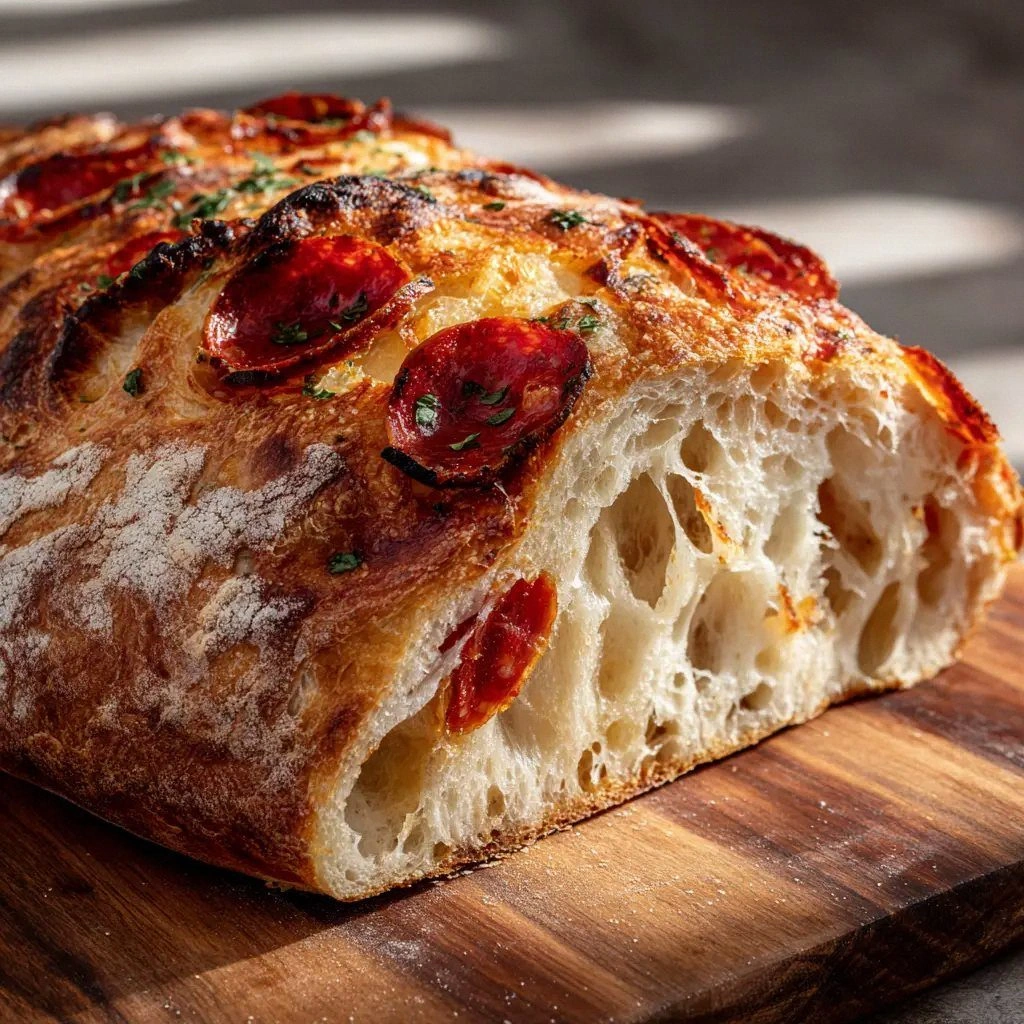
It started with a kitchen calamity that would forever change my pizza game. I had tried every store‑bought dough, every fancy mix, and every online “quick” recipe, but none of them delivered the crispy, chewy, melty experience that makes a slice feel like a hug. One night, after a long day at work, I stared at the stale loaf in the back of my fridge and thought, “Why not turn this into something that tastes like a pizza, but with the depth of sourdough?” The result was a revelation: a pizza‑sourdough hybrid that feels like a warm blanket and a sizzling skillet rolled into one.
Picture this: the dough rises with a gentle, almost lazy rhythm, the air thick with the tang of fermented wheat. When you pull the first sheet from the oven, steam curls like a cloud of savory perfume, and the crust shatters at the edges with a satisfying crack that echoes the crunch of a fresh pepperoni slice. The cheese melts into a golden, bubbly blanket that clings to every bite, while the herbs whisper their aromatic secrets. It’s a sensory symphony—your ears catch the crackle, your nose smells the caramelized onions, your fingers feel the soft dough, and the first bite delivers a burst of umami that lingers like a secret.
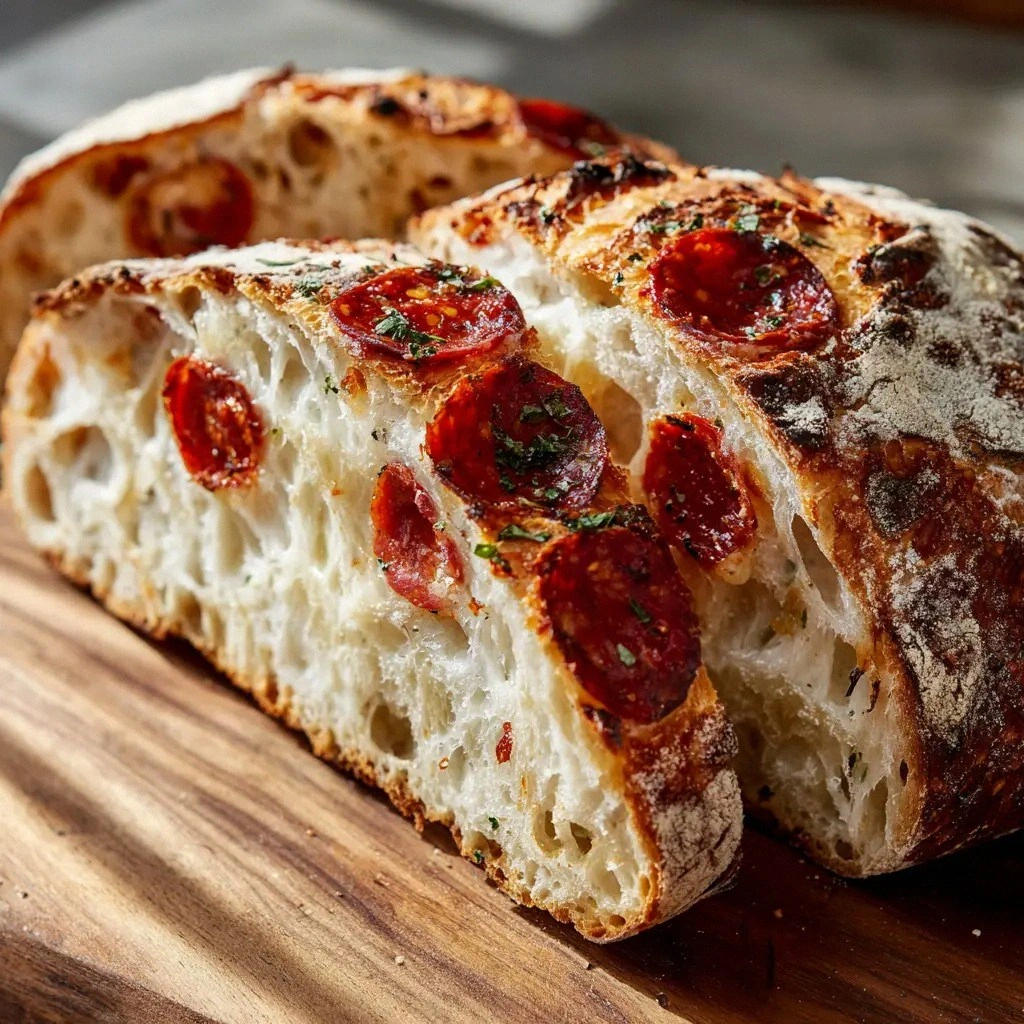
Most pizza‑bread attempts miss the mark by either being too dense or too airy, but this version balances both. The sourdough starter gives it a subtle tang that pairs perfectly with salty pepperoni, while the rice flour keeps the crumb tender without sacrificing structure. I dare you to taste this and not go back for seconds, because once you bite, you’ll know you’ve reached the pinnacle of pizza‑bread fusion. The final product is a crust that’s crisp on the outside and chewy on the inside, a cheese that’s gooey yet not greasy, and a pepperoni that’s perfectly caramelized—hands down the best version you’ll ever make at home.
If you’ve ever struggled to get a pizza crust that doesn’t turn out soggy or too doughy, you’re not alone. I’ve spent years experimenting with ratios, temperatures, and techniques, and this recipe is the culmination of that trial and error. It’s simple enough for beginners, yet sophisticated enough to impress your friends. And the best part? You can make it a few hours ahead of time, letting the dough rise slowly in the fridge, which actually enhances the flavor profile. Picture yourself pulling this out of the oven, the whole kitchen smelling incredible, and the first slice melting on your tongue like a dream.
Let me walk you through every single step—by the end, you’ll wonder how you ever made it any other way. From the precise timing of the starter to the final bake, each moment is crafted to bring out the best in every ingredient. Stay with me here—this is worth it, and the payoff is a slice that will become your new favorite comfort food. And if you’re ready to elevate your pizza game, keep reading; the next part? Pure magic.
What Makes This Version Stand Out
- Tangy Depth: The sourdough starter introduces a complex, slightly acidic flavor that elevates the pepperoni’s richness. This subtle bite creates a contrast that makes each mouthful exciting. Without it, the pizza would feel flat and one‑dimensional.
- Texture Harmony: Combining bread flour with rice flour gives the dough a chewy interior and a crisp, crackling crust. The rice flour also helps trap moisture, keeping the crumb tender. The result is a bread that feels like a pizza crust but with a bakery‑quality bite.
- All‑Day Freshness: The dough’s slow fermentation allows it to stay fresh longer, even after being sliced. The natural yeast keeps it from drying out quickly, so you can enjoy a slice hours later. This makes it perfect for brunch, dinner, or a late‑night snack.
- Easy Make‑Ahead: You can prepare the dough a day in advance, refrigerate, and bake it when you’re ready. The flavors develop over time, and the dough becomes easier to handle. It’s a game‑changer for busy weeknights.
- Customizable Toppings: While pepperoni is the star, the base is so versatile that you can swap in any cured meat, veggies, or even a pesto spread. The dough’s neutral profile accepts any flavor profile, making it a canvas for creativity.
- Balanced Nutrition: With a moderate protein content from the flour and cheese, this bread satisfies without being overly heavy. The use of low‑moisture mozzarella reduces excess fat while still delivering a gooey melt.
- Chef‑Level Finish: The final bake achieves a golden‑brown crust that’s almost caramelized. The cheese bubbles into a glossy sheen, and the pepperoni edges crisp into a delightful crunch. It looks as good as it tastes.
Inside the Ingredient List
The Flavor Base
At the heart of this recipe lies the sourdough starter, the unsung hero that gives the bread its distinctive tang. It’s not just a flavor enhancer; it also improves the dough’s structure, allowing it to rise evenly and hold the toppings in place. If you skip the starter, you’ll end up with a flat, bland loaf that lacks the complex depth this dish requires. For those new to sourdough, a ready‑made starter can be found online or in specialty stores, but the best results come from a well‑fed, active starter that’s been fed for at least 24 hours before use.
The Hydration Engine
Filtered water is used to avoid chlorine and other chemicals that can inhibit yeast activity. The water’s temperature—ideally between 80°F and 85°F—activates the starter without killing the yeast. Maintaining consistent hydration is crucial; too dry and the dough will be tough, too wet and it will be sticky and hard to shape. If you don’t have filtered water, tap water that has been left to sit for 24 hours will work fine.
The Texture Crew
Bread flour provides the necessary gluten structure, giving the dough its chewy bite and sturdy crust. The rice flour, on the other hand, keeps the crumb tender and prevents the dough from becoming too dense. The fine sea salt not only seasons the dough but also strengthens the gluten network, ensuring a uniform rise. If you’re allergic to gluten, consider swapping the bread flour for a high‑protein gluten‑free blend, but be prepared for a slightly different texture.
The Unexpected Star
Low‑moisture mozzarella is the star of the cheese lineup. It melts beautifully without releasing excess water, preventing the bread from becoming soggy. The dried Italian herbs add a burst of aromatic flavor that complements the pepperoni’s saltiness. The pepperoni itself is the classic pizza topping, but its thickness and oil content can be adjusted based on your preference. If you prefer a spicier kick, add a pinch of crushed red pepper flakes to the topping mix.
Everything’s prepped? Good. Let’s get into the real action.
The Method — Step by Step
- In a large mixing bowl, combine the 1/2 cup of active sourdough starter with 1 1/2 cups of filtered water. Stir until the starter is fully dissolved and the mixture is smooth. This step activates the yeast and sets the stage for a good rise. Feel the mixture’s slight resistance as the starter begins to bubble, signaling that the fermentation is underway.
- Add 3 1/2 cups of bread flour and 2 teaspoons of fine sea salt to the liquid mixture. Use a wooden spoon or your hand to bring the dough together until it forms a shaggy mass. The salt will start to bind the gluten strands, creating a stronger network. Don’t worry if it’s a bit sticky; that’s part of the process.
- Transfer the dough onto a lightly floured surface and begin kneading. Knead for about 8–10 minutes until the dough is smooth, elastic, and no longer sticky. This develops the gluten structure needed for a chewy crumb. If the dough feels too dry, sprinkle a teaspoon of rice flour to keep it from sticking.
- Place the dough in a lightly oiled bowl, cover, and let it bulk ferment for 3–4 hours at room temperature. During this time, the dough will rise and develop flavor. You’ll notice it doubling in size and the surface will have small bubbles forming. If your kitchen is cooler, you can extend the fermentation to 6 hours for a deeper flavor.
- After bulk fermentation, punch the dough down gently to release excess gas. Divide it into four equal portions. Shape each portion into a tight ball by folding the edges inward. This step ensures even baking and a consistent crust.
- Preheat your oven to 475°F (245°C) with a pizza stone or a heavy baking sheet inside. While the oven heats, roll each dough ball into a flat disc, about 12 inches in diameter. The dough should be thin enough to allow the cheese and pepperoni to melt through but thick enough to hold its shape.
- Place a generous layer of low‑moisture mozzarella on each disc, leaving a small border. Arrange 3/4 cup of sliced pepperoni over the cheese, making sure each slice is slightly overlapping for even coverage. Sprinkle 1 tablespoon of dried Italian herbs and a pinch of salt over the top. This layering creates a flavor explosion that’s both comforting and bold.
- Slide the prepared pizza onto the preheated stone or baking sheet. Bake for 12–15 minutes, or until the crust turns a deep golden brown and the cheese is bubbling and slightly browned. The edges should start pulling away from the pan, indicating a crisp finish. If you prefer a crispier crust, bake an additional 2 minutes.
- Remove the pizza from the oven and let it rest for 3 minutes before slicing. This allows the cheese to set slightly, preventing it from sliding off the slice. While it rests, the steam will condense into a pleasant, fragrant mist that signals the pizza is ready to devour. Slice, serve, and enjoy the perfect balance of crust, cheese, and pepperoni.
That’s it — you did it. But hold on, I've got a few more tricks that'll take this to another level.
Insider Tricks for Flawless Results
The Temperature Rule Nobody Follows
Many bakers bake at a standard 450°F, but this recipe thrives at a slightly higher 475°F. The extra heat crisps the crust faster, preventing the cheese from soaking into the dough. If your oven runs hot, lower the temperature by 25°F to avoid burning the edges. Always preheat the stone or pan for at least 30 minutes to ensure even heat distribution.
Why Your Nose Knows Best
During the bulk fermentation, trust your nose over the clock. When the dough emits a sweet, yeasty aroma with a hint of sourness, it’s ready. If it still smells like plain flour, give it another hour. This olfactory cue ensures you’re not under or over-fermenting, which can affect both flavor and texture.
The 5‑Minute Rest That Changes Everything
After shaping the dough into discs, let them rest for exactly 5 minutes before adding toppings. This short rest relaxes the gluten, making the dough easier to stretch and preventing it from springing back. It also allows the surface to dry slightly, which helps the toppings adhere better.
Use a Pizza Peel for a Smooth Slide
A pizza peel is a game‑changer for moving the pizza onto the hot stone. Dust it lightly with rice flour to avoid sticking. If you don’t have a peel, a large cutting board works, but you’ll need to be careful to keep the pizza flat during transfer.
Finish with a Drizzle of Olive Oil
Right after baking, drizzle a thin stream of extra‑virgin olive oil over the hot pizza. This not only adds a glossy sheen but also balances the saltiness of the pepperoni. A few drops of lemon zest can add a bright, citrusy note that cuts through the richness.
Creative Twists and Variations
This recipe is a playground. Here are some of my favorite ways to switch things up:
Smoky BBQ Chicken
Swap pepperoni for shredded smoked chicken tossed in BBQ sauce. Add a sprinkle of cheddar cheese and a dash of smoked paprika for an extra kick. This variation turns the pizza into a hearty, savory treat that’s perfect for summer barbecues.
Veggie Garden Delight
Replace the pepperoni with roasted bell peppers, zucchini, and mushrooms. Use a blend of mozzarella and provolone for a richer melt. Finish with fresh basil leaves after baking for a burst of herbal freshness.
Spicy Jalapeño & Pepperoni
Keep the pepperoni but add sliced fresh jalapeños and a sprinkle of crushed red pepper flakes. The heat pairs wonderfully with the tangy cheese, creating a fiery, satisfying bite. Serve with a side of cool yogurt dip to balance the spice.
White Garlic & Herb
Omit the pepperoni entirely and spread a thin layer of garlic-infused olive oil over the dough. Top with a mix of mozzarella and goat cheese, then sprinkle with chopped rosemary and thyme. This variation offers a sophisticated, aromatic flavor profile.
Breakfast Breakfast
Use breakfast sausage slices instead of pepperoni, and add a handful of shredded cheddar cheese. Sprinkle with a pinch of dried oregano and serve with a side of fresh fruit. It’s a unique breakfast pizza that’s both comforting and energizing.
Cheese Lover’s Dream
Load the pizza with a variety of cheeses: mozzarella, cheddar, parmesan, and a touch of blue cheese. Add a drizzle of honey after baking for a sweet contrast. This indulgent version is perfect for cheese enthusiasts looking for a decadent treat.
Storing and Bringing It Back to Life
Fridge Storage
Wrap the cooled pizza slices tightly in plastic wrap and place them in an airtight container. Store in the refrigerator for up to 3 days. When ready to eat, reheat in a preheated oven at 350°F for 10 minutes to restore crispness.
Freezer Friendly
Freeze individual slices on a parchment‑lined tray for 1–2 hours, then transfer to a freezer bag. This method prevents clumping and makes it easy to thaw one slice at a time. Thaw overnight in the refrigerator and reheat as described above.
Best Reheating Method
To revive the crust’s crunch, place the frozen or refrigerated slice on a baking sheet and bake at 400°F for 8–10 minutes. For a quick microwave fix, wrap the slice in a damp paper towel and heat for 45 seconds, but the oven will always give you the best texture. Add a tiny splash of water before reheating to create steam, which helps the cheese re‑melt evenly.