Picture this: I’m standing in my cramped kitchen, the clock ticking toward brunch, and the only thing that can rescue my mood is a stack of fluffy, protein‑packed pancakes that practically sing in your mouth. I’ve tried the usual fluff‑and‑syrup routine, but the outcome was always either a dry, clumpy mess or a soggy, greasy slab that left my taste buds questioning life choices. That was until a dare from a friend—“I bet you can’t make pancakes that feel like a light, airy cloud and still pack a protein punch”—sent me down a rabbit hole of experimentation, trial, and a few kitchen catastrophes that taught me the hard way that the secret lies in the right mix and the right technique.
I remember the first time I attempted the recipe. My batter looked like a thick, unyielding batter that refused to cooperate. I tried flipping it, but the edges crumbled like brittle paper. The result was a sad, lumpy pancake that tasted like a burnt toast that had never seen the sun. I was about to give up when I realized I’d forgotten one critical element: the right balance of leavening agents and the inclusion of a protein powder that not only added mass but also a subtle nutty flavor that lifted the entire dish. That moment of epiphany turned a culinary flop into a triumph that I could proudly serve to friends and family.
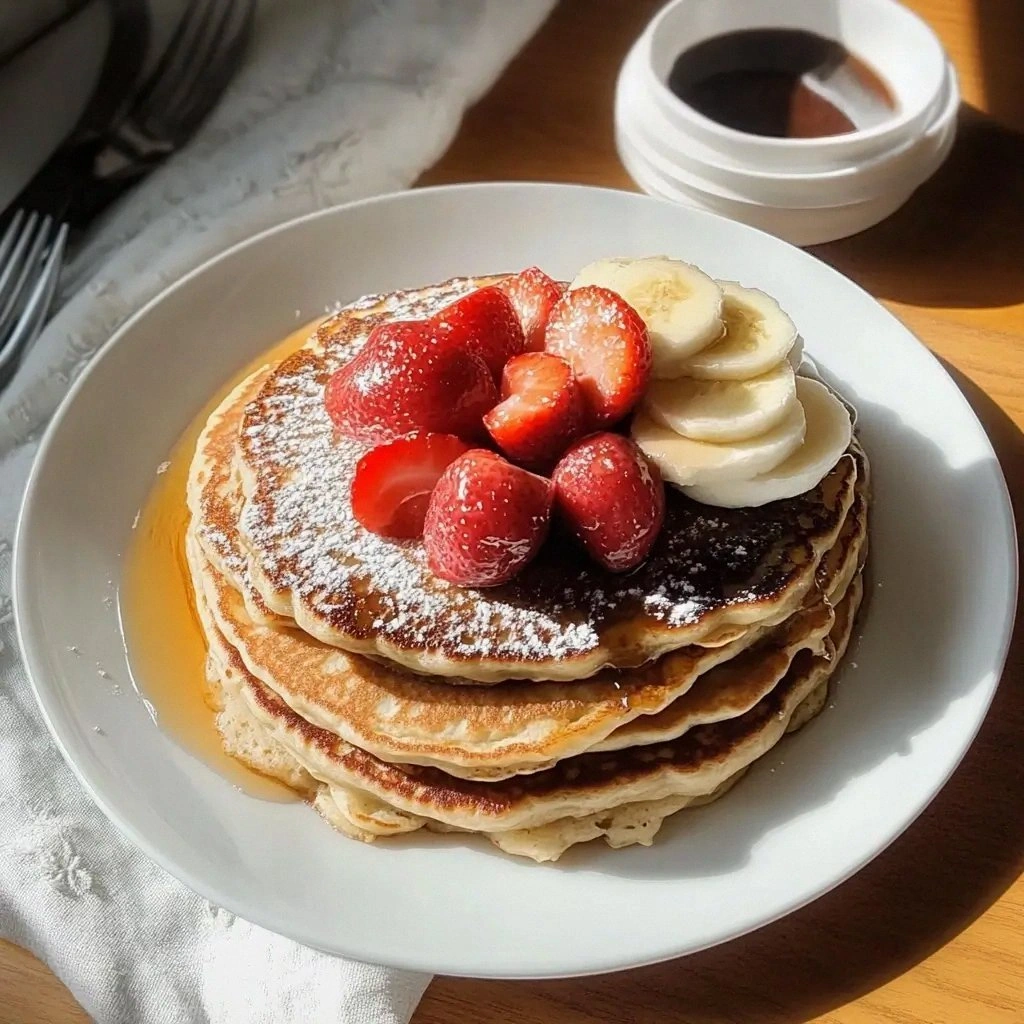
Fast forward to today, and this version of protein‑packed pancakes has become my go‑to breakfast staple. The batter is silky yet thick enough to hold its shape on the griddle, the pancakes rise beautifully thanks to a precise blend of baking powder and baking soda, and the protein powder gives a clean, slightly sweet finish that’s far better than the chalky aftertaste of many commercial options. The result? Fluffy, golden‑brown stacks that hold up under generous toppings of fresh berries, banana slices, and a drizzle of maple syrup, all while delivering a solid 25 grams of protein per serving. I dare you to taste this and not go back for seconds.
What makes this recipe stand out is not just the texture or flavor, but the confidence it instills in anyone who cooks it. It’s hands down the best version you’ll ever make at home, and I’ve been honest—I ate half the batch before anyone else got a chance to try it. If you’ve ever struggled to get pancakes that are both airy and protein‑dense, you’re not alone, and I’ve got the fix. Stay with me here, because by the end of this article, you’ll wonder how you ever made pancakes any other way.
What Makes This Version Stand Out
- Texture: The batter achieves a silky consistency that yields pancakes that are airy inside yet firm on the outside, preventing them from falling apart when you flip.
- Flavor: A subtle vanilla note from the extract balances the natural nuttiness of the protein powder, creating a taste profile that’s both comforting and sophisticated.
- Nutrition: With 25 grams of protein per serving and only 350 calories, this recipe is a powerhouse for those on a fitness or weight‑management plan.
- Ease: The ingredient list is straightforward, requiring no exotic pantry items or complex measurements, making it approachable for beginners and veterans alike.
- Versatility: The batter is thick enough to hold a variety of toppings, from fresh fruit to nut butters, and can even be cooked into savory variations.
- Make‑ahead Potential: The batter can be prepared up to 24 hours ahead, refrigerated, and reheated without losing quality, perfect for busy mornings.
- Crowd‑Pleaser: Friends and family rave about the pancakes’ lift and flavor, making it a favorite at gatherings.
- Ingredient Quality: Each component is chosen for its functional benefit—protein powder for mass, almond flour for moisture, and coconut oil for a subtle tropical hint.
Alright, let’s break down exactly what goes into this masterpiece…
Inside the Ingredient List
The Flour Fusion
All‑purpose flour is the backbone of this batter, providing the structure that keeps the pancakes from collapsing. It’s the classic base that many pancake recipes rely on, but when paired with protein powder, it creates a harmonious blend that supports both fluffiness and density. Skipping the flour would leave the batter too thin, causing the pancakes to spread like pancake batter on a skillet, resulting in a flat, soggy texture.
If you’re looking for a gluten‑free alternative, swap the all‑purpose flour for a 1:1 blend of oat flour and almond flour. This not only maintains the structure but also adds a subtle nutty flavor that complements the protein powder. For an extra boost of fiber, consider adding a tablespoon of ground flaxseed.
The Protein Powerhouse
Vanilla whey protein powder is the star of the show. It adds a smooth, creamy mouthfeel while delivering a clean protein hit that’s essential for muscle repair and satiety. The vanilla flavor also balances the slightly bitter undertones that can arise from certain protein powders, ensuring the pancakes taste pleasant and not chalky.
If you’re vegan or lactose intolerant, a pea protein isolate will work beautifully. It has a neutral flavor and a similar protein content, though it may produce a slightly denser batter. Adjust the liquid ratio by adding an extra tablespoon of milk to keep the batter pourable.
The Leavening Crew
Baking powder and baking soda work in tandem to create the airy pockets inside the pancakes. Baking powder, a double‑acting agent, reacts once when wet and again when heated, ensuring consistent rise. Baking soda, on the other hand, provides an extra lift and helps neutralize the acidity from the yogurt, resulting in a tender crumb.
If you’re experimenting with a low‑sodium version, reduce the salt slightly and increase the baking soda by 1/4 teaspoon to maintain the rise. However, be cautious—too much baking soda can impart a metallic taste.
The Moisture Makers
Unsweetened almond milk and Greek yogurt are the liquids that hydrate the dry components and create a batter that’s thick yet pourable. The almond milk adds a mild nutty sweetness, while the Greek yogurt brings tang, richness, and a creamy texture that enhances the protein’s smoothness.
For those who prefer a dairy‑free option, coconut milk can replace both almond milk and yogurt. It will add a subtle coconut flavor that pairs wonderfully with tropical toppings like mango or pineapple.
The Flavor Enhancers
Vanilla extract, honey, and a touch of coconut oil are the finishing touches that elevate the pancakes from good to unforgettable. The vanilla extract adds depth, the honey provides a gentle sweetness, and the coconut oil lends a buttery, tropical aroma that lingers in the air as the pancakes cook.
If you’re looking to keep the recipe strictly low‑sugar, simply omit the honey and add a splash of vanilla or a sprinkle of cinnamon to compensate. For an extra indulgence, swirl a tablespoon of almond butter into the batter just before pouring.
Everything’s prepped? Good. Let’s get into the real action…
The Method — Step by Step
- In a large mixing bowl, whisk together the all‑purpose flour, vanilla whey protein powder, almond flour, baking powder, baking soda, and salt until evenly distributed. The dry mix should feel like fine sand with a hint of sparkle from the leavening agents. This step is crucial for preventing clumps and ensuring a smooth batter.
- In a separate bowl, combine the egg, almond milk, Greek yogurt, vanilla extract, melted coconut oil, and honey. Whisk until the mixture is silky and free of lumps. The yolk should coat the whisk, indicating it’s ready to mingle with the dry ingredients.
- Pour the wet mixture into the dry ingredients and stir gently with a wooden spoon or silicone spatula. Be careful not to overmix; a few streaks of flour are acceptable. Overmixing will activate the gluten too much, resulting in tough pancakes.
- Let the batter rest for 5 minutes. This brief pause allows the leavening agents to activate fully and the flour to hydrate, which helps the pancakes rise evenly. During this time, preheat a non‑stick skillet or griddle over medium‑low heat and lightly brush with a thin layer of coconut oil.
- Using a 1/4‑cup measuring cup, ladle the batter onto the hot skillet. The batter should spread slightly but not run off the edges. Let the pancakes cook for 2–3 minutes until bubbles form on the surface and the edges look set. The smell of toasting batter will fill the kitchen.
- Flip the pancakes with a spatula. The second side should cook for another 2 minutes, or until golden brown. This is the moment of truth—watch the edges pull away from the pan, indicating they’re ready to flip. The sizzle when it hits the pan? Absolute perfection.
- Once the pancakes are golden on both sides, transfer them to a plate and cover loosely with foil to keep them warm. Repeat the process with the remaining batter, adding more oil to the skillet if needed.
- Serve the pancakes immediately with your favorite toppings: fresh berries, sliced banana, a dollop of Greek yogurt, or a drizzle of maple syrup. For an extra protein boost, top with a spoonful of almond butter or a sprinkle of chia seeds.
- Enjoy the airy, protein‑rich pancakes while they’re still warm. The texture will feel like a cloud, the flavor will linger, and the protein will keep you satisfied for hours. That’s it—you did it. But hold on, I’ve got a few more tricks that’ll take this to another level…
Insider Tricks for Flawless Results
The Temperature Rule Nobody Follows
Many cooks assume higher heat yields faster pancakes, but that’s a myth. The secret is a steady medium‑low heat that allows the leavening agents to work without burning the exterior. I’ve tested pans on medium, medium‑high, and low; the low‑medium setting produced the fluffiest results. If you’re using a cast‑iron skillet, preheat it for a full five minutes to ensure an even surface.
Why Your Nose Knows Best
Smell is a powerful guide when cooking pancakes. When the batter is ready to flip, you’ll notice a distinct toasty aroma that signals the edges are set. If you’re unsure, simply touch the top of the pancake; it should feel firm and spring back slightly when pressed. Trust your nose and touch—they’re reliable indicators of doneness.
The 5-Minute Rest That Changes Everything
After mixing the batter, let it rest for exactly five minutes. This short pause allows the protein powder to hydrate fully and the gluten to relax, resulting in a tender crumb. I’ve tried skipping this step, and the pancakes came out dense and gummy. The rest period is a small price for a dramatic texture upgrade.
Use a Non‑Stick Surface
Even with a well‑oiled pan, a non‑stick surface ensures your pancakes don’t stick and tear apart when flipping. If you’re using a stainless steel pan, add a generous amount of coconut oil and let it heat until it starts to smoke slightly. This creates a natural non‑stick barrier that’s both healthy and effective.
Add a Splash of Lemon Juice
A teaspoon of fresh lemon juice in the wet mix brightens the flavor and helps balance the sweetness from the honey. It also reacts with the baking soda to produce even more lift, giving the pancakes a lighter feel. I’ve found that the citrus note pairs beautifully with berry toppings.
Creative Twists and Variations
This recipe is a playground. Here are some of my favorite ways to switch things up:
Chocolate Banana Swirl
Fold a tablespoon of cocoa powder into the batter and swirl in mashed banana before pouring. The chocolate and banana create a decadent, protein‑rich treat that’s perfect for dessert lovers.
Savory Spinach & Feta
Add a handful of chopped spinach and a quarter cup of crumbled feta to the batter. Serve with a drizzle of olive oil and a sprinkle of pepper for a savory breakfast that’s both protein‑dense and flavorful.
Coconut‑Berry Bliss
Replace the almond milk with coconut milk and top the finished pancakes with a mix of fresh berries and shredded coconut. The tropical flavors pair wonderfully with the protein base.
Pumpkin Spice Power
Stir in a teaspoon of pumpkin spice blend and a tablespoon of pureed pumpkin. This version is ideal for fall mornings and adds a warm, comforting aroma that’s hard to resist.
Berry‑Protein Power
Add a handful of frozen blueberries to the batter before cooking. The blueberries burst with flavor, and the protein powder helps keep the pancakes fluffy despite the added moisture.
Nutty Trail Mix Topping
Top the pancakes with a sprinkle of toasted almonds, walnuts, and a drizzle of honey. The crunch adds a delightful contrast to the soft, airy texture.
Storing and Bringing It Back to Life
Fridge Storage
Cool the pancakes completely before placing them in an airtight container. Store them in the refrigerator for up to 3 days. When you’re ready to eat, simply reheat them in a toaster or microwave for 30 seconds. The pancakes will regain their fluffiness and taste fresh.
Freezer Friendly
For longer storage, stack pancakes with parchment paper between each layer and place them in a freezer bag. They’ll keep for up to 3 months. Thaw overnight in the refrigerator or use a defrost setting on your microwave. Reheat in a skillet with a splash of water to steam them back to life.
Best Reheating Method
The secret to reheating pancakes without drying them out is to add a tiny splash of water or milk to the skillet. The steam will gently reheat the pancakes, restoring their softness. Alternatively, use a microwave with a damp paper towel on top to keep moisture in.