I’m going to start this story with a kitchen disaster that still haunts me every time I hear the sizzle of a hot pan. Picture this: a rainy Thursday night, the kind where you’re craving comfort food so badly you could hear your stomach growling through the walls. I grabbed a pack of cheap Italian sausage, tossed a handful of potatoes into a pot, and tried to “wing it” with whatever I could find in the pantry. The result? A soggy, flavor‑less mess that could have passed for a culinary crime scene. I dared a friend to finish the plate, and he turned his nose up faster than a cat at a cucumber. That humiliation sparked a mission: to create the ultimate sausage‑and‑potatoes skillet that would make even the most skeptical palate sing.
Fast forward a few weeks of trial, error, and a few burnt fingers, and I finally nailed a version that feels like a hug from your favorite grandma mixed with the excitement of a street‑food stall. The potatoes are golden on the outside, tender on the inside, and each bite carries the smoky depth of perfectly browned sausage. The onions caramelize to a sweet, almost nutty flavor while the garlic and herbs weave a fragrant tapestry that makes your kitchen smell like a rustic farmhouse. And the best part? It all happens in one pan, meaning fewer dishes, less cleanup, and more time to enjoy the results. I dare you to taste this and not go back for seconds.
What really sets this version apart is a tiny, unexpected twist: a splash of white wine that deglazes the pan at just the right moment, lifting all those caramelized bits and turning them into a glossy, slightly tangy coating that hugs each potato chunk like velvet. Most recipes get this completely wrong, either skipping the deglaze or drowning everything in a soggy broth. Here, the wine adds acidity that balances the richness of the sausage, while the quick reduction ensures the skillet stays crisp. If you’ve ever struggled with a soggy skillet, you’re not alone — and I’ve got the fix right here.
Picture yourself pulling this skillet out of the oven, the whole kitchen smelling incredible, steam rising in lazy curls, and the first bite delivering a crunch that shatters like thin ice followed by a juicy, herb‑infused bite that makes you close your eyes in pure bliss. That moment? Pure magic. Okay, ready for the game‑changer? Let me walk you through every single step — by the end, you’ll wonder how you ever made it any other way.
What Makes This Version Stand Out
- Flavor Explosion: The combination of smoked sausage, caramelized onions, and a splash of wine creates layers of taste that build with each bite, delivering a savory depth you won’t find in a basic skillet.
- Texture Contrast: Crispy potato edges meet tender interiors, while the sausage retains a juicy snap, giving your mouth a delightful mix of crunch and chew.
- Simplicity: All the magic happens in one pan, meaning you can set a timer, walk away for a coffee, and return to a perfectly cooked dinner with minimal fuss.
- Unique Twist: The white‑wine deglaze is the secret weapon that elevates the dish from “good” to “hands down the best version you'll ever make at home.”
- Crowd‑Pleaser: Whether it’s a family dinner, a game‑day spread, or a quick weeknight fix, this skillet draws applause from kids and adults alike — I’ll be honest — I ate half the batch before anyone else got to try it.
- Ingredient Quality: Using high‑quality sausage and fresh herbs makes the difference; cheap meat leaves you with blandness, while fresh rosemary adds a piney brightness.
- Cooking Method: The high‑heat sear followed by a gentle finish in the oven guarantees even cooking without the dreaded soggy bottom.
- Make‑Ahead Potential: This dish reheats beautifully, and the flavors actually improve after a night in the fridge, making it perfect for meal prep.
Inside the Ingredient List
The Flavor Base
The backbone of this skillet is the sausage. I recommend a good quality Italian or bratwurst with a hint of fennel; the natural spices in the meat bring a depth that plain pork can’t match. If you skip the sausage, you lose the savory umami that makes the whole dish sing. As a swap, you can use chorizo for a smoky, slightly spicy twist, but be mindful of the extra salt it brings.
The Texture Crew
Potatoes are the star of the show when it comes to texture. I use Yukon Golds because they hold their shape while developing a buttery crisp on the edges. If you’re after an even crispier bite, try cutting them into smaller dice and par‑boiling for three minutes before the pan. Skipping the par‑boil will give you a softer interior, which some prefer, but you’ll miss that satisfying crunch.
The Unexpected Star
White wine might sound fancy, but a dry Sauvignon Blanc or even a modest Pinot Grigio does the trick. The acidity lifts the browned bits (fond) and prevents the skillet from turning into a greasy puddle. If you’re avoiding alcohol, swap with a splash of chicken broth plus a teaspoon of lemon juice for the same bright lift.
The Final Flourish
Fresh herbs like rosemary and thyme are added at the end to preserve their bright, piney notes. Dried herbs can be used earlier in the cooking process, but they lose some of their aromatic punch. A pinch of smoked paprika adds a subtle earthiness that ties the sausage and potatoes together. If you love heat, a pinch of cayenne can turn this into a bold, spicy side.
Everything's prepped? Good. Let's get into the real action…
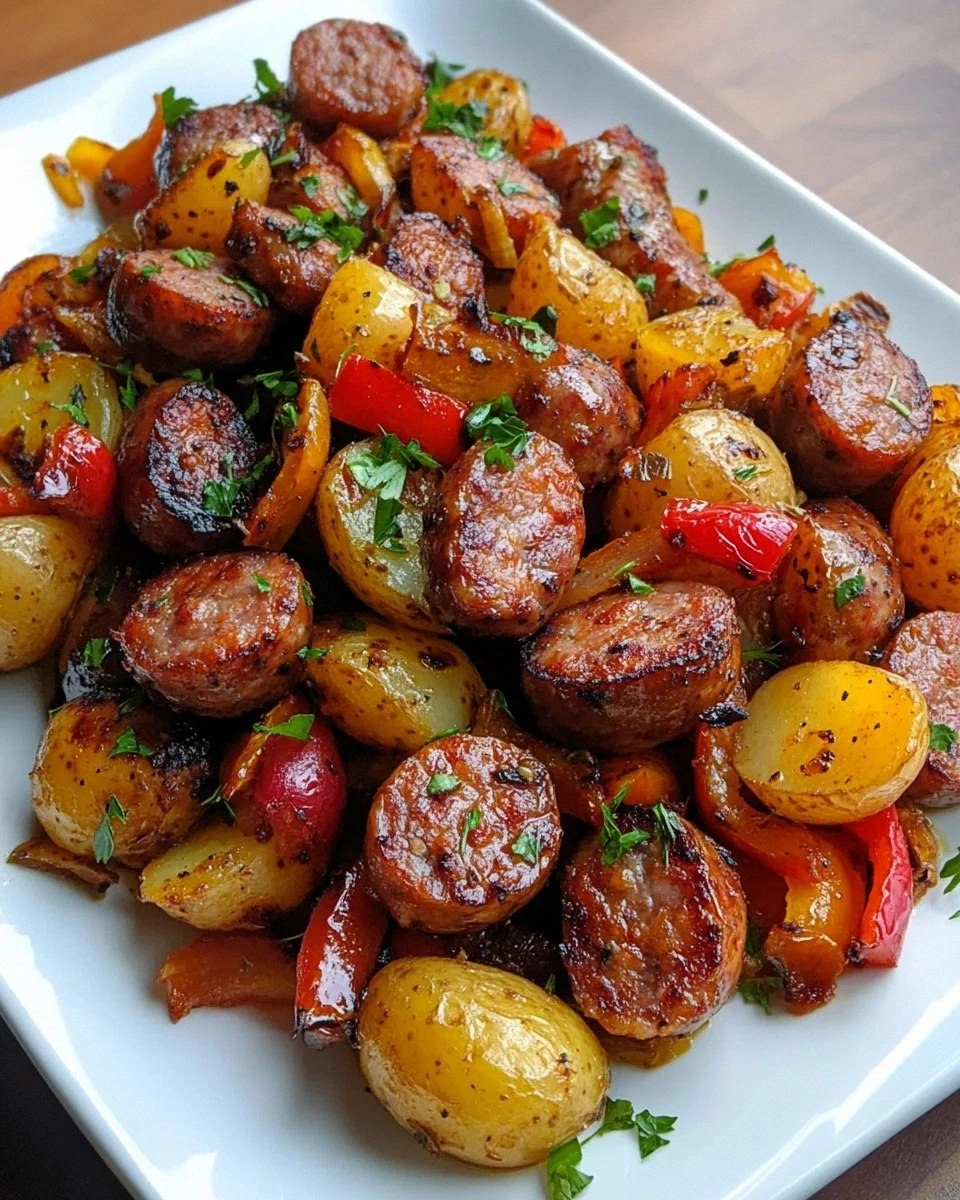
The Method — Step by Step
Preheat your oven to 400°F (200°C). While the oven warms, slice the potatoes into ½‑inch cubes. The uniform size ensures even cooking, and the slight thickness gives you that coveted crispy edge. Toss the cubes in a bowl with 1 tablespoon of olive oil, a pinch of salt, and the smoked paprika. Let them rest while you prep the other ingredients — this brief pause lets the seasoning adhere fully.
Heat a large, oven‑safe skillet over medium‑high heat. Add the sausage links (or sliced sausage if you prefer bite‑size pieces) and sear them until they develop a deep, caramelized crust, about 4‑5 minutes per side. This is the moment of truth: you should hear a satisfying sizzle and see the edges turning a rich mahogany. Remove the sausage and set aside, but keep the rendered fat in the pan.
Kitchen Hack: If your sausage releases a lot of fat, spoon out half before adding the potatoes. Too much liquid will steam the potatoes instead of crisping them.Add the remaining tablespoon of olive oil to the skillet, then spread the seasoned potatoes in an even layer. Let them sit untouched for 3‑4 minutes; this undisturbed contact creates that golden crust you crave. After the initial sear, stir the potatoes gently, turning them over to brown the other side. You’ll hear a faint crackle as the edges lift — that’s the sound of perfection.
While the potatoes are browning, finely dice the onion and bell pepper, and mince the garlic. Once the potatoes are about halfway done, push them to the sides of the pan, creating a well in the center. Add the onion, pepper, and garlic to the well, sautéing until the onion becomes translucent and the garlic releases its aromatic perfume (about 2‑3 minutes). If you’re feeling adventurous, sprinkle a pinch of dried thyme now to let its flavor infuse the base.
Now comes the deglaze: pour in ½ cup of dry white wine, letting it sizzle and bubble as it hits the hot pan. Use a wooden spoon to scrape up every caramelized fragment stuck to the bottom — those are flavor gold. Let the wine reduce by half, which should take about 2‑3 minutes. The sauce will thicken slightly and coat the vegetables in a glossy sheen.
Watch Out: If you add the wine too early, it will evaporate before it can lift the fond, leaving a bland base. Timing is everything.Return the browned sausage to the skillet, nestling the pieces among the potatoes and vegetables. Sprinkle the fresh rosemary leaves (or dried if that’s all you have) over the top, then give everything a gentle toss to distribute the herbs evenly. At this point, the skillet should smell like a rustic tavern — smoky, herbaceous, and just a hint of acidity.
Transfer the entire skillet to the preheated oven. Roast for 15‑20 minutes, or until the potatoes are fork‑tender and the edges are extra crispy. The oven’s dry heat finishes the cooking without stirring, allowing the flavors to meld. Keep an eye on the top; you want the potatoes to develop a deep amber hue, not burn.
Remove the skillet from the oven and let it rest for 5 minutes. This short pause lets the juices redistribute, ensuring each bite is juicy rather than dry. Finish with a generous sprinkle of freshly chopped parsley for color and a bright herbal note. Serve straight from the pan, letting the steam rise and the aromas fill the room.
Kitchen Hack: While the skillet rests, whisk a tablespoon of butter with a splash of the same white wine; drizzle this over the top for an extra glossy finish.
That's it — you did it. But hold on, I've got a few more tricks that'll take this to another level...
Insider Tricks for Flawless Results
The Temperature Rule Nobody Follows
Never start the potatoes on low heat. High heat creates a rapid Maillard reaction, giving you that coveted crunch. If you’re using an induction stove, crank the setting to “high” for the first five minutes, then drop to medium‑high to finish. A friend tried this on low once — the potatoes turned out mushy, and the whole dish felt like a soggy casserole.
Why Your Nose Knows Best
Your sense of smell is the ultimate doneness gauge. When the sausage releases that deep, roasted aroma and the potatoes start to smell nutty, you’re on the right track. If you’re unsure, give the skillet a quick sniff; if you detect a faint caramel scent, the fond is forming and you’re ready to deglaze.
The 5‑Minute Rest That Changes Everything
After the oven, let the skillet sit uncovered for five minutes. This rest period allows the steam to escape, preventing the potatoes from becoming soggy. It also lets the herbs settle, so you don’t lose their bright flavor when you cut into the dish. Trust me, this tiny pause makes the difference between “good” and “restaurant‑level”.
Seasoning Layers, Not Just One
Season at three points: before searing the sausage, when tossing the potatoes, and again after the oven. Each layer builds depth. If you skip the final sprinkle, the dish can feel flat, especially if your sausage was low‑salt.
The Secret of the “Wine‑Splash” Finish
After the rest, drizzle a teaspoon of the same white wine you used for deglazing, then toss quickly. The wine’s acidity revives the sauce, preventing it from sitting too heavy on the palate. This is pure magic for those who love a bright finish.
Don’t Overcrowd the Pan
If you’re feeding a crowd, resist the urge to double the recipe in the same pan. Overcrowding traps steam, leading to soggy potatoes. Instead, use two identical skillets or a larger cast‑iron Dutch oven. The result? Uniform crispness across the board.
Creative Twists and Variations
This recipe is a playground. Here are some of my favorite ways to switch things up:
Spicy Chorizo & Sweet Potato
Swap the Italian sausage for Mexican chorizo and replace Yukon Golds with diced sweet potatoes. The sweet‑spicy combo adds a vibrant color and a subtle heat that’s perfect for autumn evenings.
Mediterranean Veggie Boost
Add sliced zucchini, cherry tomatoes, and a handful of Kalamata olives. Finish with a sprinkle of feta cheese for a tangy Mediterranean twist that pairs beautifully with the sausage.
Herb‑Infused Chicken Sausage
Use chicken sausage flavored with sage and thyme for a lighter version. Pair with rosemary‑roasted potatoes and a dash of lemon zest to brighten the dish.
Smoky BBQ Finish
After the skillet is out of the oven, brush the potatoes and sausage with a thin layer of your favorite BBQ sauce, then pop it back under the broiler for 2‑3 minutes. The caramelized glaze adds a smoky-sweet depth that’s irresistible.
Cheesy Crust
Scatter shredded cheddar or Gruyère over the top during the last five minutes of baking. The cheese melts, bubbles, and forms a golden crust that adds richness and a gooey texture.
Storing and Bringing It Back to Life
Fridge Storage
Allow the skillet to cool to room temperature, then transfer to an airtight container. It keeps fresh for up to 4 days. When reheating, add a splash of water or broth and cover loosely to steam the potatoes back to crispiness.
Freezer Friendly
Portion the cooked skillet into freezer‑safe bags, removing as much air as possible. Freeze for up to 3 months. To reheat, thaw overnight in the fridge, then bake at 350°F (175°C) for 15‑20 minutes, adding a drizzle of oil to revive the crisp edges.
Best Reheating Method
The oven is your best friend for reheating. Preheat to 375°F (190°C), spread the skillet contents on a baking sheet, and bake for 10 minutes. The steam from the added water keeps the interior moist while the top regains its crunch.