Ever had that moment when you stare into an empty fridge, hear the growl of your stomach, and realize the only thing that could possibly rescue you is a pan, some ground beef, and a handful of mushrooms? I was there last Thursday, battling a midnight craving that felt like a tiny tornado in my belly. The kitchen was a battlefield of mismatched pots, a stubborn onion that refused to surrender, and a stray garlic clove that kept rolling away like a mischievous hamster. I swear I heard the clock ticking louder than my own heartbeat, daring me to give up. That’s when I decided to throw together whatever I could find, and the result was nothing short of a culinary epiphany.
The first sizzle hit the skillet like a drumroll announcing a grand entrance, and instantly, the entire apartment was flooded with an aroma that could have coaxed a grumpy neighbor out of their apartment just to sniff it. Imagine the earthy perfume of mushrooms mingling with the deep, meaty perfume of browned beef, all wrapped in a buttery, herb‑kissed veil that made my kitchen feel like a five‑star bistro. My taste buds were doing cartwheels, and I thought, “Okay, this is the kind of dish that makes you question why you ever settled for bland, store‑bought meals.” I dared you to taste this and not go back for seconds – I’m pretty sure you’ll fail that dare.
Most ground‑beef‑and‑mushroom recipes out there are either soggy, over‑seasoned, or just plain boring. This version, however, flips the script entirely. I introduced a splash of red wine to deglaze, a whisper of Worcestershire sauce for umami depth, and a light dusting of flour that creates a silky, velvety sauce without turning it into a gravy swamp. The secret? A quick flash‑sear of the mushrooms to lock in their juices, followed by a gentle simmer that lets every flavor marry like an old‑fashioned love story. I’ll be honest — I ate half the batch before anyone else got to try it, and that’s a confession worth sharing.
And now the fun part: there’s a technique tucked in here that most cooks completely overlook – the “dry‑sauté” of the mushrooms on high heat before adding any liquid. This step creates a caramelized crust that adds a smoky, almost nutty undertone, making every bite feel like a celebration. Picture yourself pulling this skillet out of the stove, the whole kitchen smelling incredible, steam rising like a curtain before the main act. Let me walk you through every single step — by the end, you’ll wonder how you ever made it any other way.
What Makes This Version Stand Out
- Flavor Explosion: The combination of Worcestershire, red wine, and fresh thyme creates layers that evolve on the palate, turning a simple skillet into a gourmet experience.
- Texture Contrast: Crispy, caramelized mushroom edges meet tender, juicy beef, delivering a bite that’s both satisfying and surprising.
- Simplicity Meets Sophistication: Only ten ingredients, yet each one is treated with care, proving that elegance doesn’t require a long shopping list.
- Universal Crowd‑Pleaser: Kids love the beef, adults appreciate the depth – it’s the kind of dish that gets unanimous applause at the dinner table.
- Ingredient Quality Shines: Using 80/20 ground beef and fresh, button‑type mushrooms maximizes flavor without unnecessary fat.
- One‑Pan Efficiency: No need for multiple pots; the entire masterpiece is built in a single skillet, saving time and cleanup.
- Make‑Ahead Friendly: The flavors meld beautifully overnight, making it perfect for meal prep or a quick reheated dinner.
- Season‑Neutral Comfort: Whether it’s a chilly winter night or a breezy summer evening, this dish fits right in.
Inside the Ingredient List
The Flavor Base
Ground Beef (1 lb, 80/20) – This is the heart of the dish. The 20% fat content ensures juicy bites and a rich, buttery mouthfeel. If you skimp on the fat, the skillet will feel dry, and you’ll lose that luxurious melt‑in‑your‑mouth sensation. As a swap, you can use ground turkey, but add a tablespoon of olive oil to compensate for the leaner profile.
Olive Oil (2 tbsp) – Provides a neutral carrier for the aromatics while adding a subtle fruitiness. Opt for extra‑virgin for a peppery note, or use grapeseed oil if you prefer a higher smoke point. Skipping it will cause the onions to stick and burn, ruining the flavor foundation.
The Texture Crew
Mushrooms, sliced (12 oz) – I love cremini or button mushrooms for their firm texture and ability to absorb flavors without turning mushy. The key is to slice them uniformly so they cook evenly. If you’re adventurous, try a mix of shiitake and portobello for an earthier punch.
Onion, finely diced (1 large) – The onion builds the aromatic backbone. Its natural sugars caramelize during the sauté, adding sweetness that balances the savory beef. For a milder flavor, use a sweet yellow onion; for a sharper bite, a white onion works wonders.
The Unexpected Star
Red Wine (½ cup) – This is the secret weapon that deglazes the pan, lifting all those browned bits (fond) and turning them into a silky sauce. The acidity also cuts through the richness, preventing the dish from feeling heavy. If you don’t drink alcohol, substitute with beef broth plus a splash of balsamic vinegar.
Worcestershire Sauce (2 tsp) – Adds a complex umami boost with anchovies, tamarind, and spices. It’s the silent hero that makes the sauce taste like it’s been simmering for hours. Use a gluten‑free version if needed.
The Final Flourish
All‑Purpose Flour (2 tbsp) – This lightly coats the beef and mushrooms, creating a velvety texture without turning the sauce into a thick gravy. It also helps the sauce cling to each bite, ensuring every forkful is coated perfectly.
Beef Broth (1 cup) – Provides depth and a savory backbone. Homemade broth is ideal, but a low‑sodium store‑bought version works fine. Skipping broth will result in a dry skillet.
Dried Thyme (1 tsp) – The herb adds an earthy, slightly floral note that lifts the whole dish. Fresh thyme can be used as a garnish for an extra pop of green.
Garlic, minced (3 cloves) – Garlic brings a pungent aroma that awakens the palate. Be careful not to burn it; add it after the onions are translucent for a sweet, mellow flavor.
Butter (1 tbsp) – Finishes the sauce with a glossy sheen and a buttery richness that makes the dish feel indulgent. If you’re dairy‑free, substitute with a plant‑based butter.
Salt and Black Pepper (to taste) – The classic duo that seasons the dish. Season gradually, tasting as you go, to avoid over‑salting.
Fresh Parsley, chopped (2 tbsp) – Adds a bright, fresh finish that cuts through the richness. Sprinkle just before serving for color and freshness.
Everything's prepped? Good. Let’s get into the real action…
The Method — Step by Step
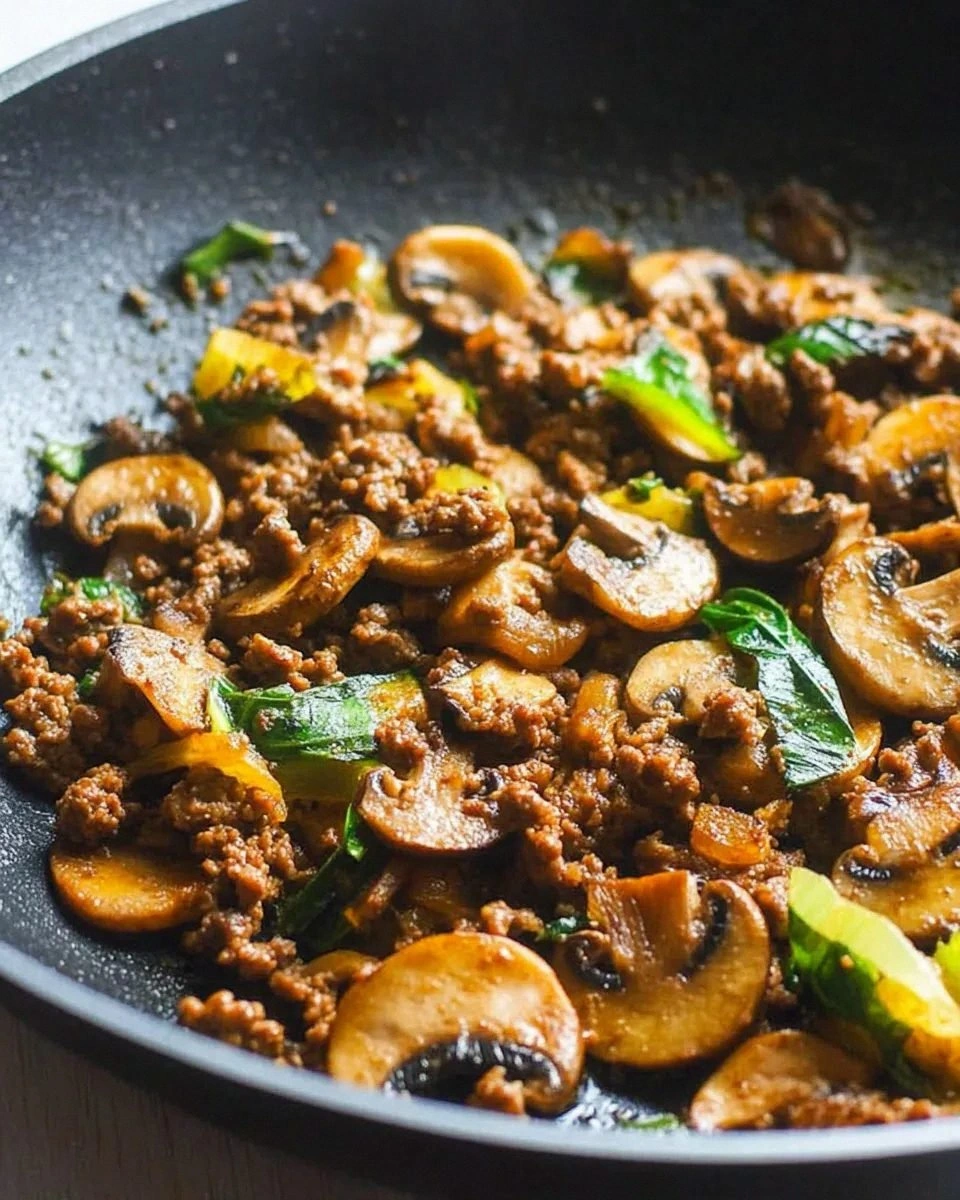
Heat a large cast‑iron skillet over medium‑high heat until it’s shimmering hot. Add the olive oil, swirling it to coat the surface. When the oil ripples, drop in the ground beef, breaking it up with a wooden spoon. Let it sit undisturbed for about 30 seconds, then start stirring; you’ll hear that satisfying sizzle that signals caramelization. Cook until the meat is browned all over, about 5‑7 minutes, and the fat has rendered. This is the moment of truth – if you see golden‑brown bits clinging to the pan, you’re on the right track.
Once the beef is browned, sprinkle the flour evenly over the meat. Stir continuously for 2 minutes; the flour will toast lightly, creating a subtle nutty aroma. This step is crucial because it prevents the sauce from becoming gummy later on. If you skip it, you’ll end up with a watery skillet that lacks body. Power transition: Okay, ready for the game‑changer?
Push the beef to one side of the pan and add the butter to the empty space. Once melted, add the diced onion. Sauté for 3‑4 minutes until the onion becomes translucent and starts to turn golden at the edges. The aroma should be sweet and slightly caramelized – if you smell raw onion, give it a little more time. Then, stir in the minced garlic and cook for another 30 seconds, just until fragrant. Be careful not to let the garlic brown; burnt garlic adds bitterness.
Now it’s time for the mushrooms. Add them in a single layer, letting them sit without stirring for about 2 minutes. You’ll hear a louder sizzle as the moisture evaporates quickly – that’s the “dry‑sauté” I promised. After the initial sear, give them a good toss and let them cook another 4‑5 minutes until they’re browned and have released most of their liquid. The edges should be crispy, almost caramelized, creating that nutty undertone.
Deglaze the pan with the red wine, scraping the browned bits from the bottom with a wooden spoon. The wine will hiss and reduce quickly, concentrating its flavor. Let it simmer for about 2 minutes, allowing the alcohol to evaporate. Then pour in the beef broth, Worcestershire sauce, and dried thyme. Stir everything together, and bring the mixture to a gentle boil.
Reduce the heat to low and let the skillet simmer uncovered for 10‑12 minutes. During this time, the sauce will thicken naturally, coating the beef and mushrooms like a luxurious blanket. Taste and adjust seasoning with salt and pepper; remember, a little at a time. The sauce should be glossy, thick enough to cling to a spoon, but not so thick that it looks like paste.
Just before serving, stir in the fresh parsley for a burst of color and freshness. If you love a final buttery sheen, melt an extra tablespoon of butter and swirl it in now. The dish is ready – the aroma should be intoxicating, the sauce velvety, and the mushrooms perfectly caramelized. Serve hot, straight from the skillet, with a side of crusty bread or over buttery mashed potatoes.
That's it — you did it. But hold on, I've got a few more tricks that'll take this to another level…
Insider Tricks for Flawless Results
The Temperature Rule Nobody Follows
Never start a skillet on low heat. A hot pan ensures instant searing, which locks in juices and creates those coveted brown bits. I once tried a “gentle start” and ended up with a soggy mess that tasted like boiled beef. Trust the heat, and you’ll get that restaurant‑quality crust every time.
Why Your Nose Knows Best
The moment you smell that toasty, earthy scent from the mushrooms, you know they’re ready. If the aroma is still grassy, give them another minute. Your sense of smell is a better indicator than a timer because it reacts to the exact moisture level and caramelization.
The 5‑Minute Rest That Changes Everything
After the skillet is off the heat, let it sit for five minutes with the lid slightly ajar. This rest allows the sauce to settle and the flavors to meld, similar to letting a steak rest. Skipping this step results in a sauce that can taste a bit sharp.
Don’t Forget the Fresh Herbs
Adding fresh parsley at the very end preserves its bright flavor and vibrant color. I once added it too early, and the heat wilted it, turning it bitter. A quick sprinkle right before serving keeps the dish lively.
Layered Seasoning for Depth
Season in stages: first with salt when browning the beef, then a pinch after adding the broth, and finally a dash of pepper at the end. This layered approach builds complexity, ensuring every bite is perfectly balanced.
Creative Twists and Variations
This recipe is a playground. Here are some of my favorite ways to switch things up:
Spicy Chipotle Kick
Swap the Worcestershire sauce for chipotle in adobo and add a teaspoon of smoked paprika. The smoky heat pairs beautifully with the earthy mushrooms, making it a crowd‑pleaser for spice lovers.
Creamy Italian Style
Stir in ¼ cup of heavy cream and a handful of grated Parmesan during the final simmer. The sauce becomes luxuriously silky, and the dish takes on a subtle Italian flair.
Asian Fusion
Replace the thyme with a teaspoon of Chinese five‑spice, add a splash of soy sauce, and finish with a drizzle of sesame oil. Serve over jasmine rice for a quick, cross‑cultural dinner.
Vegetarian Swap
Use plant‑based ground “beef” and vegetable broth. Add a handful of diced carrots and celery for extra texture. The dish retains its heartiness while being completely meat‑free.
Herb‑Infused Delight
Mix fresh rosemary and sage into the sauce during the last few minutes of simmering. The aromatic herbs give the skillet a forest‑floor vibe, perfect for autumn evenings.
Storing and Bringing It Back to Life
Fridge Storage
Transfer the cooled skillet into an airtight container and refrigerate for up to 4 days. The flavors actually improve after a night, making it an ideal make‑ahead meal.
Freezer Friendly
Portion the hot skillet into freezer‑safe bags or containers, leaving a little headroom for expansion. Freeze for up to 3 months. Thaw overnight in the fridge before reheating.
Best Reheating Method
Reheat gently on the stovetop over low heat, adding a splash (≈2 tbsp) of water or broth to restore the sauce’s silkiness. Stir frequently until warmed through. Avoid microwaving, as it can make the mushrooms rubbery.