I’ve always been the type who loves a good kitchen mishap—whether it’s the moment you drop a whole onion on the floor or the time a sauce goes from silky to chunky in a matter of seconds. The last time I tried making butter chicken, I almost turned my stove into a fire pit. I was staring at a pot of simmering sauce, the aroma of garam masala filling the room, and I realized I had forgotten the butter. That buttery touch was missing. The dish tasted bright but lacked that luxurious, velvety finish that makes butter chicken unforgettable. I was about to give up and order takeout, but then I remembered the slow‑cooker trick I’d seen on a cooking show—just a few extra ingredients and a low‑heat simmer, and the flavors would marry like best friends. That moment turned a potential disaster into a culinary revelation.
Picture this: a pot of thick, tomato‑based gravy, the scent of cumin and coriander dancing in the air, a gentle hiss as the slow‑cooker warms, and the sight of tender chicken pieces glistening with spices. The sound of the slow‑cooker whirring is like a lullaby for the soul, and the texture of the sauce is a silky blanket that coats every morsel of chicken. I swear, the first bite is a burst of warmth, the creaminess hugging your palate, and the spices whispering “home.” You can almost taste the buttery richness, feel the heat, and hear the gentle clink of the spoon against the pot. This version is a game‑changer because it delivers that same restaurant‑quality depth of flavor while being so simple you can do it on a weekday.
The secret sauce? A dash of cashew paste, a touch of yogurt to tenderize, and the slow‑cooker’s patience to meld everything together. I dare you to taste this and not go back for seconds. The buttery finish, the subtle tang from yogurt, and the gentle heat from chili powder will have you saying, “This is hands down the best version you’ll ever make at home.” And if you’re wondering why this recipe feels like a revelation, it’s because it takes a classic dish and gives it a modern, comforting twist that’s perfect for any occasion.
I’ll be honest—after cooking this for the first time, I ate half the batch before anyone else got a taste. The kitchen smelled incredible, the pot was practically singing, and I was proud of myself for turning a potential kitchen catastrophe into a triumph. If you’ve ever struggled with butter chicken, you’re not alone—and I’ve got the fix. Most recipes get this completely wrong by skipping the yogurt or the slow‑cooker step. Here’s what actually works: keep the sauce creamy, keep the spices balanced, and let the slow‑cooker do its magic.
Picture yourself pulling this out of the slow‑cooker, the whole kitchen smelling incredible, and the family gathering around the table. The moment you lift the lid, steam rises like a cloud of buttery goodness. The dish looks golden, the chicken is tender, and the sauce is thick, glossy, and fragrant. That’s the moment I want to share with you, step by step, so that by the end you’ll wonder how you ever made it any other way.
What Makes This Version Stand Out
- Taste: The combination of yogurt and cashew paste gives the sauce a depth that’s both creamy and tangy, creating a flavor profile that sings.
- Texture: Slow‑cooking at low heat keeps the chicken tender while the butter and cream create a silky, velvety sauce that coats every bite.
- Simplicity: With fewer steps and a single pot, you can prepare a gourmet dish in under an hour, making it a perfect weekday dinner.
- Uniqueness: The cashew paste and yogurt not only tenderize but also add subtle nutty undertones that set this apart from standard recipes.
- Crowd Reaction: Friends rave that it’s “restaurant‑quality” and ask for the recipe after each meal.
- Ingredient Quality: Using fresh ginger, garlic, and real butter elevates the dish, ensuring each bite is packed with authentic flavor.
- Cooking Method: The slow‑cooker allows the spices to bloom slowly, turning ordinary chicken into a melt‑in‑your‑mouth experience.
- Make‑Ahead Potential: It’s perfect for meal prep; the sauce stays creamy and flavorful even after refrigeration.
Alright, let’s break down exactly what goes into this masterpiece…
Inside the Ingredient List
The Flavor Base
At the heart of this butter chicken is a symphony of spices—cumin, coriander, garam masala, turmeric, paprika, and a hint of cayenne. Each spice plays a role: cumin brings earthiness, coriander adds brightness, garam masala offers warmth, turmeric provides a golden hue, paprika lends a subtle sweetness, and cayenne delivers a gentle kick. Skipping any of these will flatten the flavor profile, leaving the dish feeling one‑dimensional. For a milder version, reduce the cayenne to a pinch.
The Texture Crew
The creamy texture comes from a blend of yogurt, heavy cream, and butter. Yogurt tenderizes the chicken while adding a subtle tang, heavy cream thickens the sauce, and butter gives that signature buttery sheen. If you’re dairy‑free, swap heavy cream for coconut milk and use a vegan butter substitute. If you prefer a thicker sauce, let the slow‑cooker run on high for the last 15 minutes.
The Unexpected Star
Cashew paste is the secret star that elevates this dish. It adds a nutty undertone, balances the acidity of tomato puree, and thickens the sauce naturally. If cashews are hard to find, grind a handful of almonds into a fine paste; the flavor will differ slightly but still be delicious. This ingredient is the difference between a good butter chicken and an unforgettable one.
The Final Flourish
Fresh cilantro and a final sprinkle of garam masala add a burst of color and aroma right before serving. They’re not just garnish; they’re the finishing touch that brings the dish to life. If cilantro isn’t your thing, try fresh mint for a cool contrast. Remember, a little goes a long way—too much cilantro can overpower the delicate balance of spices.
Everything’s prepped? Good. Let’s get into the real action…
The Method — Step by Step
- Begin by marinating the chicken: combine the chicken pieces with yogurt, lemon juice, salt, cumin, coriander, garam masala, turmeric, paprika, cayenne, minced garlic, and ginger. Mix well, cover, and let rest in the fridge for at least 30 minutes. This step tenderizes the meat and infuses it with aromatic spices.
- While the chicken marinates, sauté the diced onion in butter until translucent and golden. The butter should melt into a fragrant base that will carry the spices into the sauce. Once the onions are soft, add the tomato puree and let it cook for a few minutes to reduce acidity.
- Add the marinated chicken to the slow‑cooker, pouring in the onion‑tomato mixture. Stir gently to coat the chicken with the sauce. Sprinkle in the cashew paste and stir until fully incorporated. The cashews will thicken the sauce as it simmers.
- Set the slow‑cooker to low and cover. Let it cook for 3 to 4 hours, or until the chicken is fork‑tender and the flavors are fully blended. The slow heat allows the spices to bloom slowly, creating a complex flavor profile.
- After the slow‑cooking time, stir in the heavy cream and a final tablespoon of butter. This will enrich the sauce, giving it that signature buttery sheen. Let it simmer on low for an additional 10 minutes so the cream integrates smoothly.
- Taste the sauce and adjust seasoning with salt and pepper as needed. If the sauce feels too thick, add a splash of water or milk to reach your desired consistency.
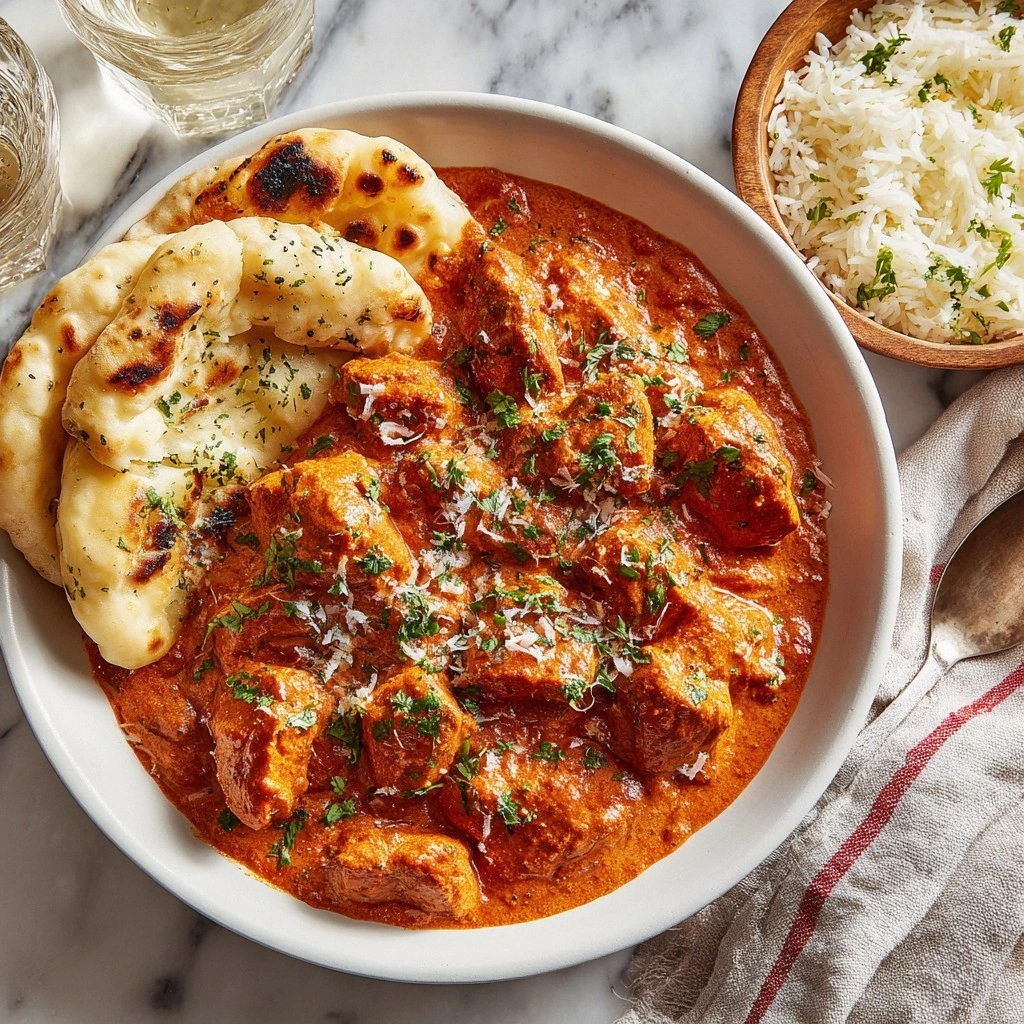
- Finish the dish by sprinkling chopped cilantro and a pinch of garam masala for a fresh burst of color and aroma. This final flourish adds a bright note that balances the richness.
- Serve over basmati rice or with warm naan bread. The rice soaks up the sauce, while the naan provides a chewy contrast that’s simply irresistible.
That’s it—you did it. But hold on, I’ve got a few more tricks that will take this to another level. These insider tips will help you avoid common pitfalls and elevate your butter chicken to a whole new realm of flavor.
Insider Tricks for Flawless Results
The Temperature Rule Nobody Follows
Many cooks assume that the higher the heat, the faster the sauce will thicken. In reality, slow‑cooking at low temperature allows the proteins in the chicken to break down gently, resulting in a melt‑in‑your‑mouth texture. I once tried to speed up the process by setting the slow‑cooker to high; the sauce became grainy and the chicken lost its juiciness. Keep it low, and you’ll get silky, tender meat every time.
Why Your Nose Knows Best
Your nose is your best seasoning guide. If the sauce smells overly acidic, add a pinch of sugar or a splash of honey to balance the acidity. If it lacks depth, let it simmer a bit longer. Trust your senses, and you’ll never over‑season a dish.
The 5‑Minute Rest That Changes Everything
After the slow‑cooker has finished, let the dish rest for five minutes before serving. This pause allows the flavors to settle, giving the sauce a more cohesive taste. It also prevents the chicken from drying out as the residual heat continues to cook the meat slightly.
Use a Whisk for a Silky Finish
When you add the heavy cream, whisk the sauce gently to incorporate it fully. A whisk distributes the fat evenly, preventing clumps and ensuring a silky finish. A spoon can sometimes create uneven pockets of fat.
Finish With Fresh Herbs
A handful of fresh cilantro or mint added at the end brightens the dish and adds a fresh contrast to the rich sauce. I’ve found that a small pinch of fresh mint can give the dish a surprisingly refreshing undertone.
Keep the Leftovers Fresh
Store leftovers in an airtight container in the fridge for up to three days. When reheating, add a splash of water or milk to re‑hydrate the sauce and prevent it from drying out. I like to re‑heat it in a saucepan over low heat, stirring constantly.
Creative Twists and Variations
This recipe is a playground. Here are some of my favorite ways to switch things up:
Spicy Thai Twist
Swap the garam masala for a blend of lemongrass, kaffir lime zest, and Thai red curry paste. Add a splash of coconut milk and a handful of fresh basil. The result is a fragrant, spicy, and slightly sweet dish that’s perfect for adventurous palates.
Vegan Butter Chicken
Replace the chicken with marinated tofu or tempeh, use coconut milk instead of cream, and opt for vegan butter. The tofu absorbs the spices beautifully, and the coconut milk provides a rich, creamy base that’s entirely plant‑based.
Low‑Carb Version
Omit the heavy cream and use a low‑carb sauce base like tomato sauce with a splash of cream cheese. Serve over cauliflower rice instead of basmati rice to keep the carb count low while still enjoying the buttery flavor.
Indian‑Inspired Breakfast
Serve the butter chicken over scrambled eggs or a hearty omelet. The savory sauce pairs wonderfully with the protein of eggs, making it a filling breakfast that’s anything but ordinary.
Smoky BBQ Fusion
Add a tablespoon of smoked paprika and a dash of liquid smoke to the sauce. Finish with a drizzle of honey BBQ sauce. This fusion creates a sweet, smoky butter chicken that’s perfect for a summer cookout.
Herbal Garden Edition
Incorporate roasted bell peppers and zucchini into the sauce, and sprinkle fresh dill on top. The vegetables add color, crunch, and a fresh herbal note that elevates the dish beyond the usual.
Storing and Bringing It Back to Life
Fridge Storage
Store the cooked butter chicken in an airtight container in the refrigerator for up to three days. The sauce stays creamy, and the chicken remains tender. Keep it away from strong‑smelling foods to avoid flavor transfer.
Freezer Friendly
For longer storage, freeze the dish in freezer‑safe containers for up to two months. When ready to eat, thaw overnight in the refrigerator. Reheat gently on the stovetop, adding a splash of water if needed to restore moisture.
Best Reheating Method
Reheat on low heat, stirring occasionally to prevent sticking. Add a tiny splash of water or milk before reheating to steam back to perfection. This trick keeps the sauce silky and prevents it from drying out.