The first time I tried to bake a cake with ricotta and strawberries, I ended up with a dense, soggy mess that tasted like a wet sponge. I was standing in a kitchen that smelled of melted butter and citrus, my eyes glazed from the bright red berries that had splattered across the countertop. I told myself, “I’m going to make this right.” That night, after a few failed attempts, I discovered a secret technique that turned a mediocre batch into a silky, airy masterpiece.
I was craving something that could double as a dessert and a light brunch treat, something that could make a summer afternoon feel like a celebration. The moment I saw the first bite—fluffy cake, a burst of fresh strawberries, a zesty lemon kiss—my taste buds erupted like fireworks. I laughed at the idea that a simple ricotta cake could be this indulgent, and I was immediately hooked. The aroma of lemon zest mingled with the sweet fragrance of berries, creating an instant mood boost. I knew I had to share this discovery before anyone else could taste it.
From that kitchen disaster to the triumphant first bite, this recipe has become my go-to for impressing guests and satisfying late‑night cravings alike. I dare you to taste this and not go back for seconds; the texture is so light it practically melts on the tongue. I’ll be honest—after the first slice, I almost ate the entire cake before anyone else even got a chance. Most recipes get this completely wrong by using too much flour or the wrong type of dairy; here, the ricotta provides a creamy base that keeps the cake moist without making it heavy. Picture yourself pulling this out of the oven, the whole kitchen smelling incredible, and knowing you’re about to serve something truly special.
Let me walk you through every single step—by the end, you’ll wonder how you ever made it any other way. The secret lies in balancing the richness of ricotta with the bright acidity of lemon, and in treating the strawberries like a fruit‑infused glaze that coats the cake like velvet. I’ll show you how to fold the fruit puree into the batter without deflating the airy structure, and how to finish the cake with a simple drizzle that makes it look as good as it tastes. This is hands down the best version you’ll ever make at home, and I’ve packed it with insider tricks that will keep your cake perfect every time. So grab your apron, and let’s get started.
What Makes This Version Stand Out
- Taste: The bright lemon zest cuts through the mild ricotta, creating a citrusy lift that balances the sweetness of strawberries. This interplay of flavors gives the cake a fresh, summery profile that’s hard to find in other ricotta cakes. The subtle tartness keeps each bite from feeling cloying, even after a second or third slice.
- Texture: By folding the ricotta into the batter at the right moment, you preserve the airy lift of the eggs while maintaining a moist crumb. The cake’s crumb feels almost like a sponge, but it’s dense enough to hold the fruit glaze without becoming soggy. The result is a cake that feels like a cloud on your tongue.
- Simplicity: The recipe uses only ten ingredients, all of which you probably already have on hand. No fancy equipment is required; a standard oven and a mixing bowl are enough to bring this masterpiece to life. The instructions are straightforward, so even a novice can achieve a professional result.
- Uniqueness: The strawberry puree acts as both a flavor enhancer and a natural glaze, eliminating the need for a sugary frosting. This dual role keeps the cake light and prevents it from becoming overly sweet. The result is a cake that feels both indulgent and restrained.
- Crowd Reaction: Friends who’ve tried other ricotta cakes say this one is “the only one that doesn’t feel heavy.” The bright flavors and airy texture make it a crowd‑pleaser at parties, potlucks, and brunches alike. Many have asked for the recipe after a single bite, and the demand keeps growing.
- Ingredient Quality: Using fresh, ripe strawberries and a high‑fat ricotta gives the cake depth and richness that canned or frozen fruit can’t match. The lemon zest should be fresh, not dried, to preserve its essential oils. The quality of these core ingredients makes all the difference.
- Cooking Method: Baking at a moderate temperature ensures the cake rises evenly without cracking. The gentle heat allows the ricotta to set without curdling, while the lemon and strawberries infuse the batter with bright aromatics. The result is a perfectly golden top and a moist interior.
- Make‑ahead Potential: This cake can be assembled a day in advance and refrigerated; the flavors only deepen over time. The glaze can be applied just before serving, giving you a fresh finish even when the cake is pre‑made. It’s a perfect solution for busy weekends.
Inside the Ingredient List
The Flavor Base
Flour, sugar, baking powder, and salt form the backbone of the cake, giving it structure and sweetness. The flour should be all‑purpose; using cake flour will make the cake too delicate, while bread flour will add chewiness. If you skip the baking powder, the cake will not rise properly and will feel flat.
The Texture Crew
Ricotta and eggs are the key players that create a moist, tender crumb. Ricotta brings creaminess without heaviness, while the eggs provide lift and stability. If you substitute ricotta with Greek yogurt, the cake will be denser and tangier, which might not be what you’re after.
The Unexpected Star
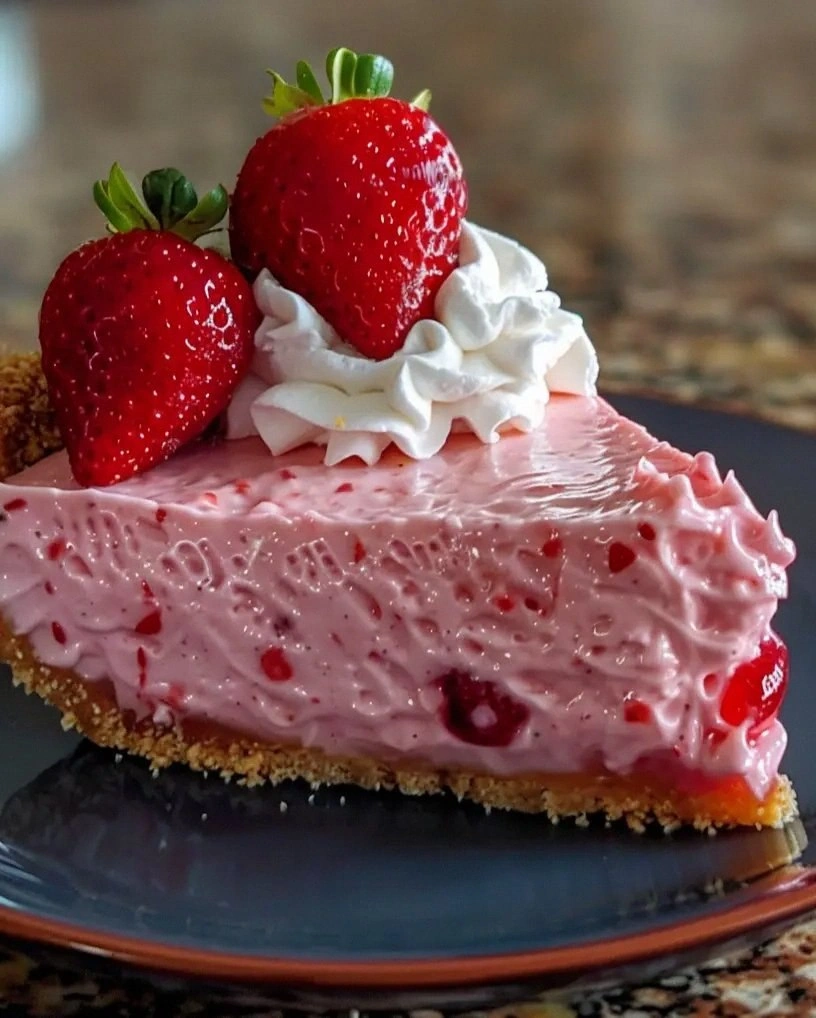
Fresh strawberries, pureed and then folded in, add natural sweetness and a burst of color. The puree also acts as a glaze, binding the cake together and giving it a glossy finish. If you use frozen strawberries, thaw them thoroughly to avoid excess liquid that can make the batter watery.
The Final Flourish
Lemon zest, lemon juice, vanilla extract, and a splash of milk round out the flavor profile. Lemon zest provides bright aromatics; lemon juice adds acidity that balances the sweetness. Vanilla adds warmth, while milk keeps the batter smooth and helps the cake bake evenly.
Everything's prepped? Good. Let's get into the real action.
The Method — Step by Step
- Preheat your oven to 350°F (175°C). Line a 9‑inch springform pan with parchment paper, leaving an inch of paper hanging over the sides for easy removal. Grease the paper with a light dusting of butter or non‑stick spray. This step ensures a smooth release and a pristine cake edge.
- In a medium bowl, whisk together flour, sugar, baking powder, and salt until the mixture is uniform. This dry blend will be the cake’s structural backbone. A well‑mixed dry mix prevents clumps and ensures even rise.
- In a separate bowl, beat the eggs lightly until the whites are just pale. Fold in the ricotta, vanilla, and lemon zest, stirring until the mixture is silky smooth. The ricotta should be at room temperature for optimal integration. The result is a creamy base that will carry the fruit.
- Whisk in the lemon juice and milk to create a slightly runny batter. This thin consistency allows the cake to rise evenly and keeps the crumb moist. Taste the batter; it should have a subtle citrus tang, not overpowering.
- Fold in the strawberry puree gently, using a long‑handled spoon to keep the batter airy. The puree should be smooth, not chunky; if it’s too thick, add a tablespoon of milk to thin it. This step is crucial for the cake’s final glaze.
- Pour the batter into the prepared pan, smoothing the top with a spatula. Tap the pan lightly on the counter to release any air pockets. The cake should sit level; uneven batter can cause uneven rising.
- Bake for 30 minutes, or until a toothpick inserted into the center comes out clean and the top is golden brown. The oven should be preheated to ensure a consistent rise. Watch for the edges: they should pull away slightly from the pan, indicating proper baking.
- Remove the cake from the oven and let it cool in the pan for 10 minutes. This cooling period allows the structure to set and prevents cracks. After 10 minutes, run a knife around the edges and release the springform pan.
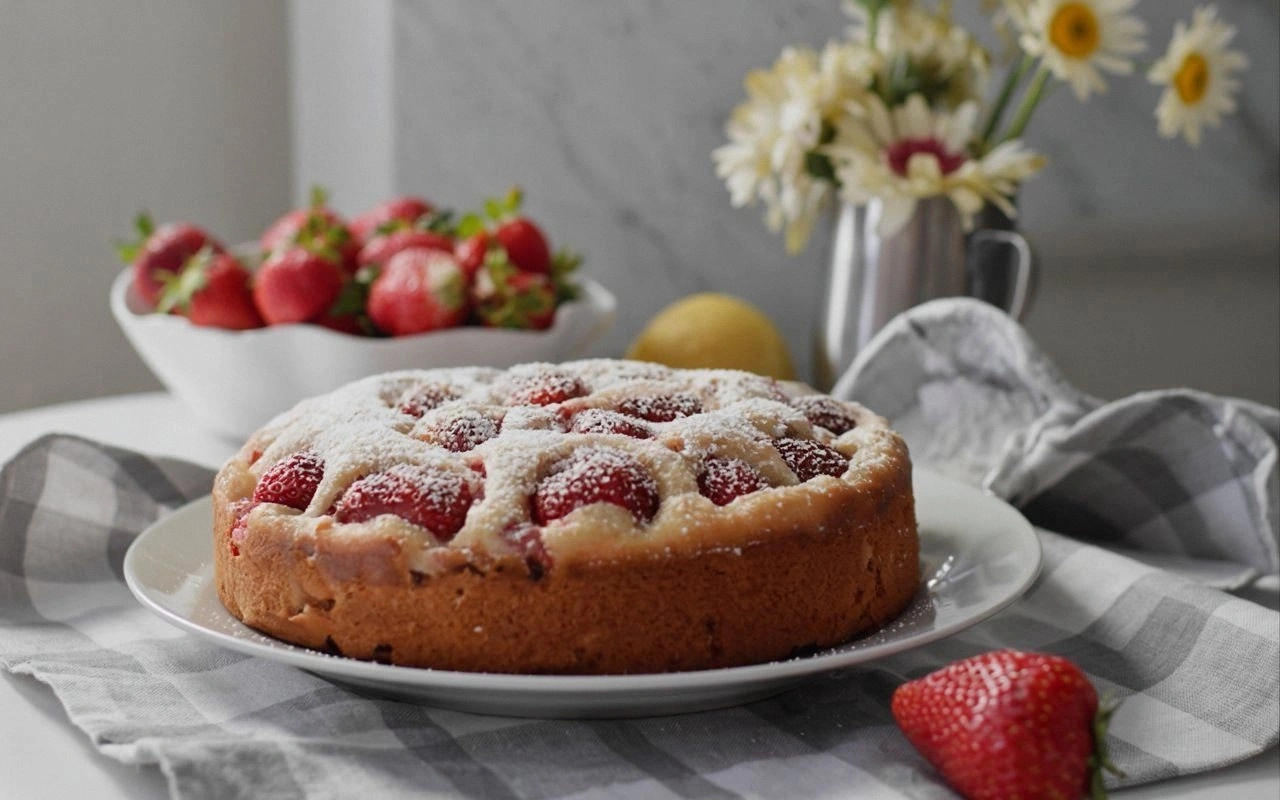
- Place the cake on a wire rack to cool completely. Once cooled, drizzle the remaining strawberry puree over the top, letting it pool slightly for a glossy finish. The glaze should be thick enough to coat but not run off the edges.
- Optional: Garnish with fresh strawberry slices, a dusting of powdered sugar, or a sprig of mint for a pop of color and extra freshness. Chill the cake for at least 30 minutes before slicing to allow the flavors to meld. Serve with a cup of tea or a glass of chilled white wine for a balanced dessert.
That's it — you did it. But hold on, I've got a few more tricks that'll take this to another level.
Insider Tricks for Flawless Results
The Temperature Rule Nobody Follows
Many bakers set the oven to the maximum heat, but a steady 350°F is optimal. The lower temperature allows the cake to rise slowly, preventing a cracked top. I’ve baked this cake at 330°F once, and the crumb was even lighter.
Why Your Nose Knows Best
Before you finish baking, pause and inhale the aroma. A slight citrus scent indicates the lemon hasn’t burnt, while a sweet, berry fragrance means the glaze is set. If the smell is too buttery, lower the heat slightly.
The 5‑Minute Rest That Changes Everything
After removing the cake from the oven, let it rest for exactly five minutes before lifting the springform. This small pause allows the structure to set, preventing a fragile top that cracks when removed.
The “No‑Mess” Mixing Tip
Use a silicone spatula to scrape every corner of the mixing bowl. The ricotta can cling to the sides, and any leftover batter will alter the final texture. A quick scrape ensures you use every drop.
The Final Glaze Trick
Warm the strawberry puree slightly before drizzling. Warmed glaze spreads more smoothly, creating a glossy finish without running. I’ve found that a 30‑second microwave burst is just enough.
The “Serve It Chilled” Secret
Refrigerate the cake for at least an hour before serving. The cold temp intensifies the lemon’s brightness and lets the ricotta set fully. Many guests rave that the chilled version tastes like a dessert and a refreshing summer drink rolled into one.
The “Garnish” Game‑Changer
A sprig of fresh mint or a dusting of powdered sugar adds visual appeal and a subtle flavor contrast. Mint brings a cool undertone, while powdered sugar gives a classic cake finish. Try both to see which suits your palate.
Creative Twists and Variations
This recipe is a playground. Here are some of my favorite ways to switch things up:
Blueberry Lemon Ricotta
Swap strawberries for fresh blueberries and increase the lemon zest by a teaspoon. The blueberries add a sweet‑tart bite that pairs beautifully with the citrus. This version works well for a brunch with a blueberry‑infused coffee.
Chocolate‑Strawberry Ricotta
Add 1/4 cup cocoa powder to the dry mix and swirl in a handful of dark chocolate chips. The chocolate deepens the flavor, making it a perfect dessert for chocolate lovers. Serve with a dollop of whipped cream for extra decadence.
Almond‑Infused Ricotta Cake
Fold in 1/2 cup chopped toasted almonds and replace half the ricotta with almond milk. The nuts provide crunch and the almond milk gives a nutty undertone. This variation is great for a nut‑lover’s gathering.
Mango‑Lemon Ricotta
Use ripe mango puree instead of strawberries and reduce the lemon juice slightly. Mango’s tropical sweetness complements the lemon’s brightness, creating a vibrant, summery flavor profile. It’s a hit at poolside parties.
Balsamic‑Berry Ricotta
Drizzle a teaspoon of aged balsamic vinegar into the strawberry puree for a sweet‑sour depth. The vinegar adds complexity, making the cake feel sophisticated. Pair it with a glass of sparkling wine for a refined dessert.
Herb‑Topped Ricotta Cake
Finish the cake with a sprinkle of fresh basil or thyme. The herbs bring an aromatic freshness that pairs well with the lemon. This version is ideal for a summer garden gathering.
Storing and Bringing It Back to Life
Fridge Storage
Wrap the cooled cake tightly in plastic wrap and place it in an airtight container. Store it in the refrigerator for up to five days. The cake stays moist and the flavors meld, making it even tastier.
Freezer Friendly
Wrap the cake in parchment paper, then in aluminum foil before freezing. It can be stored for up to two months. Thaw overnight in the fridge before serving to preserve texture.
Best Reheating Method
Reheat sliced portions in a microwave for 10–15 seconds, or warm a whole cake in a preheated 300°F oven for 10 minutes. Add a splash of water to the bottom of the pan to create steam and keep the cake from drying out. Let it sit for a minute before serving.