I was standing in my kitchen, staring at a bag of ground beef and a half‑filled pantry, when a sudden craving struck me like a lightning bolt. I wanted something that felt like a hug, spicy enough to keep me awake, and quick enough to fit into a busy weekday evening. I had been chasing that elusive “home‑cooked comfort” for weeks, only to settle for bland takeout or pre‑made mixes that never quite hit the mark. That night, I decided to ditch the recipe books, grab what I had on hand, and experiment with a few bold twists that would turn a simple stir‑fry into a flavor explosion.
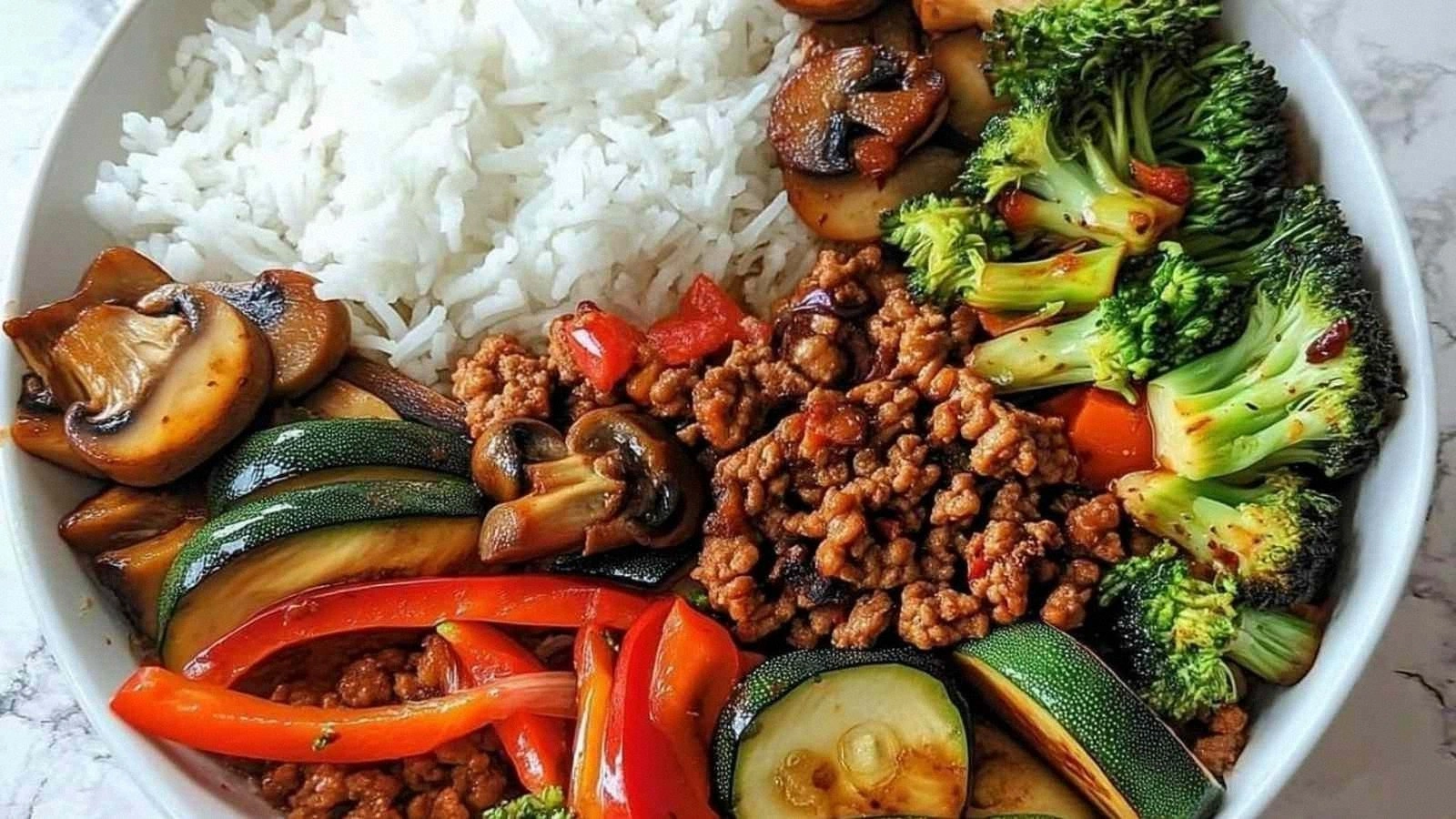
The first thing you notice is the aroma—garlic sizzling, soy sauce caramelizing, and the faint but unmistakable scent of sesame oil. It’s that smell that makes you pause mid‑sweep, feeling a surge of anticipation. The colors are vivid: crimson bell pepper, emerald snap peas, and a glossy sheen of sriracha that coats the beef like a fiery glaze. The texture is a dance of crunch and tenderness, with each bite delivering a satisfying snap from the vegetables and a silky, meaty chew from the beef. And the finish? A whisper of sesame seeds that adds a subtle nutty crunch, leaving your palate tingling with heat and satisfaction.
What makes this version stand out is that it doesn’t rely on a pre‑made sauce or a complicated technique. Instead, it layers simple, high‑quality ingredients in a way that amplifies each other. I’ll show you how to create a sauce that coats the beef like velvet, how to get the vegetables crisp‑tender, and how to finish with a sesame‑seed garnish that feels almost ceremonial. Most recipes get this completely wrong by over‑cooking the veggies or under‑seasoning the beef. Here, the balance is perfect, the flavor profile is unmistakable, and the dish feels like it was crafted for a gourmet kitchen.
And there’s a surprise twist that will have you reaching for the stove again: the use of avocado oil as the base, which elevates the dish with a buttery, high‑heat stability that keeps the beef juicy. I dare you to taste this and not go back for seconds. Picture yourself pulling this out of the pan, the whole kitchen smelling incredible, and knowing you’ve just made the best version of a stir‑fry ever. Let me walk you through every single step — by the end, you’ll wonder how you ever made it any other way.
What Makes This Version Stand Out
- Flavor: The sauce is a harmonious blend of soy, sriracha, and sesame oil that coats the beef like velvet, delivering heat without overpowering the natural beefy umami.
- Texture: The vegetables remain crisp‑tender, achieved by a quick sear that locks in moisture and prevents them from becoming mushy.
- Simplicity: With only twelve ingredients, this recipe is a breeze to prep, yet it feels like a restaurant‑quality dish.
- Ingredient Quality: Using avocado oil and fresh, high‑quality produce gives the dish a clean, bright flavor that’s hard to beat.
- Crowd‑Pleaser: The heat is balanced, so it satisfies both spicy lovers and those who prefer a milder kick.
- Make‑Ahead: The components can be prepped ahead, making it a perfect weeknight dinner or a last‑minute meal for guests.
- Versatility: Swap the beef for chicken, pork, or tofu, and the dish stays delicious.
Alright, let's break down exactly what goes into this masterpiece...
Inside the Ingredient List
The Flavor Base
Avocado oil is the silent hero that keeps the heat from scorching the garlic and the beef. Its high smoke point allows you to sear at 375°F without bitterness. If you’re allergic to avocado, grapeseed or peanut oil work just as well. The oil also carries the soy and sriracha, ensuring each bite is saturated with savory depth.
Soy sauce is the umami backbone. It’s the bridge that ties the meat, veggies, and spices together. A splash of low‑sodium soy can keep the dish from becoming too salty, but I prefer the richer flavor of a full‑strength version. If you’re on a sodium‑free diet, try tamari or coconut aminos as a substitute, keeping the same quantity.
Sriracha adds the heat that makes this dish memorable. The sauce’s bright, garlicky tang cuts through the richness of the beef. For a milder version, replace half the sriracha with a sweet chili sauce. For an extra kick, add a pinch of cayenne or fresh crushed red pepper flakes.
The Texture Crew
Garlic is the aromatic foundation that gives the dish its signature scent. Crushing the cloves before cooking releases more flavor than slicing. If you prefer a milder garlic flavor, let them simmer for just 30 seconds; for a bold punch, let them brown slightly. Fresh garlic also reduces the risk of a harsh, burnt taste that can happen with pre‑minced garlic.
Bell pepper adds a sweet crunch that balances the heat. I always choose a red pepper for its natural sweetness, but any color works. Slice it into thin strips so it cooks quickly and remains tender. If you’re short on time, pre‑cut peppers from the grocery store can save minutes.
Broccoli florets and snap peas provide a vibrant color and a satisfying snap. Blanching them briefly before adding to the pan preserves their bright green hue. If you prefer a softer bite, steam them for an extra minute. A pinch of salt during blanching enhances their natural sweetness.
The Unexpected Star
Sesame seeds are the final flourish that adds a nutty crunch. Toasting them in a dry pan before sprinkling over the dish releases their oils, giving them a richer flavor. If you’re allergic to sesame, try poppy seeds or crushed almonds for a similar texture.
Green onions give the dish a fresh, bright finish. Slice them thinly so they release their flavor quickly. The white part of the onion is more pungent; use it to balance the heat, and reserve the green for a pop of color.
Cooked rice is the base that absorbs the sauce and keeps the dish filling. I use jasmine rice for its fragrant aroma, but any short‑grain rice works. If you’re craving a healthier option, switch to brown rice or cauliflower rice, adjusting the cooking time accordingly.
Everything’s prepped? Good. Let’s get into the real action…
The Method — Step by Step
- Heat the avocado oil in a large skillet or wok over medium‑high heat until shimmering. Add the ground beef, breaking it apart with a spatula. Cook until the beef is browned and no longer pink, about 5 minutes. The key is to let the meat sear without stirring constantly; this builds a crust that locks in juices. When the beef is ready, transfer it to a plate and set aside.
- In the same pan, add the minced garlic. Sauté for 30 seconds until fragrant, but be careful not to let it burn—garlic can go from aromatic to bitter in seconds. This is the moment of truth: the garlic’s aroma should be sharp and inviting. Then add the sliced bell pepper, broccoli florets, and snap peas. Stir‑fry for 3–4 minutes until the veggies are bright green and just tender. The edges should start pulling away, signaling they’re cooked perfectly.
- Return the browned beef to the pan. Pour in the soy sauce, sriracha, and sesame oil. Toss everything together so the sauce coats the meat and vegetables evenly. Let the mixture simmer for 2 minutes, allowing the flavors to meld. The sauce should thicken slightly, becoming glossy and clingy.
- Add the cooked rice directly into the pan, breaking up any clumps with a wooden spoon. Stir until the rice is fully incorporated and heated through, about 3 minutes. The rice should soak up the sauce, turning slightly translucent. If the mixture looks dry, splash a tablespoon of water or broth to loosen it up.
- Sprinkle the toasted sesame seeds over the top. They should pop slightly, adding a nutty aroma. Then scatter the sliced green onions, reserving a few for garnish. This final touch gives the dish a fresh, bright finish and a pop of color that makes it Instagram‑ready.
- Taste the stir‑fry and adjust seasoning. If it needs a bit more salt, add a pinch of sea salt. For extra heat, sprinkle a few red pepper flakes. Remember, you can always tweak the sauce after cooking, but it’s best to get the balance right before serving.
- Plate the rice and spoon the beef and veggies on top. Garnish with the reserved green onions. Serve hot, and watch the steam rise like a fragrant cloud. The dish should look vibrant, with a glossy sheen from the sauce and a pop of color from the veggies.
- Enjoy immediately. This stir‑fry is best when fresh, but if you need leftovers, let it cool completely before refrigerating in an airtight container. When reheating, add a splash of water or broth to restore moisture.
That's it — you did it. But hold on, I've got a few more tricks that'll take this to another level…
Insider Tricks for Flawless Results
The Temperature Rule Nobody Follows
Cooking at the right heat is crucial. Start with medium‑high to sear the beef, then reduce to medium for the vegetables. This ensures the beef stays juicy while the veggies stay crisp. I’ve seen dishes where the veggies get soggy because they were cooked too quickly at a high heat.
Why Your Nose Knows Best
Smell the garlic as it cooks. A sharp, clean aroma indicates it’s just right. If it starts smelling burnt or bitter, it’s time to lower the heat. Your nose is a reliable indicator of flavor development.
The 5‑Minute Rest That Changes Everything
Once the stir‑fry is done, let it rest for 5 minutes off the heat. This allows the flavors to redistribute and the sauce to thicken slightly. It also prevents the rice from drying out during the final minutes of cooking.
Keep It Clean with a Skillet Clean‑Up Trick
After cooking, pour the leftover oil into a heat‑resistant container and let it cool. Reuse the oil for future sautéing. This not only saves money but also adds a subtle depth to subsequent dishes.
The Sesame Seed Toast
Toast the sesame seeds in a dry pan for 2 minutes until fragrant. This step releases their oils and gives them a richer flavor. If you skip it, the seeds will taste raw and lose that nutty crunch.
The Final Touch of Freshness
Finish with a squeeze of fresh lime or a splash of rice vinegar. The acidity cuts through the richness and brightens the dish. I’ve had friends say it tastes like a vacation in a bowl.
Creative Twists and Variations
This recipe is a playground. Here are some of my favorite ways to switch things up:
Crispy Tofu Version
Replace the beef with firm tofu cubes, pressed and pan‑fried until golden. The tofu absorbs the sauce beautifully, giving a plant‑based twist that still delivers protein punch.
Thai Green Curry Kick
Swap the soy and sriracha with a tablespoon of green curry paste and coconut milk. The dish turns into a creamy, aromatic bowl that feels like a Thai street food favorite.
Sweet & Smoky BBQ
Add a tablespoon of barbecue sauce and a pinch of smoked paprika. The result is a smoky, sweet flavor profile that pairs wonderfully with the beef.
Low‑Carb Cauliflower Rice
Use cauliflower rice instead of regular rice for a low‑carb option. The cauliflower takes on the sauce and adds a subtle nuttiness that complements the beef.
Mediterranean Flair
Add chopped sun‑dried tomatoes, olives, and a drizzle of olive oil. The Mediterranean ingredients give the dish a tangy, briny edge that’s a refreshing departure from the usual.
Breakfast Bowl Edition
Serve the stir‑fry over a bed of scrambled eggs and top with a fried egg. This transforms the dish into a hearty breakfast that’s both spicy and comforting.
Storing and Bringing It Back to Life
Fridge Storage
Cool the dish completely before transferring it to an airtight container. Store in the refrigerator for up to 3 days. The flavors deepen, making it even more delicious the next day.
Freezer Friendly
For longer storage, freeze the stir‑fry in single‑serve portions. It remains good for up to 2 months. Thaw overnight in the fridge or reheat directly from frozen in a microwave-safe dish.
Best Reheating Method
Reheat on the stove over medium heat, adding a splash of water or broth to restore moisture. Stir frequently until the dish is heated through and the sauce is silky. Avoid overheating, as it can make the beef tough.