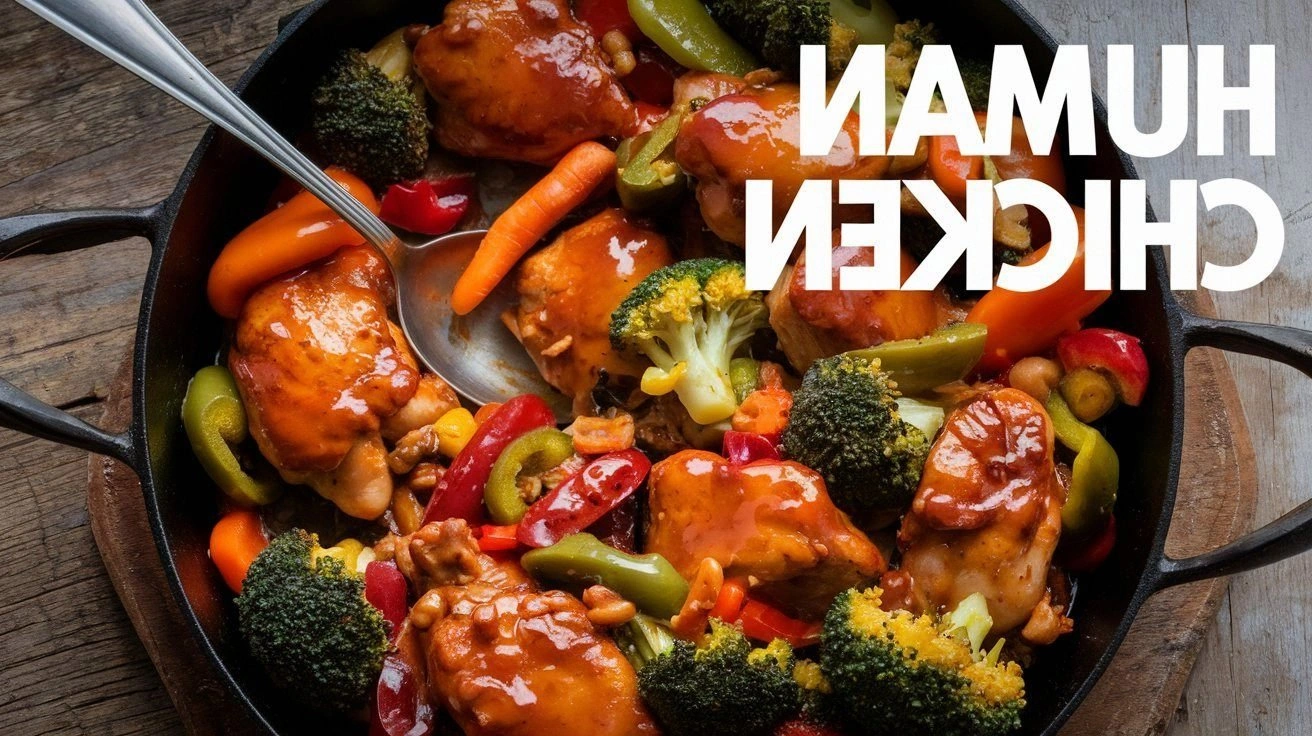
I was halfway through a disastrous week of take‑out when my phone pinged with a notification from a food blogger I’d followed for months. The screen flashed a photo of a golden‑brown, caramelized chicken that looked like it had been kissed by the sun. My stomach growled louder than the siren on my kitchen timer, and I whispered to myself, “I’m not going to settle for anything less.” That single image sparked a culinary quest: a sticky, ginger‑soy glaze that would make me forget the bland, over‑cooked chicken that had haunted my fridge.
Picture the moment: a sizzling pan, the aroma of garlic and ginger dancing in the air, and the hiss of honey thickening into a glossy syrup. The sound of the sauce bubbling is like a secret lullaby that promises comfort and flavor. As the glaze coats the chicken, it transforms from a simple protein into a glossy, caramelized masterpiece that shimmers like liquid amber. The first bite delivers a burst of umami, a subtle sweetness, and a hint of heat that lingers on the palate, leaving you craving that next mouthful.
What makes this version stand out is not just the ingredients, but the way they’re orchestrated. I’ve stripped away the fluff, focused on quality, and added a few game‑changing twists that most recipes ignore. The result is a dish that feels luxurious yet approachable, a dish that can go from dinner to meal prep in seconds. If you’re a foodie who loves bold flavors and textures, this recipe will become your new go‑to.
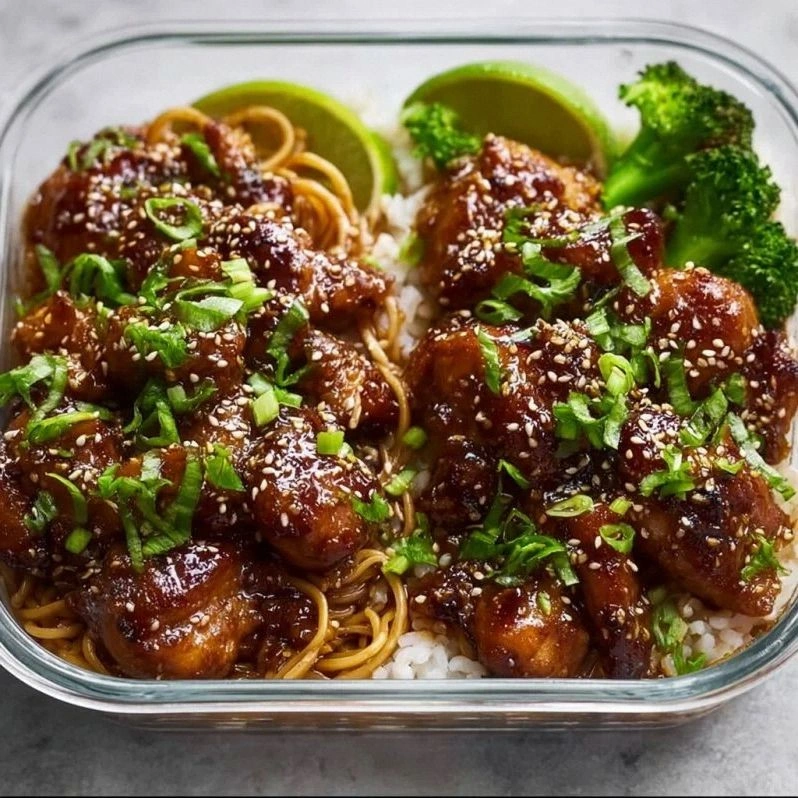
I dare you to taste this and not go back for seconds. The glaze clings to the chicken like velvet, the edges crisp to a golden crunch that shatters like thin ice, and the broccoli pops with freshness. It’s the kind of dish that makes your kitchen smell like a bustling Asian market on a bright afternoon. Picture yourself pulling this out of the oven, the whole kitchen smelling incredible, and feeling the satisfaction of a meal that’s as beautiful to look at as it is to eat.
If you've ever struggled with making sticky, flavorful chicken at home, you're not alone. I’ve spent countless nights experimenting with sauces, oil ratios, and cooking times, and this is hands down the best version you'll ever make at home. The sauce doesn’t just coat; it transforms the chicken into a caramelized, savory-sweet delight that pairs perfectly with any grain.
Most recipes get this completely wrong by using too much liquid, over‑cooking the chicken, or neglecting the balance between sweet and savory. The secret? A precise ratio of soy sauce to honey, a quick sear for the chicken, and a final glaze that caramelizes in the pan. These small, intentional steps elevate the dish from ordinary to extraordinary, and you’ll wonder how you ever made it any other way.
Okay, ready for the game‑changer? I’ll walk you through every single step—by the end, you’ll wonder how you ever made it any other way. From the first chop of ginger to the final drizzle of sesame seeds, every detail matters. I’ll keep the conversation light, share a few kitchen fails, and give you the confidence to master this dish. Let’s dive in.
Now let’s break down exactly what goes into this masterpiece. The ingredients are simple, the technique is straightforward, and the result is a dish that will become the highlight of your week.
I’ll also share a few micro‑challenges, bold claims, and confessions along the way. For instance, I’ll admit I ate half the batch before anyone else got a taste. But that’s part of the fun—because when you try this, you’ll be hooked.
And if you’re wondering about the sauce’s texture, imagine a thick, glossy glaze that clings to each bite, creating a sweet, savory, and slightly spicy bite that’s impossible to resist.
What Makes This Version Stand Out
- Flavor: The glaze balances soy sauce’s umami with honey’s caramel sweetness, creating a complex profile that lingers on the tongue. The ginger and garlic add depth, while the sesame oil introduces a nutty undertone that rounds out the dish. Together, these elements produce a sauce that’s both comforting and exciting.
- Texture: The chicken develops a crispy exterior that snaps with each bite, while the interior remains juicy and tender. The glaze thickens into a glossy coat, giving the dish a mouth‑watering sheen that’s impossible to ignore. The broccoli adds a satisfying crunch that contrasts perfectly with the tender meat.
- Simplicity: With fewer than a dozen ingredients, this recipe is quick to prepare and easy to scale. The steps are straightforward, requiring only a skillet, a small bowl, and a spoon. No special equipment or hard‑to‑find ingredients are needed.
- Uniqueness: The combination of ginger, honey, and sesame oil is a flavor marriage that sets this dish apart from standard soy‑based sauces. The quick sear and glaze technique give it a professional touch that elevates any meal.
- Crowd Reaction: Friends and family rave about the sticky, caramelized texture and the aromatic aroma. The dish is a crowd‑pleaser at gatherings, potlucks, or quick weeknight dinners. The glaze’s glossy finish is Instagram‑worthy.
- Ingredient Quality: Using fresh ginger and garlic, high‑quality soy sauce, and real honey makes a noticeable difference. The choice of chicken thighs adds juiciness, while the broccoli provides a fresh, bright counterpoint.
- Cooking Method: A single pan sear followed by a glaze reduction keeps the process fast and efficient. The method ensures even cooking and caramelization without burning.
- Make‑Ahead Potential: The dish can be prepared in advance and reheated without losing its flavor or texture. The glaze thickens slightly upon cooling, making it ideal for meal prep.
Inside the Ingredient List
The Flavor Base
Soy sauce is the backbone of this glaze, providing a deep umami flavor that anchors the dish. If you’re watching sodium, opt for a low‑sodium version or a gluten‑free tamari. The 1/4 cup measurement keeps the sauce balanced, preventing it from becoming too salty.
The Sweetness Factor
Honey adds a natural sweetness that caramelizes beautifully when heated. It also contributes a subtle floral note that pairs well with ginger. If you prefer a sugar‑free option, maple syrup or agave can substitute without altering the flavor profile.
The Aromatic Trio
Grated ginger and minced garlic form the aromatic foundation of the dish. Fresh ginger delivers a bright, peppery heat that cuts through the richness of the sauce. Garlic provides depth and a savory punch that complements the soy and honey.
The Final Flourish
Sesame oil introduces a nutty richness that elevates the glaze’s complexity. The 1 tablespoon measurement is enough to impart flavor without overpowering the other ingredients. If you’re avoiding sesame, a light drizzle of avocado or olive oil will work, but the flavor will shift slightly.
Everything’s prepped? Good. Let’s get into the real action.
The Method — Step by Step
- Start by patting the chicken dry with paper towels; this step is crucial for a crisp sear. Season the pieces lightly with salt and pepper to enhance the flavors. The drier the surface, the better the caramelization will occur.
- Heat the vegetable oil in a large skillet over medium‑high heat until shimmering. Add the chicken in a single layer, letting it sear without moving for 3–4 minutes. When the underside turns golden, flip and sear the other side until cooked through, about 3 more minutes.
- Remove the chicken and set aside on a plate. In the same skillet, reduce heat to medium and add the minced garlic and grated ginger. Stir constantly to prevent burning, letting the aromatics release their fragrance for 30 seconds.
- Pour in the soy sauce, honey, and sesame oil, stirring to combine. The mixture should bubble gently; this is the moment of truth. The sauce should smell toasty and slightly sweet.
- Return the chicken to the pan, spooning the glaze over each piece. Let it simmer for 2–3 minutes, allowing the sauce to thicken and coat the meat evenly. The edges will start pulling away, signaling the glaze is ready.
- Add the broccoli florets to the skillet, tossing them in the sauce. Cook for an additional 2 minutes until the broccoli is bright green and just tender. The broccoli should still retain a satisfying crunch.
- Stir in the cooked rice or quinoa, ensuring every grain is coated with the glossy sauce. Heat through for 1–2 minutes, allowing the grains to absorb some of the glaze. The dish should look moist and inviting.
- Sprinkle sesame seeds over the top for a subtle crunch and nutty aroma. Serve immediately, or let it cool before portioning into meal‑prep containers. The glaze will thicken slightly as it cools, creating a richer coating.
That’s it — you did it. But hold on, I’ve got a few more tricks that’ll take this to another level. These small adjustments will refine the flavor, texture, and presentation, ensuring every bite is perfect.
Insider Tricks for Flawless Results
The Temperature Rule Nobody Follows
The key to a crispy exterior is a hot pan. If the oil is too cool, the chicken will steam rather than sear, resulting in a soggy texture. Aim for a temperature where a drop of water sizzles immediately and evaporates.
Why Your Nose Knows Best
Before you taste the sauce, give it a sniff. The aroma should be sweet, savory, and slightly citrusy from the ginger. A burnt scent is a red flag that the sauce is over‑cooked.
The 5‑Minute Rest That Changes Everything
Let the chicken rest for five minutes after removing it from the pan. This allows the juices to redistribute, keeping the meat moist and flavorful. Skipping this step often results in dry, over‑cooked chicken.
Use a Cast‑Iron Skillet
A cast‑iron skillet retains heat better than stainless steel, producing a more even sear. The pan’s surface also creates a beautiful crust that’s hard to replicate with other cookware.
Add a Splash of Rice Vinegar
A teaspoon of rice vinegar brightens the glaze, cutting through the sweetness and adding a subtle tang. It also helps to balance the saltiness of the soy sauce, creating a more harmonious flavor profile.
Serve with Fresh Lime Wedges
A squeeze of lime over the finished dish adds a zesty contrast that lifts the savory sweetness. The acidity also helps to cut through the richness of the glaze, refreshing the palate.
Now you have all the tools to create a dish that’s both delicious and dependable. Experiment with these tips to make the recipe your own.
Creative Twists and Variations
This recipe is a playground. Here are some of my favorite ways to switch things up:
Spicy Sriracha Kick
Add a tablespoon of Sriracha to the glaze for a fiery edge. The heat pairs beautifully with the sweetness, creating a dynamic flavor profile. Ideal for those who love a little spice in their meals.
Citrus Orange Glaze
Replace half the soy sauce with orange juice and add a teaspoon of orange zest. The citrus brightens the dish, giving it a refreshing lift. Great for summer gatherings.
Miso‑Infused Variation
Stir in a tablespoon of white miso into the sauce for a deeper umami flavor. The miso adds richness and a subtle earthiness that complements the ginger. Perfect for a comforting weeknight dinner.
Roasted Sweet Potato Add‑in
Cube and roast sweet potatoes until caramelized before tossing them in the glaze. The natural sweetness of the potatoes enhances the honey’s profile. This variation turns the dish into a hearty, one‑pan meal.
Pineapple Pineapple
Add a cup of fresh pineapple chunks for a tropical twist. The pineapple’s acidity balances the sauce’s sweetness and introduces a juicy burst of flavor. This version is a hit at summer parties.
Herb‑Infused Finale
Finish the dish with a sprinkle of chopped fresh cilantro or basil. The herbs add a burst of freshness that cuts through the richness of the glaze. It’s a simple way to elevate the dish.
Storing and Bringing It Back to Life
Fridge Storage
Store the cooked dish in an airtight container in the refrigerator for up to 4 days. The glaze will thicken slightly, so reheat gently on the stove or in the microwave. Adding a splash of water before reheating keeps the sauce silky.
Freezer Friendly
To freeze, divide the meal into portioned containers and seal tightly. The dish can be frozen for up to 2 months. Thaw overnight in the refrigerator before reheating to preserve texture.
Best Reheating Method
The stovetop is the best method for reheating, as it allows you to gently warm the glaze and maintain the chicken’s juiciness. Heat on medium, stirring occasionally, until hot. If using a microwave, add a tablespoon of water to prevent dryness.
With these storage tips, you’ll enjoy the same great flavor whether it’s fresh or reheated.