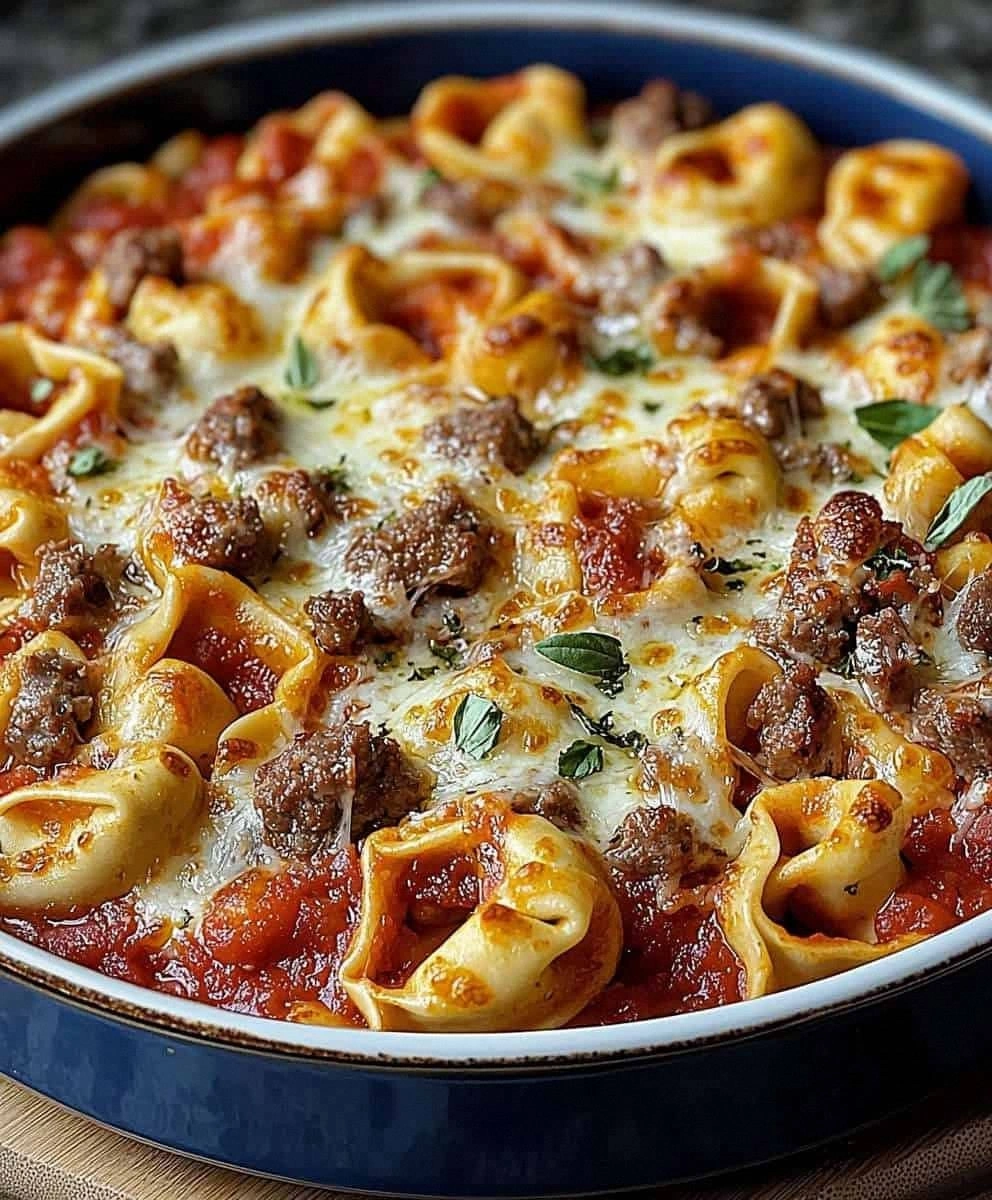
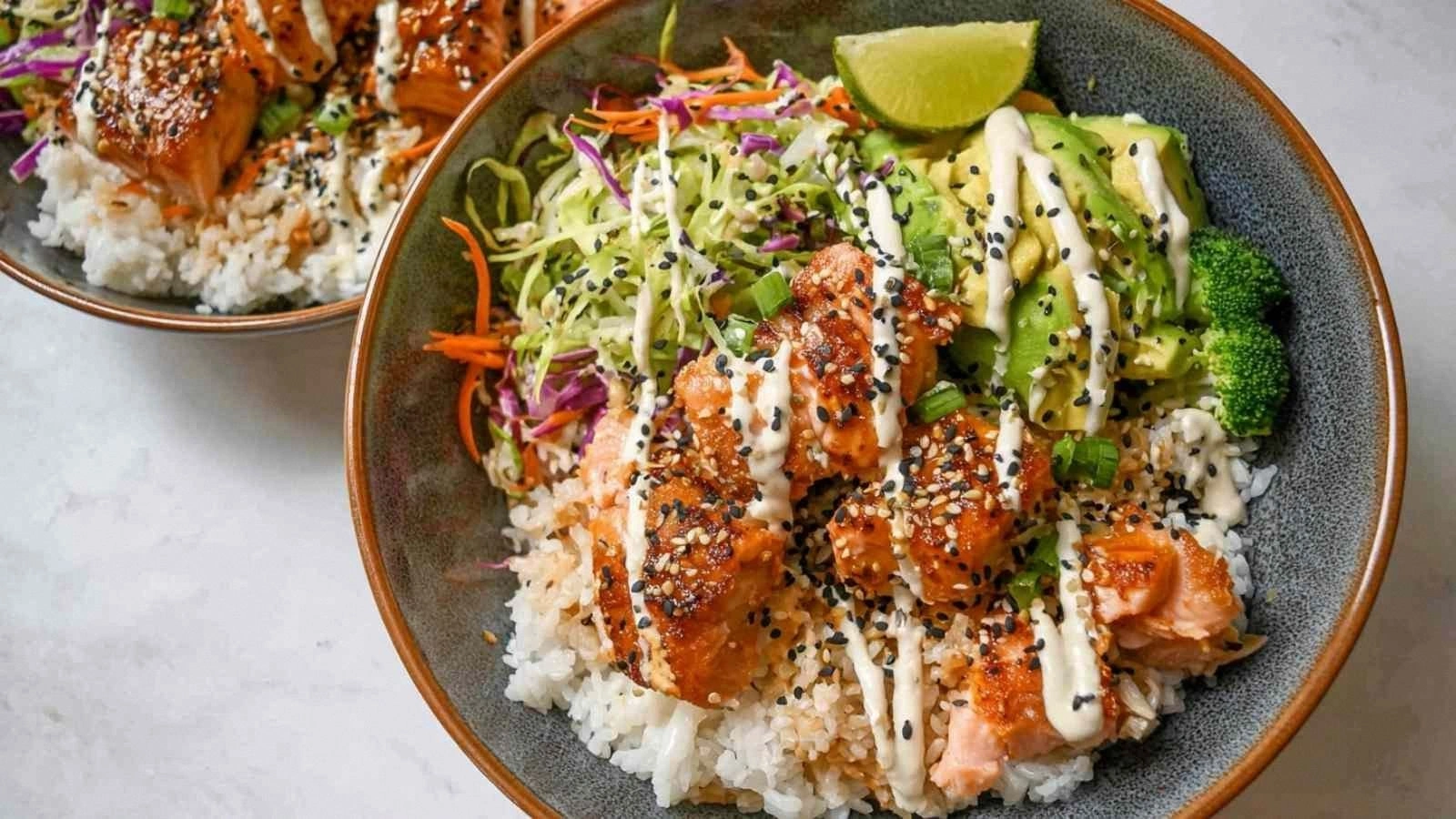
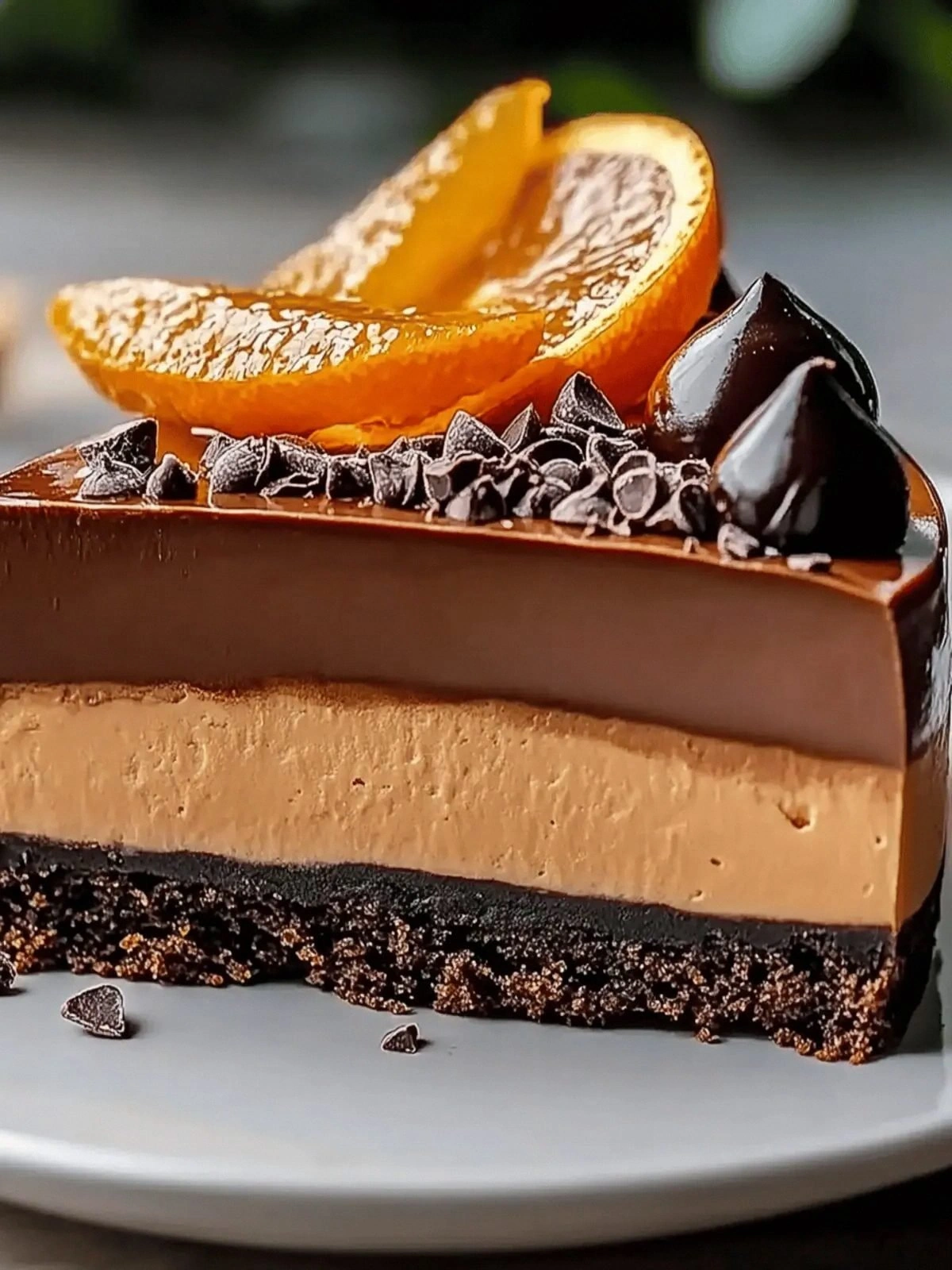
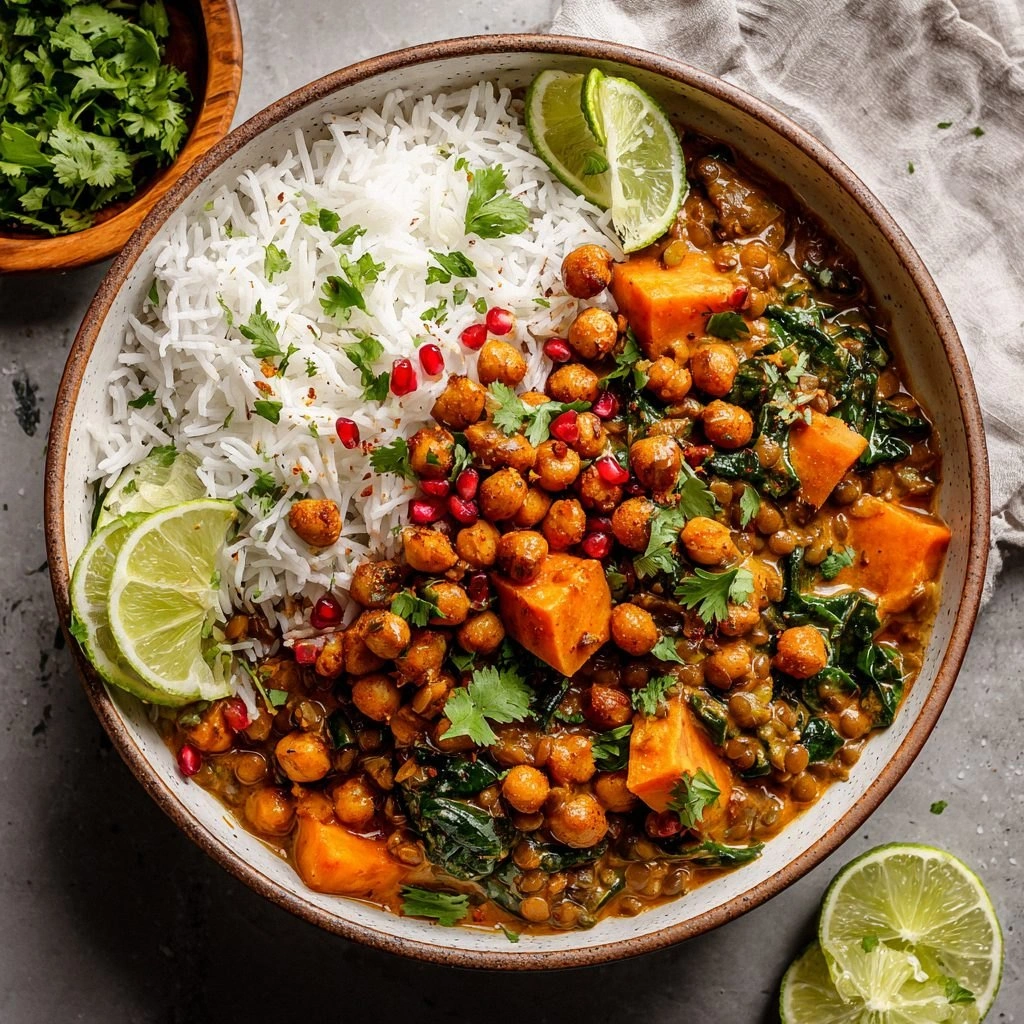
Picture this: a quiet Sunday afternoon, the kitchen clock ticking, and the aroma of roasted garlic and sun‑kissed tomatoes dancing in the air. I was in the middle of a culinary experiment that had me flipping a pot of pasta on a pan, only to realize I’d forgotten the secret to making it silky and comforting without the usual dairy overload. That moment of panic turned into a revelation when I added avocado oil, a splash of vegan butter, and a generous swirl of tomato paste—no, not the canned kind, but the thick, roasted version that caramelizes in the pan. The result? A creamy, one‑pot masterpiece that feels like a hug in a bowl, and I dare you to taste this and not go back for seconds.
I’m not just talking about a dish; I’m talking about a flavor revolution that turns a simple pot of pasta into a theatrical experience. The first thing you’ll notice is the golden crust that forms on the dry penne, the way it sizzles like a tiny firework when you toss it in avocado oil. Then the garlic hits the pan, releasing a sweet, nutty aroma that makes your nose do a happy dance. The tomato paste, when toasted, releases a deep, almost smoky sweetness that lingers long after the dish is plated. Every bite is a contrast of crunchy edges and a velvety sauce that coats the pasta like velvet.
What sets this version apart from the countless “creamy tomato” recipes on the internet is the methodical approach to flavor layering. I’ve perfected the timing so that each ingredient hits the pan at the exact moment it needs to, allowing the flavors to meld without overpowering each other. The use of vegan butter gives the sauce a buttery richness that’s usually missing in plant‑based dishes, while the avocado oil adds a subtle nutty finish that elevates the entire plate. The result is a dish that is both comforting and sophisticated, a perfect balance that will make you question why you ever settled for bland pasta.
And here’s a teaser that will keep you on the edge of your seat: I’ve discovered a way to toast the tomato paste right in the pan, creating a depth of flavor that most recipes miss entirely. This simple tweak turns a standard sauce into a gourmet experience that feels like a five‑star restaurant meal, yet it’s all done in one pot with minimal cleanup. If you’re ready to rewrite your pasta playbook, let’s dive into the details—by the end, you’ll wonder how you ever made it any other way.
What Makes This Version Stand Out
- Flavor Depth: Toasting the tomato paste and dry penne creates caramelized notes that elevate the sauce from ordinary to extraordinary.
- Texture Contrast: The pasta develops a crisp exterior while the sauce remains silky, offering a satisfying bite every time.
- Ingredient Simplicity: Only ten ingredients—no need for fancy pantry staples or obscure spices.
- Vegan-Friendly: Uses vegan butter and parmesan, proving that plant‑based cooking can be just as indulgent.
- Time Efficiency: One‑pot cooking cuts prep and clean‑up time, making it ideal for busy weeknights.
- Make‑Ahead Potential: The sauce holds up well when reheated, allowing you to prepare ahead and enjoy a quick meal later.
- Crowd‑Pleaser: The bold, comforting flavors resonate with both kids and adults, making it a hit at dinner parties.
- Scalable: The recipe scales perfectly from 2 to 8 servings without compromising flavor.
Alright, let's break down exactly what goes into this masterpiece...
Inside the Ingredient List
The Flavor Base
Avocado oil is the unsung hero of this dish. Its high smoke point allows you to toast the garlic and tomato paste without burning, and it imparts a subtle, buttery flavor that complements the acidity of the tomatoes. If you can’t find avocado oil, extra‑virgin olive oil is a decent stand‑in, though it will add a slightly peppery edge. The key is to use an oil that can handle high heat without losing its integrity.
Vegan butter is another cornerstone. It’s the secret to that creamy mouthfeel that makes the sauce feel indulgent. Traditional butter would give you that classic richness, but vegan butter keeps the dish dairy‑free without compromising texture. If you’re watching sodium, look for a low‑salt version or add a pinch of sea salt to compensate.
Vegetable broth is the liquid backbone, providing hydration for the pasta and a subtle savory note that ties everything together. Opt for a low‑sodium version if you’re mindful of salt intake, and consider adding a splash of unsweetened almond milk for extra creaminess.
The Texture Crew
Dry penne is chosen for its tubular shape, which traps the sauce and holds up well during the cooking process. The dry pasta also absorbs the broth slowly, preventing it from becoming mushy. If you prefer a different shape, rigatoni or fusilli can work, but the cooking time may need slight adjustment.
Garlic cloves are the aromatic foundation. Sautéing them in avocado oil releases a sweet, nutty aroma that becomes the flavor backbone. Keep the cloves whole or lightly crushed; this prevents them from becoming bitter and allows you to remove them later if you prefer a smoother sauce.
Tomato paste is the heart of the sauce. By toasting it in the pan, you unlock a deeper, almost caramelized sweetness that contrasts beautifully with the acidity of the tomatoes. If you’re using canned tomato paste, look for a no‑added‑salt variety to maintain control over the seasoning.
The Unexpected Star
Vegan parmesan adds a nutty, cheesy note that is essential for a creamy finish. It melts into the sauce, giving it a cohesive, velvety texture. If you’re allergic to soy, opt for a cashew‑based parmesan; it will still provide that nutty flavor profile.
Chili flakes bring a subtle heat that balances the sweetness of the tomato paste. They’re not overpowering, but they add a layer of complexity that makes the dish feel more dynamic. Feel free to adjust the amount to your heat tolerance.
The Final Flourish
Fresh parsley is the finishing touch, adding a burst of green color and a bright, herbal note that cuts through the richness of the sauce. Chop it finely so it distributes evenly, and sprinkle it on top just before serving for maximum freshness.
Salt and black pepper are the simple seasonings that bring everything together. They’re essential for enhancing the flavors without masking them. Taste as you go and adjust; the key is subtlety.
Everything's prepped? Good. Let's get into the real action...
The Method — Step by Step
- Heat the avocado oil in a large, heavy‑bottom skillet over medium heat until shimmering. Add the whole garlic cloves, letting them sizzle for about 30 seconds until they release a sweet aroma. This is the moment where the kitchen turns into a fragrant laboratory; you’ll hear the subtle crackle that signals the oil is hot enough. Don’t let the garlic brown—once it turns golden, it’s ready to move on.
- Toss in the dry penne and stir vigorously, ensuring every strand gets a thin film of oil. Toast the pasta until the edges begin to turn a light golden brown, about 2 minutes. This step is crucial for adding texture; the toasted bits act like tiny croutons that hold the sauce. Keep the pan moving so the pasta doesn’t stick or burn.
- Add the tomato paste, chili flakes, salt, and pepper, stirring until the pasta is evenly coated. Let the paste sit in the pan for a minute so it caramelizes slightly, releasing a rich, smoky sweetness. The aroma at this point will have you swooning—trust me, it’s worth the wait. If the paste starts to stick, splash a little water to loosen it up.
- Pour in the vegetable broth, then bring the mixture to a gentle simmer. Reduce the heat to low, cover the skillet, and let the pasta cook until al dente, about 10–12 minutes. The broth will reduce slightly, thickening into a sauce that clings to the pasta. Keep an eye on the liquid level; add a splash of broth if it starts to dry out too much.
- Stir in the vegan butter, allowing it to melt completely. The butter will give the sauce a silky, buttery sheen. Watch the sauce bubble as it emulsifies—this is the moment where texture transforms from simple to sublime. If you’re using a lower‑fat butter, you might need to stir a bit longer to achieve the same richness.
- Reduce the heat to medium‑low and add the vegan parmesan, stirring until it melts into the sauce. The parmesan will thicken the mixture slightly, creating that coveted creamy consistency. Taste and adjust seasoning if needed; you might want a pinch more salt to balance the richness.
- Fold in the chopped parsley, letting it wilt just enough to release its bright flavor. Remove the garlic cloves if you prefer a smoother sauce, or leave them in for a rustic touch. The final stir ensures every strand of pasta is coated in the velvety sauce.
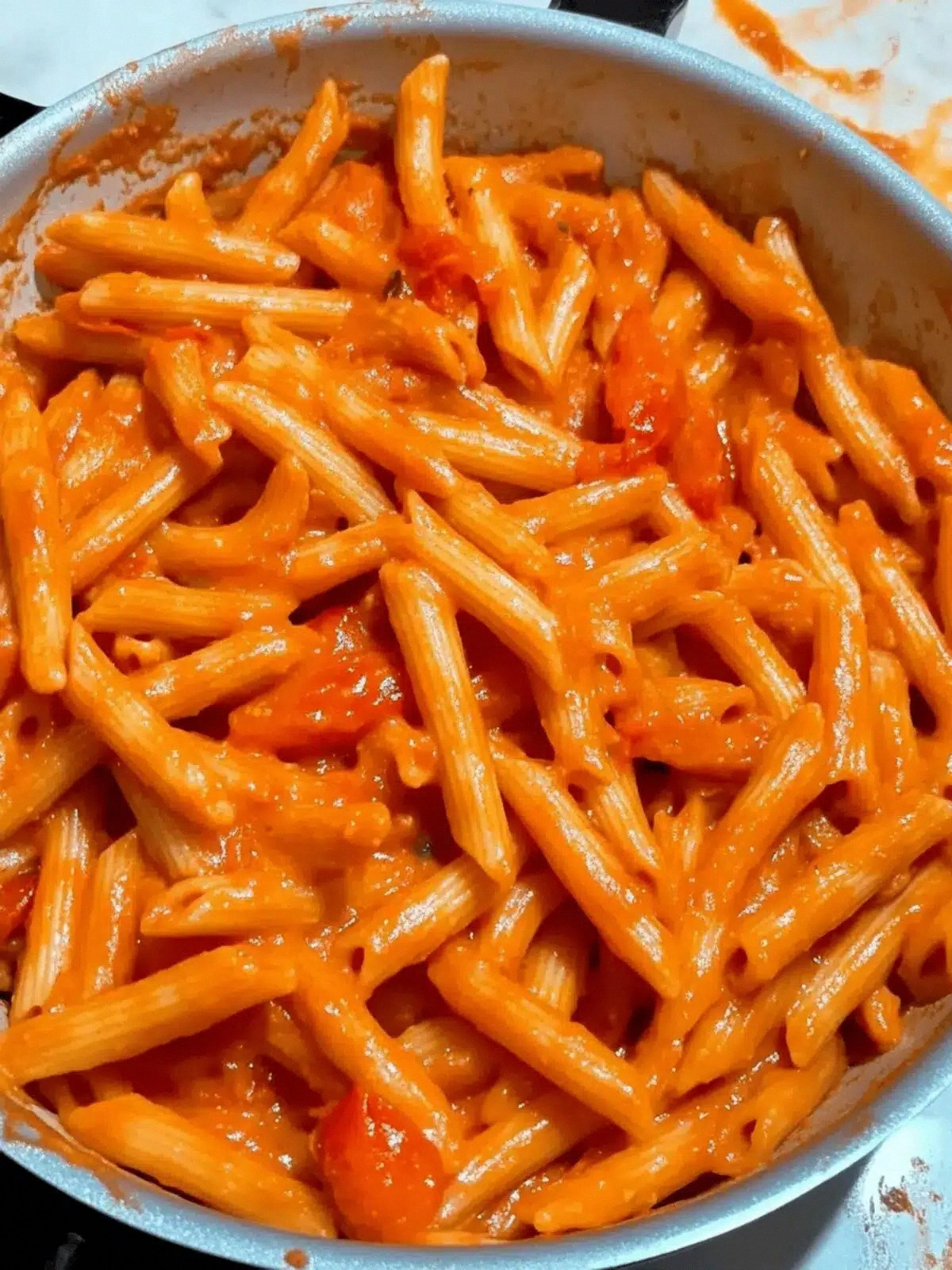
- Serve hot, straight from the skillet, with an optional drizzle of avocado oil for extra shine. Garnish with a sprinkle of extra vegan parmesan or a few more parsley leaves for a pop of color. The dish should look as inviting as it tastes—golden edges, glossy sauce, and a fresh green accent.
That's it — you did it. But hold on, I've got a few more tricks that'll take this to another level...
Insider Tricks for Flawless Results
The Temperature Rule Nobody Follows
Cooking pasta in a pan requires a gentle touch. The broth should be at a low simmer, not a rolling boil. A rolling boil forces the pasta to cook unevenly and can cause the sauce to separate. Keep the heat steady and let the sauce reduce slowly; this ensures a smooth, cohesive texture.
Why Your Nose Knows Best
The aroma of toasted tomato paste is a reliable indicator of flavor development. If the smell is faint, you’re under‑cooking the paste, and the sauce will taste raw. If it’s too smoky, you’ve over‑toasted it, and the dish will become bitter. Trust your nose and adjust the heat accordingly.
The 5‑Minute Rest That Changes Everything
After you finish cooking, let the skillet sit covered for five minutes before serving. This rest period allows the pasta to finish absorbing the sauce and the flavors to meld. It also prevents the sauce from drying out on the stovetop.
The Garlic Trick
Sautéing garlic whole keeps the flavor mild and prevents bitterness. If you prefer a punchier garlic taste, crush the cloves before adding them to the pan. Just be sure to remove them before serving if you want a smoother sauce.
The Parsley Finale
Adding parsley at the end preserves its bright, fresh flavor. If you add it too early, it can become wilted and lose its color. A quick fold in at the last moment keeps the dish vibrant and aromatic.
Creative Twists and Variations
This recipe is a playground. Here are some of my favorite ways to switch things up:
Sausage & Spinach Surprise
Add sliced plant‑based sausage and fresh spinach halfway through the cooking process. The sausage brings a smoky depth, while the spinach adds a pop of color and nutrients. This version is perfect for a hearty lunch.
Mushroom Medley
Sauté sliced mushrooms with the garlic before adding the tomato paste. The earthy flavor pairs wonderfully with the tomato base, creating a richer, umami‑laden sauce.
Almond Crumble Crunch
Top the finished dish with toasted almond slivers for a nutty crunch. The almonds add a subtle crunch that contrasts beautifully with the creamy sauce, making each bite exciting.
Zesty Lemon Twist
Finish with a squeeze of fresh lemon juice and a sprinkle of lemon zest. The citrus brightens the dish and cuts through the richness, giving it a refreshing finish.
Pesto Power
Stir in a tablespoon of basil pesto after the sauce has thickened. The pesto adds a herbaceous layer that complements the tomato and vegan parmesan, turning the dish into a flavor explosion.
Spicy Jalapeño Kick
Dice a jalapeño and add it with the garlic for an extra burst of heat. The jalapeño will mingle with the tomato paste, creating a spicy, savory sauce that’s perfect for heat lovers.
Storing and Bringing It Back to Life
Fridge Storage
Cool the pasta completely before refrigerating. Store in an airtight container for up to 3 days. The sauce may thicken slightly; a splash of vegetable broth or a drizzle of avocado oil will restore its silky texture when reheated.
Freezer Friendly
Freezing is a great option for meal prep. Pack the dish in a freezer‑safe container and label with the date. Freeze for up to 2 months. When ready to eat, thaw overnight in the fridge, then reheat on the stovetop with a splash of broth.
Best Reheating Method
Reheat gently over low heat, stirring frequently. Add a tiny splash of water or broth to loosen the sauce. This technique prevents the sauce from drying out and keeps the pasta moist and flavorful.