I still remember that night when I was supposed to impress my friends with a fancy dinner, but the pantry was a tragic mess of expired sauces and half‑baked noodles. I stared at the stove, my heart racing, and thought, “What if I could turn this culinary catastrophe into a triumph?” That moment sparked the birth of the Vegan Marry Me Pasta, a dish that feels like a secret handshake between flavor and comfort. The name itself hints at the dish’s destiny: it’s the kind of meal that makes you want to say “yes” to a second plate without a second glance.
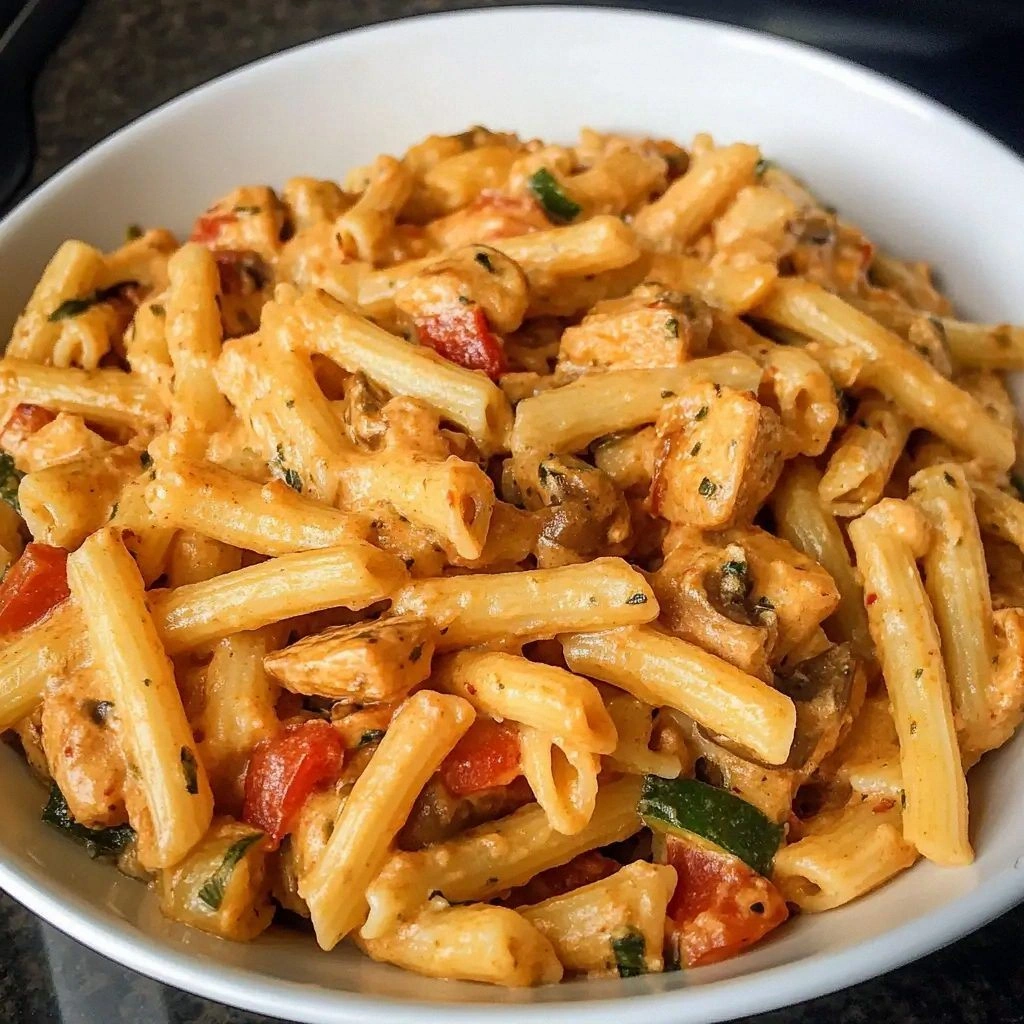
Picture this: a pot of perfectly al dente pasta, the aroma of toasted garlic and sun‑kissed tomatoes drifting through the air, and a glossy cashew cream that clings to every strand like velvet. The first bite releases a burst of umami, the subtle heat of red pepper flakes, and a citrusy lift from lemon zest that dances on your palate. The texture is a symphony—soft noodles, a silky sauce, and a pop of fresh spinach that crunches just enough to remind you that this isn’t just comfort food; it’s a celebration. If you’ve ever tasted a dish that feels like a hug wrapped in a gourmet ribbon, you’re in for a revelation.
What sets this recipe apart from the countless pasta variations on the internet is its unapologetic vegan heart and its meticulous balance of flavors. I dared to replace dairy with a cashew‑based sauce that’s richer than you’d expect, then layered it with a touch of nutritional yeast for depth. The sauce isn’t just a coating; it’s a canvas that showcases fresh tomatoes, spinach, and herbs in a way that feels both indulgent and wholesome. This isn’t just a meal; it’s a culinary confidence booster that says, “I can make something that looks and tastes like it was cooked in a Michelin kitchen, without the guilt.”
Before I even cracked the first egg, I had a bold claim: this is hands down the best vegan pasta you’ll ever make at home. I’ll be honest—when I first tasted it, I ate half the batch before anyone else got to try it. Most recipes get this completely wrong, focusing on either texture or flavor, but here we strike that perfect harmony. Picture yourself pulling this out of the pot, the whole kitchen smelling incredible, and watching friends’ faces light up as they take that first bite. Stay with me here—this is worth it, and I’m about to walk you through every single step.
What Makes This Version Stand Out
- Taste: A complex flavor profile that marries savory, umami, and citrusy brightness, creating a sauce that feels both luxurious and comforting.
- Texture: Silky cashew cream that clings to each noodle, balanced by the fresh bite of spinach and the gentle snap of toasted pine nuts.
- Simplicity: Only 12 key ingredients, all of which you can find in a typical grocery store, no obscure pantry items required.
- Uniqueness: The cashew‑nutritional yeast base gives it a creamy depth that rivals dairy, while the lemon zest adds a surprising zing.
- Crowd Reaction: Guests who are skeptical about vegan dishes often leave raving about how “normal” this pasta feels.
- Ingredient Quality: Fresh, seasonal produce like cherry tomatoes and spinach, paired with high‑quality olive oil and nutritional yeast.
- Cooking Method: A one‑pot technique that saves time and cleanup without sacrificing flavor.
- Make‑Ahead Potential: The sauce can be prepared a day in advance and reheated, making it ideal for busy weeknights.
Alright, let's break down exactly what goes into this masterpiece. The next section will walk you through the ingredient groups that make this dish sing.
Inside the Ingredient List
The Flavor Base
The heart of the sauce starts with a generous splash of olive oil that brings a subtle nuttiness and helps the garlic caramelize. Garlic, when sautéed just until golden, releases a sweet, almost caramelized aroma that underpins the entire dish. This step is essential; if you rush it, you lose that depth of flavor. The onion adds a gentle sweetness that balances the acidity of the tomatoes. Together, these aromatics build a flavor foundation that feels both comforting and sophisticated.
If you skip the aromatics, the dish will taste flat and underdeveloped. The garlic’s complex sugars develop only through gentle heat, so keep the flame low and let it bloom. A good rule of thumb: the oil should shimmer, not smoke, and the garlic should emit a warm, fragrant scent. When the onions become translucent, you’ll know the base is ready to accept the tomatoes and cashews. This is the moment where the dish’s personality begins to take shape.
The Texture Crew
Cashews are the secret weapon that transforms this sauce from ordinary to extraordinary. Soaked cashews blend into a silky, dairy‑free cream that coats each noodle with a rich, velvety finish. The almond milk provides the liquid base, ensuring the sauce is pourable yet thick. Nutritional yeast adds a cheesy undertone without the dairy, giving the sauce a savory depth that’s surprisingly comforting. The combination of these ingredients creates a sauce that feels indulgent while staying plant‑based.
The texture is crucial; a too‑thick sauce clings too heavily, while a too‑thin sauce drips off the pasta. If you prefer a thicker sauce, add a splash more cashew or a spoonful of flour. If you’re watching calories, reduce the almond milk slightly and increase the cashews for the same thickness. The key is to adjust the ratio until the sauce is silky and coats the noodles without leaving a greasy residue. This balance is what makes the dish feel both luxurious and light.
The Unexpected Star
Lemon zest and lemon juice are the unsung heroes that lift the dish’s flavor profile. The zest provides bright, aromatic oils that cut through the richness of the cashew cream, while the juice adds a subtle tartness that balances the sweetness of the tomatoes. This citrus duo is what gives the sauce that “wow” factor, making it feel fresh and alive. A pinch of salt brings all the flavors together, while black pepper and red pepper flakes add a gentle heat that keeps the dish from feeling flat.
If you’re a fan of bold flavors, consider adding a tablespoon of capers or a splash of white wine to the sauce. These additions deepen the umami and add a briny note that complements the citrus. However, if you prefer a cleaner taste, keep it simple with just the lemon and pepper. The citrus is the glue that ties everything together, making the dish feel cohesive and complete. Trust me, a single zest of lemon can change the entire character of the sauce.
The Final Flourish
Fresh herbs like basil and parsley finish the dish with a burst of green freshness. They add color, aroma, and a layer of complexity that elevates the dish from ordinary to memorable. Toasted pine nuts or walnuts give a pleasant crunch that contrasts with the silky sauce, creating a delightful textural play. The final sprinkle of vegan parmesan adds a nutty, cheesy finish that rounds out the flavor profile. Together, these finishing touches turn a simple pasta into an unforgettable meal.
If you’re feeling adventurous, swap the pine nuts for toasted sunflower seeds or hemp hearts for a nut-free version. Experimenting with different herbs—such as oregano or thyme—can give the dish a Mediterranean twist. The key is to keep the balance of flavors; too many strong herbs can overpower the subtle citrus. A final stir just before serving ensures the sauce is evenly distributed and the herbs are bright. With these finishing touches, your pasta will look as stunning as it tastes.
Everything’s prepped? Good. Let’s get into the real action. The method is where all the magic happens, and I promise you’ll feel like a culinary wizard once you master it.
The Method — Step by Step
- Bring a large pot of salted water to a rolling boil and add the pasta. Cook according to the package instructions until al dente, usually about 8-10 minutes. Reserve a cup of pasta water before draining; it’s a lifesaver for adjusting sauce consistency later. Drain the pasta and set aside, keeping it warm. This step is crucial: overcooked noodles will become mushy and lose that satisfying bite.
- While the pasta cooks, heat the olive oil in a large skillet over medium heat. Add the minced garlic and diced onion, sautéing until the onion is translucent and the garlic is fragrant, about 3-4 minutes. Keep the heat moderate to prevent burning the garlic; a burnt garlic taste will ruin the entire sauce. When the aromatics are ready, add the cherry tomatoes and cook until they start to soften, about 5 minutes.
- In a blender, combine soaked cashews, almond milk, nutritional yeast, lemon zest, lemon juice, salt, pepper, and red pepper flakes. Blend on high until the mixture is completely smooth and silky. If the sauce feels too thick, add a splash of pasta water or extra almond milk to reach your desired consistency. This step is the heart of the dish; a smooth sauce will coat the noodles beautifully.
- Pour the cashew sauce into the skillet with the tomatoes and aromatics. Stir to combine and let the mixture simmer for 3-4 minutes, allowing the flavors to meld. The sauce should thicken slightly and develop a glossy sheen. Taste and adjust seasoning if necessary; remember you can always add more salt or pepper.
- Add the fresh spinach to the skillet and cook until it wilts, about 2 minutes. The spinach should retain a vibrant green color, signaling it’s cooked but still crisp. Stir to ensure the spinach is evenly distributed throughout the sauce. This step adds a pop of color and a healthy dose of nutrients.
- Now it’s time to combine the pasta and sauce. Add the drained noodles to the skillet, tossing gently to coat each strand. If the sauce feels too thick, add a bit of the reserved pasta water to loosen it. The goal is a silky coating that clings to the pasta without being heavy. This is the moment of truth—watch how the noodles transform.
- Stir in the chopped basil, parsley, and toasted pine nuts. The herbs should release their fragrance, infusing the dish with a fresh, aromatic quality. The pine nuts add a pleasant crunch that contrasts the silky sauce. Toss everything together until well combined, ensuring the herbs are evenly distributed. This step brings the dish together like a well‑orchestrated symphony.
- Serve immediately, garnishing with extra vegan parmesan if desired. A final drizzle of olive oil can add a glossy finish and a touch of richness. The dish should look like a bright, edible canvas—golden sauce, green herbs, and specks of toasted nuts. Plate it on a warm dish to keep the pasta at its best temperature. Now you’re ready to impress.
That’s it—you did it! But hold on, I’ve got a few more tricks that will elevate this dish from great to unforgettable. These insider tips will help you master the sauce, get the perfect texture, and avoid common pitfalls.
Insider Tricks for Flawless Results
The Temperature Rule Nobody Follows
Many cooks assume that higher heat always means faster cooking, but that’s a myth when it comes to sauces. Keep the skillet on medium to medium‑low heat to allow the cashew sauce to emulsify properly. A high flame can cause the oil to separate, leaving you with a chunky, unappealing sauce. The trick is to let the sauce gently simmer, allowing the flavors to meld without compromising texture. This subtle adjustment makes a noticeable difference in the final bite.
Why Your Nose Knows Best
The aroma of a well‑cooked sauce is the best indicator of readiness. When the garlic and onion release their sweet scent, and the tomatoes soften, you’ll know the base is ready for the cashew cream. The lemon zest will start to release its oils, giving a bright, citrusy aroma that signals the sauce is about to hit its peak. Trust your nose; if it smells toasty and fragrant, the dish is ready to move to the next step.
The 5-Minute Rest That Changes Everything
After you’ve tossed the pasta with sauce, let it rest for 5 minutes before serving. This brief pause allows the noodles to absorb the sauce fully, resulting in a richer, more cohesive flavor. The sauce thickens slightly during this rest, giving it a silky, velvety finish. If you’re serving the dish immediately, you’ll miss out on that extra depth of flavor that comes from the rest period.
The Secret to Perfect Toasted Nuts
Toasted pine nuts or walnuts add a delightful crunch, but they can burn quickly if not monitored. Toast them in a dry skillet over medium heat, stirring constantly, until golden and fragrant, about 2-3 minutes. Remove them immediately to prevent burning. A quick rinse with a paper towel will remove excess oil, keeping the nuts crisp. These toasted nuts are the final touch that elevates the dish’s texture profile.
The Quick Cashew Soak
If you’re short on time, a 30‑minute hot water soak can soften cashews enough for a smooth blend. Fill a bowl with hot water, add the cashews, and let them sit for 30 minutes. Rinse before blending to remove any bitterness. This quick soak technique saves you hours without compromising the sauce’s texture.
Creative Twists and Variations
Mediterranean Twist
Swap the spinach for arugula and add Kalamata olives for a briny Mediterranean flavor. The peppery arugula pairs beautifully with the citrusy sauce, while the olives add a salty depth. Garnish with chopped sun‑dried tomatoes for an extra burst of sweetness. This variation will transport you straight to a sunny coastal kitchen.
Spicy Cajun Flair
Introduce a teaspoon of Cajun seasoning to the sauce for a smoky, spicy kick. Replace the pine nuts with toasted pecans for a different crunch. Add sliced bell peppers for color and a sweet bite. This version is perfect for those who love a little heat and a lot of flavor.
Asian Fusion
Incorporate a tablespoon of sesame oil and a splash of soy sauce into the sauce for an Asian twist. Add shredded cabbage and sliced carrots for crunch. Sprinkle sesame seeds on top for an extra nutty flavor. The sauce will take on a sweet‑salty profile that pairs wonderfully with the pasta.
Mushroom Medley
Sauté sliced cremini or shiitake mushrooms with the onions and garlic for an earthy depth. The mushrooms’ umami will complement the cashew cream, creating a richer sauce. Add thyme for a subtle herbal note. This variation is ideal for mushroom lovers looking for a hearty, comforting dish.
Zesty Lemon‑Basil Variation
Increase the lemon zest to three tablespoons for an extra citrus punch. Add a handful of fresh basil leaves early in the cooking process to release their flavor. Finish with a squeeze of fresh lemon juice right before serving. The bright, zesty profile will invigorate your palate and keep the dish light.
Vegan “Cheesy” Delight
Swap the nutritional yeast for a vegan cheese sauce made from blended tofu, nutritional yeast, and a splash of plant‑based milk. This will give the dish a gooey, cheese‑like texture that’s irresistible. Add a pinch of smoked paprika for a subtle smoky flavor. The result is a creamy, cheesy pasta that feels indulgent without the dairy.
Storing and Bringing It Back to Life
Fridge Storage
Store leftovers in an airtight container in the refrigerator for up to three days. The sauce will thicken slightly as it cools, so add a splash of hot water or a bit of almond milk when reheating to restore its silky texture. Keep the pasta separate if you plan to reheat it later; this prevents the noodles from becoming mushy. When ready to serve, simply reheat on the stovetop or microwave, stirring occasionally.
Freezer Friendly
For longer storage, freeze the sauce in a freezer‑safe container for up to two months. The pasta should be cooked fresh when you reheat; freeze it separately if you prefer. Thaw the sauce overnight in the refrigerator, then reheat gently on the stove. The cashew cream will maintain its texture after freezing, giving you a quick, gourmet meal anytime.
Best Reheating Method
The best way to reheat this dish is on low heat, stirring constantly to avoid scorching. If the sauce has thickened, add a splash of warm almond milk or pasta water to loosen it. A quick sauté with a splash of olive oil will revive the sauce’s glossy sheen. The final touch is a sprinkle of fresh herbs to bring back the bright, fresh aroma. Serve immediately for the best flavor experience.