I was halfway through a week of bland take‑out when my phone buzzed with a text from a friend: “You’ve got to try this instant pot cabbage thing, it’s a game‑changer.” I stared at the recipe, half‑satisfied with the idea of a quick dinner, and then realized my kitchen was a chaotic mess—spices scattered like confetti, onions sliced into a sad pile, and a pot that seemed to have a mind of its own. That moment of kitchen panic turned into a culinary dare: I’d turn that humble cabbage into something that would make my taste buds shout, “Who invited this?”
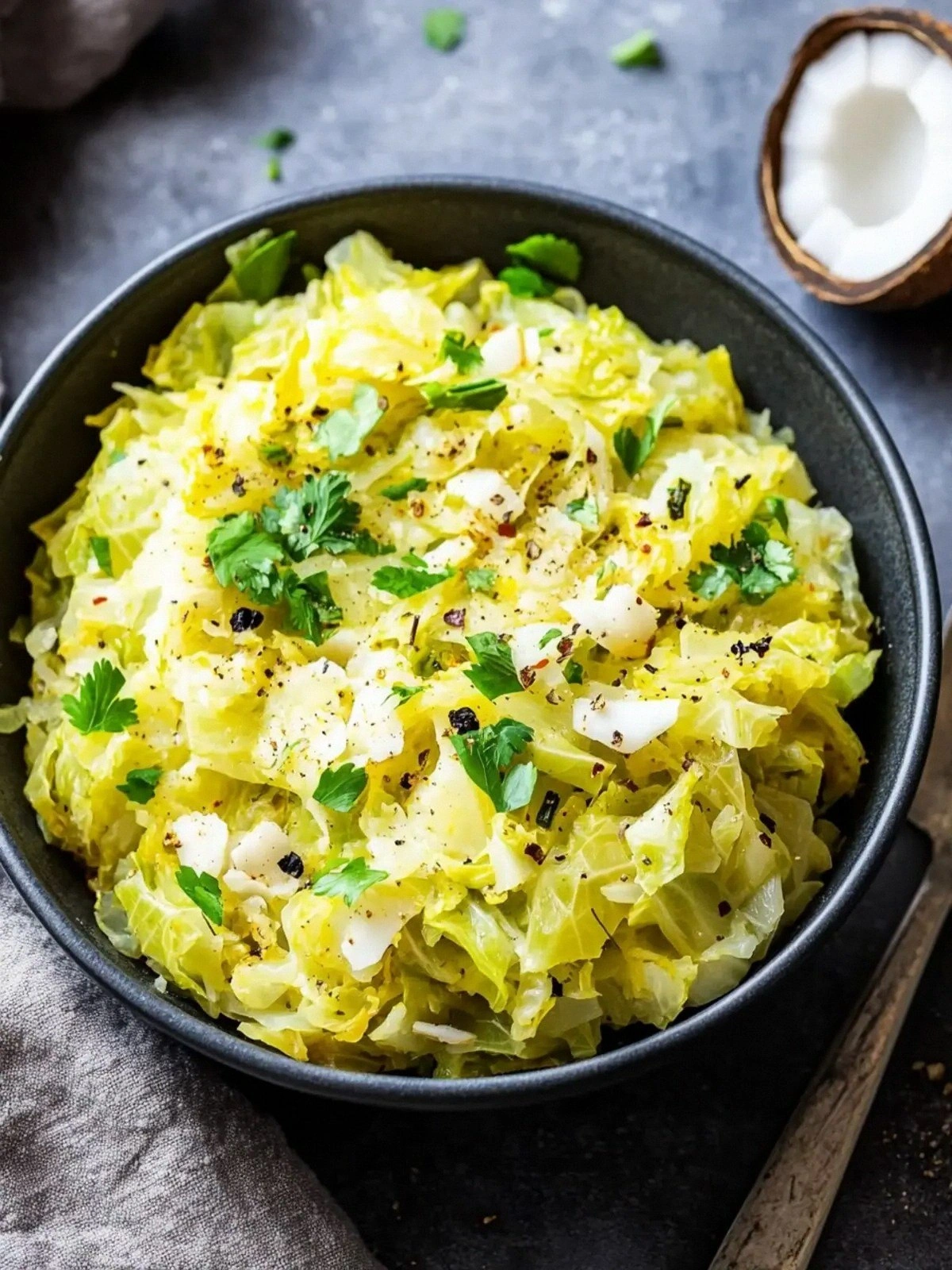
The first thing you notice is the aroma that rises from the pot: a sweet, nutty scent of toasted coconut mingled with the sharp tang of lime, while the faint scent of mustard seeds crackles like a tiny firework. The sound is a satisfying sizzle as garlic and onion hit the coconut oil, a gentle pop when the red chili releases its heat, and a soft, bubbling chorus when the water starts to steam. Visually, the cabbage turns a deep emerald green, its edges crisping into a caramelized fringe that looks almost like a golden crown. The texture is a delightful contrast—soft, tender leaves wrapped in a subtle crunch, with a hint of coconut flakes that give a whisper of tropical beach sand. And the taste? It’s a bright, zesty punch that dances on the tongue, leaving a lingering citrus finish that feels like a summer breeze on a hot day.
What sets this version apart is that it’s not just about cabbage. The recipe layers flavors—coconut oil for richness, mustard seeds for that classic Indian bite, mild curry powder to bring depth without overwhelming heat, and turmeric for a golden glow and anti‑inflammatory benefits. It’s a dish that’s both comforting and adventurous, a single pot meal that can be served over rice, quinoa, or even as a hearty side. The best part is that it’s unbelievably simple, yet it feels like a gourmet creation. I dare you to taste this and not go back for seconds.
And there’s a twist you won’t expect: a splash of lime juice at the very end, not to sour the dish but to lift the flavors like a bright spotlight. That small addition transforms the entire experience, making it feel fresh and alive. Let me walk you through every single step—by the end, you’ll wonder how you ever made it any other way.
What Makes This Version Stand Out
- Flavor Depth: The combination of coconut oil, mustard seeds, and mild curry powder creates a layered profile that feels both exotic and comforting. Each spice sings in its own right while supporting the others, preventing any single note from overpowering the dish.
- Texture Contrast: The cabbage is cooked just enough to stay firm, giving a pleasant bite, while the desiccated coconut adds a chewy, almost crunchy element that breaks the monotony of a single vegetable.
- Ease of Preparation: The Instant Pot does the heavy lifting—no need to watch a pot boil or worry about overcooking. One pot, one cleanup, and the kitchen stays tidy.
- Healthful Ingredients: With low-fat coconut oil, unsweetened coconut, and fresh lime, the dish is rich in healthy fats, fiber, and antioxidants, making it a guilt‑free indulgence.
- Make‑Ahead Friendly: This recipe keeps its flavor profile even after refrigeration. The spices deepen, and the coconut’s texture remains intact, making it perfect for meal prep.
- Versatility: Serve it over rice, toss with noodles, or use it as a filling for tacos. The bright, zesty flavor pairs well with a variety of proteins and grains.
- Crowd‑Pleaser: Friends always ask for the recipe after the first dinner. The dish is bold yet approachable, making it a hit at family gatherings.
- Time Efficiency: From prep to plate, it takes less than 45 minutes, saving you precious time on busy weeknights.
Alright, let’s break down exactly what goes into this masterpiece…
Inside the Ingredient List
The Flavor Base
Coconut oil is the foundation that gives the dish a silky, tropical richness without overpowering the other flavors. It also helps the spices adhere to the vegetables, creating a uniform coating that ensures every bite is bursting with taste. Skipping it would leave the dish feeling dry and uncoated, like a salad that never gets dressed. If you’re avoiding dairy, coconut oil is a perfect non‑dairy alternative that still offers that buttery mouthfeel. A good tip: use a light, unrefined coconut oil for a more pronounced coconut aroma.
The Texture Crew
The cabbage itself is the star—its fibrous structure holds up well under pressure, turning into tender leaves with a slight crunch that keeps the dish interesting. Carrots add a subtle sweetness and a pop of color that balances the greens. If you’re craving a different vegetable, zucchini or bell pepper can replace carrots for a milder flavor. When selecting cabbage, look for a firm head with crisp, unblemished leaves; this ensures the texture remains firm after cooking. A common mistake is using pre‑shredded cabbage, which tends to become mushy; fresh, whole cabbage is best.
The Unexpected Star
Desiccated unsweetened coconut is the secret to that tropical undertone. It adds a subtle crunch and a whisper of sweetness that balances the sharpness of lime and the heat of chili. If you can’t find unsweetened coconut, shredded coconut can work, but be sure to rinse it to remove excess sugar. Another swap is to use shredded coconut milk for a creamier texture, though this changes the dish’s overall consistency.
The Final Flourish
Lime or lemon juice is the final touch that brightens the entire dish. It cuts through the richness and adds a refreshing zing that makes the flavors pop. If you’re in a pinch, a splash of rice vinegar can mimic the acidity, but the citrus will give a more vibrant finish. Olive oil is used for sautéing the aromatics, providing a subtle fruity base that complements the coconut. A quick tip: use extra‑virgin olive oil for a more pronounced flavor, but a light olive oil works fine if you prefer a milder taste.
Everything’s prepped? Good. Let’s get into the real action…
The Method — Step by Step
- Turn on the Instant Pot and select the “Sauté” setting. Add the coconut oil and let it shimmer before the oil begins to bubble. This pre‑heat step is crucial; it ensures the oil coats the aromatics evenly and prevents sticking. When the oil is hot, add the chopped onion and let it soften for about 2 minutes, stirring occasionally.
- Introduce the minced garlic and sliced red chili to the pot. The garlic should start to turn translucent within 30 seconds, releasing its aroma. The chili’s heat will gradually mingle with the onion, creating a fragrant base that feels like a sunrise in a bowl.
- Stir in the mustard seeds or mustard powder. If using seeds, watch for the little pop—they’re a sign they’re releasing their essential oils. If using powder, sprinkle evenly to avoid clumping. This step is where the dish begins to feel like a seasoned masterpiece.
- Add the shredded cabbage and carrot to the pot. Toss them with the aromatics so every leaf is coated in the flavorful base. The vegetables should start to wilt slightly, indicating they’re absorbing the spices. Keep the mixture moving to avoid any uneven cooking.
- Sprinkle in the mild curry powder and turmeric. Stir vigorously for 1 minute, allowing the spices to toast and release their oils. This toasting step is a game‑changer; it deepens the flavor and gives the dish its vibrant golden hue.
- Pour in the water and add the desiccated coconut. Stir until everything is evenly distributed. The water should just cover the vegetables, creating a gentle steam that cooks them evenly.
- Close the lid, set the valve to “Sealing,” and select the “Manual” or “Pressure Cook” setting for 3 minutes at high pressure. The short cooking time preserves the cabbage’s bright color and slight crunch.
- Once the timer finishes, allow a natural pressure release for 5 minutes before quick‑releasing the remaining pressure. This gentle release prevents the vegetables from becoming mushy.
- Open the lid and drizzle the lime or lemon juice over the top. Toss everything together; the acidity will brighten the flavors and give the dish a fresh finish. If you prefer a milder citrus note, reduce the amount by half.
That’s it — you did it. But hold on, I’ve got a few more tricks that’ll take this to another level. Keep reading, and you’ll learn how to elevate the dish from ordinary to unforgettable.
Insider Tricks for Flawless Results
The Temperature Rule Nobody Follows
While the Instant Pot is great for quick cooking, the secret to perfect texture lies in the final simmer. After the pressure release, set the pot to “Sauté” for an additional 2 minutes on low heat. This gentle simmer allows the flavors to meld without overcooking the cabbage, preserving that crisp bite.
Why Your Nose Knows Best
Before you add the lime juice, give the dish a quick sniff. If it smells too oily or too sweet, adjust the balance with a splash of water or a pinch of salt. Your nose is the most reliable flavor detector, and a quick aroma check can save you from an off‑balance meal.
The 5‑Minute Rest That Changes Everything
After opening the Instant Pot, let the dish rest for 5 minutes before serving. This brief pause allows the steam to redistribute, ensuring that every bite is evenly seasoned and the coconut flakes settle into a pleasant, uniform texture.
Use a Spatula for Even Distribution
When tossing the cabbage and spices, use a wooden spatula instead of a metal spoon. The wooden utensil won’t heat the pot’s surface too quickly and helps keep the vegetables from sticking or scorching.
Adjusting Heat for a Tangier Finish
If you’re a fan of extra citrus, add a second squeeze of lime after the final stir. The fresh juice will cut through the richness and give the dish a lively, refreshing edge that’s perfect for hot days.
Creative Twists and Variations
This recipe is a playground. Here are some of my favorite ways to switch things up:
Spicy Peanut Crunch
Swap the olive oil with creamy peanut butter and add a tablespoon of hoisin sauce. The nutty base turns the dish into a Thai‑inspired delight, perfect for pairing with jasmine rice.
Smoky Chipotle Version
Replace the mild curry powder with chipotle powder and add a dash of smoked paprika. The smoky heat adds depth, making it a great accompaniment to grilled meats.
Herbed Mediterranean Twist
Introduce dried oregano, thyme, and a handful of chopped parsley. This version leans into Mediterranean flavors, pairing wonderfully with feta cheese and olives.
Vegan Protein Boost
Add a cup of cooked chickpeas or lentils for protein. The legumes absorb the spices beautifully, turning the dish into a hearty, plant‑based main course.
Breakfast Brunch Variation
Serve the cabbage mixture over a bed of scrambled eggs and sprinkle with chives. The creamy eggs balance the tanginess, creating a brunch dish that’s both satisfying and light.
Gluten‑Free Delight
Serve the cabbage over quinoa or cauliflower rice instead of regular rice. The nutty grains complement the coconut and citrus flavors, making it a perfect gluten‑free option.
Storing and Bringing It Back to Life
Fridge Storage
Place the dish in an airtight container and refrigerate for up to 4 days. The flavors will continue to meld, and the coconut will maintain a pleasant texture. When ready to eat, simply reheat on the stove or microwave, adding a splash of water if needed.
Freezer Friendly
This dish freezes well for up to 3 months. Portion it into freezer‑safe bags, removing as much air as possible. Thaw overnight in the fridge, then reheat with a little water to restore moisture.
Best Reheating Method
Reheat gently on the stovetop over medium heat, stirring frequently. Add a tablespoon of water or coconut milk to keep the texture from drying out. A quick 5‑minute stir will bring the dish back to its fresh, vibrant state.