I was standing in my kitchen, staring at a pile of overripe bananas that looked like they’d been through a warzone, when my roommate dared me to turn those mushy moons into something that could actually win a bake‑off. I laughed, grabbed a butter knife, and thought, “If I can’t eat them raw, I’ll definitely bake them into something that makes people forget they ever saw a banana peel.” The moment the butter hit the pan and started to sizzle, a caramel perfume rose like a promise, and I knew I was onto something. That scent was the kind that makes you pause mid‑step, close your eyes, and imagine a warm kitchen on a rainy afternoon, the kind of aroma that tells you the dessert is about to become a memory.
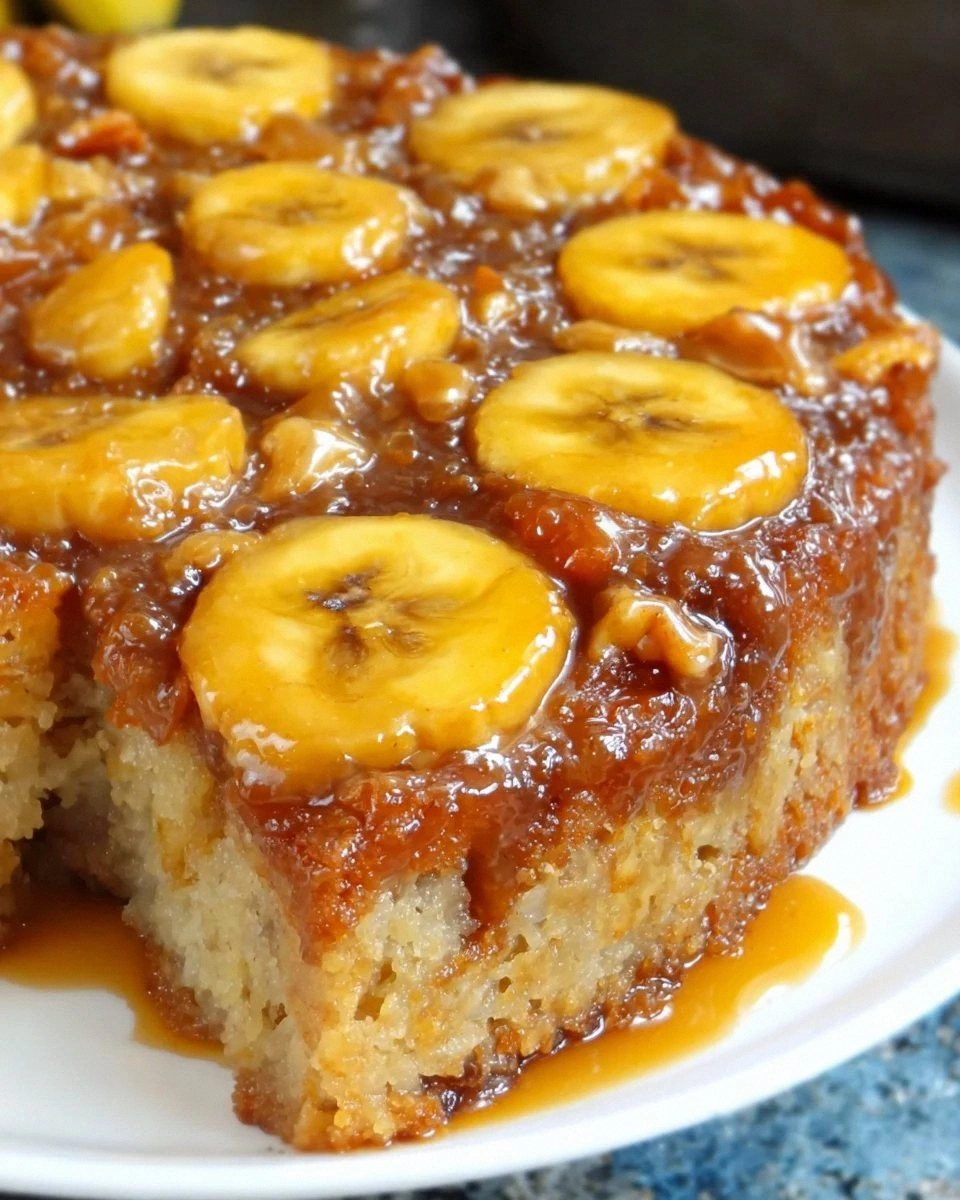
Picture this: the oven door swings open, a golden‑brown canvas reveals itself, and the bananas, now glossy and caramelized, are perched like tiny, sweet islands. When you flip the cake, the bananas glide up, their edges caramelized to a perfect amber, the cake’s crumb soft and airy, with a faint hint of cinnamon that makes you think of a cozy sweater. The texture is a paradox—light as a cloud yet buttery enough to melt on the tongue, and the flavor? A dance between the deep caramel of brown sugar and the bright, fruity burst of bananas, all rounded off by a whisper of vanilla and a touch of tang from Greek yogurt. This isn’t just a cake; it’s a love letter to bananas that most recipes completely miss.
Most banana upside‑down cakes out there feel flat, either because they use too much flour or they skip the caramel layer altogether. I’ve tried the “quick” versions that end up tasting like a soggy pancake, and the “fancy” ones that demand a pastry chef’s degree. Neither hit the mark. My version, however, brings a few secret weapons to the table: a brown‑sugar butter base that turns into a glossy glaze, a split‑flour system that adds both structure and a subtle nutty depth, and a splash of heavy cream that makes the caramel glossy enough to reflect the kitchen lights. The result is a cake that looks Instagram‑ready and tastes like a five‑star bakery, but you can whip it up on a Tuesday night with a single bowl.
I’m about to spill the beans—or bananas, rather—on the one technique that transforms an ordinary cake into this show‑stopper: the “cold‑but‑melted” butter trick. Instead of melting the butter directly, I melt it gently with brown sugar, then let it cool just enough to stay liquid but not set. This creates a sauce that coats the bananas like a silk sheet, ensuring every bite carries that caramel kiss. Let me walk you through every single step — by the end, you’ll wonder how you ever made it any other way.
What Makes This Version Stand Out
- Flavor Explosion: The caramelized brown sugar butter base gives a deep, almost toffee‑like flavor that makes the bananas sing louder than a choir.
- Texture Harmony: The split‑flour approach (all‑purpose plus whole wheat) creates a crumb that’s both tender and slightly nutty, avoiding the dreaded “dry” cake.
- Simplicity Meets Sophistication: Only nine core ingredients, yet the result feels like a pastry chef’s masterpiece.
- Visual Drama: When you flip the cake, the glossy banana topping glistens like a sunrise, guaranteeing applause at any gathering.
- Crowd Magnet: I dare you to taste this and not go back for seconds; it’s the kind of dessert that disappears before you can say “more.”
- Ingredient Quality: Using real butter, ripe bananas, and Greek yogurt elevates the flavor profile without any artificial shortcuts.
- One‑Pan Wonder: No need for a separate caramel sauce—everything happens in the same pan, saving time and dishes.
- Make‑Ahead Potential: The cake stays moist for up to three days, and the caramel topping actually improves as the flavors meld.
Inside the Ingredient List
The Flavor Base
Brown Sugar is the unsung hero here, delivering a deep caramel note that regular white sugar can’t touch. It dissolves into the butter, creating a glossy glaze that clings to each banana slice. If you skip it, you’ll lose that rich, slightly smoky sweetness that makes the topping unforgettable. As a swap, you could use dark muscovado sugar for an even more intense flavor, but be aware it’s moister and may require a tiny reduction in butter.
The Moisture Crew
Unsalted Butter provides the luxurious mouthfeel and acts as the carrier for the brown sugar. Using a high‑quality butter (think European style) adds a subtle dairy depth that cheap butter can’t match. If you’re dairy‑free, a solid coconut oil works, though the flavor profile will shift toward tropical notes.
Greek Yogurt or Sour Cream is the secret moisture keeper. It adds a gentle tang that cuts through the sweetness, balancing the overall palate. In a pinch, you can replace it with plain yogurt or even a splash of buttermilk, but the cake may be a shade less tender.
The Sweeteners
Granulated Sugar sweetens the batter without overwhelming the banana’s natural sugars. It also helps with the cake’s rise by feeding the leaveners. If you’re watching carbs, try a 1:1 coconut sugar substitution; the flavor will be slightly caramel‑like, which actually complements the topping.
The Structure Squad
All‑Purpose Flour gives the cake its classic soft crumb, while Whole Wheat Flour introduces a nutty undertone and a bit of extra fiber. The combination prevents the cake from feeling too “fluffy” and adds a subtle earthiness that pairs beautifully with bananas. If you’re gluten‑intolerant, a 1:1 gluten‑free flour blend works fine, though you may need an extra egg to maintain structure.
The Leavening League
Baking Powder and Baking Soda are the dynamic duo that lift the cake. Baking soda reacts with the banana’s natural acidity, while baking powder provides a steady rise throughout the bake. Skipping either will result in a dense, heavy cake—trust me, I’ve learned that the hard way.
The Flavor Boosters
Vanilla Extract adds warmth and depth, turning the cake from good to unforgettable. A splash of high‑quality pure vanilla (or a vanilla bean scraped for extra intensity) makes the aroma linger in the kitchen long after the cake is gone. Ground Cinnamon introduces a cozy spice note that feels like a hug on a cold day.
The Finishing Touch
Heavy Cream is whisked into the caramel after the cake bakes, creating a glossy glaze that adds richness and a silky mouthfeel. It’s the difference between a sticky topping and a luxurious sheen that reflects the light. If you’re cutting calories, you can substitute half‑and‑half, but the glaze will be less glossy.
Optional Ingredients like toasted walnuts or shredded coconut give you a chance to add texture and a surprise flavor burst. Nuts add crunch and a buttery note, while coconut brings a tropical twist that pairs surprisingly well with banana. Feel free to experiment, but remember: the core of this cake is the caramel‑banana synergy.
Everything's prepped? Good. Let's get into the real action...
The Method — Step by Step
Preheat your oven to 350°F (175°C). While the oven warms, melt ½ cup of unsalted butter in a 9‑inch round cake pan over low heat. Once melted, add ½ cup of packed brown sugar, stirring constantly until the mixture bubbles and turns a deep amber. That sizzle when it hits the pan? Absolute perfection. Remove from heat and set aside; the caramel will thicken slightly as it cools, creating a perfect base for the bananas.
Slice 3 ripe bananas lengthwise into halves, then each half into quarters, giving you twelve elegant pieces. Arrange them in the caramel‑butter mixture, pressing them gently so they soak up the glaze.
Kitchen Hack: If your bananas are too soft to slice cleanly, chill them for 10 minutes; they’ll firm up just enough to hold their shape.In a large mixing bowl, whisk together 1 cup all‑purpose flour, ½ cup whole wheat flour, 1 tsp baking powder, ½ tsp baking soda, ¼ tsp salt, and 1 tsp ground cinnamon. This dry mix ensures even distribution of leaveners and spice, preventing pockets of bitter cinnamon.
In a separate bowl, beat 2 large eggs until light and frothy, then add ½ cup granulated sugar, ½ cup Greek yogurt, 2 tsp vanilla extract, and ¼ cup heavy cream. Whisk until the mixture is smooth and slightly glossy.
Watch Out: Over‑beating the eggs can incorporate too much air, causing the cake to rise quickly then collapse. Stop whisking as soon as the mixture looks uniform.Gradually add the dry ingredients to the wet mixture, folding with a rubber spatula until just combined. The batter should be thick but pourable; over‑mixing will develop gluten and make the cake tough. If you prefer a lighter crumb, give the batter a brief 30‑second rest before pouring.
Pour the batter over the banana‑caramel layer, spreading it gently with a spatula to ensure even coverage. Tap the pan on the counter a few times to release any trapped air bubbles—those bubbles are the villains that create uneven pockets.
Slide the pan into the preheated oven and bake for 30‑35 minutes. The cake is done when a toothpick inserted into the center comes out clean, and the edges start pulling away from the pan, revealing a golden‑brown crust. The aroma at this stage should be unmistakably caramel‑banana with a whisper of cinnamon—if you can smell it, you’re on the right track.
While the cake bakes, prepare the glaze: gently warm the remaining ¼ cup heavy cream in a saucepan, then whisk in 2 tbsp of the leftover brown sugar until dissolved and glossy. Set aside. Once the cake is out of the oven, let it rest for 5 minutes, then carefully invert it onto a serving plate. The bananas will rise, glistening with that caramel‑cream sheen you just prepared. Drizzle any remaining glaze over the top for extra shine.
Let the cake cool for another 10 minutes before slicing. Serve warm with a scoop of vanilla ice cream or a dollop of whipped cream for the ultimate indulgence. I’ll be honest — I ate half the batch before anyone else got to try it. This is hands down the best version you’ll ever make at home, and I dare you to make a second batch just to prove it.
Insider Tricks for Flawless Results
The Temperature Rule Nobody Follows
Never bake a cake straight from the fridge. Let the batter sit at room temperature for at least 15 minutes before it hits the oven. This small step ensures the butter and sugars are evenly distributed, preventing a dense center. I once tried to rush the process and ended up with a cake that felt like a rubber shoe—lesson learned.
Why Your Nose Knows Best
Your sense of smell is a more reliable timer than a clock when it comes to caramel. When the butter‑brown‑sugar mixture turns a deep amber and starts to emit a nutty, toasty aroma, you know it’s ready. If you rely solely on visual cues, you might burn the sugar, turning the flavor bitter. Trust your nose, and you’ll get that perfect caramel every time.
The 5‑Minute Rest That Changes Everything
After the cake emerges from the oven, give it a 5‑minute rest before flipping. This short pause allows the caramel to set just enough to cling to the bananas, while the cake’s interior continues to finish cooking from residual heat. Skipping this step results in a soggy bottom and a messy flip.
The Banana Prep Secret
Slice bananas while they’re still slightly chilled. Cold bananas hold their shape better, preventing them from turning into mush when they soak up the caramel. A quick 10‑minute chill in the freezer (don’t freeze them solid) does the trick. I tried slicing room‑temperature bananas once and ended up with a mushy puddle—never again.
The Glaze Finish
When whisking the heavy cream into the leftover brown sugar, do it over low heat and stop as soon as it becomes glossy. Over‑cooking will cause the glaze to crystallize, losing that silky sheen. A friend tried to speed this up with a microwave and ended up with a grainy topping—let it melt gently.
Creative Twists and Variations
This recipe is a playground. Here are some of my favorite ways to switch things up:
Tropical Coconut Burst
Swap the heavy cream glaze for a coconut‑milk glaze and sprinkle toasted coconut flakes over the top before baking. The result is a beach‑vacation vibe that pairs perfectly with the banana’s natural sweetness.
Nutty Crunch Delight
Add ¼ cup toasted chopped walnuts or pecans to the caramel layer before arranging the bananas. The nuts add a satisfying crunch and a buttery depth that contrasts beautifully with the soft cake.
Spiced Chai Infusion
Replace the ground cinnamon with a chai spice blend (cardamom, ginger, cloves, and a pinch of black pepper). This adds an exotic warmth that makes the cake feel like a cozy autumn treat.
Chocolate Swirl
Melt ¼ cup dark chocolate and swirl it into the batter before pouring it over the bananas. The chocolate ribbons create pockets of decadence that turn each bite into a surprise.
Vegan Version
Replace butter with coconut oil, Greek yogurt with coconut yogurt, and use a flax‑egg mixture (1 tbsp ground flaxseed + 3 tbsp water per egg). The flavor stays rich, and the texture remains fluffy—perfect for plant‑based friends.
Storing and Bringing It Back to Life
Fridge Storage
Allow the cake to cool completely, then cover it loosely with foil or a breathable cake dome. Store in the refrigerator for up to 3 days. The caramel may thicken, but a quick microwave reheating (20 seconds) revives its shine.
Freezer Friendly
Wrap the entire cake tightly in plastic wrap, then a layer of aluminum foil. Freeze for up to 2 months. When ready to serve, thaw overnight in the fridge, then warm in a 300°F oven for 10‑12 minutes. The glaze will soften, and the banana flavor intensifies.
Best Reheating Method
Place a slice on a microwave‑safe plate, sprinkle a tiny splash of water (about a teaspoon) over the top, and microwave for 30‑45 seconds. The steam re‑hydrates the crumb, while the water prevents the glaze from drying out. This trick turns a leftover slice into a fresh‑out‑of‑the‑oven experience.