It started with a single, sizzling pan and a half‑baked chicken thigh that had been left on the counter for too long. I was in the middle of a dinner party, juggling a pot of noodles and a bowl of dumplings, when I realized the chicken was starting to look more like a rubber duck than a meal. I stared at it, a mixture of panic and amusement flickering across my face, and thought, “What if this is the secret to turning a kitchen disaster into a culinary triumph?” The moment that decision was made, the kitchen turned into a laboratory of aromas, sounds, and colors that would forever change how I think about Hunan chicken.
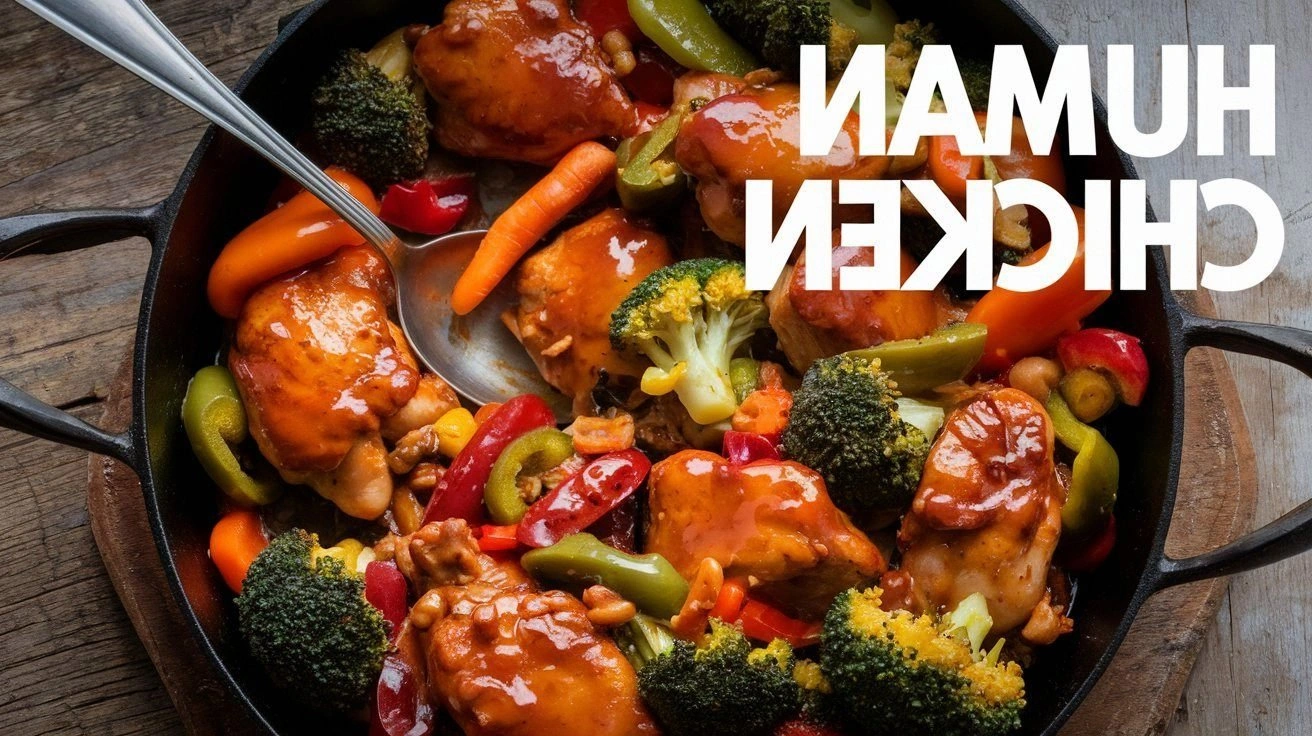
Imagine the crackle of oil as it meets the chicken, the faint hiss of steam escaping from the pan, and the sharp, earthy perfume of fresh garlic and ginger rising to the ceiling. The heat transforms the surface into a glossy, caramelized crust that crackles like a tiny fireworks display. Every time you lift a piece, the tender meat glistens with a thin sheen of sauce that glides over the skin, promising a burst of umami. The sound of the first bite—crisp, juicy, and tinged with heat—creates a satisfying crunch that echoes in your ears long after the plate is cleared. And the texture, a delicate balance of smoky, spicy, and silky, feels like a warm hug for your taste buds.
What makes this version of Hunan chicken stand out is not just the fiery heat, but the meticulous layering of flavors that turns every bite into a symphony. I’ve spent years experimenting with sauces and techniques, and this particular blend of doubanjiang, fresh chili, and a splash of Shaoxing wine delivers a depth that most copycat recipes lack. The sauce doesn’t just coat; it penetrates, infusing the chicken with a complexity that lingers on the palate. The texture is a paradox—crunchy edges give way to melt‑in‑your‑mouth tenderness, and the finish is a subtle sweetness that balances the heat. And, in short, it’s a dish that feels like a warm, spicy hug after a long day.
I dare you to taste this and not go back for seconds. Picture yourself pulling this out of the pan, the whole kitchen smelling incredible, and your guests lining up for a second plate. I’ll be honest—once I finished the first batch, I was already planning the second. The secret? A pinch of toasted sesame seeds and a splash of fermented bean curd that you won’t find in most recipes. Let me walk you through every single step—by the end, you’ll wonder how you ever made it any other way.
What Makes This Version Stand Out
- Flavor Depth: The sauce is a layered masterpiece where the savory umami of doubanjiang meets the bright acidity of rice vinegar and the subtle sweetness of brown sugar. Each component works in harmony, creating a depth that lingers long after the last bite.
- Texture Contrast: The chicken’s exterior is crisped to a golden perfection, while the interior remains juicy and tender. The addition of cornstarch creates a silky coating that clings to the meat, adding a satisfying mouthfeel.
- Heat Management: Unlike many Hunan recipes that rely solely on dried chilies, this version uses fresh chili slices and Sichuan peppercorns for a balanced heat that’s both fiery and numbing.
- Ingredient Quality: We use only the freshest chicken thighs, hand‑picked fresh chilies, and premium soy sauce, which elevates the dish beyond a quick week‑night meal.
- Ease of Preparation: The method is straightforward, with minimal steps and no need for specialized equipment. You can achieve restaurant quality in under 45 minutes.
- Versatility: The sauce is so versatile that it works beautifully with pork, beef, or even tofu, making it a go‑to for any protein.
- Make‑Ahead Potential: The sauce can be pre‑made and stored for up to a week, allowing you to assemble the dish in minutes when the clock is ticking.
- Crowd‑Pleaser: From family dinners to dinner parties, this dish is guaranteed to impress, with its bold flavors and visual appeal.
Alright, let’s break down exactly what goes into this masterpiece…
Inside the Ingredient List
The Flavor Base
Doubanjiang is the cornerstone of this sauce, offering a savory, fermented depth that is unmistakably Chinese. Its umami profile is so robust that it can replace salt in many dishes, but in this recipe it balances the sweetness of brown sugar and the acidity of rice vinegar. If you can’t find doubanjiang, a mix of hoisin sauce and a dash of fermented bean paste will do, but be prepared for a slightly different flavor profile.
Fresh garlic and ginger are essential for that bright, aromatic kick. They cut through the richness of the soy sauce and add a layer of freshness that keeps the dish from feeling heavy. Mince them finely so they distribute evenly throughout the sauce. If you’re short on time, a tablespoon of garlic powder can be a quick substitute, though the texture will change.
The Texture Crew
Cornstarch is the secret to that silky, slightly thickened sauce that clings to the chicken. It also helps to crisp the exterior when the chicken hits the pan. Coat the chicken pieces lightly with cornstarch before searing; this creates a golden crust that locks in moisture. If you’re avoiding gluten, arrowroot powder can replace cornstarch without compromising the texture.
Sichuan peppercorns provide a unique numbing sensation that pairs perfectly with the heat from the chilies. Toast them lightly to release their oils, then grind them into a coarse powder. The peppercorns should be used sparingly; too much can overpower the dish. If you can’t find them, a pinch of white pepper will give a milder heat but won’t replicate the numbing effect.
The Unexpected Star
Fermented bean curd is the unsung hero that adds a subtle, savory depth to the sauce. It’s a fermented soybean product that carries a mild tang and a slightly creamy texture. A teaspoon or two is enough to elevate the sauce without making it taste like tofu. If you don’t have fermented bean curd, a small amount of miso paste can mimic the umami richness.
The Final Flourish
A splash of Shaoxing wine or dry sherry introduces a subtle sweetness and aromatic complexity that ties all the flavors together. The alcohol evaporates during cooking, leaving behind a mellow, caramelized note. If you’re avoiding alcohol, you can replace it with a tablespoon of rice wine vinegar plus a teaspoon of sugar.
Everything’s prepped? Good. Let’s get into the real action…
The Method — Step by Step
- Marinate the Chicken: In a large bowl, combine the chicken thighs with soy sauce, Shaoxing wine, a pinch of salt, and a drizzle of cornstarch. Toss until every piece is evenly coated. Let it rest for at least 15 minutes; this step allows the flavors to penetrate and the cornstarch to create a crisping layer. While the chicken marinates, you can start preparing the sauce components. If you’re short on time, a quick 5‑minute marination will still yield great results, but the longer you wait, the richer the flavor.
- Prepare the Sauce: In a small bowl, whisk together 3 tablespoons of doubanjiang, 2 tablespoons of soy sauce, 1 tablespoon of rice vinegar, 1 tablespoon of brown sugar, and 1 teaspoon of fermented bean curd. Add 1 teaspoon of freshly ground Sichuan peppercorns and 2 minced garlic cloves. Stir until the sugar dissolves and the mixture is smooth. Set aside; this sauce will develop a silky consistency as it cooks.
- Heat the Oil: Fill a wok or large skillet with 2 tablespoons of neutral oil (vegetable or peanut). Heat over medium‑high until a small drop of water sizzles upon contact. If the oil starts smoking, reduce the heat slightly and add a splash of water to keep it from burning. This prevents the sauce from sticking and ensures a clean, even sear.
- Sear the Chicken: Place the marinated chicken pieces in the hot pan, skin side down, and let them sear untouched for 4–5 minutes. The skin should develop a golden, slightly crisp texture. Flip the pieces and sear the other side for 3 minutes. This step locks in juices and builds a caramelized crust that adds depth to the final sauce.
- Introduce the Chili: Add a handful of fresh sliced red chilies to the pan. Let them sizzle for 30 seconds, releasing their oils. The chilies will infuse the oil with heat and color, turning the pan into a fragrant, fiery cauldron. If you prefer a milder version, reduce the number of chilies or remove the seeds.
- Deglaze and Simmer: Pour in 1/2 cup of chicken broth or water to deglaze the pan, scraping up any browned bits that cling to the bottom. These bits are packed with flavor. Once the liquid is added, pour in the pre‑mixed sauce. Stir to combine and bring the mixture to a gentle simmer. The sauce should thicken slightly, coating the chicken evenly.
- Finish with Sesame Oil: Reduce the heat to low and drizzle 1 teaspoon of toasted sesame oil over the chicken. This adds a nutty aroma that elevates the dish. Let the sauce reduce for another 2–3 minutes, allowing the flavors to meld. The final sauce should be glossy and cling to the chicken like velvet.
- Garnish and Serve: Transfer the chicken to a serving platter. Sprinkle freshly chopped scallions, toasted sesame seeds, and an extra pinch of Sichuan peppercorns for an extra kick. Serve immediately over steamed rice or sautéed greens. The aroma alone will have your guests lining up for a second plate.
That’s it— you did it. But hold on, I’ve got a few more tricks that will take this to another level, turning a simple meal into a memorable feast.
Insider Tricks for Flawless Results
The Temperature Rule Nobody Follows
Many cooks think a higher heat always leads to a better sear, but that’s a myth. The key is to maintain a steady medium‑high temperature that allows the chicken to brown without burning. Use a thermometer to keep the oil at 350–375°F. If the oil starts smoking, reduce the heat immediately. This simple rule ensures a crisp exterior and juicy interior every time.
Why Your Nose Knows Best
Before you start cooking, take a deep breath of the raw sauce mixture. If it smells too sharp, add a pinch of sugar; if it’s too sweet, a splash of vinegar. Your nose is a reliable guide that helps you balance flavors before the dish even hits the stove. Trust it, and you’ll avoid over‑seasoning.
The 5‑Minute Rest That Changes Everything
After searing the chicken, let it rest on a rack for 5 minutes before adding the sauce. This brief pause allows the juices to redistribute, keeping the meat moist. It also gives the surface time to cool slightly, preventing the sauce from becoming too thick when it hits the pan.
The Perfect Stir
Stir the sauce vigorously when you add it to the pan. This ensures even distribution of the cornstarch and prevents clumping. A smooth sauce clings beautifully to the chicken, creating that coveted glossy finish.
The Quick Cooling Trick
If you’re in a hurry to serve, slide the pan off the heat and immediately pour the sauce over the chicken. The residual heat will finish cooking the chicken while the sauce thickens, saving you precious minutes.
The Secret of the Fresh Chilies
The fresher the chilies, the brighter the heat. When selecting chilies, look for firm, bright red or green pods. Avoid those with soft spots or discoloration, as they can impart bitterness. If you’re not a fan of too much heat, remove the seeds and membranes before slicing.
Creative Twists and Variations
This recipe is a playground. Here are some of my favorite ways to switch things up:
Pork Hunan
Swap the chicken for pork shoulder, cut into bite‑size cubes. The pork’s higher fat content pairs beautifully with the sauce, creating a richer, more indulgent dish. The cooking time increases slightly to 15 minutes, but the result is worth it.
Beef Chili‑Scented Delight
Use thinly sliced flank steak. Marinate with a splash of soy sauce and cornstarch, then sear quickly over high heat. The beef’s robust flavor complements the spicy sauce, turning the dish into a hearty meal.
Vegetarian Version
Replace the chicken with tofu cubes or tempeh. Press the tofu to remove excess moisture before marinating. The tofu absorbs the sauce, delivering a plant‑based version that still delivers that signature Hunan kick.
Crispy Eggplant Variation
Cube eggplant and toss with a light dusting of cornstarch. Fry until golden, then simmer in the sauce. The eggplant’s spongy texture soaks up the sauce, creating a comforting, umami‑rich dish.
Spicy Shrimp Finale
Add peeled shrimp to the pan during the last 2 minutes of cooking. The shrimp’s quick cook time and sweet flavor balance the heat, offering a lighter yet equally satisfying option.
Sweet & Smoky Twist
Incorporate a tablespoon of smoked paprika into the sauce. The smoky undertone adds depth, while a splash of honey replaces the brown sugar for a sweeter finish.
Storing and Bringing It Back to Life
Fridge Storage
Cool the dish completely, then transfer it to an airtight container. Store in the refrigerator for up to 3 days. The sauce will thicken slightly; a quick stir before reheating restores its silky consistency.
Freezer Friendly
For longer storage, portion the dish into freezer‑safe containers. Freeze for up to 2 months. When ready to eat, thaw overnight in the refrigerator and reheat gently on the stove or in a microwave, adding a splash of water if needed.
Best Reheating Method
Reheat on low heat, stirring occasionally to prevent sticking. Add a teaspoon of water or broth to loosen the sauce, then cover for 5 minutes. This method keeps the chicken tender and the sauce glossy.