I remember the night I almost burned my kitchen down while chasing a late‑night craving for something warm, comforting, and utterly satisfying. I had just watched a documentary about Asian street food, and the image of a steaming bowl of congee lingered in my mind like a promise of simple joy. The next morning, I woke up with a rumbling stomach and a stubborn urge to turn that memory into a tangible, shareable recipe. I grabbed my rice, water, and a handful of fresh ginger, and I set the stage for what would become the most unforgettable congee I’ve ever made. This isn’t just a bowl of rice and water; it’s a canvas for flavor, a hug in a mug, and a culinary adventure that will leave you begging for seconds.
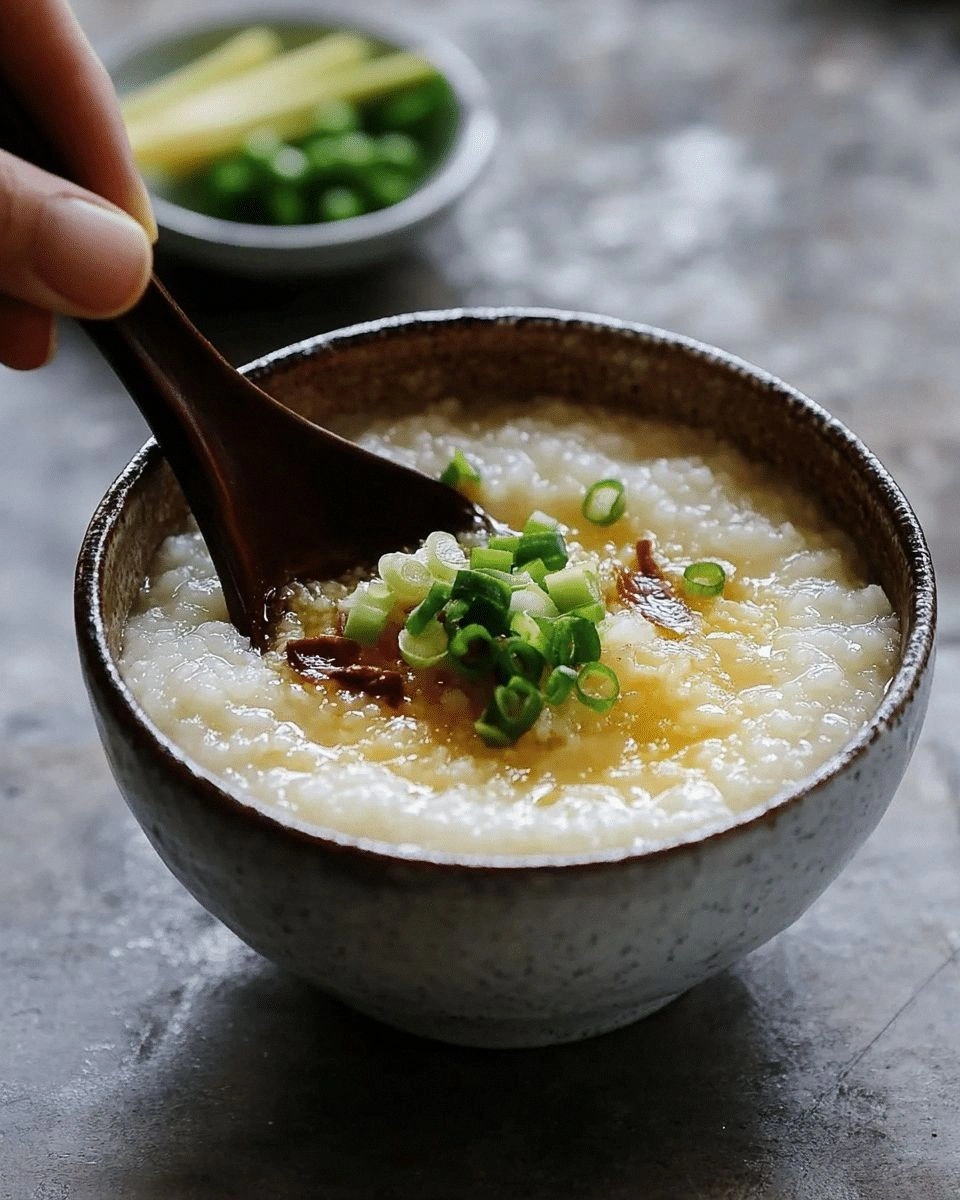
Imagine stepping into your kitchen, the air thick with the scent of simmering broth, the soft clink of a ladle against a pot, and the gentle hiss of steam. Your senses are drawn in by the golden translucence of the rice as it swirls, the subtle snap of fresh scallions, and the faint, comforting sweetness that rises from the ginger. The texture is silky, the broth is fragrant, and the taste is a delicate balance of savory and sweet, with a whisper of umami that lingers on the tongue. I dare you to taste this and not go back for seconds; the moment your spoon touches the bowl, you’ll know you’re in the presence of something extraordinary. And if you’re still skeptical, just wait for that first spoonful to melt into your mouth like a warm blanket.
What makes this version stand out is not just the ingredients—it’s the philosophy behind each step. I’ve stripped away the fluff that many recipes add and focused on the core elements that elevate congee from ordinary to unforgettable. The result is a dish that’s simple yet profound, comforting yet sophisticated, and so versatile you can tailor it to any mood or occasion. Most people think of congee as a bland, run‑of‑the‑mill porridge, but this recipe turns it into a flavor powerhouse that will make your taste buds dance. Picture yourself pulling this out of the pot, the whole kitchen smelling incredible, and the aroma wrapping around you like a cozy blanket.
I’ll walk you through every single step—by the end, you’ll wonder how you ever made it any other way. From the first splash of water to the final drizzle of soy sauce, each moment is engineered for maximum flavor and texture. The techniques I’ll share are simple enough for beginners yet refined enough to satisfy seasoned cooks. Ready to dive in? Let’s get started.
What Makes This Version Stand Out
- Taste: The subtle sweetness of ginger balances the savory broth, creating a harmonious flavor profile that feels both comforting and sophisticated. The addition of a splash of soy sauce adds depth without overpowering the natural rice flavor. This blend of sweet, salty, and umami makes each spoonful a revelation.
- Texture: The rice is cooked to a silky consistency that coats the palate, while the broth remains light and fragrant. The careful ratio of water to rice prevents clumping, ensuring a smooth mouthfeel that melts in your mouth. This texture is the secret that sets this congee apart from the watery, mushy versions you’ve probably tried.
- Simmer: The low‑heat, slow simmer extracts maximum flavor from the ginger and scallions, turning the broth into a fragrant elixir. This gentle cooking method keeps the rice tender but intact, avoiding the dreaded “pancake” texture. The result is a bowl that feels like a warm hug.
- Ingredient Quality: Using high‑grade jasmine or short‑grain rice gives the dish a subtle fragrance and a slightly sticky texture that enhances the overall experience. Fresh ginger, crisp scallions, and a good soy sauce elevate the dish beyond the ordinary. These simple choices make a big difference.
- Make‑ahead Potential: Congee can be stored in the fridge for up to 3 days or frozen for up to a month without losing its integrity. The broth’s flavor deepens over time, so reheating it can actually taste better than the first day. This makes it a practical breakfast or comforting meal on busy days.
- Versatility: Whether you prefer a classic plain congee or a protein‑rich bowl with shredded chicken, preserved egg, or tofu, the base remains the same. The recipe’s modular nature allows you to switch up toppings and seasonings to suit your mood. This flexibility is why friends keep asking for it.
Inside the Ingredient List
The Flavor Base
The foundation of any great congee is a clean, aromatic broth. I use 4 cups of water and 1 cup of jasmine rice, which together create a light yet flavorful base. The jasmine rice’s natural fragrance adds a subtle perfume that elevates the dish. Skipping the water would result in a dry, gritty texture that feels more like a rice pudding than a porridge. If you prefer a richer broth, replace half the water with low‑sodium chicken stock for an extra depth of flavor.
The Texture Crew
Texture is everything in congee, and the key to achieving that silky smoothness is the ratio of rice to liquid. I recommend a 1:4 ratio of rice to water, which allows the grains to break down just enough to release starch without becoming mush. Adding a pinch of salt during the simmer helps the rice grains to separate, preventing clumping. If you’re using short‑grain rice, you’ll notice a slightly stickier mouthfeel that many congee lovers adore. A small pinch of pepper can add a subtle warmth without overpowering the delicate flavors.
The Unexpected Star
What many people overlook is the role of ginger. A 1‑inch piece of fresh ginger, sliced thinly, infuses the broth with a bright, zesty kick that cuts through the richness. Ginger also has natural anti‑inflammatory properties, making this bowl a comforting remedy for colds or sore throats. If you’re allergic or simply don’t like ginger, a small dash of white pepper can mimic the heat while keeping the dish mild. The ginger’s aroma is the first thing you’ll notice as the congee simmers.
The Final Flourish
The finishing touches turn a simple porridge into a personalized masterpiece. A drizzle of light soy sauce, a sprinkle of chopped scallions, and a dash of sesame oil create a layered flavor profile that feels both familiar and exciting. Adding a soft‑boiled egg or a few slices of preserved egg adds protein and a subtle salty depth. If you’re vegan, replace the egg with tofu or a handful of roasted nuts for crunch. These final elements are optional but highly recommended for that extra wow factor.
Everything’s prepped? Good. Let’s get into the real action and start cooking this comforting bowl of bliss.
The Method — Step by Step
- Rinse 1 cup of jasmine rice under cold water until the water runs clear. This removes excess starch and ensures a smoother texture. Place the rinsed rice in a medium saucepan with 4 cups of water. Bring to a gentle boil over medium heat, then reduce the heat to low. The goal is a slow simmer that allows the rice to release its natural starch without scorching.
- Add the sliced ginger to the pot. The ginger will infuse the broth with its bright, aromatic flavor. Stir gently to distribute the ginger slices. Let the mixture simmer for about 10 minutes, letting the steam carry the ginger’s fragrance throughout the pot. This step is crucial for that signature zing.
- Reduce the heat to the lowest setting and cover the pot with a tight‑fitting lid. The low heat prevents the congee from boiling over while allowing the rice to slowly break down. Keep the lid on for about 30 minutes, stirring occasionally to prevent sticking. The sound of the gentle simmer is the soundtrack to your culinary creation.
- After 30 minutes, check the consistency. The rice should be tender, and the broth should have thickened to a silky paste. If it’s still too watery, let it simmer for an additional 5–10 minutes. If it’s too thick, add a splash of hot water to loosen it. This is where you’ll decide if your congee is “just right.”
- Season the congee with a pinch of salt and a dash of white pepper. Stir until the seasoning is fully incorporated. The salt will bring out the rice’s natural sweetness, while the pepper adds a subtle warmth. Taste the broth to ensure the balance is perfect before proceeding.
- Add the soy sauce and sesame oil at this point. The soy sauce adds depth, and the sesame oil provides a nutty aroma that lifts the entire dish. Stir well to combine. The broth should now have a golden hue and a fragrant scent that makes your mouth water.
- If you’re adding protein, such as shredded chicken or tofu, fold it into the congee now. The heat will gently warm the protein without cooking it further. This ensures the texture stays tender and the flavors meld beautifully. If you’re using a soft‑boiled egg, slice it and set aside for the final garnish.
- Transfer the congee to bowls, then garnish with chopped scallions, a drizzle of extra sesame oil, and optional toppings like preserved egg or roasted nuts. The scallions add a fresh, crisp contrast to the silky broth. The final drizzle of oil brightens the dish and adds a silky sheen.
- Serve immediately while the congee is steaming hot. The warmth will carry the aromas to your nose, and the texture will feel comforting against your palate. This is the moment of truth—your bowl should feel like a hug in a mug.
- Enjoy and savor each spoonful. The flavors will evolve as the congee cools slightly, revealing deeper notes of ginger and soy. Take your time, and remember that this is a dish meant to be savored slowly.
That’s it—you did it. But hold on, I’ve got a few more tricks that’ll take this to another level and make it a staple in your kitchen for years to come.
Insider Tricks for Flawless Results
The Temperature Rule Nobody Follows
The key to silky congee is low and steady heat. Many people turn the heat up to speed up the process, but this often leads to uneven cooking and clumpy rice. Keep the flame at its lowest setting once the water boils, and let the rice do its slow work. This trick ensures every grain releases its starch without scorching.
Why Your Nose Knows Best
As the congee simmers, your nose will detect subtle changes in aroma. If the broth starts to smell slightly sweet or metallic, it’s a sign the ginger is over‑steeped. Adjust by reducing the simmer time or adding a splash of water to dilute the intensity. Trust your senses; they’re your best guide.
The 5-Minute Rest That Changes Everything
After removing the pot from heat, let the congee rest for 5 minutes with the lid on. This allows the flavors to meld and the rice to finish cooking in its own steam. The result is a more cohesive texture and a richer flavor profile. I’ve seen this simple pause make all the difference in a bowl that could have been mediocre.
The Perfect Garnish Combo
A sprinkle of toasted sesame seeds and a drizzle of chili oil can elevate the dish from comforting to gourmet. The seeds add a nutty crunch, while the chili oil gives a subtle heat that wakes up the palate. Don’t be afraid to experiment; the best congee is the one that feels like your own creation.
The One‑Minute Stir
Just before serving, give the congee a quick, gentle stir. This redistributes the liquid, ensuring each spoonful has the same silky texture. It also helps any settled toppings re‑enter the broth, creating a harmonious bite every time.
Creative Twists and Variations
Savory Chicken Congee
Swap the plain congee base for shredded rotisserie chicken. The protein adds a savory depth that turns breakfast into a hearty lunch. Pair it with a side of pickled cucumbers for a refreshing contrast. This variation is perfect for protein‑hungry mornings.
Vegan Tofu Delight
Replace the protein with pan‑fried tofu cubes. The tofu soaks up the broth’s flavors, becoming a delightful textural addition. Add a sprinkle of toasted pumpkin seeds for crunch. This plant‑based version keeps the dish comforting yet light.
Ginger‑Sesame Fusion
Increase the ginger to 2 inches and add a splash of toasted sesame oil before the final stir. The extra ginger gives a bold kick, while the sesame oil adds a nutty aroma. Finish with a drizzle of honey for a sweet‑savory balance. This fusion twist is a crowd‑pleaser at brunch parties.
Preserved Egg & Pork Belly
Add thinly sliced pork belly that’s been seared until crispy. The fat renders into the broth, giving a luxurious mouthfeel. Slice a preserved egg into cubes and fold them in just before serving. The combination of savory pork and salty egg is irresistible.
Asian Breakfast Bowl
Top the congee with a soft‑boiled egg, a handful of kimchi, and a sprinkle of toasted seaweed. The kimchi adds a tangy punch, while the seaweed offers umami and texture. This bowl feels like a full‑on Asian breakfast experience.
Herbal Wellness Congee
Incorporate a handful of dried goji berries and a pinch of dried chrysanthemum flowers into the simmer. These herbs add antioxidants and a subtle floral note. Finish with a splash of rice wine for depth. This variation is perfect for those seeking a health‑boosting meal.
Storing and Bringing It Back to Life
Fridge Storage
Transfer the cooled congee into airtight containers and refrigerate for up to 3 days. The broth will thicken slightly as it cools, so add a splash of hot water before serving to restore the silky texture. Keep the containers on the middle shelf to avoid temperature fluctuations. This method preserves freshness and flavor.
Freezer Friendly
Congee freezes well—store it in freezer‑safe containers with a tight seal. Label with the date and freeze for up to 1 month. When ready to eat, thaw overnight in the fridge and reheat gently on the stove, adding a little water or broth to loosen. This keeps the dish ready for a quick breakfast or comforting dinner.
Best Reheating Method
Reheat the congee in a pot over low heat, stirring frequently to prevent sticking. Add a splash of water or broth to achieve the desired consistency. Keep the heat low to avoid scorching, and stir until the broth is steaming and the rice is warm. Finish with a fresh sprinkle of scallions for that bright, fresh finish.