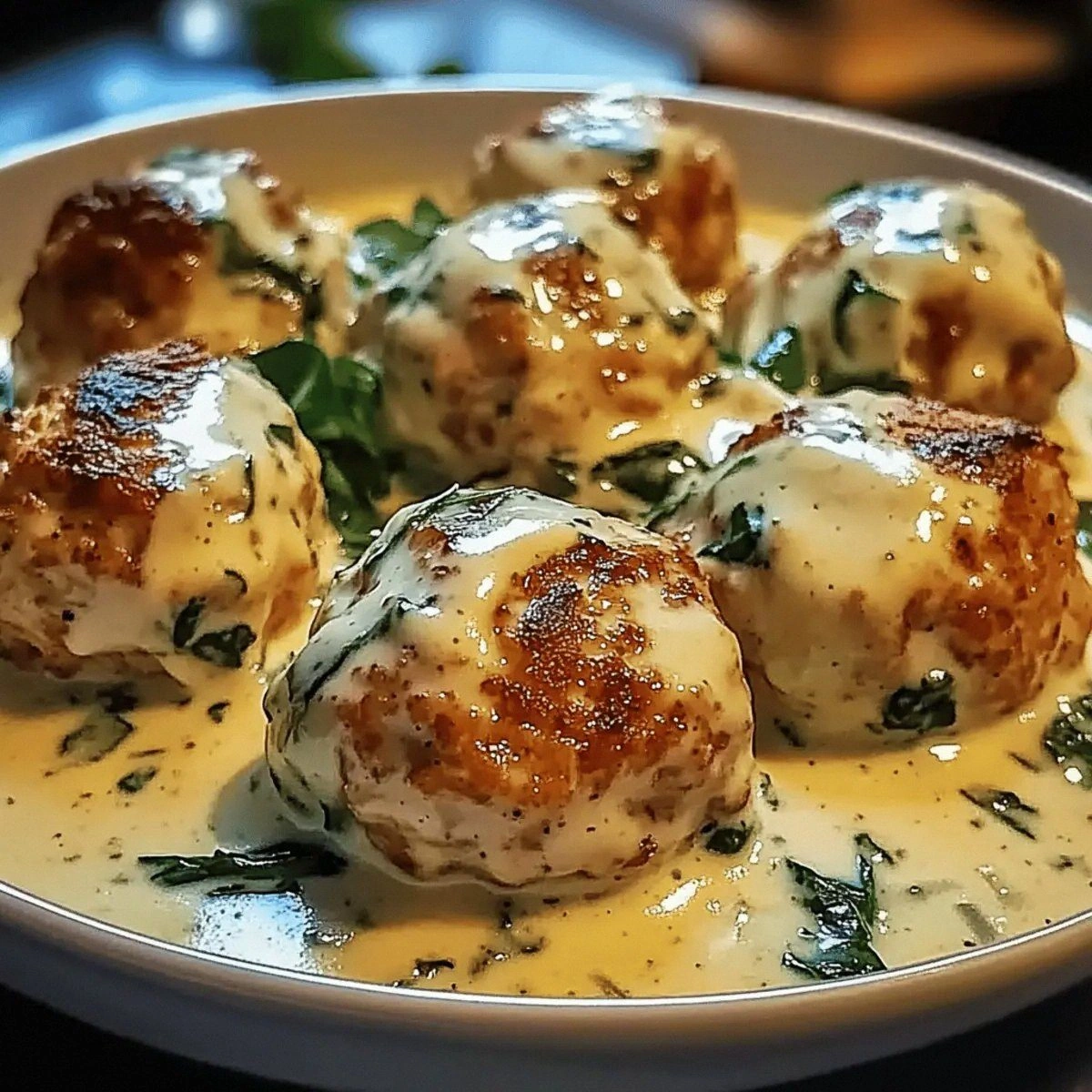
I burned dinner three times last week trying to recreate the chicken meatballs that haunted my dreams after a weekend in Rome. You know the ones—so tender they practically sigh when you cut them, swimming in a sauce that clings to pasta like a silk dress on a summer night. Every recipe I tried turned out dense little golf balls bobbing in bland white glue. I was ready to admit defeat and book another flight to Italy when ricotta walked into my life like a charming stranger at a bar and changed everything.
Picture this: midnight in my tiny kitchen, flour dusting the counter like fresh snow, the smell of garlic and butter already thick in the air. I was down to my last egg and a half-container of ricotta I'd bought on a whim for pancakes I'd never made. Something about the way that ricotta slid off the spoon—slow, luxurious, like it had nowhere to be—made me wonder what would happen if I folded it into ground chicken instead of the usual breadcrumb-and-milk routine. The result was so ridiculously tender that I stood at the stove eating them straight from the pan, burning my tongue and not even caring.
But here's where it gets interesting. While the meatballs rested, I started a basic alfredo—butter, cream, parmesan—the usual suspects. Then I spotted the sad bag of spinach wilting in my crisper drawer and thought, why not? As the greens melted into the sauce, they turned it the color of early spring fields, and the flavor deepened from one-note rich to this complex, earthy luxury that made me close my eyes involuntarily with the first taste.
This isn't just another meatball recipe—this is the one that made my Italian neighbor bang on my door at 2 AM demanding to know what I was cooking that smelled so incredible. It's the one that disappeared at the potluck before I could even grab a plate for myself. The one that prompted my usually salad-obsessed friend to ask for the recipe while licking sauce off her thumb like she'd never been taught manners. Let me walk you through every single step—by the end, you'll wonder how you ever made it any other way.
What Makes This Version Stand Out
- Cloud-Soft Texture: The ricotta acts like tiny air pockets throughout the chicken, creating meatballs so tender they practically melt on your tongue. Traditional recipes rely on breadcrumbs that can turn dense and heavy, but ricotta keeps everything light while adding a subtle sweetness that plays beautifully with savory parmesan.
- One-Pan Wonder: While most meatball recipes require browning in batches and transferring to sauce, these beauties poach directly in the alfredo, infusing the sauce with their flavor while staying impossibly moist. Less dishes, more flavor, and zero chance of dry meatballs—it's the holy trinity of weeknight cooking.
- Spinach That Actually Tastes Good: Instead of the usual sad, stringy greens, we're using a technique that keeps spinach vibrant and tender without turning the sauce an unappetizing gray. The secret lies in when and how you add it—trust me, even spinach-haters will be converted.
- Built-In Temperature Insurance: Ground chicken can be tricky—go two minutes too long and you've got sawdust balls. But the ricotta acts as a built-in moisture reserve, keeping these meatballs juicy even if you get distracted by that text from your mom about her neighbor's cat's birthday party.
- Restaurant-Level Sauce Stability: Ever made alfredo that breaks into an oily mess? The starch from the pasta water we add (yes, pasta water is liquid gold) emulsifies everything into a sauce that stays silky even when you reheat leftovers. Your future self will thank you at 3 AM when you're eating this cold from the fridge.
- Make-Ahead Magic: These meatballs freeze beautifully either raw or cooked, and the sauce actually improves after a day in the fridge when the flavors have time to meld into something even more spectacular. Double batch, freeze half, and you've got emergency comfort food that beats any takeout option.
Inside the Ingredient List
The Flavor Foundation
Ground chicken is the obvious star here, but not all packages are created equal. Skip the ultra-lean breast-only stuff that'll dry out faster than your phone battery on a cold day. Look for packages labeled "ground chicken" without specifying white or dark meat—these blends include enough fat to keep things juicy while still feeling lighter than beef or pork. If all you can find is breast meat, add an extra tablespoon of olive oil to compensate for what's missing.
Ricotta is where the magic happens, but you need the good stuff—not the watery, grainy supermarket brand that tastes like disappointment. Fresh ricotta should be thick enough to hold its shape when you scoop it, with a texture like slightly loose whipped cream. If yours comes in a tub with liquid sloshing around, line a sieve with cheesecloth and let it drain for thirty minutes while you prep everything else. Your meatballs will thank you by not falling apart in the sauce.
The Texture Crew
Parmesan does double duty here—some gets mixed into the meatballs for umami depth, while the rest melts into the sauce creating that nutty, salty complexity that makes alfredo addictive. Skip the pre-grated stuff in the green can; it contains cellulose that prevents smooth melting. Buy a wedge and grate it yourself, or if you're feeling particularly lazy, the fresh-grated tubs from the deli section work in a pinch.
The egg isn't just binding—it's your insurance policy against tough meatballs. Beat it thoroughly before adding so you don't get streaks of white running through your meat mixture like some kind of poultry-based Easter egg. One egg is perfect for this amount of chicken, but if yours is particularly large or your ricotta seems wet, beat the egg in a separate bowl and add about three-quarters of it. You can always add more, but you can't take it back.
The Aromatics That Actually Matter
Fresh garlic minced so fine it practically dissolves is crucial here—those jarred granules taste like dusty disappointment and won't distribute evenly through the chicken. Smash the cloves with the flat of your knife first; it releases the oils and makes mincing easier. And please, for the love of all that's holy, remove the green sprout if your garlic has one—it's bitter and will haunt your leftovers.
Parsley isn't just for color—its bright, slightly peppery notes cut through the richness of all that dairy. Flat-leaf (Italian) parsley has more flavor than the curly stuff, which is basically just decorative green confetti. Chop it just before using; once cut, it starts losing its vibrant flavor within minutes. If your parsley is looking sad and wilted, revive it in ice water for ten minutes before patting dry and chopping.
The Sauce Transformers
Butter quality matters more than you'd think in alfredo. European-style butter with higher fat content creates a silkier sauce that doesn't separate as easily. If you're using standard American butter, just be extra careful about temperature control and don't let it brown. That nutty flavor might sound appealing, but it'll overpower the delicate chicken and compete with the parmesan for attention like two divas on one stage.
Heavy cream isn't negotiable here—milk or half-and-half will curdle and break into an unappetizing mess. Look for cream with at least 36% fat content; it should coat the back of a spoon when you dip it in cold. Pro tip: let your cream come to room temperature before adding it to the butter—it incorporates more smoothly and reduces the chance of separation.
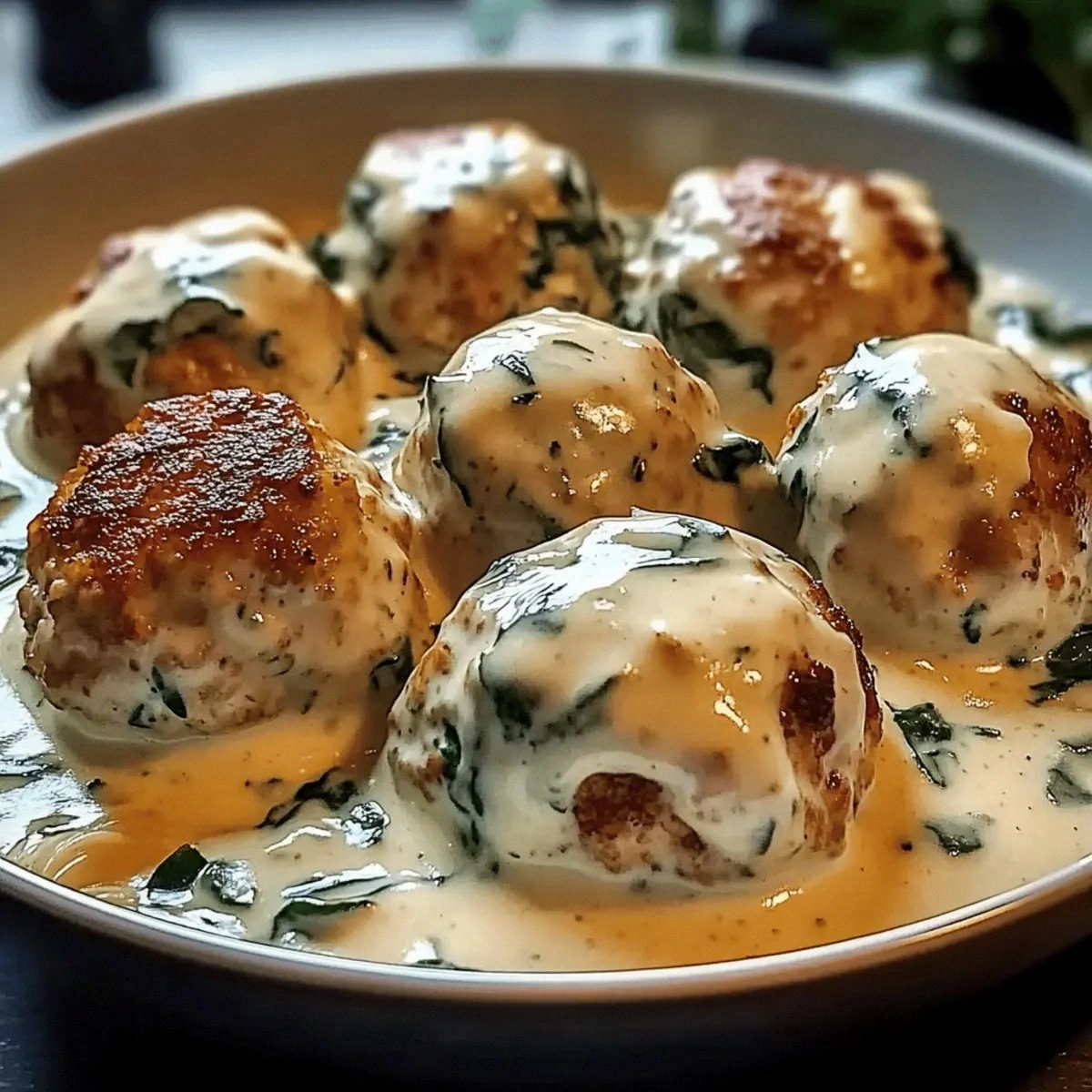
The Method — Step by Step
- Start with the meatball mixture about 30 minutes before you plan to cook—cold chicken doesn't bind well and your meatballs will fall apart like a house of cards in a hurricane. In a large bowl, combine the ground chicken, ricotta, half the parmesan, egg, minced garlic, parsley, oregano, salt, and pepper. Use a fork to gently toss everything together until just combined; this prevents over-mixing which creates tough, rubbery meatballs that bounce off your plate like sad little tennis balls.
- Now comes the part where most recipes get it wrong—stop mixing while it still looks slightly shaggy and under-combined. The mixture should feel like soft ice cream that's been left out for five minutes, not like toothpaste. Cover the bowl with plastic wrap and let it rest while you prep the sauce ingredients. This resting time allows the proteins to relax and the flavors to meld, plus it gives the ricotta time to hydrate the chicken properly.
- For the sauce, grab your widest, shallowest pan—this gives the meatballs plenty of room to poach without crowding, which keeps them round instead of flat on one side. Melt the butter over medium heat until it just stops foaming but hasn't started browning. Swirl the pan to distribute it evenly; butter is your sauce's foundation, and uneven melting leads to separated, greasy disappointment.
- Pour in the room-temperature cream in a slow, steady stream while whisking constantly. The whisking incorporates air and creates an emulsion that keeps everything silky smooth. Let it come to the gentlest simmer—not a rolling boil, which will break the sauce—and cook for about three minutes until it thickens enough to coat the back of a spoon. You'll know it's ready when you can draw a finger through the sauce on the spoon and the line holds for a few seconds before filling in.
- Using wet hands (this prevents sticking), roll the chicken mixture into golf ball-sized portions, about 1.5 inches across. Don't pack them too tight—think of cradling a baby bird, not squeezing a stress ball. Place them directly into the simmering sauce as you form them; they should fit in a single layer with a little space between each one. If your pan is too small, work in batches and keep the first batch warm in a low oven covered with foil.
- Once all the meatballs are in the sauce, cover the pan with a tight-fitting lid and reduce the heat to low. The gentle poaching keeps them tender while ensuring they cook through evenly. Resist the urge to peek for at least eight minutes—lifting the lid releases steam and drops the temperature, extending cooking time and potentially drying out your sauce. Set a timer and walk away; this is the perfect moment to pour yourself a glass of wine.
- While the meatballs poach, cook your pasta in heavily salted water until just shy of al dente—it'll finish cooking in the sauce. Reserve at least a cup of pasta water before draining; the starch helps bind everything together and prevents the sauce from separating into an oily mess that looks like it belongs in a science experiment rather than your dinner plate.
- After eight minutes, gently turn each meatball using two spoons—they should release easily from the bottom of the pan. If they stick, give them another minute; forcing them breaks the delicate exterior and turns your beautiful spheres into raggedy messes. Cover and cook for another 4-5 minutes until they're just cooked through. Cut one open to check—it should be opaque throughout but still incredibly juicy.
- Now for the spinach: pile it on top of the meatballs and sauce, cover the pan, and let it steam for exactly one minute. The heat wilts it perfectly while preserving that vibrant green color that makes the dish look like it belongs in a magazine. Remove the lid and gently fold the wilted spinach into the sauce—it should integrate seamlessly without turning everything into a gray, muddy mess that screams "I tried to be healthy."
- Add the cooked pasta directly to the pan along with a splash of reserved pasta water—start with a quarter cup and add more as needed to achieve a sauce that coats everything without being soup. Toss everything together gently, letting the pasta finish cooking in the sauce while absorbing all those flavors. The final addition of remaining parmesan should melt into ribbons that cling to every surface, creating those Instagram-worthy cheese pulls that make people stop scrolling.
That's it—you did it. But hold on, I've got a few more tricks that'll take this to another level...
Insider Tricks for Flawless Results
The Temperature Rule Nobody Follows
Your refrigerator is sabotaging your meatballs and you don't even know it. Cold chicken straight from the fridge doesn't bind properly, leading to meatballs that crumble into the sauce like they're having an identity crisis. Let your ground chicken sit at room temperature for twenty minutes before mixing—this relaxes the proteins so they bind together instead of fighting against each other like siblings in the backseat of a car.
The same rule applies to your ricotta and egg. Cold dairy seizes when it hits hot butter, creating little grainy curds that ruin the silky texture you're after. Room temperature ingredients emulsify smoothly, creating a sauce that stays stable even when you reheat leftovers tomorrow. Yes, tomorrow—because you're definitely making extra once you taste how good this is.
Why Your Nose Knows Best
That moment when the garlic hits the butter? Pure magic. But here's what most recipes don't tell you—garlic changes flavor as it cooks, and your nose is the best timer you have. When it first goes in, it smells sharp and almost spicy. As it cooks, it mellows into something nutty and sweet. The second you smell it shift from aggressive to inviting, it's time to add the cream. Wait too long and it turns bitter, like it's holding a grudge against your taste buds.
The same principle applies to your parmesan. Freshly grated parmesan should smell like concentrated umami—nutty, slightly sweet, with a whisper of pineapple. If it smells like old socks or nothing at all, it's past its prime and will make your sauce taste flat and uninspired. Good parmesan is expensive, but it's the difference between a sauce that makes people close their eyes involuntarily and one that tastes like you opened a jar from the grocery store.
The 5-Minute Rest That Changes Everything
I know you're hungry. I know the smell is driving you crazy. But the moment everything comes together, turn off the heat and walk away for five minutes. This resting period allows the sauce to thicken slightly as it cools, the meatballs to reabsorb some of their juices, and the flavors to meld into something greater than the sum of their parts. It's like hitting pause on a great song right before the chorus—it builds anticipation and makes the first bite even more satisfying.
During this rest, the starch from the pasta water continues working its magic, creating a sauce that clings to every surface instead of pooling sadly at the bottom of the bowl. Your patience will be rewarded with a dish that looks like it came from a restaurant where they charge thirty-five dollars for pasta and you need a reservation three weeks in advance.
The Salt Timing Secret
Don't salt your meatball mixture until everything else is combined. Salt draws moisture out of proteins, and if you add it too early, it starts breaking down the chicken before the ricotta can work its tenderizing magic. Once everything else is mixed, sprinkle the salt over the top and gently fold it in. This keeps the texture light while ensuring every bite is properly seasoned instead of having salty exteriors and bland interiors.
For the sauce, save half the parmesan for the very end. Adding it in stages creates layers of flavor—some melts into the cream for depth, while the final addition stays distinct, giving you those little pockets of salty, nutty goodness that make people pause mid-conversation to appreciate what just happened in their mouth.
Creative Twists and Variations
This recipe is a playground. Here are some of my favorite ways to switch things up:
Sun-Dried Tomato and Basil Remix
Swap the spinach for a handful of chopped sun-dried tomatoes packed in oil, and replace the oregano with fresh basil. The tomatoes add a tangy sweetness that plays beautifully against the creamy sauce, while basil makes the whole dish taste like summer in the Mediterranean. Use the oil from the tomato jar to sauté the garlic—it infuses everything with concentrated tomato flavor that makes canned sauce taste like red water.
Mushroom and Thyme Forest Version
Add eight ounces of finely chopped mushrooms to the meatball mixture—they'll add umami depth while keeping everything moist. Replace the oregano with fresh thyme, and add a splash of white wine to the sauce instead of pasta water. The mushrooms create little pockets of earthiness that make this taste like it came from a cabin in the woods rather than your suburban kitchen. Even mushroom skeptics will be converted when they taste how the cream tames the earthiness into something luxurious.
Spicy Arrabbiata Style
Add a teaspoon of red pepper flakes to the butter when you start the sauce, and swap half the spinach for arugula. The pepper flakes infuse the butter with heat that blooms throughout the sauce, while arugula adds a peppery bite that cuts through all that richness. Finish with lemon zest instead of parsley—it's like giving your taste buds a wake-up call that makes the cream feel lighter than it has any right to be.
Spring Green Explosion
Use half spinach and half fresh peas in the sauce, and add lemon zest to the meatball mixture. The peas pop between your teeth like tiny bursts of spring, while lemon brightens everything and makes the chicken taste more like chicken somehow. It's like distilling the essence of April into a bowl of pasta, perfect for those weeks when winter won't let go but you're craving something fresh.
Smoky Bacon Luxury Edition
Cook four strips of bacon until crispy, crumble them into the meatball mixture, and use the bacon fat instead of butter for the sauce. The smoky richness transforms this into something that tastes like it came from a trendy brunch place where they serve twenty-dollar cocktails with single giant ice cubes. Reserve some bacon bits for garnish—they stay crispy against all odds and add textural contrast that makes every bite interesting.
Light and Bright Lemon Version
Replace half the heavy cream with half-and-half, add the zest of two lemons to the sauce, and swap the spinach for baby kale. The lemon zest makes everything taste fresher and more expensive, like you hired a private chef who went to culinary school in France. The kale holds up better than spinach if you're planning leftovers, staying vibrant and tender instead of turning into sad green strings that look like they belong in a health food store smoothie.
Storing and Bringing It Back to Life
Fridge Storage
Leftovers will keep for up to four days in an airtight container, but here's the key—store the pasta and sauce separately if possible. The pasta continues absorbing liquid and can turn your beautiful sauce into a thick, pasty mess that clings like that friend who doesn't get social cues. If you've already mixed everything together, add a splash of water or milk before reheating to loosen it back up. Refrigerate within two hours of cooking; any longer and you're playing bacterial roulette that nobody wins.
Let everything cool completely before storing—warm containers create condensation that waters down your sauce and can promote the growth of things that will turn your stomach into a protest zone. Portion into shallow containers for faster cooling, or if you're feeling particularly organized, divide into individual servings so you can grab exactly what you need without exposing the whole batch to air every time you want a bowl.
Freezer Friendly
The meatballs freeze beautifully either raw or cooked. For raw meatballs, arrange them on a parchment-lined baking sheet and freeze until solid, then transfer to a freezer bag. They'll keep for up to three months and can go directly from freezer to sauce—just add an extra five minutes to the poaching time. Cooked meatballs in sauce freeze well too, but the texture of the pasta suffers, so consider freezing just the meatballs and sauce and cooking fresh pasta when you're ready to eat.
Freeze in portion-sized containers so you're not thawing more than you need. The sauce may separate slightly upon thawing, but a gentle reheating with a splash of cream brings everything back together like it never left. Label everything with the date—frozen food has a sneaky way of becoming unidentifiable science experiments when you can't remember what month you put it there.
Best Reheating Method
Skip the microwave unless you enjoy rubbery meatballs and sauce that separates into an oily mess. Instead, reheat gently in a covered pan over low heat, adding a splash of water or cream to loosen the sauce. Stir occasionally but not constantly—you want everything to heat through without breaking the meatballs apart into unappetizing little bits that look like something the cat coughed up.
If you're in a hurry, the microwave works in a pinch—just use 50% power and heat in 30-second intervals, stirring between each burst. Add a tablespoon of water to the bowl before covering with a damp paper towel; the steam helps reheat everything evenly without turning your beautiful creation into a dried-out tragedy that makes you question all your life choices.