Dill Pickle Pasta Salad Recipe
Picture this: I’m in the middle of a summer barbecue, the grill is sizzling, and everyone’s asking for a quick, crowd‑pleasing side that’s still a bit fancy. I’m staring at a pot of boiling pasta, a jar of dill pickles, and a bowl of mayonnaise that’s been chilling in the fridge since last night. The idea hits me like a lightning bolt: a dill pickle pasta salad that’s tangy, creamy, and has that satisfying crunch that makes people keep asking for seconds. I dare you to taste this and not go back for a second helping.
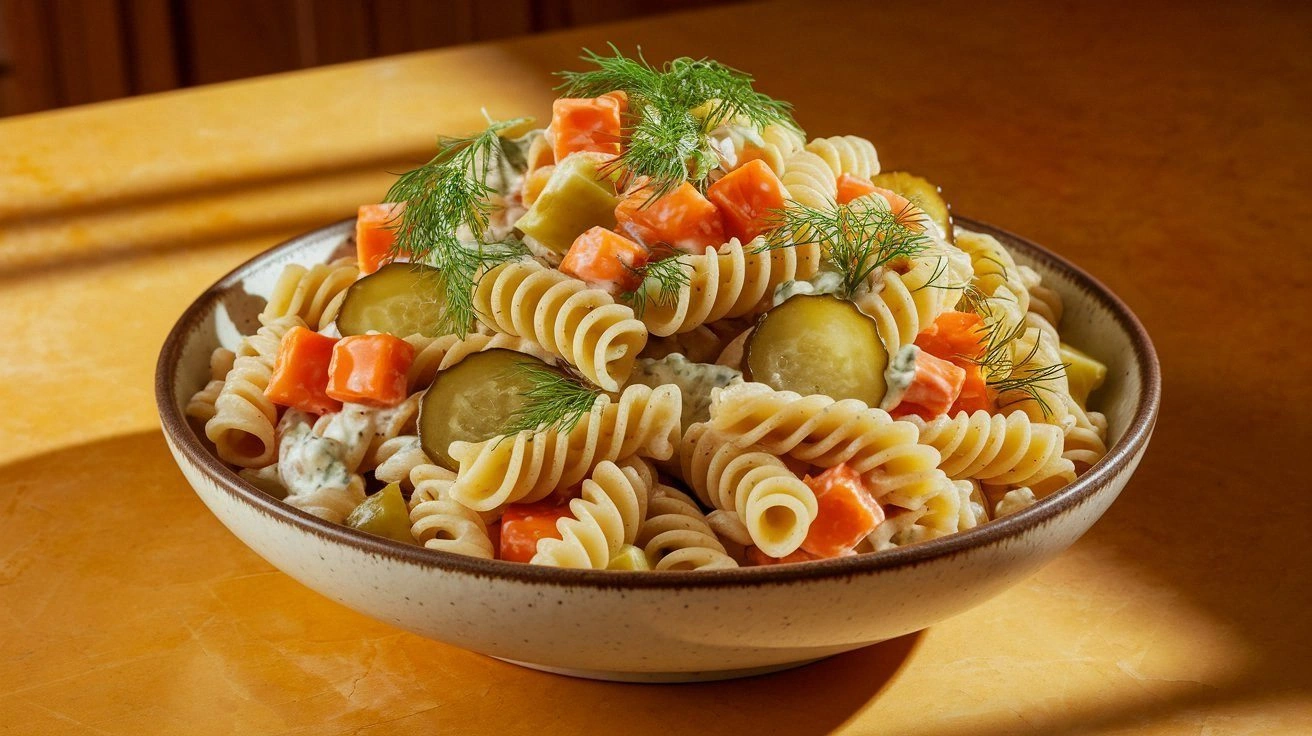
The first thing that hits your senses is the bright, green swirl of diced pickles that looks like miniature emeralds scattered across a sea of pasta. The aroma is a sharp, vinegary tang that mingles with the subtle herbal notes of dill, instantly pulling you into a nostalgic childhood memory of summer picnics. The sound is the gentle clink of the spoon against the bowl, as you mix the dressing, and the texture is that perfect blend of creamy coating and the crisp bite of pickles that shatter like thin ice. The taste is a balanced symphony: the creamy mayo and yogurt provide a velvety backdrop, the Dijon mustard adds a subtle heat, and the pickles give a bright, briny punch that cuts through the richness.
What makes this version stand out from every other recipe out there is the meticulous layering of flavors and textures that I discovered by accident when I was trying to salvage a batch of over‑cooked pasta. I realized that the secret lies in the dressing’s composition and the timing of the chill. The result is a dish that’s not just a side but a stand‑alone star that can be served at a party, a potluck, or a family dinner. The technique I’ll reveal—using Greek yogurt to soften the acidity of the pickles—will change how you think about creamy pasta salads forever.
And there’s a twist you won’t expect: I’ll show you how to incorporate a splash of lemon juice to brighten the entire dish, turning it into something that feels fresh and light even in the heat of summer. The combination of fresh dill and dried dill creates a layered herbal profile that’s both aromatic and complex. By the end of this post, you’ll wonder how you ever made it any other way. Let me walk you through every single step—by the end, you’ll wonder how you ever made it any other way.
What Makes This Version Stand Out
- Flavor: The blend of dill, garlic, and lemon creates a bright, herbaceous base that elevates the pickles’ natural tang.
- Texture: The pasta is cooked al dente, then rinsed to stop the cooking process, giving it a firm bite that resists sogginess.
- Creaminess: A mix of mayo and Greek yogurt gives a silky coating that’s lighter than traditional mayo‑only salads.
- Balance: The acidity of the pickles is countered by the mildness of the yogurt, preventing the dish from becoming overwhelmingly sour.
- Versatility: It’s a make‑ahead dish that holds up for up to 48 hours in the fridge, making it ideal for busy weeknights.
- Presentation: The bright green specks of pickles and fresh dill make for a visually striking dish that looks as good as it tastes.
- Health Angle: Using Greek yogurt cuts the fat content while adding protein, giving you a healthier option without compromising flavor.
- Party Appeal: The tangy, creamy profile is a hit at gatherings, with guests often asking for the recipe after the first bite.
Inside the Ingredient List
The Flavor Base
At the heart of this salad lies a dressing that’s a marriage between creamy and tangy. The mayonnaise provides a rich, smooth foundation while the Greek yogurt lightens the mixture, adding protein and a subtle tang that pairs perfectly with the pickles. Dijon mustard brings a gentle heat and depth, and the lemon juice cuts through the richness, leaving a clean finish. Each of these ingredients is essential; skipping any one of them would leave the salad feeling flat or one‑dimensional.
The Texture Crew
The pasta is the main structural component. Using rotini or penne allows the sauce to cling to the ridges, ensuring every bite is coated with flavor. The diced dill pickles add a satisfying crunch that contrasts with the soft pasta, while the chopped celery and red onion introduce a crispness that keeps the salad from becoming mushy. If you prefer a softer bite, you can blanch the celery before adding it, but I recommend keeping it fresh for that snap.
The Unexpected Star
Fresh dill is the secret weapon that elevates this dish. Its bright, citrusy aroma is unmistakable and lingers long after the first bite. When you sprinkle fresh dill over the finished salad, it adds a layer of herbal complexity that balances the acidity of the pickles and the richness of the dressing. If fresh dill is out of season, you can substitute with a mix of dried dill and a dash of fresh parsley for a similar effect.
The Final Flourish
Optional bacon bits bring a smoky, savory element that deepens the overall flavor profile. They’re not mandatory, but they add a textural contrast that many find irresistible. If you’re looking for a vegetarian version, simply omit the bacon; the salad remains deliciously satisfying on its own.
Everything's prepped? Good. Let's get into the real action...
The Method — Step by Step
- Begin by bringing a large pot of salted water to a rolling boil. Add 12 ounces of rotini pasta and cook according to the package instructions until al dente—usually about 8 minutes. As soon as the pasta reaches the right texture, drain it and immediately rinse under cold running water to halt the cooking process. This step is crucial; it prevents the pasta from becoming mushy during the mixing stage. Toss the pasta in a large bowl and set aside.
- While the pasta is still hot, chop 1 cup of dill pickles into bite‑size cubes. Dice 1/4 cup of celery and 1/4 cup of finely chopped red onion. For a burst of freshness, finely mince 1 tablespoon of fresh dill. If you’re adding bacon, cook 1/2 cup of bacon until crisp, then crumble it into small pieces. Keep the vegetables and bacon in a separate bowl for now.
- In a medium bowl, whisk together 1 cup of mayonnaise, 1/2 cup of Greek yogurt, 2 tablespoons of Dijon mustard, 1 tablespoon of fresh lemon juice, 1 teaspoon of dried dill, 1 teaspoon of garlic powder, 1 teaspoon of onion powder, 1/2 teaspoon of salt, and 1/4 teaspoon of black pepper. Whisk until the mixture is smooth and slightly thickened. This dressing will coat the pasta like velvet, ensuring every bite is bursting with flavor. The lemon juice is the secret to cutting through the richness and brightening the overall profile.
- Add the drained pasta to the dressing bowl. Gently fold the pasta into the sauce until every strand is coated. Be careful not to over‑mix; you want the pasta to stay whole and not become mushy. This is the moment of truth—your pasta should be glossy, with the dressing clinging to every ridge.
- Now incorporate the diced pickles, celery, red onion, fresh dill, and optional bacon into the pasta mixture. Toss gently to combine. The mixture should have a vibrant green hue from the dill and the bright green specks of pickles. Watch Out: Be careful not to over‑mix the salad once the vegetables are added; too much stirring can cause the dressing to separate and the salad to become watery.
- Cover the bowl with plastic wrap and refrigerate for at least 30 minutes. This chilling step allows the flavors to meld and the pasta to absorb the dressing fully. The salad will develop a richer, more cohesive taste after this rest period. If you’re preparing it for a party, you can chill it overnight for maximum flavor.
- After chilling, give the salad a final gentle stir. Taste and adjust seasoning with additional salt, pepper, or a splash more lemon juice if needed. The goal is a balanced flavor where the pickles’ tang, the yogurt’s creaminess, and the herbs’ aroma are all in harmony.
- Serve chilled, garnished with a sprinkle of fresh dill or a light dusting of black pepper. If you prefer a slightly smoky flavor, top with a few extra bacon bits. The salad can also be served at room temperature for a more casual gathering.
- If you’re a make‑ahead enthusiast, keep the dressing separate in a small container until you’re ready to serve. This prevents the pasta from becoming soggy and keeps the salad crisp for up to 48 hours in the fridge. When you’re ready to serve, simply pour the dressing over the pasta and toss gently.
- Enjoy the salad with a side of grilled chicken or as a hearty vegetarian main. The bright, tangy flavors pair wonderfully with any protein or as a stand‑alone dish on a hot summer day.
That’s it — you did it. But hold on, I've got a few more tricks that'll take this to another level. Keep reading for insider tips that will make your salad even more unforgettable.
Insider Tricks for Flawless Results
The Temperature Rule Nobody Follows
Many people think that any warm pasta can be tossed into a dressing, but the key is to stop the pasta’s cooking process right away. Rinsing with cold water instantly cools the pasta, preventing it from absorbing too much dressing and becoming mushy. I’ve seen the difference between a soggy bowl and a crisp, al dente texture that holds up for hours. This simple step guarantees a salad that stays firm and flavorful.
Why Your Nose Knows Best
When you add the lemon juice, the scent of citrus will immediately lift the entire dish. If you’re unsure whether the acidity is balanced, trust your nose. A bright, lemony aroma indicates that the dressing is neither too heavy nor too sour. Adjust the lemon juice by a teaspoon at a time; the scent will guide you to the perfect balance.
The 5‑Minute Rest That Changes Everything
After tossing the pasta with the dressing, let it sit for five minutes before adding the vegetables. This short rest allows the sauce to cling to the pasta, creating a more uniform coating. The pasta will also absorb a subtle amount of flavor, making each bite more complex.
Use Fresh Pickles for Extra Crunch
While store‑bought pickles are convenient, fresh pickles made from cucumbers and dill brine give a superior crunch and a cleaner flavor. If you have the time, make a batch of pickles the night before; the flavor will deepen and the texture will stay crisp.
Keep the Dressing Separate Until Serving
For a make‑ahead version, store the dressing in a small jar and the pasta separately. When you’re ready to serve, pour the dressing over the pasta and give it a quick toss. This keeps the salad from becoming soggy and preserves the bright, fresh flavors.
Creative Twists and Variations
This recipe is a playground. Here are some of my favorite ways to switch things up:
Mediterranean Twist
Swap the dill pickles for roasted red peppers and add Kalamata olives. Use a Greek yogurt‑based dressing with oregano and lemon zest. This version has a savory, Mediterranean flair that pairs well with grilled lamb or chicken.
Spicy Cajun Kick
Add a tablespoon of Cajun seasoning to the dressing and toss in sliced jalapeños. The heat complements the tang of the pickles, creating a bold, spicy flavor profile that’s perfect for summer barbecues.
Vegan Upgrade
Replace the mayonnaise and Greek yogurt with a plant‑based mayo and coconut yogurt. Keep the rest of the ingredients the same. The result is a creamy, dairy‑free salad that still delivers on flavor.
Pasta Swap
Use farfalle or fusilli instead of rotini for a different shape that holds the dressing differently. The twists and loops create a fun visual contrast and a unique mouthfeel.
Herb‑Infused Variation
Add a handful of chopped fresh basil and a splash of balsamic glaze to the dressing. The sweet, herbaceous notes add depth and pair wonderfully with a light vinaigrette on the side.
Protein‑Packed Option
Fold in cooked, shredded chicken or diced grilled shrimp for a protein boost. The seafood or poultry adds a savory dimension that turns the salad into a full meal.
Storing and Bringing It Back to Life
Fridge Storage
Store the salad in an airtight container in the refrigerator for up to 48 hours. If you’ve already mixed the dressing with the pasta, cover the bowl tightly with plastic wrap. The salad will stay fresh, and the flavors will continue to meld. Before serving, give it a quick stir and adjust seasoning if needed.
Freezer Friendly
Freezing the salad is not recommended because the pasta will become soggy. Instead, freeze the dressing separately in a small container and the pasta in another. When you’re ready to serve, combine them, stir, and add a splash of water or a drizzle of olive oil to re‑hydrate the pasta slightly.
Best Reheating Method
If you must reheat, place the salad in a shallow pan and warm it over low heat, stirring constantly. Add a teaspoon of water or a splash of milk to keep the dressing from drying out. Warm it just until the salad reaches room temperature, then serve immediately for the best texture.