Picture this: a rainy Tuesday night, the kind where the clouds look like they’re about to burst into a chorus of thunder, and your stomach is growling louder than the storm outside. I was staring at a half‑cooked bag of instant ramen, feeling the betrayal of a bland, soggy noodle that never quite hit the spot. That miserable moment sparked a culinary dare—could I transform those sad noodles into something that would make even the most stubborn palate sing? I tossed a few daring ingredients together, turned up the heat, and the result was an instant revelation that still haunts my kitchen dreams.
The moment the garlic hit the pan, a fragrant pop erupted, like fireworks on the Fourth of July, and the air filled with a sweet‑savory perfume that made my neighbor’s cat pause at the window. The ground beef sizzled, releasing juices that glistened like tiny amber droplets, while the soy‑hoisin mixture swirled in, coating everything with a glossy, velvety sheen. I could hear the noodles slither into the wok, their thin strands snapping with a satisfying snap that reminded me of fresh pasta hitting a hot skillet. My hands felt the heat radiating from the pan, the wooden spoon warm against my palm, and the whole kitchen seemed to pulse with anticipation.
Most Mongolian noodle recipes either drown the noodles in a sauce that’s too watery or rely on a mystery “secret sauce” that never quite delivers the depth I crave. This version, however, is a meticulously balanced orchestra of umami, sweet, and a whisper of heat that hits you like a gentle punch—just enough to keep you on the edge of your seat. The secret? A humble splash of sesame oil that adds a nutty richness, and a quick cornstarch slurry that transforms the sauce into a glossy glaze, hugging each noodle like a second skin. I’ll even throw in a pinch of red‑pepper flakes for those who like a tease of spice without the burn.
But here’s the kicker: I’m going to reveal the exact moment when the noodles become perfectly coated, a technique that most cooks miss because they’re too eager to dump everything in and walk away. I dare you to taste this and not go back for seconds—because once you’ve experienced this level of flavor, ordinary noodles will feel like a culinary crime. Let me walk you through every single step — by the end, you’ll wonder how you ever made it any other way.
What Makes This Version Stand Out
- Flavor Explosion: The marriage of soy sauce, hoisin, and a hint of brown sugar creates a sweet‑savory depth that coats each noodle like velvet, making every bite a celebration.
- Texture Harmony: The ground beef stays juicy while the noodles retain a tender‑yet‑slightly‑chewy bite, delivering a satisfying contrast that keeps you chewing happily.
- Simplicity Meets Sophistication: With just ten pantry staples, you achieve a restaurant‑quality dish without needing a culinary degree or obscure ingredients.
- Unique Glaze: The cornstarch slurry gives the sauce a glossy finish that clings to the noodles, turning a simple stir‑fry into a visual masterpiece.
- Crowd‑Pleaser Factor: This dish has a built‑in “wow” factor—kids love the sweet notes, while adults appreciate the umami depth, making it perfect for family meals or casual gatherings.
- Ingredient Quality: Using fresh garlic and high‑quality soy sauce elevates the flavor profile, proving that even humble dishes can shine with the right basics.
- One‑Pan Efficiency: The entire process happens in a single wok or large skillet, meaning fewer dishes and more time to enjoy the final product.
- Make‑Ahead Potential: The sauce can be prepared in advance and stored, allowing you to whip up a quick dinner on a busy weeknight without sacrificing flavor.
Inside the Ingredient List
The Flavor Base
Garlic is the aromatic cornerstone of this dish; its sharp, peppery bite mellows into a sweet, almost caramelized note once it hits the hot oil. If you skip the garlic, you’ll lose that essential depth, and the sauce will feel flat. For a milder profile, you can swap half the garlic for shallots, but remember that the flavor will shift toward a sweeter, less pungent direction.
Soy sauce provides the salty backbone and umami richness that defines Mongolian cuisine. Opt for a low‑sodium version if you’re watching your salt intake, but don’t skimp on the quality—artisan soy sauces bring a depth that regular pantry brands can’t match. A quick tip: give the soy sauce a gentle stir before measuring to ensure an even consistency.
The Texture Crew
Ground beef is the protein hero, delivering a juicy, meaty bite that contrasts beautifully with the noodles’ silkiness. Choose 80/20 lean‑to‑fat ratio; the fat renders into the sauce, adding silkiness and preventing the beef from drying out. If you’re vegetarian, substitute with finely crumbled tempeh or plant‑based mince, but remember the flavor profile will shift slightly.
Ramen noodles (or any thin noodles) are the canvas—quick‑cooking, slightly alkaline strands that absorb the sauce without becoming mushy. Overcooking them is a common mistake; aim for al dente, which usually means cooking them one minute less than the package directs. Rinse briefly under cold water after draining to stop the cooking process and keep them firm.
The Unexpected Star
Hoisin sauce brings a subtle sweetness and a whisper of fermented depth that you won’t find in plain soy sauce. It’s the secret weapon that prevents the dish from feeling one‑dimensional. If you can’t find hoisin, a mix of a teaspoon of peanut butter, a splash of rice vinegar, and a pinch of five‑spice can mimic its complexity.
Sesame oil is the finishing touch—a nutty aroma that lifts the entire dish. Because it burns easily, add it at the very end of cooking, allowing its flavor to bloom without turning bitter. A drizzle of toasted sesame seeds on top adds both crunch and visual appeal.
The Final Flourish
Brown sugar balances the salty and savory elements with a mellow sweetness, preventing the sauce from tasting overly salty. Use a light hand; too much sugar will dominate the flavor. If you prefer a healthier alternative, try a drizzle of honey or maple syrup, adjusting the quantity to taste.
Cornstarch mixed with water creates a slurry that thickens the sauce just enough to cling to each noodle, turning a watery mixture into a glossy glaze. This step is optional, but without it, the sauce may run off the noodles, leaving them soggy. If you’re gluten‑free, substitute with arrowroot powder in the same ratio.
Everything's prepped? Good. Let's get into the real action...
The Method — Step by Step
Start by heating a large wok or deep skillet over medium‑high heat. Add a splash of neutral oil—just enough to coat the bottom. When the oil shimmers, toss in the minced garlic and let it sizzle for about 30 seconds; you’ll hear a gentle crackle that signals it’s releasing its aromatic oils. Keep a close eye, because garlic can go from fragrant to bitter in a heartbeat.
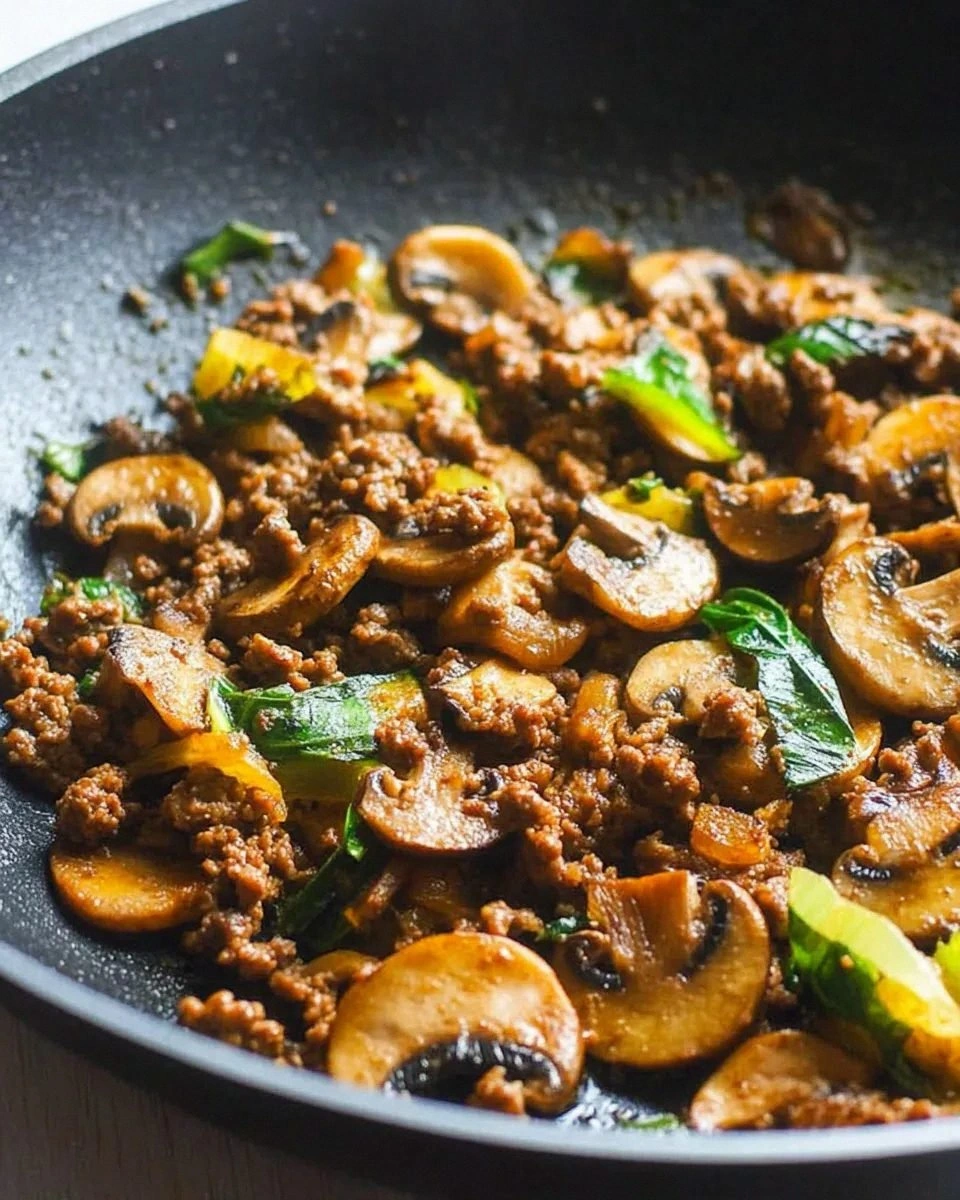
Next, crumble the ground beef into the pan, breaking it up with a wooden spoon. Cook for 4‑5 minutes, stirring occasionally, until the meat loses its pink hue and begins to brown. You’ll notice the edges turning a deep caramel color, releasing juices that mingle with the garlic, creating a base that smells like a street‑food market in Beijing.
Kitchen Hack: Push the beef to one side of the pan, let it sear undisturbed for 1 minute, then flip—this creates those coveted crispy bits that add texture.While the beef is browning, whisk together the soy sauce, hoisin sauce, brown sugar, and sesame oil in a small bowl. If you love a subtle heat, sprinkle in a pinch of crushed red‑pepper flakes now; they’ll infuse the liquid without overwhelming the palate. The mixture should look glossy and slightly thick—if it feels too runny, add a splash more hoisin.
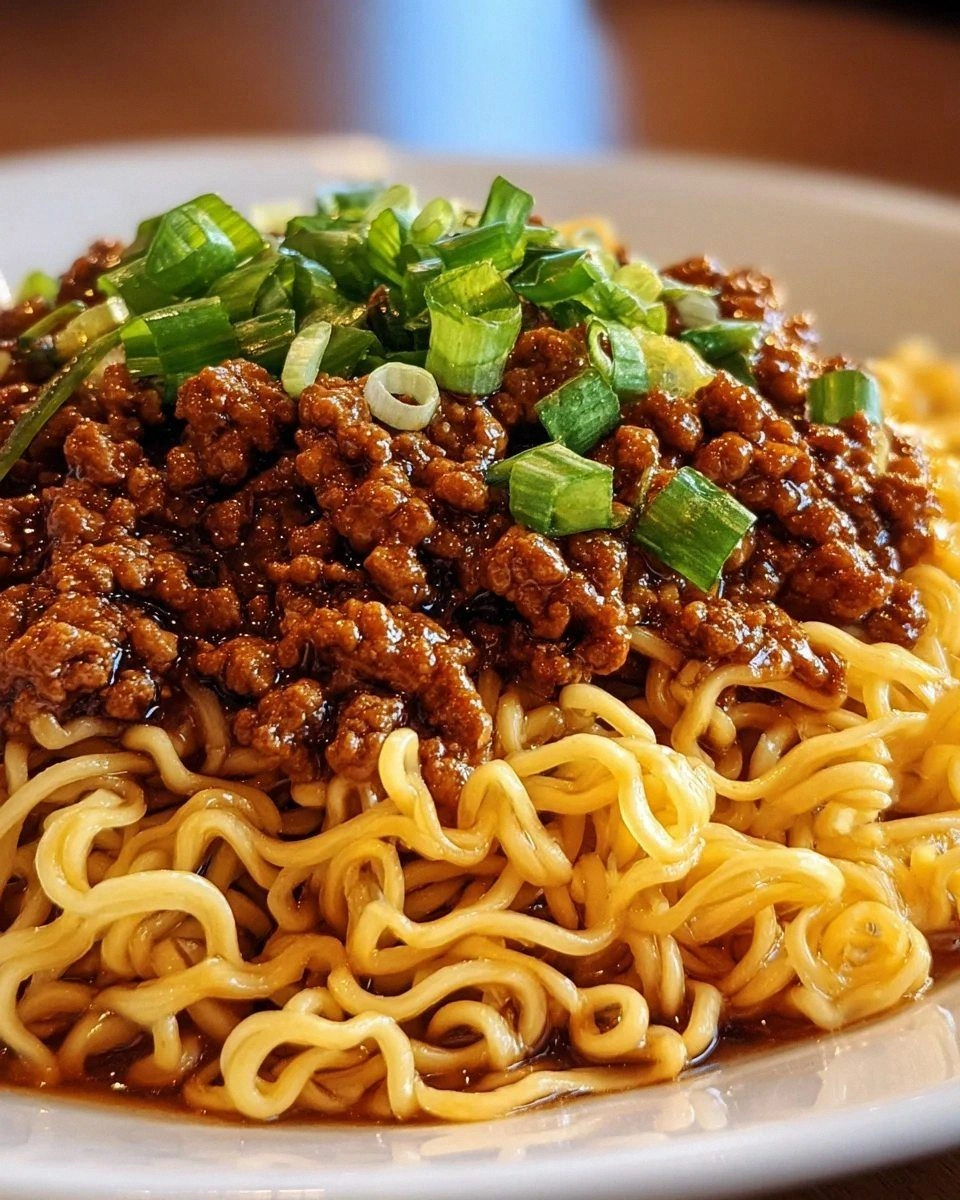
Once the beef is nicely browned, pour the sauce over the meat, stirring to coat every morsel. Let the mixture bubble gently for 2‑3 minutes; you’ll hear a faint hiss as the sugars caramelize, creating a fragrant steam that fills the kitchen. At this stage, if you’re using the cornstarch slurry, whisk it into a smooth mixture and drizzle it in, stirring constantly until the sauce thickens to a glossy sheen that clings to the beef.
While the sauce thickens, bring a large pot of salted water to a rolling boil. Add the ramen noodles and cook for 2‑3 minutes less than the package suggests—usually about 4 minutes total. The noodles should be firm to the bite, resembling al dente pasta. Once cooked, drain and rinse under cold water for a few seconds to halt the cooking process and keep the noodles from sticking together.
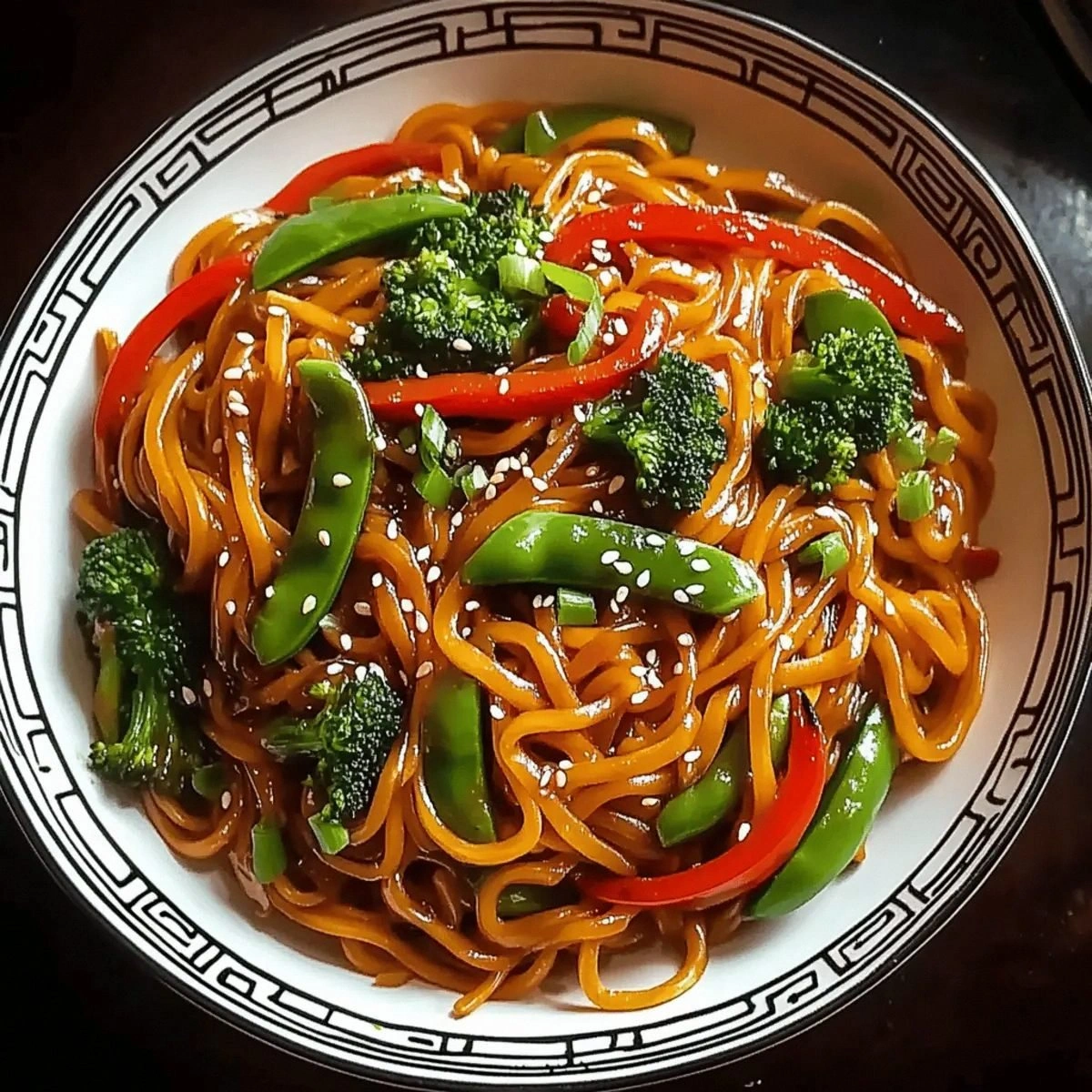
Now comes the pivotal moment: add the drained noodles directly into the wok, tossing them with the beef and sauce. Use tongs or a sturdy spatula to lift and turn the noodles, ensuring each strand gets a generous coating. You’ll hear a soft “sizzle‑swoosh” as the noodles meet the hot sauce, and the aroma will intensify, signaling that the flavors are marrying perfectly.
Give the mixture a final toss, then taste. Adjust seasoning by adding a splash more soy sauce if it needs salt, or a drizzle of honey if you crave extra sweetness. Sprinkle the chopped onion over the top for a fresh crunch and a burst of color that brightens the dish visually and texturally.
Turn off the heat and drizzle a final drizzle of sesame oil over the noodles, letting it melt into the hot strands. This final oil infusion adds a glossy finish and a lingering nutty perfume that will make your mouth water even before the first bite.
Serve immediately, pulling the wok away from the stove and plating the noodles into generous bowls. Garnish with a few extra red‑pepper flakes for those who like a daring kick, and perhaps a scattering of toasted sesame seeds for added crunch.
Watch Out: Resist the urge to let the noodles sit too long; they’ll continue to absorb sauce and become soggy. Serve within five minutes for optimal texture.
That's it — you did it. But hold on, I've got a few more tricks that'll take this to another level...
Insider Tricks for Flawless Results
The Temperature Rule Nobody Follows
Most home cooks keep the heat on “medium” and wonder why the sauce never thickens. The secret is to crank the heat up just enough to bring the sauce to a gentle boil, then reduce to a simmer. This high‑initial heat creates a rapid reduction, concentrating flavors without over‑cooking the beef. I once tried simmering low for the entire time; the result was a watery mess that clung to the noodles like a sad, limp blanket.
Why Your Nose Knows Best
Before you even taste, trust your nose. When the sauce reaches that sweet‑savory aroma—think caramelized soy with a hint of toasted sesame—you know the flavor balance is spot on. If the scent leans too salty, add a dash of brown sugar; if it smells too sweet, a splash of rice vinegar restores harmony. I’ve learned that my nose catches imbalances 30 seconds before my tongue does.
The 5‑Minute Rest That Changes Everything
Once plated, let the noodles rest for about five minutes. This short pause lets the sauce redistribute, coating each strand uniformly. Skipping this rest means the first bite may be overly saucy while the last is dry. I’ve seen friends devour the dish immediately, only to be disappointed by uneven texture later on.
Seasoning Layering Magic
Instead of dumping all the soy sauce at once, add half during the initial sauce creation and the remaining half right before the noodles join the pan. This layering builds depth, ensuring the flavor isn’t one‑dimensional. It’s a technique chefs use in high‑end restaurants to keep each component bright.
The “Cold‑Water Rinse” Myth Debunked
Many recipes advise rinsing noodles in cold water to stop cooking, but for this dish, a quick 10‑second rinse is enough to prevent clumping while preserving the noodle’s ability to absorb sauce. Rinsing too long washes away the starch that helps the sauce cling. I once over‑rinsed and ended up with noodles that slid off the fork like oil on water.
Creative Twists and Variations
This recipe is a playground. Here are some of my favorite ways to switch things up:
Spicy Szechuan Spin
Swap hoisin for Szechuan peppercorn paste and add a teaspoon of chili oil. The result is a tongue‑tingling, numbing heat that pairs beautifully with the beef’s richness. Perfect for those who love a daring kick.
Veggie‑Loaded Version
Replace half the noodles with spiralized zucchini and add sliced bell peppers, carrots, and snap peas. The vegetables bring crunch and a burst of color, turning the dish into a lighter, more balanced meal without sacrificing flavor.
Sweet‑And‑Sour Twist
Introduce a splash of pineapple juice and a tablespoon of rice vinegar to the sauce, then garnish with diced pineapple chunks. This creates a sweet‑and‑sour profile reminiscent of classic Hawaiian stir‑fry, adding a tropical vibe to the dish.
Asian‑Inspired BBQ
Mix in a tablespoon of smoky barbecue sauce and a pinch of smoked paprika. The smoky undertones give the dish a backyard‑grill feel, making it a hit for summer gatherings.
Herb‑Infused Elegance
Finish with a handful of fresh cilantro and a squeeze of lime juice just before serving. The herbaceous freshness lifts the richness, offering a bright, aromatic finish that’s perfect for spring evenings.
Storing and Bringing It Back to Life
Fridge Storage
Allow the noodles to cool to room temperature, then transfer them to an airtight container. They’ll stay fresh for up to three days. When reheating, add a splash of water or broth, then stir‑fry over medium heat until steaming hot; this restores the sauce’s silky texture.
Freezer Friendly
Portion the cooked noodles and sauce into freezer‑safe bags, removing as much air as possible. They’ll keep for up to two months. To reheat, thaw overnight in the fridge, then stir‑fry with a dash of sesame oil and a tablespoon of water to revive the glaze.
Best Reheating Method
The stovetop is king. Heat a non‑stick skillet over medium heat, add a teaspoon of oil, and toss the noodles until they’re piping hot and the sauce has re‑emulsified. Microwaving can make the noodles rubbery, so avoid it if you crave that original texture.