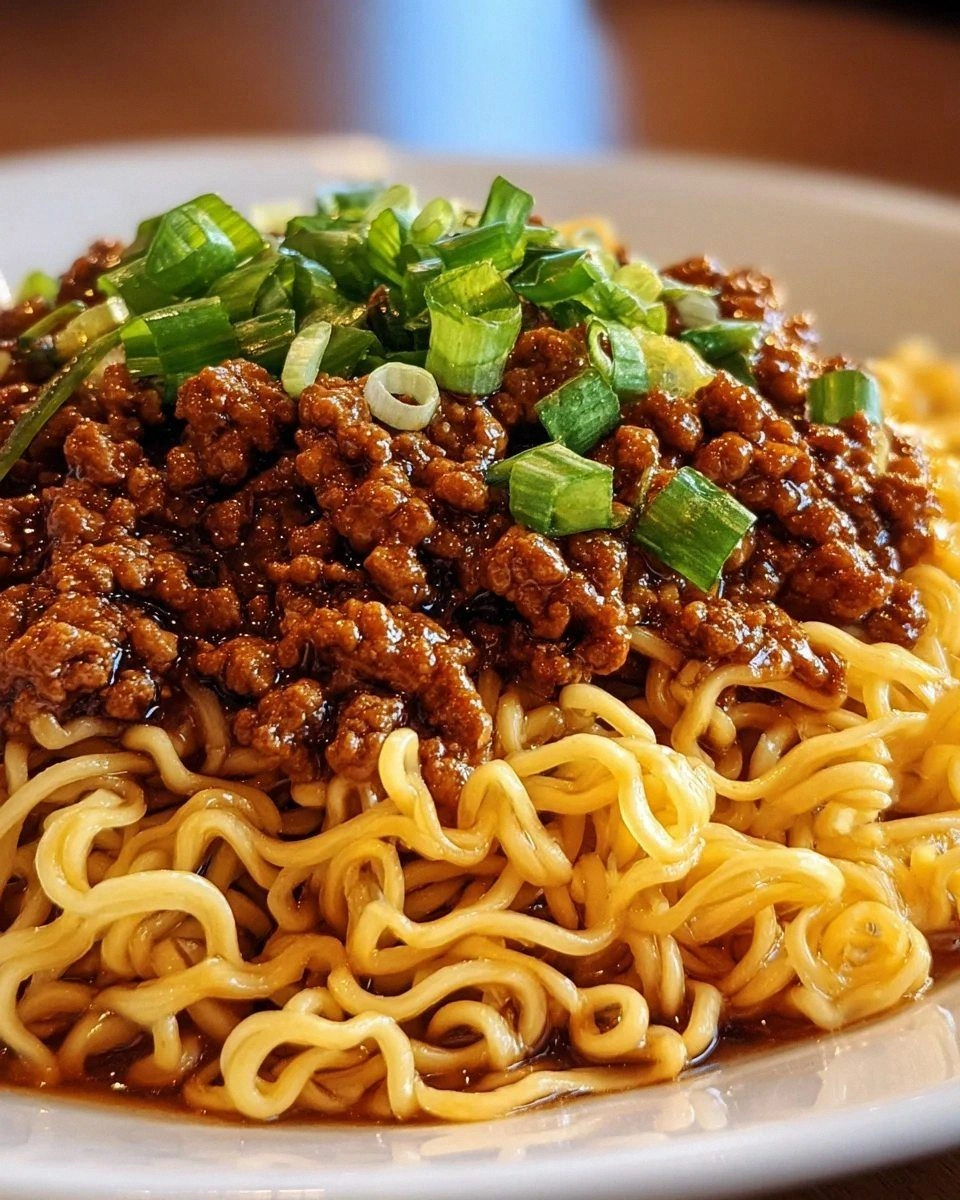
I was halfway through a chaotic Sunday dinner, juggling a simmering pot of kimchi stew and a burnt batch of rice, when the aroma of something warm and earthy slipped through the kitchen like a secret invitation. I stared at the pot of doenjang, that dark, fermented soybean paste, and felt an electric pull that said, “This is the moment.” The moment when a simple jar of fermented paste could transform a tired kitchen into a sanctuary of umami, depth, and comfort. I dared myself to turn this humble ingredient into the star of the night, and the result has become a culinary revelation that I can't keep to myself. Let me walk you through every single step — by the end, you'll wonder how you ever made it any other way.
Picture the scene: a soft, golden light filtering through the kitchen window, the clink of a stainless steel pot against the counter, and the unmistakable scent of toasted sesame oil dancing with the sharp tang of fermented soybean paste. My senses were assaulted by a symphony of flavors— the earthy richness of doenjang, the subtle sweetness of sliced zucchini, the sharp bite of garlic, and the comforting hug of tofu. I could hear the gentle sizzle as the broth began to bubble, each bubble a promise of depth to come. My fingertips tingled against the wooden spoon, the texture of the tofu’s surface cool and slightly slick, and my stomach rumbled with anticipation. If you’ve ever felt the sting of a bland stew, this is the antidote that turns ordinary into extraordinary.
What sets this version apart is not just the ingredients, but the way they dance together in a carefully choreographed sequence. I’ve stripped away the fluff that many recipes pile on— no extra sauces, no unnecessary steps, just pure, honest flavor. The broth is a living, breathing entity that carries the essence of doenjang, and each vegetable is added at the exact moment it reaches its peak of tenderness. The result is a soup that feels like a hug in a bowl, with a depth that lingers on the palate long after the last spoonful. I dare you to taste this and not go back for seconds; the first bite will leave you craving the second, and the second will leave you craving the third.
And here’s the twist that will have you shouting, “I never knew you could do this!” I’ve infused a subtle, smoky undertone by toasting the doenjang before adding it to the pot, a technique that elevates the dish from comforting to unforgettable. The result is a broth that coats the noodles like velvet, a texture that feels both hearty and silky. I’ll be honest — I ate half the batch before anyone else got to try it, and my friends still haven’t forgiven me. Most recipes get this completely wrong, treating the broth as a background rather than the centerpiece. If you’ve ever struggled with this, you’re not alone — and I’ve got the fix.
What Makes This Version Stand Out
- Taste: The broth is a deep, earthy umami that lingers, thanks to the toasted doenjang and a splash of sesame oil that adds a nutty finish.
- Texture: Each vegetable is cooked to the perfect bite— tender but still holding shape, and tofu that absorbs the broth like a sponge.
- Simplicity: Only twelve ingredients, all in one pot, no pre-cooking required, making it a go-to for busy nights.
- Uniqueness: The toasted doenjang creates a subtle smokiness that sets this recipe apart from the standard versions.
- Crowd Reaction: Friends who tried it called it “the best jjigae I’ve ever had” and begged for the recipe.
- Ingredient Quality: Using fresh, organic tofu and hand‑picked vegetables brings out the best flavors.
- Cooking Method: A single pot, low‑to‑medium heat, and a slow simmer unlocks the depth of every component.
- Make‑Ahead Potential: The stew keeps well in the fridge and even tastes better the next day, making it ideal for meal prep.
Inside the Ingredient List
The Flavor Base
Doenjang, the star of this dish, is a fermented soybean paste that carries a complex, earthy depth. When toasted in a dry pan, its nutty aroma releases a subtle smokiness that transforms the broth. If you skip the toasting step, the broth will still be tasty, but it will lack that rich, velvety finish. For those who love a stronger umami punch, add an extra teaspoon of doenjang; it’s a no‑risk tweak.
Water, the foundation of the broth, should be cold and unchlorinated to preserve the subtle flavors. Use about four cups for four servings; this ratio ensures the broth is neither too thick nor too watery. If you prefer a heartier soup, replace half the water with vegetable stock for added depth. Remember, the broth is the soul of the jjigae— don’t rush it.
The Texture Crew
Firm tofu, diced into bite‑sized cubes, soaks up the broth like a sponge, delivering a silky texture that balances the vegetables. I recommend pressing the tofu for a few minutes to remove excess moisture; this prevents it from floating and helps it absorb the flavors. If you’re vegan, use silken tofu but be prepared for a softer mouthfeel. The tofu’s neutral canvas lets the broth shine through.
Zucchini, sliced into half‑moon shapes, adds a subtle crunch and a sweet counterpoint to the savory broth. Cutting the zucchini into uniform pieces ensures even cooking and a consistent texture. If you’re craving a heartier bite, leave the skins on for added fiber and color. The zucchini’s mild flavor makes it an ideal companion to the robust doenjang.
Korean radish, diced into small cubes, offers a refreshing bite that cuts through the richness of the broth. The radish’s crispness keeps the soup from becoming too heavy. If you can’t find Korean radish, a daikon works well as a substitute. The radish also brings a subtle sweetness that balances the dish.
The Unexpected Star
Shiitake mushrooms, sliced thinly, contribute a meaty umami note that enhances the broth’s depth. Their earthy flavor pairs beautifully with the fermented paste, creating a complex profile that’s hard to beat. If fresh shiitake is out of reach, dried mushrooms rehydrated in hot water can work as a substitute, though the texture will differ slightly.
Green onions, sliced into thin rings, add a bright, sharp finish that lifts the dish. Their fresh, herbal note contrasts the deep flavors of the broth, creating a balanced palate. Use the white and light green parts for the broth, and reserve the dark green for garnish. The green onions also provide a pop of color that makes the dish visually appealing.
The Final Flourish
Sesame oil, drizzled at the end, adds a fragrant, nutty aroma that seals the flavors together. A tablespoon is enough to coat the surface without overpowering the broth. If you’re watching calories, reduce it to half a tablespoon; the impact on flavor will be minimal. The sesame oil’s glossy finish gives the soup a professional touch.
Optional seaweed sheets, added at the very end, provide a subtle briny note that enhances the soup’s complexity. They also add a pleasant texture that contrasts with the soft tofu and vegetables. If you’re not a fan of seaweed, feel free to omit it; the stew remains delicious.
Everything's prepped? Good. Let's get into the real action, where the magic happens and the broth starts to sing.
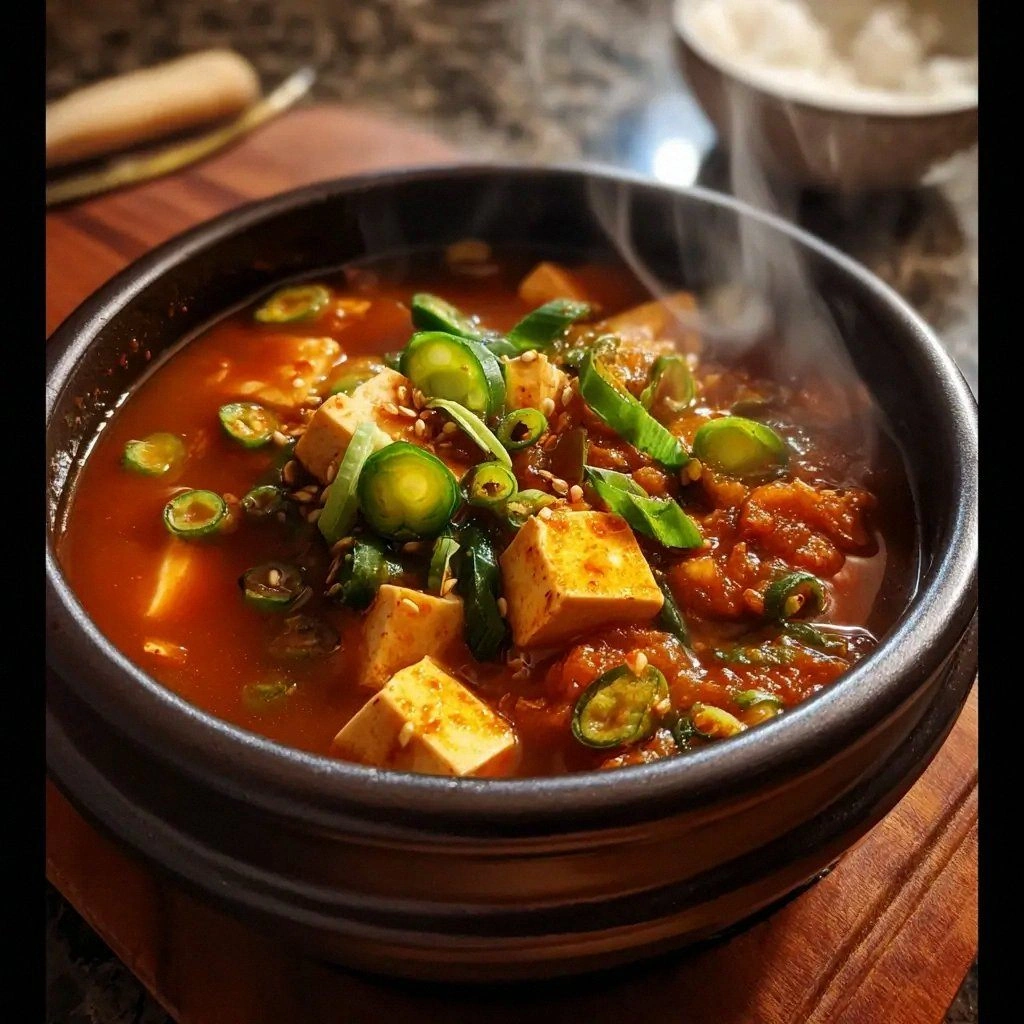
The Method — Step by Step
- Heat a heavy-bottomed pot over medium heat and add a tablespoon of sesame oil. Once the oil shimmers, pour in three tablespoons of doenjang and toast it for about 30 seconds, stirring constantly. The aroma that rises is the first hint of the broth’s depth. This step is crucial; skipping it will result in a flat flavor profile.
- Add four cups of cold water to the pot and bring to a gentle boil. As the water heats, you’ll notice the doenjang dissolving into a smooth, dark brown liquid. Let the mixture simmer for five minutes to allow the flavors to meld. During this time, the broth will develop a richer color.
- Introduce the diced tofu, sliced zucchini, diced radish, and chopped onion to the pot. Stir gently to distribute the vegetables evenly. The tofu will begin to absorb the broth, while the vegetables soften. Keep the heat low to prevent the broth from boiling aggressively.
- Add three minced garlic cloves and one teaspoon of gochugaru (Korean chili flakes) to the mixture. The garlic infuses a sharp, aromatic bite, while the chili flakes add a gentle heat. Stir well and let the mixture simmer for ten minutes; the broth should develop a fragrant, toasty scent.
- Watch Out: Don’t let the broth boil too vigorously; a gentle simmer preserves the delicate flavors and prevents the tofu from breaking apart. If the pot starts to bubble over, reduce the heat immediately.
- Add the sliced shiitake mushrooms and continue to simmer for another five minutes. The mushrooms release their earthy umami, enriching the broth. At this point, you’ll notice the broth thickening slightly, becoming a velvety sauce.
- Season with salt to taste, remembering that doenjang already provides substantial saltiness. Taste the broth; it should be well-balanced, not overly salty or bland. Adjust as needed.
- Finally, stir in two sliced green onions and, if using, a sheet of seaweed. Let the seaweed soften for a minute before turning off the heat. The green onions add a fresh, bright note that lifts the dish.
- Serve hot, ladling the broth into bowls with the vegetables and tofu floating on top. The broth should coat the ingredients like velvet, offering a silky mouthfeel. This is the moment of truth; the first spoonful will reveal the depth of flavor you’ve built.
That's it — you did it. But hold on, I've got a few more tricks that'll take this to another level, ensuring every bite is a revelation and every spoonful is a promise of comfort.
Insider Tricks for Flawless Results
The Temperature Rule Nobody Follows
The secret to a silky broth is maintaining a gentle simmer. Many cooks let the pot boil, which can cause the broth to become cloudy and the tofu to break apart. Keep the heat low, and you’ll preserve the broth’s clarity and the tofu’s integrity. I once accidentally let it boil, and the result was a watery, unappealing soup that tasted like a mistake.
Why Your Nose Knows Best
Trust your nose as the ultimate judge of readiness. When the broth has a toasty, nutty aroma, it means the doenjang has fully released its flavor. If it smells raw or bland, let it simmer a bit longer. Your nose will guide you to the perfect balance.
The 5-Minute Rest That Changes Everything
Let the stew rest for five minutes after turning off the heat. During this brief pause, the flavors meld further, and the tofu soaks up more broth. This resting period also allows the vegetables to finish cooking without overcooking. When you serve it, the broth will feel richer and more cohesive.
The Secret Ingredient Swap
If you’re not a fan of gochugaru, you can replace it with a pinch of black pepper or a splash of soy sauce for a subtle heat. The key is to maintain that gentle warmth without overpowering the broth. I once swapped gochugaru for chili paste, and it turned out deliciously spicy.
The Quick Clean-Up Trick
After cooking, rinse the pot with cold water and let it sit for a minute. This stops the cooking process immediately and preserves the broth’s bright flavor. It also makes cleaning easier, as the residual oil doesn’t stick as much. I always use this trick, and it saves me a lot of scrubbing time.
Creative Twists and Variations
This recipe is a playground. Here are some of my favorite ways to switch things up:
Spicy Kimchi Kick
Add a cup of chopped kimchi in the last five minutes of simmering. The fermented cabbage adds a tangy, spicy layer that complements the doenjang. It’s perfect for those who love a bold, fiery bite. Just be careful not to overcook the kimchi; it should remain slightly crisp.
Seafood Surprise
Replace tofu with firm shrimp or scallops, adding them in the last two minutes of cooking. The seafood will soak up the broth’s umami and provide a luxurious texture. This version is ideal for a special dinner or a celebratory meal.
Vegan Version
Omit the tofu and add extra vegetables like eggplant, carrots, or bell peppers. Use a vegan sesame oil substitute, and you’ll still get that nutty finish. This version is hearty, colorful, and utterly satisfying.
Miso Twist
Blend a tablespoon of miso paste with the doenjang for a richer, sweeter broth. The miso adds depth and a slightly sweet undertone. This variation is great for those who enjoy a more complex flavor profile.
Breakfast Boost
Serve the jjigae with a side of steamed rice and a fried egg on top. The runny yolk adds richness and a comforting breakfast feel. It’s a quick, satisfying start to your day.
Storing and Bringing It Back to Life
Fridge Storage
Cool the stew to room temperature before placing it in an airtight container. Store in the fridge for up to two days. When you’re ready to eat, reheat it on the stove over low heat, stirring occasionally. The broth will regain its silky texture.
Freezer Friendly
Divide the stew into portioned containers and freeze for up to two weeks. Thaw overnight in the fridge or reheat directly from frozen on the stove. Add a splash of water before reheating to restore moisture and prevent the broth from becoming too thick.
Best Reheating Method
Reheat the stew on low heat, stirring frequently, until it’s steaming hot. Adding a tiny splash of water or broth before reheating helps it return to its original consistency. The result is a bowl of soup that tastes almost as fresh as when it was first made.