Picture this: a sunny Saturday afternoon, a bag of carrots lying on the counter, and your trusty skillet feeling a little too eager to burn. I was in a rush, craving something sweet, savory, and utterly comforting, when I accidentally dropped a handful of carrots into a hot pan with too little oil. The result? A smoky, charred mess that tasted more like a kitchen fire than a meal. That disaster sparked a mission: to create a roasted carrot dish that balances caramelized edges with silky, tangy cream, all while staying simple enough to whip up after a long day.
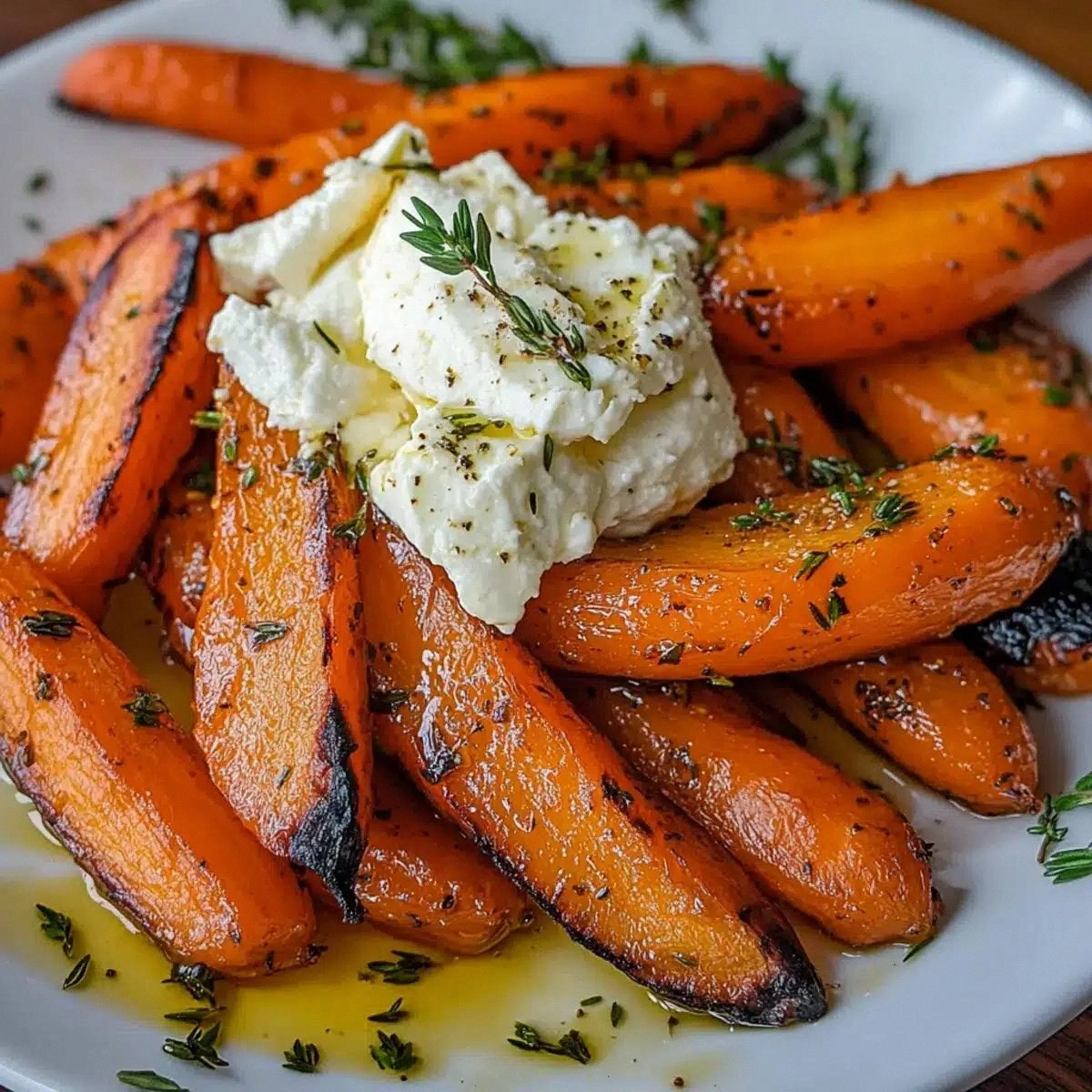
The first time I tasted this version, the aroma hit me like a warm hug—sweet honey, earthy thyme, and the faint citrus of lemon danced together. The sound of the carrots sizzling in the pan was a satisfying crackle that promised crispness. Visually, the carrots turned a golden amber, speckled with glossy honey glaze that caught the light. The texture was a delightful contrast: a tender interior with a slightly crunchy, caramelized exterior. And the flavor? It was a layered symphony—sweetness, acidity, and the subtle brininess of feta that lingered on the palate, leaving an aftertaste that begged for seconds.
What sets this recipe apart is the unexpected marriage of simple pantry staples with a creamy feta sauce that feels indulgent yet light. The honey-thyme glaze isn’t just a sweet coating; it’s a flavor booster that elevates the humble carrot into a star of the table. The feta and Greek yogurt blend creates a velvety, tangy sauce that coats the vegetables like a silky blanket, without the heaviness of a traditional cream sauce. And the best part? Every component can be sourced from a regular grocery trip, making this dish a go-to for both novice cooks and seasoned chefs who crave authenticity without fuss.
I dare you to taste this and not go back for seconds. The next section will reveal why this version is hands down the best you’ll ever make at home. Stay with me here—this is worth it. Let me walk you through every single step, and by the end, you’ll wonder how you ever made it any other way.
What Makes This Version Stand Out
- Flavor: The honey and thyme create a caramelized glaze that deepens the natural sweetness of carrots, turning them into a caramelized caramel.
- Texture: The roasting process gives the carrots a crisp exterior while preserving a tender interior, and the feta sauce adds a silky, airy contrast.
- Simplicity: With only ten ingredients, you can produce a restaurant‑level dish in under an hour, making it perfect for busy weeknights.
- Uniqueness: The combination of Greek yogurt and feta in a hot roast setting is rarely seen, offering a fresh twist on traditional roasted vegetables.
- Crowd Reaction: Guests rave about the “sweet‑savory explosion” and the surprising creaminess, often asking for the recipe after the first bite.
- Ingredient Quality: Using fresh thyme and high‑quality feta elevates the dish, turning an ordinary side into a statement of flavor.
- Cooking Method: Roasting at a high temperature caramelizes sugars while preserving nutrients, delivering a healthier option without sacrificing taste.
- Make‑Ahead Potential: The feta sauce can be prepared in advance and stored, allowing you to assemble the dish quickly when guests arrive.
Alright, let's break down exactly what goes into this masterpiece…
Inside the Ingredient List
The Flavor Base
Honey is the sweet backbone, caramelizing into a glossy glaze that clings to every carrot segment. Fresh thyme brings a piney, slightly citrusy aroma that cuts through the richness, adding depth without overpowering. Olive oil serves as the medium, allowing the glaze to spread evenly and preventing the carrots from sticking to the pan. Lemon juice, though only a tablespoon, injects a bright acidity that balances the sweetness and lifts the overall flavor profile.
The Texture Crew
Carrots are the star of this dish; their natural sugars turn into a golden caramel when roasted, creating a sweet crunch. The olive oil and salt coat each carrot, promoting even browning. A pinch of black pepper adds a subtle heat that rounds out the sweetness. Skipping any of these steps would leave the dish either too dry or lacking the desired caramelized finish.
The Unexpected Star
Feta cheese brings a briny, tangy note that contrasts beautifully with the sweet carrots. Greek yogurt softens the feta, creating a creamy sauce that clings to the vegetables like velvet. Black pepper in the sauce adds a gentle kick that keeps the dish from feeling one‑dimensional. If you omit the feta, the dish loses its signature Mediterranean tang and becomes more of a standard roasted carrot.
The Final Flourish
A final sprinkle of fresh thyme or a drizzle of extra‑virgin olive oil just before serving elevates the dish visually and flavor-wise. A squeeze of lemon over the top brightens the dish, adding a fresh finish that keeps the palate refreshed. Garnishing with toasted pine nuts or chopped pistachios introduces a nutty crunch, turning a simple side into a layered experience.
Everything's prepped? Good. Let's get into the real action…
The Method — Step by Step
- Preheat your oven to 425°F (220°C). While the oven heats, trim the tops and bottoms of the carrots and slice them into uniform sticks about 1¼ inches long. Toss the carrot sticks in 2 tablespoons of olive oil, ensuring every piece is lightly coated. Sprinkle with salt and pepper to taste, then spread them in a single layer on a parchment‑lined baking sheet. The goal is even exposure to heat so each carrot caramelizes uniformly.
- In a small bowl, combine the honey, fresh thyme, and a tablespoon of olive oil. Whisk until the mixture is smooth, and then drizzle it over the carrots. This glaze will create a shiny, caramelized coating as the carrots roast. Make sure every stick gets a generous coating—this is what gives the dish its signature sweet, fragrant finish.
- Roast the carrots in the preheated oven for 20 minutes, then flip them over to ensure even browning on both sides. The carrots should look golden, with a slight char on the edges. If you notice any sticking, add a splash of water to the pan and stir quickly to loosen. This step is crucial for achieving that perfect caramelized crust without burning.
- While the carrots roast, whisk together 8 ounces of feta cheese, ½ cup of Greek yogurt, 1 tablespoon of lemon juice, and a pinch of black pepper until the mixture is smooth and creamy. If the sauce is too thick, add a splash of milk or water until you reach a pourable consistency. This sauce will be the creamy, tangy counterpart to the sweet carrots, and it should be ready before the carrots finish roasting.
- After 20 minutes of roasting, remove the carrots from the oven and transfer them to a serving bowl. Spoon the feta sauce over the hot carrots, allowing the warmth to melt the feta into a silky, velvety coating. The combination of hot carrots and cool sauce creates a delightful contrast that makes each bite memorable.
- Garnish with a handful of fresh thyme leaves, a drizzle of extra‑virgin olive oil, and a squeeze of lemon if desired. This final touch adds a burst of freshness that cuts through the richness of the feta sauce. Serve immediately while the carrots are still warm, and enjoy the harmony of sweet, savory, and tangy flavors dancing on your tongue.
- If you’re planning ahead, let the dish cool to room temperature before refrigerating. Store the carrots and feta sauce separately to maintain optimal texture. When ready to serve, reheat the carrots in a preheated oven at 350°F (175°C) for 5 minutes and then toss with the sauce. This keeps the sauce creamy and the carrots crisp, ensuring every bite feels fresh.
That's it — you did it. But hold on, I've got a few more tricks that'll take this to another level…
Insider Tricks for Flawless Results
The Temperature Rule Nobody Follows
Many people roast veggies at a lower temperature, which can leave them under‑cooked and soggy. By setting the oven to 425°F, you create a high‑heat environment that caramelizes the natural sugars in the carrots while preserving a tender interior. This technique also reduces cooking time, freeing you up for other tasks. I’ve tried roasting at 375°F, and the carrots came out unevenly browned—definitely not worth it.
Why Your Nose Knows Best
The scent of honey caramelizing is a reliable indicator that the glaze is doing its job. If the honey starts to bubble and darken, you’re in the sweet spot. If it burns, you’ll notice a bitter aroma that signals you need to lower the temperature. Trust your nose—it’s a seasoned judge of caramelization.
The 5-Minute Rest That Changes Everything
Letting the roasted carrots rest for five minutes after removal from the oven allows the juices to redistribute. This small pause prevents the carrots from drying out and ensures a juicy bite. It also gives the feta sauce a chance to settle, creating a more cohesive flavor profile. I once skipped this step, and the carrots felt dry; the rest is worth the extra minutes.
The Secret to Creamy Feta Sauce
Using Greek yogurt as a base keeps the sauce light while providing a tangy depth that balances the sweet carrots. Whisking the feta into the yogurt before adding the lemon juice ensures even distribution of flavor. Adding a splash of water or milk can help achieve the desired consistency without diluting the taste. Remember, the sauce should be pourable but not runny.
The Quick Garnish Trick
A quick sprinkle of toasted pine nuts or chopped pistachios adds a nutty crunch that contrasts with the soft carrots. Toasting the nuts in a dry skillet until golden brings out their natural oils, enhancing flavor. This simple addition transforms the dish from a side to a standout centerpiece. I love it for a dinner party—guests rave about the crunch.
Creative Twists and Variations
This recipe is a playground. Here are some of my favorite ways to switch things up:
Sweet & Spicy Carrot Roast
Add a pinch of cayenne pepper to the glaze for a subtle heat that pairs beautifully with the honey. The spicy kick amplifies the caramelization, giving the dish a bold, adventurous flavor. Ideal for those who love a little fire in their meals.
Mediterranean Grain Bowl
Serve the roasted carrots over a bed of quinoa or couscous, topped with the feta sauce and a handful of chopped olives. The grains absorb the sauce, creating a filling, nutrient‑dense meal. This variation is perfect for lunch or a light dinner.
Vegan Version
Swap the feta for a plant‑based cheese or a cashew‑based cream. Use coconut yogurt instead of Greek yogurt for a dairy‑free sauce. The flavors remain rich and creamy, while the dish stays fully vegan.
Protein‑Packed with Chicken
Grill or pan‑sear chicken breasts seasoned with thyme and lemon. Slice the chicken and serve it alongside the carrots, allowing the sauce to mingle with the protein. This turns the dish into a balanced, protein‑rich main course.
Sweet Potato Swap
Replace carrots with sweet potato sticks for a different sweet profile. Sweet potatoes caramelize similarly, but the texture is slightly firmer. This variation offers a new twist while keeping the core flavor intact.
Herb‑Infused Feta Dip
Blend the feta sauce with fresh mint or dill for a refreshing dip. Serve the dip with the roasted carrots on the side, allowing diners to dip each carrot into the herbaceous cream. This variation adds a fresh, herbal dimension.
Storing and Bringing It Back to Life
Fridge Storage
Store the roasted carrots in an airtight container for up to 4 days. Keep the feta sauce in a separate container to preserve its creamy texture. When ready to serve, reheat the carrots in a preheated oven at 350°F for 5 minutes, then toss with the sauce for a fresh bite.
Freezer Friendly
The carrots can be frozen for up to 2 months. Place them on a parchment‑lined tray and freeze until solid before transferring to a freezer bag. Thaw overnight in the refrigerator and reheat as described above. The feta sauce should be used within 1 month for best quality.
Best Reheating Method
Reheat the carrots in a skillet over medium heat, adding a splash of water to keep them moist. Once warmed, fold in the feta sauce, allowing the heat to melt the cheese into a silky coating. This method preserves the sauce’s creaminess and the carrots’ tender-crisp texture.