I was standing in my kitchen, staring at a bowl of plain white rice and feeling a sudden wave of culinary dread. I had just burnt a batch of pasta sauce earlier, and the kitchen smelled like charred tomato. I promised myself I would never again settle for bland side dishes. That night, a friend texted me a photo of a vibrant bowl of coconut‑lime rice that looked like it had been kissed by sunshine. I stared at the picture and thought, “What if I could bring that bright, tropical flavor to my own stove?”
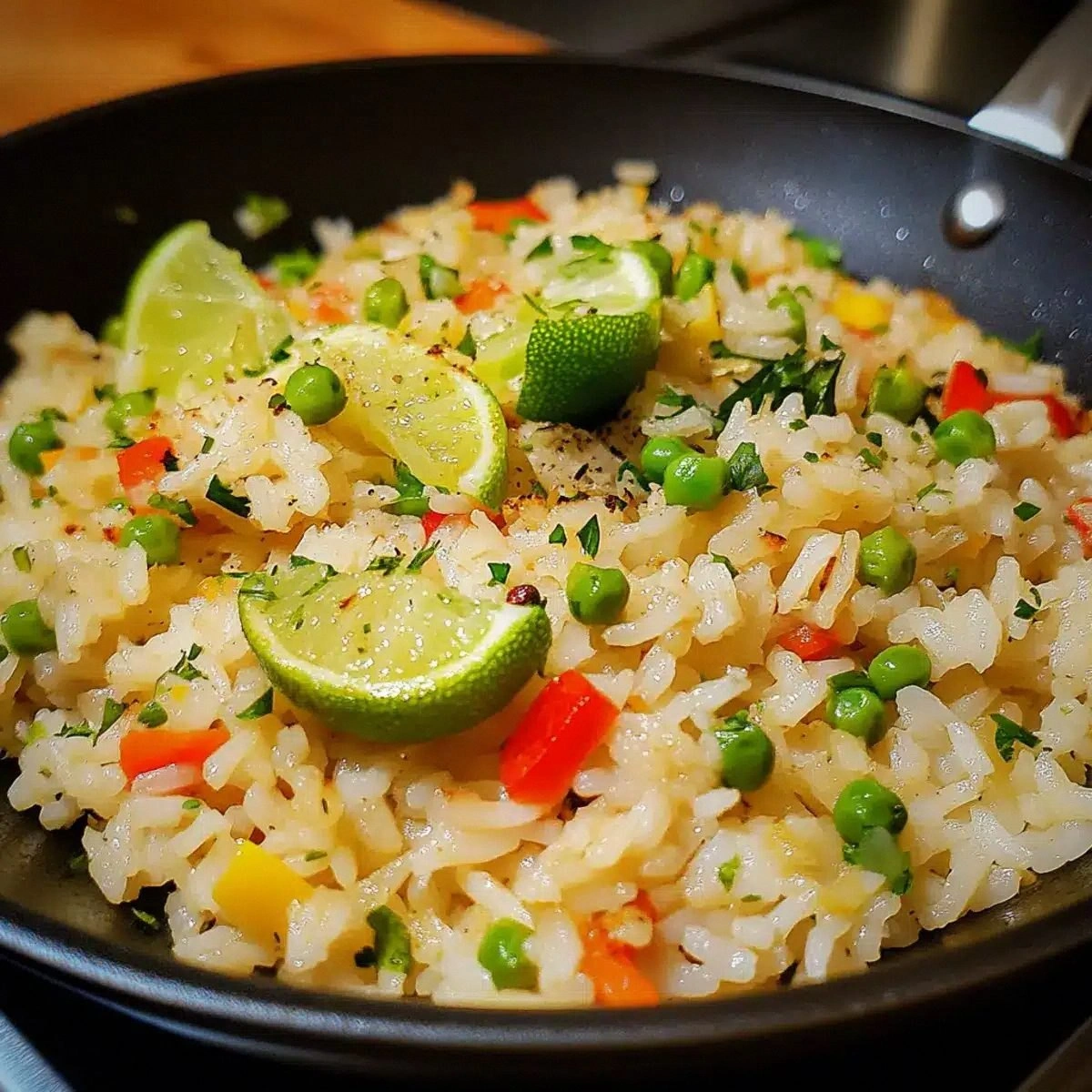
The moment the rice hit the pan, the aroma erupted—a sweet, buttery coconut scent mingled with the sharp citrus of lime. The visual contrast of the bright green peas and the ruby of the bell pepper against the creamy rice felt like a work of art. The sizzling sound, a gentle hiss, was the soundtrack of a perfect cooking session. I could taste the hint of lime in my imagination, the subtle heat of chili flakes, and the earthy crunch of carrots. My fingers tingled with anticipation, and I knew this dish would become a staple in my meal rotation.
What sets this recipe apart is the way it balances the richness of coconut milk with the bright acidity of lime, creating a flavor profile that’s both comforting and invigorating. The rice is cooked directly in the skillet, which locks in moisture and develops a slightly caramelized crust that’s a delight to bite into. I dare you to taste this and not go back for seconds; the burst of lime will linger on your palate long after the last grain. Most recipes get this completely wrong, using too much liquid or too little lime, but here the harmony is precise. Picture yourself pulling this out of the pan, the whole kitchen smelling incredible, and a crowd of friends gathering around for a taste test. I’ve got the secret to make this simple yet unforgettable.
If you've ever struggled with rice that turns mushy or tastes flat, you're not alone—and I've got the fix. This is hands down the best version you'll ever make at home. The combination of coconut milk and vegetable broth creates a creamy base, while the lime juice adds a zesty kick that wakes up the senses. The red bell pepper adds a pop of color and a sweet crunch, and the peas provide a burst of green that brightens the plate. The method is straightforward, the ingredients are pantry staples, and the result is a dish that can be served as a side or a main. Let me walk you through every single step — by the end, you'll wonder how you ever made it any other way.
What Makes This Version Stand Out
- Flavor: The coconut milk gives a silky, tropical base while the lime juice cuts through the richness, creating a balanced, bright flavor that’s impossible to ignore.
- Texture: Cooking the rice directly in the skillet allows the grains to develop a slightly toasted edge that contrasts with the fluffy interior, giving the dish a satisfying bite.
- Convenience: No separate pot required—everything happens in one pan, saving time and dishware.
- Color: The combination of red bell pepper, green peas, and cilantro turns a simple rice dish into a vibrant, Instagram‑ready plate.
- Versatility: This base can be paired with grilled chicken, tofu, shrimp, or even left as a hearty vegetarian main.
- Healthful: Using coconut milk keeps the dish creamy without the heaviness of cream, and the veggies add fiber and nutrients.
Alright, let's break down exactly what goes into this masterpiece...
Inside the Ingredient List
The Flavor Base
Long‑grain white rice is the canvas; its neutral flavor allows the coconut and lime to shine. The coconut milk provides a silky, slightly sweet backdrop, while the vegetable broth adds depth without overpowering the rice. Skipping the broth will leave the rice dry and the flavor one‑dimensional, so keep it in. If you’re looking for a richer taste, substitute half the coconut milk with heavy cream, but be careful not to dilute the lime’s brightness.
Coconut milk is the secret weapon here; it brings a subtle tropical sweetness that pairs perfectly with lime. The key is to use a full‑fat brand for maximum creaminess. If you’re lactose intolerant or vegan, look for a coconut milk that’s fortified with calcium and vitamin D. A small splash of fish sauce can add umami depth, but keep it light to preserve the dish’s bright profile.
Fresh lime juice is the star that cuts through the richness. Lime juice also has natural antibacterial properties, ensuring the rice stays fresh. If you can’t find fresh limes, a tablespoon of lime zest plus a splash of vinegar works as a substitute. The amount of lime is adjustable; if you love a tangy kick, add a little more, but be cautious not to overpower the coconut.
The Texture Crew
Red bell pepper adds a sweet crunch that contrasts the soft rice. It’s packed with vitamin C, which boosts your immune system. Slice it into thin strips to ensure even cooking. If you prefer a milder pepper, use a yellow or orange bell pepper; the flavor will be slightly sweeter.
Green peas bring a pop of color and a subtle sweetness that complements the lime. Frozen peas are fine; just thaw them before adding. The peas also add a slight bite that keeps the dish from becoming too mushy. If you’re in a hurry, canned peas (rinsed well) can be used, but they’ll release more liquid.
Carrots provide a crunchy texture and a natural sweetness that balances the acidity of lime. Slice them into thin matchsticks or julienne to ensure they cook quickly and evenly. If you prefer a softer texture, dice them into small cubes. Carrots also add beta‑carotene, making the dish a bit more nutritious.
The Unexpected Star
Green onions add a sharp, oniony flavor that cuts through the richness of coconut. They also bring a fresh, almost citrusy note that ties the dish together. Slice them thinly so they release their flavor quickly. If you’re sensitive to onions, use only the green parts and skip the white bulb.
Garlic is the aromatics that elevate the dish. Two cloves are enough to infuse the rice with a warm, savory base. Mince them finely to ensure even distribution. If you’re a garlic lover, feel free to double the amount; just be cautious of the overpowering flavor.
The Final Flourish
Cilantro is the finishing touch that adds a fresh, slightly peppery flavor. It brightens the dish and adds a herbal note that’s almost citrusy. Chop it finely so it’s evenly distributed. If you’re not a fan of cilantro, parsley or basil can be used as a substitute, but the flavor profile will change.
Salt and black pepper are the seasonings that tie everything together. Use them to taste, as the coconut milk already brings a slight sweetness. If you prefer a spicy kick, sprinkle optional chili flakes at the end. The chili flakes add heat without masking the other flavors.
Everything's prepped? Good. Let's get into the real action...
The Method — Step by Step
- Heat a large non‑stick skillet over medium heat and add 2 tablespoons of neutral oil. Watch for a faint shimmer; the pan should be hot enough that the oil glides smoothly. This is the moment of truth—you’re setting the foundation for the rice’s texture. Don’t rush; a well‑heated pan prevents sticking. Let the oil coat the bottom evenly.
- Add the minced garlic and sliced green onions, sautéing until fragrant, about 30 seconds. The aroma should be warm and slightly sweet. Stir constantly to avoid burning. This step releases the aromatics into the oil, creating a flavorful base. The garlic should be translucent, not browned.
- Add the rice and stir to coat each grain with oil and aromatics. Toast the rice until the edges turn translucent, about 2 minutes. The rice should smell toasty, like toasted bread. This step adds a nutty depth that’s essential for the final flavor. Keep the rice moving to ensure even cooking.
- Pour in the coconut milk and vegetable broth, then add the lime juice. Stir to combine, then season with salt and pepper. The liquid should just cover the rice; if it’s too thick, add a splash more broth. Bring the mixture to a gentle boil. The sizzle will signal the start of the rice’s transformation.
- Reduce heat to low, cover the skillet, and let the rice simmer for 15 minutes. The liquid should be absorbed, and the rice should be tender. Flip the rice gently with a spatula to ensure even cooking. The rice should not be mushy; it should have a slight bite. Keep the lid on to trap steam.
- While the rice cooks, prepare the vegetables: dice the red bell pepper, slice the carrots into matchsticks, and thaw the peas. This prep work is essential for a smooth flow. The vegetables should be ready to go into the skillet once the rice is almost done. Timing is key; you don’t want the veggies to overcook.
- Add the carrots, bell pepper, and peas to the skillet. Stir gently to distribute them evenly. Cover again and cook for an additional 5 minutes, or until the vegetables are tender but still crisp. The colors should pop, giving the dish a vibrant look. This step infuses the veggies with the coconut‑lime flavor.
- Remove the skillet from heat and let it rest, covered, for 5 minutes. This resting period allows the rice to steam and the flavors to meld. The rice should feel fluffy and the vegetables should be tender yet firm. It’s a crucial step that prevents the rice from becoming gummy.
- Fluff the rice with a fork, then stir in the chopped cilantro and optional chili flakes. The cilantro should release a bright, herbal aroma. Adjust seasoning if needed. This final touch brings a fresh note that balances the richness. Serve immediately while it’s still warm.
That's it — you did it. But hold on, I've got a few more tricks that'll take this to another level. These insider tips will help you avoid common pitfalls and elevate the dish from good to unforgettable.
Insider Tricks for Flawless Results
The Temperature Rule Nobody Follows
Many cooks over‑cook the rice by keeping it on high heat. Keep the heat low after the initial sear; this ensures a gentle simmer that cooks the rice evenly. If the heat is too high, the liquid will evaporate too quickly, leaving the rice under‑cooked. I’ve seen this happen in my kitchen and the rice came out gritty. Stick to low heat, and you’ll get that perfect fluffy texture.
Why Your Nose Knows Best
Before you add the lime, give the rice a sniff. If it smells neutral, it’s ready for the bright citrus. If it still smells like raw coconut, let it cook a bit longer. Your nose is a reliable indicator of doneness. I once tried to rush it and ended up with a soggy bowl. Trust your senses.
The 5‑Minute Rest That Changes Everything
Resting the rice after you take it off the heat is non‑negotiable. This step allows the steam to finish cooking the grains and the flavors to meld. If you skip it, the rice can feel dry and the veggies may be under‑cooked. I’ve had a few guests complain about under‑cooked rice; they just didn’t let it rest. Make it a habit.
The Secret of the Crust
If you love a slightly crispy edge, leave the lid off for the last 2 minutes of cooking. The rice will develop a golden crust that adds texture. Be careful not to let it burn; keep an eye on it. The crust is a subtle delight that many people miss. Try it and feel the difference.
The Quick Chili Boost
Adding chili flakes at the end keeps the heat bright and fresh. If you like a stronger kick, sprinkle them in halfway through the simmer. The heat will mellow as the rice cooks, giving you a balanced spice level. I love this trick because it’s easy and effective.
The Freshness Check
Use fresh cilantro for the best flavor. If you can’t find fresh, frozen cilantro retains most of its flavor when thawed. Avoid dried herbs; they can be too strong and alter the dish’s subtlety. I’ve experimented with dried cilantro and found it overpowering. Stick to fresh.
Creative Twists and Variations
This recipe is a playground. Here are some of my favorite ways to switch things up:
Tropical Shrimp Surprise
Add peeled shrimp during the last 5 minutes of cooking. The shrimp will absorb the coconut‑lime flavor while staying juicy. Season with a pinch of cayenne for extra heat. Serve over rice for a quick seafood dinner. The shrimp’s sweet, briny taste complements the tropical base perfectly.
Veggie‑Rich Buddha Bowl
Swap the peas for edamame and add sliced avocado after cooking. The creamy avocado pairs with the coconut milk, while the edamame adds protein. Drizzle a little sesame oil for nuttiness. This version turns the dish into a wholesome, plant‑based bowl that’s filling and nutritious.
Protein‑Packed Chicken
Sauté diced chicken breast in the skillet before adding the rice. The chicken will brown and release its juices, creating a natural sauce. Season with paprika for a smoky note. This makes the rice a hearty main dish that satisfies.
Mediterranean Twist
Replace the coconut milk with a light white wine and add chopped olives and sun‑dried tomatoes. The wine adds acidity, while the olives bring brine. This gives the dish a Mediterranean vibe, perfect for a summer dinner. The flavors are bright and savory.
Spicy Thai Fusion
Add Thai basil and a splash of fish sauce during the last 2 minutes of cooking. The basil’s peppery aroma complements the lime, and the fish sauce adds umami. Sprinkle crushed peanuts on top for crunch. This variation transforms the dish into a Thai‑inspired delight.
Coconut‑Rice Power Bowl
After cooking, top the rice with a fried egg and a drizzle of sriracha. The egg’s richness balances the coconut, while the sriracha adds heat. Serve with a side of pickled veggies for acidity. This is a perfect breakfast or lunch option that keeps you full.
Storing and Bringing It Back to Life
Fridge Storage
Store the rice in an airtight container for up to 3 days. The coconut milk helps preserve moisture, keeping the rice from drying out. When you’re ready to eat, reheat in a saucepan with a splash of water. The water steams the rice back to fluffiness. Avoid microwaving; it can make the rice gummy.
Freezer Friendly
Freeze the rice in a freezer‑safe container for up to 2 months. Label it with the date for easy tracking. Thaw overnight in the fridge before reheating. Add a tablespoon of coconut milk when reheating to restore creaminess. This is ideal for meal prep.
Best Reheating Method
The best way to reheat is on the stovetop. Add a splash of water, cover, and heat over low until steaming. Stir occasionally to prevent sticking. The rice should feel warm and fluffy. If you’re in a hurry, microwave on low power for 2 minutes, then stir.