Picture yourself standing in a kitchen that smells like a summer garden and a cozy fireplace at once. The air is thick with the scent of simmering tomatoes and sizzling onions, a promise of comfort that you can almost taste before the first bite. I was in a rush that night, a friend’s last‑minute dinner request, and I had to turn a pile of ingredients into something that would wow everyone without a week of prep. The result? A baked ziti that feels like a hug, but with a fiery kick that will make you say, “I dare you to taste this and not go back for seconds.”
There’s something almost rebellious about combining two types of ground meat in a single sauce. The ground beef gives that classic, hearty depth while the Italian sausage injects a smoky, peppery nuance that makes every mouthful a revelation. I’ve tried countless baked ziti recipes, but most of them either overcook the pasta or leave the cheese too thin. This version solves both problems by using a thick, creamy sauce that clings to the ziti like velvet, while the cheese layer crisped to a golden crunch that shatters like thin ice when you bite into it. If you’ve ever struggled with a soggy bake, you’re not alone — and I’ve got the fix.
What sets this recipe apart is the strategic layering of flavors and textures, a method that turns a humble pasta dish into a showstopper. I’ve spent years experimenting with ratios and techniques, and this particular blend of ground meats, peppers, and a splash of heavy cream is the culmination of that journey. The result is a dish that’s both comforting and sophisticated, perfect for a casual family dinner or a crowd‑pleasing party appetizer. And the best part? It’s hands down the best version you’ll ever make at home, and it’s surprisingly easy to pull off.
Let me walk you through every single step — by the end, you'll wonder how you ever made it any other way. The key to this dish is the balance between the robust meat sauce, the creamy ricotta, and the melty mozzarella topping. Each element works in harmony to create layers of flavor that build with each bite. I’ll also reveal a surprise ingredient that you won’t expect to find in a traditional baked ziti, but trust me, it’s the secret sauce that elevates this dish to legendary status.
What Makes This Version Stand Out
- Taste: The dual ground meat base delivers a rich, savory depth that’s more complex than any single‑protein sauce. The addition of sweet bell peppers and a hint of sugar balances the acidity of the tomatoes, creating a flavor profile that’s both comforting and exciting.
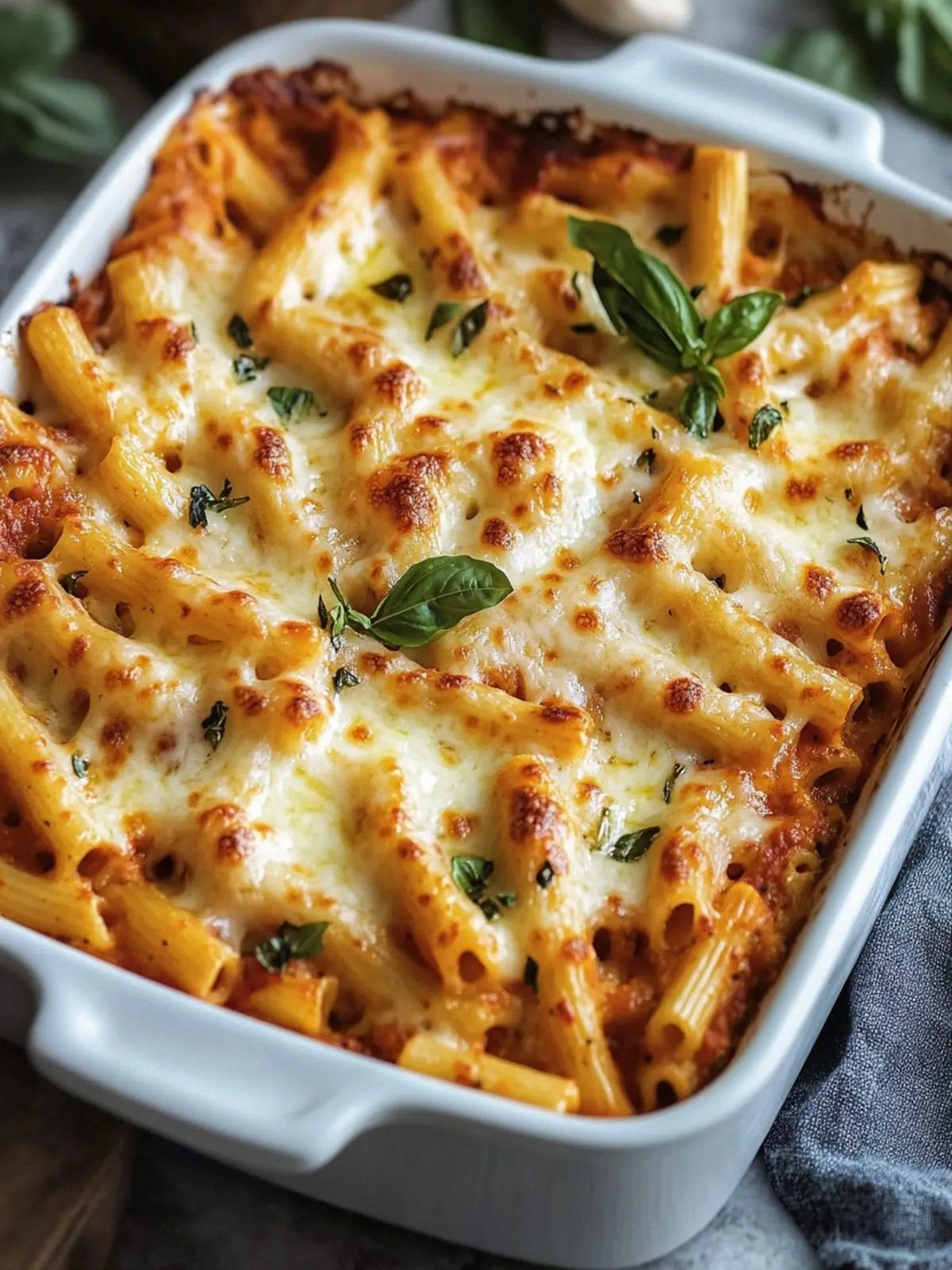
- Texture: The sauce is thick enough to coat each strand of ziti without becoming gummy, thanks to the heavy cream and ricotta. The mozzarella layer forms a golden, slightly crispy crust that provides a satisfying contrast to the soft pasta.
- Simplicity: All steps can be completed in under an hour, with minimal cleanup. The recipe uses pantry staples and a few fresh ingredients that you likely already have on hand.
- Uniqueness: The combination of Italian sausage and ground beef, along with the creamy ricotta and basil, gives this baked ziti a distinct flavor that sets it apart from the usual tomato‑based versions.
- Crowd Reaction: Guests rave about the layers of flavor and the comforting, melt‑in‑your‑mouth texture. The dish is perfect for potlucks, family gatherings, or a cozy night in.
- Ingredient Quality: Using fresh bell peppers and high‑quality cheeses makes a noticeable difference in the final taste, turning a standard recipe into a gourmet experience.
Inside the Ingredient List
The Flavor Base
The foundation of any great sauce is the aromatics you cook first. I start by sautéing finely diced yellow onion and minced garlic until they’re translucent and fragrant. This releases natural sugars that caramelize, giving the sauce a subtle sweetness that balances the acidity of the tomatoes. If you skip this step, the sauce will feel flat and underdeveloped. I always keep a small splash of olive oil on hand; it’s the secret to a silky, well‑cooled base that doesn’t stick to the pan.
Next comes the meat. I use a 1:1 ratio of ground beef to ground Italian sausage to achieve a balanced flavor profile. The sausage’s fennel and peppery notes cut through the richness of the beef, while the beef provides a hearty, meaty backbone. Cook the meats until they’re fully browned and crumbly, then drain off any excess fat to keep the sauce from becoming greasy. The key is to let the meats develop a deep brown color; this caramelization adds depth to the final dish.
Once the meats are cooked, I pour in the crushed tomatoes and pasta sauce, stirring to combine everything into a cohesive, thick sauce. The tomatoes bring acidity and brightness, while the pasta sauce adds thickness and a pre‑seasoned base that reduces the need for additional salt. I let the sauce simmer for at least 15 minutes, allowing the flavors to meld together. At this point, you’ll notice the sauce has a velvety texture that’s ready to coat the pasta.
The Texture Crew
The pasta is the canvas for the sauce, and I choose ziti for its tubular shape that holds sauce beautifully. I cook the ziti al dente, so it has a slight bite that contrasts with the creamy layers. If you prefer a softer pasta, you can cook it a minute or two longer, but be careful not to overcook it, or it will mush in the oven. After draining, I toss the pasta with a bit of olive oil to prevent sticking and to give it a subtle shine.
Ricotta cheese is added in generous spoonfuls to create pockets of creamy richness throughout the dish. The ricotta’s mild flavor balances the robust meat sauce, and its lightness prevents the dish from becoming too heavy. I spread the ricotta in small dollops between the layers of pasta and sauce, ensuring every bite has that luxurious texture. If you’re vegan or dairy‑free, you can substitute a plant‑based ricotta for a similar effect.
The final layer of mozzarella is crucial for that gooey, melty finish. I shred the mozzarella and sprinkle it liberally over the top, then add a final sprinkle of Parmesan for a slightly sharper finish. The mozzarella melts into a golden crust that crisps slightly in the oven, giving the dish a satisfying crunch. A few extra basil leaves on top add a fresh, herbal aroma that completes the sensory experience.
The Unexpected Star
Heavy cream is the unsung hero that ties everything together. It thickens the sauce, adds a velvety mouthfeel, and balances the acidity of the tomatoes. I add the cream after the meats have browned and the tomatoes have simmered, then stir until it’s fully incorporated. If you’re watching calories, a splash of half‑and‑half will still work, but the flavor profile will shift slightly. This step is essential for that luxurious, indulgent texture that makes the dish unforgettable.
Italian seasoning, a blend of oregano, basil, thyme, and rosemary, adds a layer of herbal complexity that elevates the sauce. I sprinkle it in with the tomatoes, letting it infuse for a few minutes before adding the cream. This step is often overlooked in other recipes, but it’s what gives the sauce a subtle, aromatic depth that makes it feel like a gourmet dish.
Finally, I add a pinch of sugar to cut the acidity of the tomatoes and bring the flavors into harmony. The sugar is subtle; it doesn’t taste sweet but instead rounds out the sauce. If you prefer a more tangy finish, reduce the sugar slightly, but be careful not to leave the sauce too sharp.
The Final Flourish
The basil is the last ingredient that adds freshness and color. I fold in fresh basil leaves after the sauce has simmered, then let them wilt slightly before baking. Basil’s bright, peppery notes contrast the rich, savory layers, giving the dish a bright, aromatic finish. If you can’t find fresh basil, dried basil works, but fresh is always better for this recipe.
When all components are prepared, you’re ready for the baking process. The layering technique is crucial: start with a thin layer of sauce, then a layer of pasta, followed by ricotta dollops, and repeat. Finish with a generous amount of mozzarella and a sprinkle of Parmesan. The result is a beautifully layered dish that’s as visually appealing as it is delicious.
Everything’s prepped? Good. Let’s get into the real action.
The Method — Step by Step
- Heat a large skillet over medium heat and add a splash of olive oil. Sauté the diced onion and minced garlic until they’re translucent and fragrant, about 3 minutes. This step releases natural sugars that caramelize and deepen the sauce’s flavor. Keep the heat moderate to avoid burning the garlic.
- Add the ground beef and ground Italian sausage to the skillet. Break up the meat with a wooden spoon, cooking until it’s browned and crumbly. Drain any excess fat to keep the sauce from becoming greasy. The key is to let the meats develop a deep brown color for maximum flavor.
- Stir in the crushed tomatoes, pasta sauce, and Italian seasoning. Bring the mixture to a gentle simmer, then reduce the heat and let it cook for 15 minutes, allowing the flavors to meld. The sauce should thicken slightly and develop a velvety texture. Stir occasionally to prevent sticking.
- While the sauce simmers, cook the ziti in a large pot of salted boiling water until al dente, about 8-9 minutes. Drain the pasta and toss it with a little olive oil to prevent sticking. The pasta should still have a slight bite, which balances the creamy layers.
- Add the heavy cream to the sauce, stirring until fully incorporated. Let the sauce simmer for an additional 5 minutes, allowing the cream to thicken and coat the meat. The sauce should have a silky consistency that clings to the pasta.
- Preheat the oven to 375°F (190°C). In a large baking dish, spread a thin layer of sauce on the bottom. Add a layer of cooked ziti, then dollop ricotta cheese in small circles. Repeat the layering process until all pasta and sauce are used, finishing with a layer of sauce on top.
- Sprinkle shredded mozzarella and grated Parmesan over the final sauce layer. The cheeses will melt into a golden, slightly crisp crust. If you like a darker crust, bake for an additional 5 minutes.
- Cover the baking dish with aluminum foil and bake for 25 minutes. The foil traps steam, ensuring the pasta stays moist. After 25 minutes, remove the foil and bake for another 10-15 minutes until the cheese is bubbly and golden.
- Let the baked ziti rest for 5 minutes before serving. This rest period allows the flavors to settle and the cheese to set, preventing it from sliding off the plate. The dish should have a firm yet tender structure.
- Garnish with fresh basil leaves and a drizzle of olive oil before serving. The basil adds a fresh, herbal aroma that lifts the dish. Serve hot, and watch as the cheese pulls away in a glorious, golden ribbon.
That's it — you did it. But hold on, I've got a few more tricks that'll take this to another level. These insider tips will help you avoid common pitfalls and elevate the flavor profile even further.
Insider Tricks for Flawless Results
The Temperature Rule Nobody Follows
Many cooks bake at a high temperature, but a lower oven temperature yields a more even bake. I recommend 375°F (190°C) for this dish, which allows the cheese to melt beautifully without burning the edges. If you’re using a convection oven, reduce the temperature by 25°F to avoid over‑browning.
Why Your Nose Knows Best
Before you cover the dish with foil, take a quick sniff. A strong, tomatoy aroma indicates that the sauce has cooked long enough to develop depth. If the scent is faint, let it simmer a few minutes longer. Trust your nose; it’s the best judge of flavor.
The 5-Minute Rest That Changes Everything
After removing the baked ziti from the oven, let it sit for exactly 5 minutes. This pause allows the cheese to set, preventing it from sliding off the plate. It also gives the pasta a chance to absorb any remaining sauce, resulting in a more cohesive bite.
Use a Baking Dish with a Liner
To simplify cleanup, line your baking dish with parchment paper. This keeps the cheese from sticking and makes it easier to transfer the dish to the table. Just be sure to leave a little space between the parchment and the dish’s sides.
Swap Out the Ziti for Penne
If you’re in a hurry, use penne instead of ziti. The tube shape still holds sauce well, but penne cooks slightly faster. This swap is perfect for a weekday dinner when you’re short on time.
Finish with a Drizzle of Olive Oil
Just before serving, drizzle a small amount of high‑quality extra‑virgin olive oil over the top. The oil adds a glossy sheen and a subtle fruity note that elevates the dish to restaurant quality.
Creative Twists and Variations
This recipe is a playground. Here are some of my favorite ways to switch things up:
Greek Twist
Swap the Italian sausage for ground lamb and add chopped spinach, feta cheese, and a squeeze of lemon. The lamb’s gamey flavor pairs beautifully with the feta’s tang, while the spinach adds a fresh, green note. This version works well for a Mediterranean dinner.
Spicy Mexican Edition
Replace the ground beef with ground pork and add a diced jalapeño, cumin, and a splash of chipotle sauce. Top with shredded cheddar and a dollop of sour cream. The heat and smoky undertones bring a fiesta vibe to the dish.
Vegetarian Delight
Omit the meats entirely and use a medley of sautéed mushrooms, zucchini, and eggplant. Add a can of chickpeas for protein and a splash of balsamic vinegar. The result is a hearty, plant‑based casserole that still satisfies the comfort‑food craving.
Cheese Lover’s Dream
Increase the mozzarella to 3 cups and add a handful of shredded provolone. Sprinkle extra Parmesan on top before baking for a decadent, gooey finish. This version is perfect for a special occasion or when you’re feeding a crowd of cheese enthusiasts.
Low‑Carb Version
Replace the ziti with spiralized zucchini or a low‑carb pasta alternative. Use a small amount of almond flour to thicken the sauce if needed. This keeps the dish keto‑friendly while still delivering that comforting flavor.
Herb Garden Edition
Add fresh oregano, thyme, and rosemary to the sauce. Finish with chopped parsley and a squeeze of fresh lemon juice. The herbal bouquet brings brightness and complexity, making the dish feel lighter and more aromatic.
Storing and Bringing It Back to Life
Fridge Storage
Cool the baked ziti completely before placing it in an airtight container. Store in the refrigerator for up to 3 days. The layers remain intact, and the flavors deepen as it chills.
Freezer Friendly
Wrap the dish tightly in plastic wrap, then place it in a freezer bag. Freeze for up to 2 months. When reheating, thaw overnight in the fridge to maintain moisture.
Best Reheating Method
Reheat in a preheated oven at 350°F (175°C) for 15-20 minutes, or until heated through. Add a splash of water or milk to the top before covering with foil; this steams the dish back to silky perfection. Finish with a fresh basil garnish for an extra pop of color.
Now that you’ve mastered the basics, let’s dive into the recipe card where you can adjust servings and find all the details you need.