I was in the middle of a dinner party, the guests were waiting, and I realized I had run out of the usual side dish. The pantry was a mess, but a handful of orange, purple, and yellow carrots lay like a rainbow waiting to be transformed. I pulled out olive oil, fresh herbs, and a drizzle of honey, and decided to turn this accidental pantry find into something spectacular. The moment the carrots hit the hot oven, the kitchen filled with a scent that was part caramelized sugar, part rosemary, and a hint of lemon zest—like a sunrise in a bowl. If you think you’ve tried roasted carrots before, I dare you to taste this and not go back for seconds.
Picture yourself pulling this out of the oven, the whole kitchen smelling incredible, the colors popping off the plate like a freshly painted canvas. The first bite is a burst of sweet, earthy carrot that melts into a silky, herb‑laden sauce that coats the skin like velvet. The edges are crisp, the interior tender, and every bite is a dance between sweet and savory that will have your guests asking for seconds. Most recipes get this completely wrong—too much oil, too little seasoning, or the carrots are either mushy or burnt. The secret? A simple technique that locks in flavor while creating a caramelized finish that feels indulgent yet effortless. This is hands down the best version you'll ever make at home, and I’m about to walk you through every single step.
The first time I experimented with tri‑colored carrots, I was terrified that the different colors would roast unevenly. I learned that the trick is to cut them into uniform sizes and toss them in a single bowl with oil and herbs so they all share the same heat exposure. The second time, I added a touch of honey to the mix, and the caramelization was immediate, giving the carrots a glossy finish that looked almost like a dessert. The third time, I sprinkled a dash of balsamic vinegar right before baking, which deepened the flavor profile and added a subtle acidity that balanced the sweetness. Each iteration brought me closer to a dish that feels both comforting and elegant, and that’s what you’ll get when you follow my method. Stay with me here—this is worth it.
If you've ever struggled with roasted vegetables, you're not alone. I’ve been there, watching the carrots brown unevenly while my side dish turns into a sad, soggy mess. But with the right technique and a few key ingredients, you can transform a simple vegetable into a showstopper that pairs perfectly with any main course. The key is to keep the carrots crisp on the outside while ensuring the inside stays tender, and that’s exactly what this recipe delivers. The result is a dish that’s colorful, flavorful, and surprisingly easy to master. Now, let’s dive into what makes this version stand out from every other recipe out there.
What Makes This Version Stand Out
- Flavor: The combination of rosemary, thyme, and parsley creates a layered herb profile that elevates the natural sweetness of the carrots. The honey and lemon zest add a subtle caramel and citrus twist that keeps the dish from feeling one‑dimensional.
- Texture: The technique of tossing the carrots in a single bowl ensures even roasting, giving each carrot a crisp edge and a silky interior. The caramelized glaze on the outside adds a satisfying crunch that contrasts with the tender flesh.
- Color: Using orange, purple, and yellow carrots not only makes the dish visually stunning but also introduces a spectrum of antioxidants and flavors that each carrot brings.
- Ease: This recipe requires no advanced skills—just a few simple steps and a standard oven. Even novice cooks can achieve restaurant‑quality results with minimal effort.
- Versatility: The dish works as a side, a topping for salads, or a base for grain bowls. Its flavor profile complements a wide range of proteins, from grilled chicken to tofu.
- Make‑ahead Friendly: Once roasted, the carrots can be stored in the fridge for up to 5 days, making this an ideal prep‑for‑later meal.
- Healthful: Packed with beta‑carotene, fiber, and vitamins, these carrots provide a nutrient boost while keeping the dish low in calories.
- Social Impact: The bright colors and delicious taste make it a crowd‑pleaser at parties, encouraging guests to eat more vegetables.
Alright, let's break down exactly what goes into this masterpiece. The next section will guide you through each ingredient group, explaining why each one matters and what happens if you skip it. Every detail matters, from the choice of carrots to the type of oil you use.
Inside the Ingredient List
The Flavor Base
The foundation of this dish is the olive oil, which not only prevents the carrots from sticking but also carries the herbs and honey throughout the roasting process. Olive oil’s mild flavor lets the natural sweetness of the carrots shine while adding a subtle fruity note. If you skip the oil, the carrots will dry out and fail to develop that glossy, caramelized finish. For a richer flavor, you can substitute half the olive oil with melted butter, but be sure to keep the total fat content in check.
The Texture Crew
Uniformly cut carrots are essential for consistent roasting. Cutting the orange, purple, and yellow carrots into 1/4‑inch thick slices ensures they cook at the same rate, preventing some from becoming mushy while others remain raw. A small trick is to toss the sliced carrots in a bowl of cold water for 10 minutes before draining; this removes excess starch and helps them crisp up more evenly. If you forget this step, you’ll end up with a slightly soggy exterior.
The Unexpected Star
Honey or maple syrup may seem like a dessert ingredient, but it’s the secret to that perfect caramelized glaze. The natural sugars in honey react with the heat to form a glossy coating that locks in moisture while creating a sweet counterpoint to the herbs. If you’re vegan, maple syrup is a great alternative that offers a similar sweetness without the animal product. Skipping this step will result in a less complex flavor profile and a drier finish.
The Final Flourish
A splash of balsamic vinegar right before roasting adds a touch of acidity that balances the sweetness and deepens the overall flavor. The vinegar’s slight tang cuts through the richness of the honey and oil, preventing the dish from feeling cloying. The lemon zest gives a bright, citrusy aroma that lifts the dish and keeps the carrots from tasting too sweet. If you’re allergic to citrus, you can omit the zest and still enjoy a wonderful roast, though the final flavor will be slightly muted.
Everything's prepped? Good. Let's get into the real action. The method will guide you through each step, ensuring that the carrots come out perfectly roasted every time.
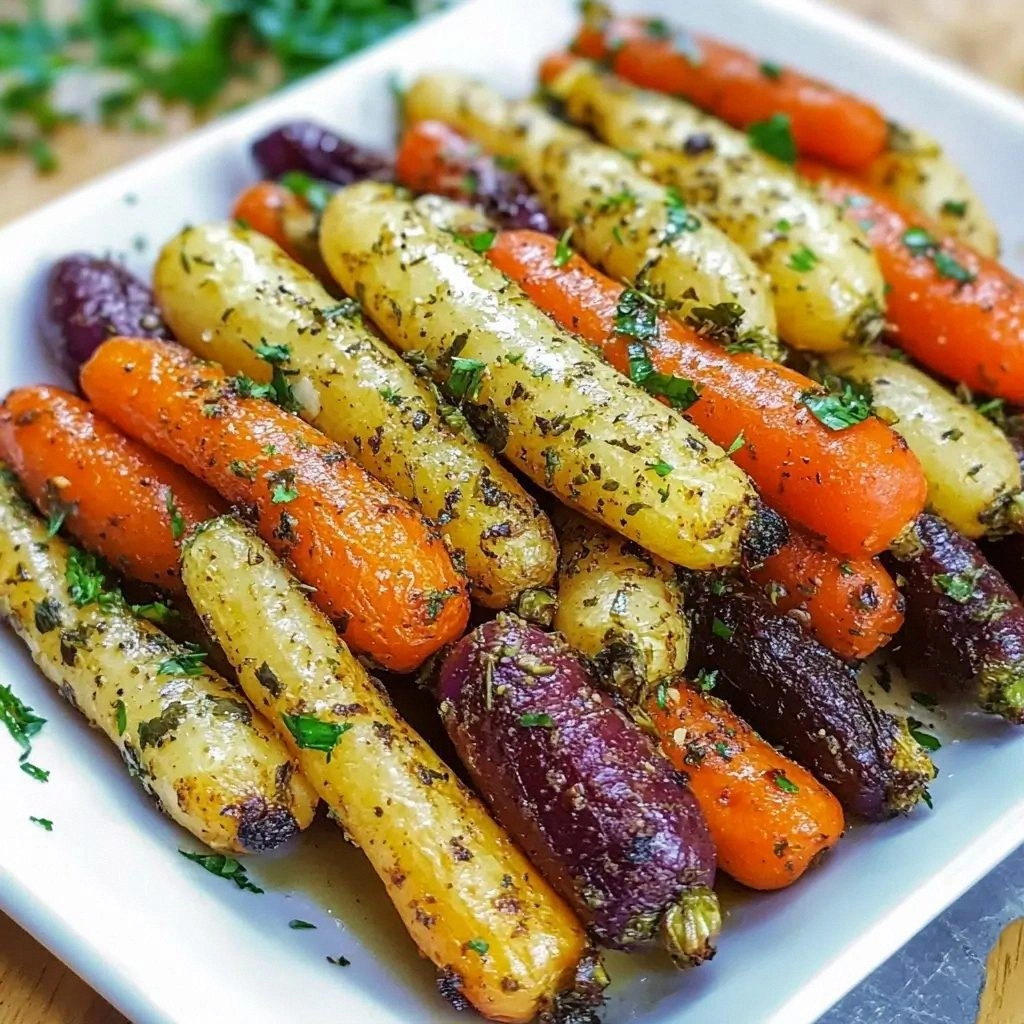
The Method — Step by Step
- Preheat your oven to 425°F (220°C) and line a large baking sheet with parchment paper. This high heat is crucial for caramelizing the natural sugars in the carrots. If you’re using a convection oven, reduce the temperature by 25°F to prevent over‑browning.
- While the oven warms, trim the ends of the carrots and slice them into 1/4‑inch thick rounds. Uniform size ensures even cooking. Place the sliced carrots in a large bowl and give them a quick rinse to remove any dirt.
- Add 2 tablespoons of olive oil, 1 tablespoon of honey, and a splash of balsamic vinegar to the bowl. Toss until every carrot slice is evenly coated. The oil will help the herbs stick, while the honey and vinegar create that glossy finish.
- Season the carrots with 1 teaspoon of sea salt, ½ teaspoon of freshly ground black pepper, and the herbs—1 tablespoon each of chopped rosemary, thyme, and parsley. Stir until the herbs are distributed throughout the mix. The herbs will infuse the carrots with aromatic depth.
- Spread the seasoned carrots in a single layer on the prepared baking sheet. Avoid overcrowding; if the sheet is too full, the carrots will steam instead of roast.
- Roast in the preheated oven for 20 minutes, then flip the carrots with a spatula. This step ensures both sides develop a golden crust. Keep an eye on them—if they start to blacken, lower the temperature slightly.
- After flipping, roast for another 10–12 minutes, or until the carrots are tender and the edges are crisp. The carrots should emit a toasty aroma and the glaze should look slightly thickened.
- Remove the carrots from the oven and let them rest for 5 minutes. This brief rest allows the juices to redistribute, keeping the carrots moist. While they rest, you can sprinkle a few extra lemon zest pieces for a fresh burst.
- Serve immediately, garnished with fresh parsley if desired. The dish is best enjoyed hot, when the glaze is still slightly glossy.
That’s it—you did it. But hold on, I've got a few more tricks that'll take this to another level. The next section will reveal insider tips that will help you avoid common pitfalls and elevate the flavor profile even further.
Insider Tricks for Flawless Results
The Temperature Rule Nobody Follows
Many cooks set the oven to a low temperature, hoping to avoid burning, but this actually prolongs cooking time and prevents caramelization. By roasting at 425°F (220°C), you create a sear that locks in moisture and builds a sweet, crispy crust. If you’re using a gas oven, rotate the sheet halfway through to compensate for uneven heat distribution.
Why Your Nose Knows Best
The aroma of caramelizing sugar is a reliable indicator that the carrots are nearing perfection. When you smell a sweet, toasty scent, the glaze is forming, and the carrots are ready to flip. Trust your nose; it’s the most accurate way to gauge doneness.
The 5-Minute Rest That Changes Everything
Letting the carrots rest after roasting is a game‑changer. The brief pause allows the juices to redistribute, ensuring each bite stays moist. Skipping this step will leave you with unevenly cooked carrots that feel dry in the center.
Mixing Herbs for Depth
Rather than using just one herb, combine rosemary, thyme, and parsley for a layered flavor. Each herb brings a different profile—rosemary’s piney note, thyme’s subtle earthiness, and parsley’s bright freshness—creating a complex, well‑balanced taste.
Adding a Touch of Acid
A splash of balsamic vinegar or a squeeze of lemon juice right before serving brightens the dish and cuts through the sweetness. This acidity balances the caramelized sugars and prevents the dish from feeling too heavy.
Creative Twists and Variations
This recipe is a playground. Here are some of my favorite ways to switch things up:
Spicy Sriracha Glaze
Swap the honey for a tablespoon of sriracha and add a pinch of cayenne pepper. The spicy kick complements the sweet carrots, making this a perfect side for grilled meats.
Maple‑Mustard Fusion
Replace the honey with equal parts maple syrup and Dijon mustard. The tangy mustard balances the maple’s sweetness, creating a savory glaze ideal for autumn menus.
Herb‑Infused Olive Oil
Infuse the olive oil with rosemary, thyme, and a bay leaf before tossing the carrots. This adds a subtle herbaceous depth without the need for fresh herbs, making it a great option for busy weeknights.
Roasted with Garlic Bread Crumbs
Sprinkle toasted garlic bread crumbs over the carrots in the last 5 minutes of roasting. The crunchy crumbs add texture and a buttery flavor that pairs wonderfully with the caramelized glaze.
Vegan Butter Finish
Finish the carrots with a tablespoon of vegan butter melted with a splash of lemon juice. This gives a rich, silky finish that mimics the buttery depth of traditional recipes.
Glazed with Orange Marmalade
Use a tablespoon of orange marmalade instead of honey for a citrusy, slightly tart glaze that enhances the natural orange tones of the carrots.
Storing and Bringing It Back to Life
Fridge Storage
Store the roasted carrots in an airtight container in the refrigerator for up to 5 days. The glaze may thicken slightly, but the carrots will stay moist and flavorful. Keep the container away from strong odors.
Freezer Friendly
To freeze, place the carrots on a parchment‑lined tray and freeze until solid. Then transfer to a freezer bag. They can be kept for up to 3 months. Thaw overnight in the fridge before reheating.
Best Reheating Method
Reheat the carrots in a skillet over medium heat, adding a splash of water or broth to keep them moist. The steam will restore the glaze’s glossy sheen. Alternatively, pop them in a 350°F (175°C) oven for 10 minutes. A tiny splash of water before reheating steams the carrots back to perfection.