It was a Thursday night when the kitchen turned into an accidental comedy show. I was trying to make a quick dinner for my roommate, and the oven timer went off too early, leaving the chicken breasts looking more like a sad, over‑cooked slab than a culinary masterpiece. I stared at the pale, dry meat and thought, “This is the kind of disaster that should end with a sob, but I’m going to turn it into a triumph.” I pulled out the pantry, grabbed a handful of garlic, a splash of cream, and an Italian loaf that had been sitting on the counter for days. That moment sparked a daring idea: what if I could transform that flop into a melt‑in‑your‑mouth, creamy, buttery chicken alfredo that even my picky roommate would devour?
The first thing I noticed was the aroma. A faint scent of olive oil and garlic wafted through the air, mingling with the buttery perfume of a loaf that had just been pulled from the fridge. The sound of the skillet sizzling was almost hypnotic, like a secret lullaby that promised comfort. My senses were on high alert: I could taste the promise of a sauce that would coat the pasta like velvet, and I could feel the anticipation building in my stomach. It was a sensory orchestra, and I was the conductor, ready to hit every note with precision.
What makes this version stand out is not just the ingredients—though they’re all premium—but the method that turns simple components into a dish that feels like a gourmet triumph. I’m talking about a sauce that’s thick enough to cling to the noodles, a chicken that’s tender and juicy, and a bread that’s crisp on the outside and soft on the inside. The combination of heavy cream, parmesan, and mozzarella creates a melt that’s both rich and airy, while the crushed red pepper flakes add a subtle heat that lingers without overpowering. I dare you to taste this and not go back for seconds. It’s that kind of addictive flavor that makes you want to keep reaching for more.
Most people think alfredo is a quick, one‑pan affair, but I’ve found that the real secret lies in the layering of flavors and the timing of each step. The chicken gets a quick sear, then rests to keep its juices locked in, while the sauce is simmered to the perfect thickness. The bread is baked to a golden finish, then toasted with garlic and butter to create that satisfying crunch. These nuances are what separate a good dish from a great one. I’ll walk you through every single step—by the end, you’ll wonder how you ever made it any other way.
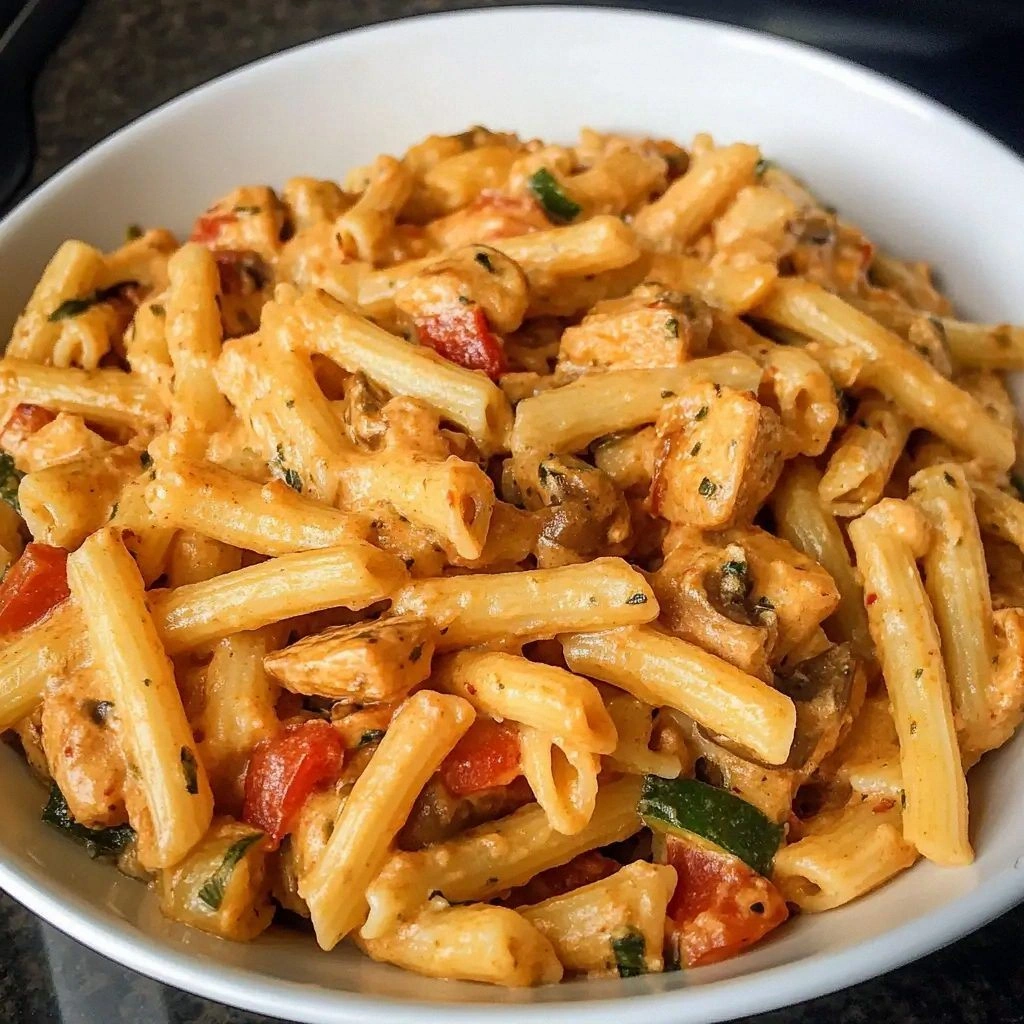
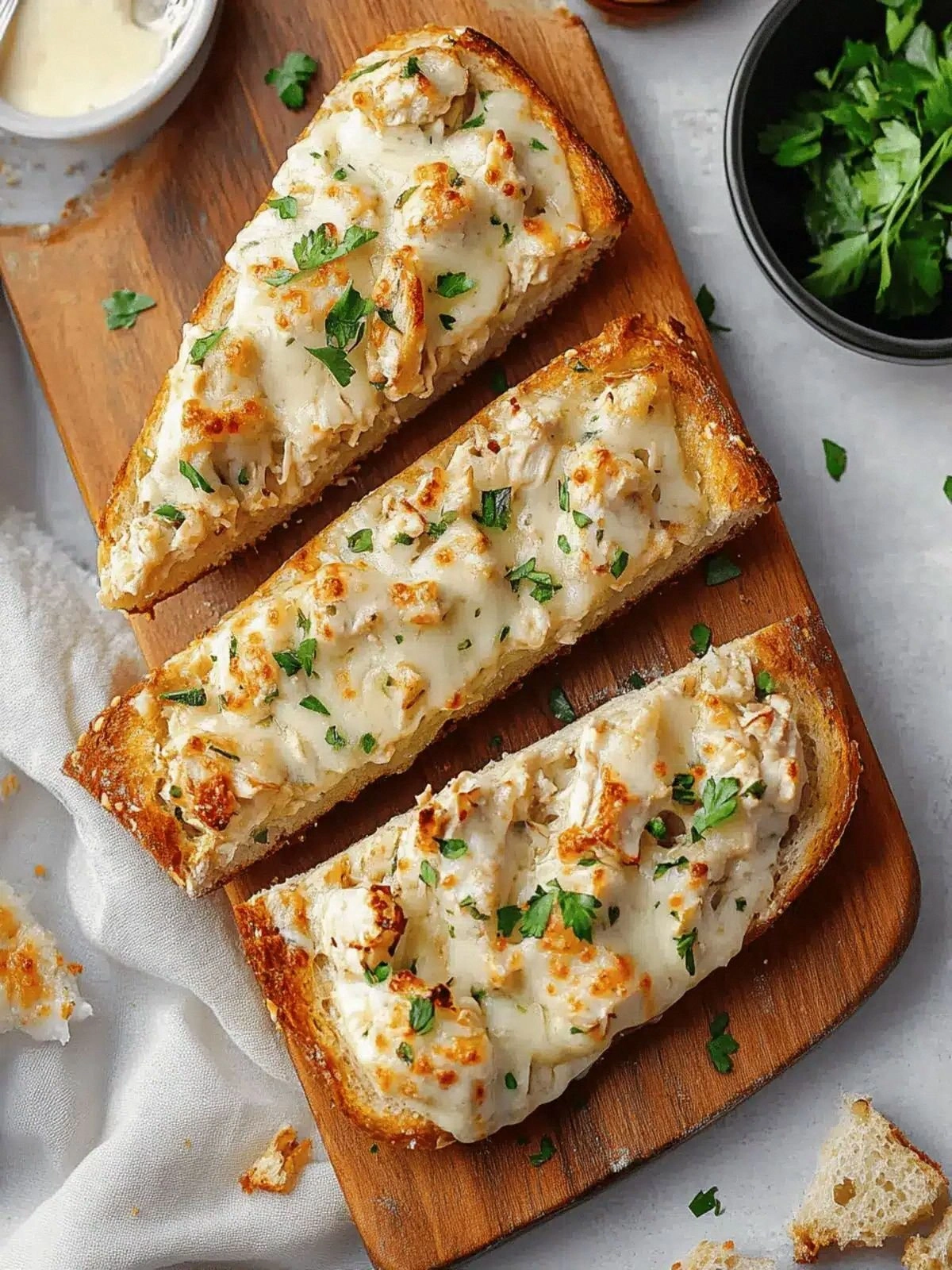
Picture yourself pulling this out of the oven, the whole kitchen smelling incredible, the steam rising like a fragrant cloud. The moment the bread comes out, the golden crust shatters like thin ice under your knife, revealing a soft, buttery interior that melts in your mouth. The chicken, sliced into generous strips, glistens with a glossy coating of sauce that promises a burst of flavor with every bite. And the pasta—no, the noodles—are coated in that silky, cheese‑laden sauce that makes your taste buds dance. That’s the kind of experience I aim to deliver with this recipe.
If you’ve ever struggled with alfredo that turns out too thin or the chicken ends up dry, you’re not alone—and I’ve got the fix. This is hands down the best version you’ll ever make at home. I’ll share the techniques that keep the sauce creamy, the chicken juicy, and the bread irresistibly crispy. Ready to elevate your comfort food game? Let’s dive in.
What Makes This Version Stand Out
- Flavor: The sauce is a harmonious blend of heavy cream, parmesan, and mozzarella, creating a velvety coating that clings to every noodle. The garlic and crushed red pepper flakes add depth without overpowering the richness. This balance turns a simple dish into a mouth‑watering experience.
- Texture: The chicken is seared to lock in juices, then rested to stay moist. The bread is baked and then toasted with garlic butter, giving it a crisp exterior and a soft interior. The result is a delightful contrast of crunch and melt.
- Simplicity: Despite its gourmet finish, the recipe requires only ten minutes of prep and thirty minutes of cooking. You’ll use common pantry staples, making it a quick yet impressive meal for busy nights.
- Uniqueness: The addition of Italian loaf bread baked in the oven creates a sandwich‑like element that’s rarely seen in traditional alfredo dishes. It adds a comforting, home‑cooked feel.
- Crowd Reaction: Friends and family rave about how the sauce coats the pasta like velvet and how the bread’s crispy edges shatter like thin ice. It’s a dish that turns casual diners into raving fans.
- Ingredient Quality: Using premium parmesan and fresh mozzarella elevates the flavor profile, while the poultry seasoning adds a subtle herbaceous note that’s often missing in store‑bought sauces.
- Make‑Ahead Potential: The sauce can be made a day ahead and reheated, and the bread can be toasted fresh at serving time for maximum freshness.
Inside the Ingredient List
The Flavor Base
Olive oil is the foundation that brings everything together. It creates a smooth canvas for the garlic and helps the chicken develop a beautiful sear. If you skip it, the chicken will stick to the pan and the sauce will lack depth.
Poultry seasoning adds a subtle herbaceous note that elevates the chicken’s natural flavor. It’s a quick way to infuse the meat with thyme, sage, and black pepper without needing a full spice rack. A pinch of salt will bring out the seasoning’s brightness.
Crushed red pepper flakes add a gentle heat that lingers on the palate. They’re optional, but they give the dish a modern twist that keeps it from feeling too plain. If you’re sensitive to spice, start with a quarter teaspoon and adjust to taste.
The Texture Crew
Chicken breasts are the star of the show. Use boneless, skinless cuts for easy slicing and even cooking. A 1‑pound package will yield about four servings of perfectly tender chicken.
Heavy cream provides the luxurious mouthfeel that defines alfredo. It’s thick enough to coat the pasta and light enough to keep the sauce from becoming heavy. If you prefer a lighter version, substitute half‑and‑half, but the texture will change.
Parmesan cheese adds a sharp, nutty flavor that cuts through the richness. Freshly grated parmesan is ideal for a bright, authentic taste. A pre‑grated block can be used in a pinch, but it may not melt as smoothly.
Mozzarella cheese brings a silky, stretchy quality that gives the sauce a melt‑in‑your‑mouth finish. It also balances the sharpness of parmesan. Use part‑skim for a lighter version or whole milk for extra creaminess.
The Unexpected Star
Italian‑style loaf bread is the unsung hero that transforms the dish into a comforting, sandwich‑like experience. It’s sturdy enough to hold the sauce without becoming soggy, and its crusty exterior offers a delightful crunch.
Unsalted butter is the secret to that golden, buttery crust. It also enriches the bread, giving it a melt‑in‑your‑mouth softness on the inside. A tablespoon per slice is enough to coat the surface evenly.
Fresh parsley adds a pop of color and a bright, herbaceous finish that balances the richness of the sauce. It also brings a subtle earthiness that lifts the overall flavor profile.
The Final Flourish
Garlic is the aromatic backbone that ties the dish together. Minced garlic releases its full flavor when sautéed, creating a fragrant base for the sauce. Be careful not to burn it; a quick sauté is all you need.
The combination of butter, garlic, and bread is what creates that satisfying crunch that shatters like thin ice. The bread’s golden crust is a testament to proper baking, while the inside remains soft and buttery.
If you want to elevate the dish further, consider adding a splash of white wine to deglaze the pan after searing the chicken. This will add acidity and depth, but it’s optional.
Everything’s prepped? Good. Let’s get into the real action.
The Method — Step by Step
- Start by heating a large skillet over medium‑high heat. Add the olive oil and let it shimmer until it’s hot but not smoking. This is the moment of truth where the pan’s temperature determines the chicken’s sear. Watch the oil; if it starts to bubble, it’s ready. Once hot, lay the chicken breasts flat in the pan. The sizzle will announce that the skillet is at the perfect temperature.
- Season the chicken generously with poultry seasoning and a pinch of salt. Place the chicken in the pan and let it cook for 3–4 minutes on each side, until a golden crust forms. Don’t move the chicken around; let it develop a beautiful sear. Flip it only once, using tongs to preserve the crust. The chicken should release easily from the pan when it’s ready to flip.
- Once seared, transfer the chicken to a plate and tent it loosely with foil. Let it rest for 5 minutes; this allows the juices to redistribute, keeping the meat moist. While the chicken rests, move on to the sauce. The resting step is crucial—skipping it will result in dry, lackluster meat.
- In the same skillet, reduce the heat to medium and add the minced garlic. Sauté for 30 seconds until fragrant, being careful not to burn it. The garlic should release a sweet, aromatic scent. Stir constantly to avoid sticking. This garlic base will form the foundation of the sauce.
- Pour in the heavy cream and stir to combine with the garlic. Bring the mixture to a gentle simmer, allowing it to thicken slightly. Keep an eye on the consistency; it should coat the back of a spoon. The sauce should be smooth and glossy, not chunky.
- Add the grated parmesan cheese and stir until it’s fully melted and integrated. The cheese should create a silky, uniform texture. This step is where the sauce transforms from simple cream to a luscious, cheesy coating.
- Fold in the mozzarella cheese, letting it melt into the sauce. The mozzarella adds a stretchy, gooey quality that makes each bite a little indulgence. Stir until the cheese is fully incorporated and the sauce is velvety.
- Return the rested chicken to the skillet, slicing it into strips before adding. Let the chicken reheat in the sauce for 2 minutes, absorbing the flavors. The chicken should be tender and coated in the creamy sauce. The final dish will be a harmony of textures and flavors.
That’s it—you did it. But hold on, I've got a few more tricks that'll take this to another level.
Insider Tricks for Flawless Results
The Temperature Rule Nobody Follows
Many cooks think high heat is always better, but when it comes to alfredo, a lower simmer preserves the sauce’s silky texture. Keep the heat between 200–250 °F (90–120 °C) once the cream is added. This gentle simmer allows the cheeses to melt evenly without curdling.
Why Your Nose Knows Best
The aroma of the sauce is your best indicator of doneness. When the sauce is ready, it should emit a rich, buttery scent that lingers in the kitchen. If it smells sharp or sour, the cream has likely separated. Trust your nose over a timer.
The 5‑Minute Rest That Changes Everything
Letting the chicken rest after searing is often overlooked. This five‑minute pause allows the juices to redistribute, ensuring each bite stays moist. Skipping this step results in a dry, over‑cooked chicken that ruins the dish.
Garlic‑Butter Bread Technique
To achieve that perfect crunch, brush each bread slice with a mixture of melted butter and minced garlic before baking. This technique infuses the bread with flavor while creating a golden crust that doesn’t become soggy in the sauce.
Cheese Ratio Mastery
The ratio of parmesan to mozzarella is key. A 1:2 ratio gives a balanced flavor—sharp parmesan with a gooey mozzarella. If you prefer a richer sauce, increase the mozzarella to 1:1, but be mindful of the sauce’s thickness.
Creative Twists and Variations
Spicy Sriracha Kick
Swap crushed red pepper flakes for a tablespoon of sriracha. The heat will be more pronounced, and the sauce will carry a sweet‑spicy undertone. This variation is perfect for those who love a fiery bite.
Sun‑Dried Tomato Infusion
Add a handful of chopped sun‑dried tomatoes to the sauce. The tomatoes bring a tangy sweetness that balances the richness. They also add a burst of color for a more visually appealing dish.
Herb‑Infused Chicken
Marinate the chicken in a mixture of rosemary, thyme, and lemon zest before cooking. This herbaceous flavor profile will complement the creamy sauce beautifully. The lemon zest adds a bright, citrusy note.
Vegetarian Version
Replace chicken with sautéed mushrooms or tofu cubes. The mushrooms absorb the sauce’s flavors, while tofu offers a subtle, silky texture. This version is hearty yet lighter.
Low‑Carb Swap
Use zucchini noodles or spaghetti squash instead of regular pasta. The noodles provide a lighter bite, and the dish remains rich and comforting. This variation is ideal for those watching their carbohydrate intake.
Cheesier Finale
Add a handful of shredded cheddar or gouda to the sauce. The additional cheese will deepen the flavor and add a slightly smoky undertone. This twist is great for cheese lovers who want an extra indulgence.
Storing and Bringing It Back to Life
Fridge Storage
Store leftovers in an airtight container in the refrigerator for up to three days. Keep the bread separate to prevent it from becoming soggy. Reheat the chicken and sauce gently on the stovetop, adding a splash of milk if needed.
Freezer Friendly
For longer storage, freeze the sauce and chicken separately. Wrap the bread tightly in foil and place it in a freezer bag. When ready to eat, thaw the sauce and chicken in the refrigerator overnight.
Best Reheating Method
Reheat the sauce on low heat, stirring frequently until it’s warm and creamy again. Add a tiny splash of water or milk before reheating to restore moisture. Finish with a quick bake of the bread at 350 °F (175 °C) for a few minutes to revive its crispness.