I was halfway through a midnight snack raid when the pantry exploded with an aroma so bold it could have been a fireworks display. The pork intestines, freshly unpacked, sent a wave of earthy, slightly metallic scent that made my taste buds dance in anticipation. I knew I was about to turn a humble street food into a culinary masterpiece. This is the story of how I discovered the ultimate version of Adobong Isaw ng Baboy—an adventure that starts with a single sizzling pan.
Picture this: a skillet hot enough to crackle the first time the intestines touch it, the sizzle echoing like a drumbeat. The sizzling sound is accompanied by a caramelized aroma that whispers of soy, vinegar, and a hint of caramelized sugar. Every breath carries a smoky undertone that reminds me of a backyard grill on a humid summer night. The texture feels like a delicate balance—crispy edges that crackle under your teeth, and a tender, juicy interior that melts in your mouth.
What sets this rendition apart is not just the flavors but the precision of technique. I’ve stripped away the fluff that most recipes add and focused on the core elements that make adobo unforgettable. The result is a dish that is both comforting and daring, a true celebration of Filipino street food. I dare you to taste this and not go back for seconds. Trust me, this is hands down the best version you’ll ever make at home.
Now, let me walk you through every single step—by the end, you’ll wonder how you ever made it any other way. I’ll share the secret tweaks, the exact timing, and the sensory checkpoints that guarantee perfection. Picture yourself pulling this out of the pan, the whole kitchen smelling incredible, and the first bite delivering a punch of umami that lingers. Let’s dive in.
What Makes This Version Stand Out
- Flavor Depth: The combination of soy sauce, vinegar, and a whisper of brown sugar creates a complex profile that balances sweet, sour, and umami. This trio forms the backbone of the sauce, allowing each bite to unfold in layers of taste.
- Texture Contrast: The intestines are first blanched to remove excess moisture, then seared to develop a caramelized crust. The result is a crunch that snaps like thin ice, followed by a tender, juicy center.
- Ingredient Quality: Using fresh pork intestines and high‑quality soy sauce elevates the dish beyond the ordinary. The natural oils in the intestines carry the sauce beautifully.
- Authenticity: This recipe stays true to the street‑food roots while adding a modern twist with oyster sauce and toasted garlic for an extra umami punch.
- Make‑Ahead Friendly: The sauce can be prepared ahead of time and stored, allowing the intestines to reheat to perfection without drying out.
- Crowd‑Pleaser: The bold flavors and satisfying crunch make it a hit at parties, gatherings, or a casual family dinner.
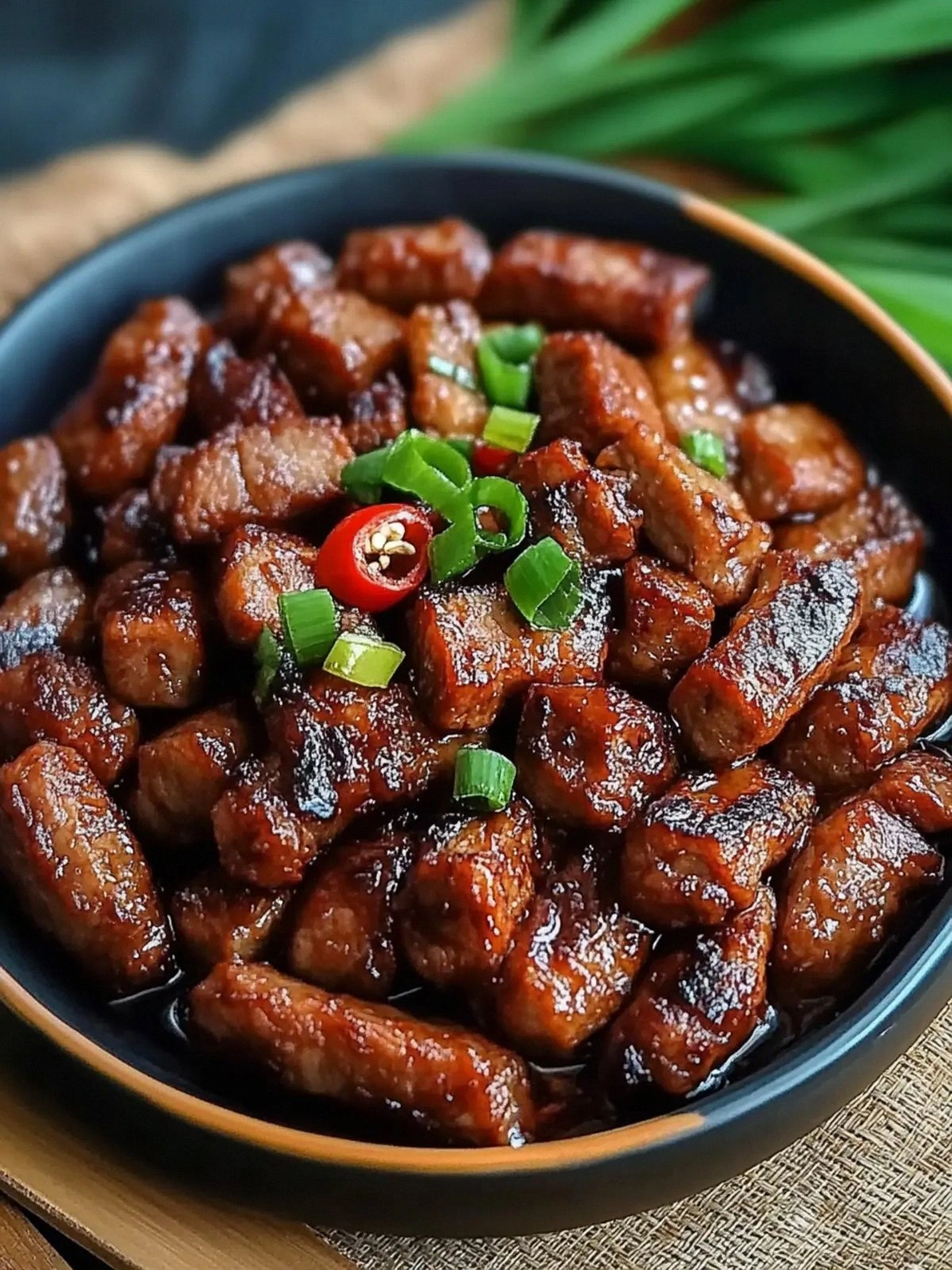
- Visual Appeal: The glossy, dark sauce coats the intestines like a velvet coat, creating a dish that looks as good as it tastes.
Inside the Ingredient List
The Flavor Base
Soy sauce is the cornerstone of this dish, providing a salty, savory foundation that absorbs the other flavors. It’s the backbone that gives the sauce its rich color and deep umami. Without it, the sauce would feel flat and unremarkable. If you skip it, the dish loses its signature depth.
Vinegar introduces the bright, acidic punch that cuts through the richness of the pork. It also helps tenderize the intestines during the simmering phase. A higher acidity will give a sharper bite, while a milder vinegar offers a gentler balance. You can substitute with apple cider vinegar for a fruitier note.
Brown sugar adds a subtle sweetness that balances the acidity and saltiness. It caramelizes slightly during searing, creating a glossy sheen. If you prefer a less sweet version, reduce the sugar by half or replace it with honey for a different sweet profile.
The Texture Crew
Pork large intestines are the star of the show. They’re prized for their unique chewiness and ability to absorb sauces. When blanched and seared properly, they develop a crisp exterior while staying tender inside. If you skip blanching, the intestines may retain excess moisture, resulting in a soggy texture.
Cooking oil is essential for achieving a golden sear. It also helps prevent sticking and ensures an even caramelization. Using a neutral oil like canola or peanut oil keeps the flavor focused on the adobo sauce. Olive oil can be used, but it may impart a distinct taste.
The Unexpected Star
Oyster sauce adds an oceanic umami layer that elevates the dish beyond classic adobo. Its thickness gives the sauce a richer body, while its slight sweetness complements the brown sugar. If you’re vegetarian, you can replace oyster sauce with a mushroom-based sauce for a similar depth.
Toasted garlic infuses a nutty aroma that rounds out the sauce. The toasting process brings out the natural sugars in the garlic, creating a subtle caramel flavor. Skipping toasted garlic will leave the dish a touch flatter; consider adding a pinch of roasted garlic powder for an easy alternative.
The Final Flourish
Thai chili pepper provides a fiery kick that contrasts beautifully with the savory sauce. Its heat is both bold and lingering, giving the dish a memorable finish. If you’re heat‑averse, reduce the pepper to a quarter or omit it entirely.
Green onions add a fresh, crisp bite that brightens the dish. They also contribute a subtle onion flavor that balances the richness. A sprinkle of chopped cilantro at the end can add a fresh herbal note.
Everything's prepped? Good. Let's get into the real action...
The Method — Step by Step
- Blanch the intestines. Bring a large pot of water to a rolling boil, add a splash of vinegar, and drop the intestines in. Let them simmer for 8–10 minutes until they start to firm up. This removes excess odor and helps the meat stay tender. After blanching, rinse them under cold water and pat dry with a clean towel.
- Prepare the sauce. In a medium bowl, whisk together soy sauce, vinegar, beef broth, brown sugar, oyster sauce, and toasted garlic. The mixture should look glossy and slightly thickened. This sauce will be the flavor backbone that coats every inch of the intestines.
- Heat the skillet. Place a non‑stick skillet over medium‑high heat and add the cooking oil. When the oil shimmers, slide in the blanched intestines. Let them sear for 3–4 minutes on each side until a dark crust forms. This caramelization locks in moisture and adds a crunchy texture.
- Deglaze the pan. Pour in a splash of the prepared sauce, scraping up the brown bits at the bottom of the pan. Those bits are packed with flavor and will enrich the sauce. The sizzle will sound like a drumbeat of deliciousness.
- Add the remaining sauce. Reduce the heat to medium, then pour the rest of the sauce into the skillet. Stir to coat the intestines evenly. The sauce should thicken slightly and coat the meat like a glossy coat of velvet.
- Simmer and stir. Let the mixture bubble gently for 10 minutes, stirring occasionally. The sauce should reduce to a thick glaze that clings to every surface. The aroma will intensify, turning the kitchen into a fragrant oasis.
- Add the chili and peppercorns. Drop the Thai chili and peppercorns into the skillet. These add a subtle heat that lingers on the palate. Stir well, allowing the spices to bloom within the sauce.
- Finish with greens. Toss in the green onions and bay leaves, letting them wilt slightly. The bay leaves infuse a subtle herbal note that complements the savory base. Remove them before serving to keep the presentation clean.
- Plate and serve. Transfer the intestines to a serving dish, drizzle any remaining sauce over them, and garnish with a few extra green onion slices. Serve immediately while the edges are still crisp and the sauce is glistening. I dare you to taste this and not go back for seconds.
That's it—you did it. But hold on, I've got a few more tricks that'll take this to another level. Let’s dive into insider tips that will make your adobong isaw unbeatable.
Insider Tricks for Flawless Results
The Temperature Rule Nobody Follows
Many home cooks start with high heat, hoping for an instant crust. The truth is, a steady medium heat allows the sugars to caramelize slowly, ensuring a deep flavor without burning. I’ve found that maintaining 180°C (350°F) on a gas stove gives the perfect balance. If the sauce starts to bubble too fast, lower the flame to prevent scorching.
Why Your Nose Knows Best
The aroma is your most reliable indicator of progress. When the sauce thickens and the intestines develop a golden crust, the scent will be unmistakably savory and slightly sweet. A faint, vinegar smell means the sauce is still too thin. Trust your nose; it will guide you to perfection.
The 5‑Minute Rest That Changes Everything
Once you’ve finished cooking, let the intestines rest in the sauce for exactly five minutes. This rest period allows the meat to absorb the flavors fully, creating a harmonious bite. Skipping this step often results in a dish that feels under‑seasoned.
The Secret to a Crisp Edge
If the edges feel soggy, the issue is likely the water content in the intestines. Make sure you blot them dry thoroughly after blanching and before searing. A quick pat with paper towels can make the difference between a chewy and a crisp bite.
The Final Touch of Heat
A pinch of freshly ground peppercorns added at the end of cooking brings a subtle heat that lingers. It also adds a subtle crunch to the dish, giving a pleasant contrast to the tender meat. If you prefer a milder dish, replace peppercorns with a pinch of paprika.
Creative Twists and Variations
This recipe is a playground. Here are some of my favorite ways to switch things up:
Smoky BBQ Adobo
Swap the soy sauce for a smoky barbecue sauce and add a splash of liquid smoke. The result is a fusion dish that marries Filipino adobo with American BBQ flair. Perfect for grill‑loving friends.
Spicy Coconut Twist
Add a can of coconut milk to the sauce and replace the Thai chili with a handful of crushed dried chilies. The coconut creates a creamy, tropical undertone that balances the acidity. Great for a summer gathering.
Herbal Garden Version
Introduce fresh herbs like lemongrass, kaffir lime leaves, and Thai basil into the sauce. These aromatics elevate the dish, adding bright, citrusy notes that contrast the savory base. Ideal for a light, refreshing meal.
Vegetarian Alternative
Use grilled or seared jackfruit as a meat substitute. The jackfruit’s texture mimics pork intestines, while the sauce’s depth of flavor remains unchanged. This version is perfect for plant‑based diners.
Breakfast Kick‑Starter
Serve the adobo intestines with a side of garlic rice and a fried egg on top. The combination of salty, savory, and rich flavors makes for a hearty breakfast that will keep you satisfied all morning.
Storing and Bringing It Back to Life
Fridge Storage
Place the cooked intestines in an airtight container and refrigerate for up to 3 days. The sauce will thicken slightly, so add a splash of water or broth before reheating to restore its glossy consistency. This method keeps the flavor intact and the texture fresh.
Freezer Friendly
Wrap the intestines tightly in plastic wrap and place them in a freezer bag. They can be stored for up to 2 months without significant loss of quality. Thaw overnight in the fridge before reheating.
Best Reheating Method
Reheat in a skillet over medium heat, adding a small amount of water or broth to prevent drying. Stir frequently until the sauce is heated through and the intestines are steaming. Avoid microwaving, as it can make the intestines rubbery.