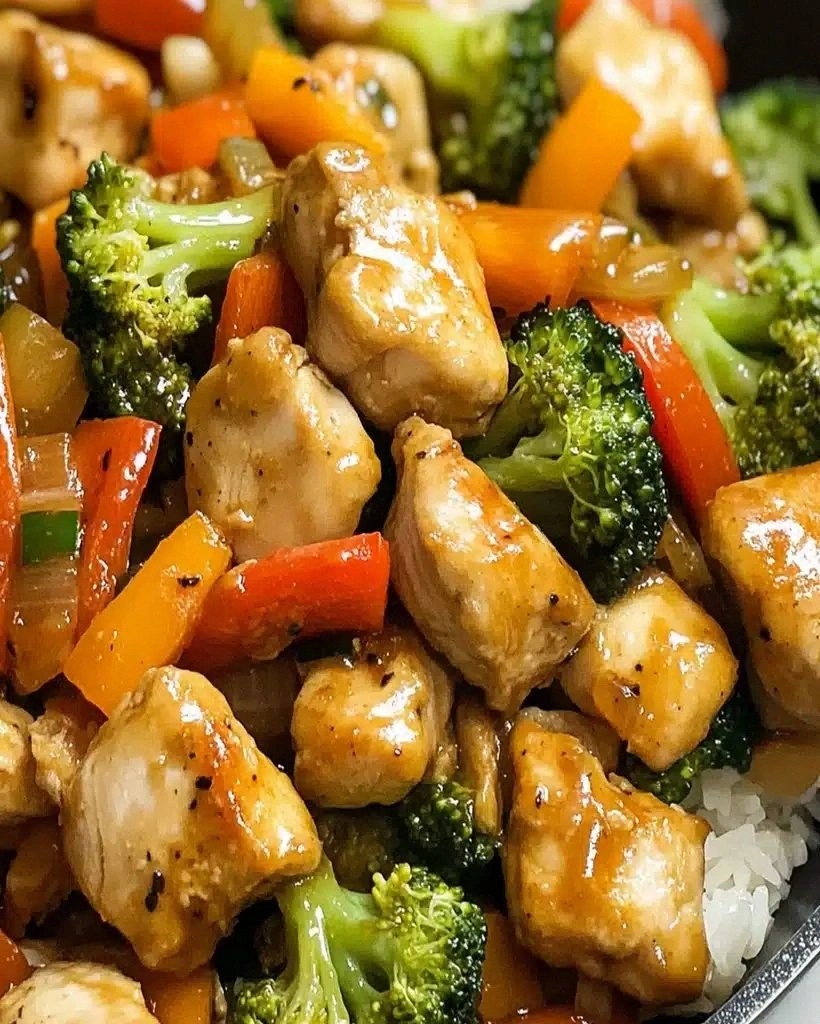
It was a Friday night when I stared at an empty fridge, the kind of stare that turns your kitchen into a crime scene. I had a craving for something bright, something that could be whipped up in a flash yet still feel like a gourmet indulgence. I reached for the pantry, grabbed a bag of ground chicken, and decided, “Why not stir‑fry?” The moment the pan hit the stove, the kitchen filled with the sizzle of garlic and ginger, the aroma of soy and honey dancing together like a duet on a summer afternoon.
That first bite was a revelation: tender chicken clinging to crisp vegetables, a glossy sauce that clung to every morsel like a second skin, and a subtle heat from the red chilli that lingered on the tongue. It was the kind of dish that makes you pause, take a breath, and think, “I can’t believe I’ve been making this for so long.” The combination of textures—crunchy sweetcorn, the snap of bell pepper, the silky glaze—was a symphony of sensations, each note louder than the last.
I realized that this version was different because of the balance of flavors: the umami depth of dark soy, the bright lift of rice wine vinegar, and the caramelized sweetness of honey. The sauce is thickened with cornflour to give it that silky coat that clings to the chicken and veggies, yet it remains light enough to let every ingredient shine. The sesame seed oil adds a nutty finish that elevates the dish from ordinary to unforgettable.
What sets this recipe apart is not just the ingredients, but the method: quick, high‑heat cooking that preserves the crunch of the vegetables while sealing in the juices of the mince. It’s a dish that can be plated over rice or noodles in under 45 minutes, making it a perfect weekday dinner that feels like a restaurant‑grade feast right in your kitchen. I dare you to taste this and not go back for seconds.
Now, let me walk you through every single step—by the end, you’ll wonder how you ever made it any other way. From the first sizzle to the final garnish, every detail has been fine‑tuned to bring out the best in each component. Prepare to be amazed, to laugh a little at the kitchen mishaps, and to leave your stove with a dish that will have your friends asking for the recipe.
What Makes This Version Stand Out
- Flavor Depth: The dark soy sauce provides a rich, savory base that pairs beautifully with the sweetness of honey. The addition of rice wine vinegar cuts through the richness, giving the dish a bright, balanced finish. The sauce coats the chicken and veggies like velvet, creating a mouth‑watering experience.
- Texture Contrast: Crisp bell pepper, tender sweetcorn, and juicy chicken mince create a harmonious mix of textures. Each bite offers a satisfying crunch followed by a melt‑in‑your‑mouth finish. The cornflour thickening gives the sauce a silky sheen that doesn’t weigh the dish down.
- Speed: The entire dish comes together in less than 45 minutes, making it ideal for busy weeknights. The high‑heat stir‑fry technique locks in flavors quickly, so you can serve it right away. No slow simmering or long prep times—just quick, efficient cooking.
- Ingredient Quality: Fresh ginger and garlic add aromatic depth, while sesame seed oil brings a nutty finish. Using fresh red pepper and baby sweetcorn ensures vibrant color and flavor. The recipe’s simplicity allows each ingredient to shine.
- Audience Appeal: Whether you’re a seasoned cook or a beginner, the steps are clear and approachable. The dish is crowd‑pleasing, making it perfect for dinner parties or family meals. The balanced flavor profile appeals to both kids and adults.
- Make‑Ahead Friendly: The stir‑fry can be cooked ahead and reheated without losing flavor. The sauce retains its thickness when stored in the fridge. This makes it a great option for meal prep or for when you’re short on time.
Inside the Ingredient List
The Flavor Base
At the heart of this stir‑fry lies the sauce, a marriage of dark soy, honey, and rice wine vinegar. Each component brings its own personality: soy for umami, honey for caramelized sweetness, and vinegar for acidity that cuts through richness. Together they create a sauce that coats the chicken and veggies like a glossy, savory glaze. If you skip any of these, the dish will feel flat and lacking depth.
The Texture Crew
Sweetcorn and red pepper provide the essential crunch that contrasts with the tender chicken mince. The cornflour thickens the sauce, giving it a silky consistency that clings to every bite. If you prefer a lighter sauce, reduce the cornflour by half, but be prepared for a thinner coating that may not hold the flavors as well. Using fresh, firm vegetables ensures the crunch stays intact even after high‑heat cooking.
The Unexpected Star
Fresh ginger adds a bright, peppery kick that cuts through the sweetness of honey. A small amount of sesame seed oil provides a nutty aroma that elevates the dish from ordinary to memorable. If you’re not a fan of sesame, you can substitute with a neutral oil, but you’ll lose that subtle finish that ties everything together.
The Final Flourish
Spring onions and a dash of red chilli finish the dish with a fresh, aromatic punch and a gentle heat that lingers on the palate. The spring onions add a mild onion flavor that balances the richness, while the chilli provides a subtle kick that keeps the dish lively. If you’re heat‑averse, omit the chilli or use a milder pepper; the dish will still shine.
Everything’s prepped? Good. Let’s get into the real action and turn these ingredients into a dish that will have your taste buds dancing.
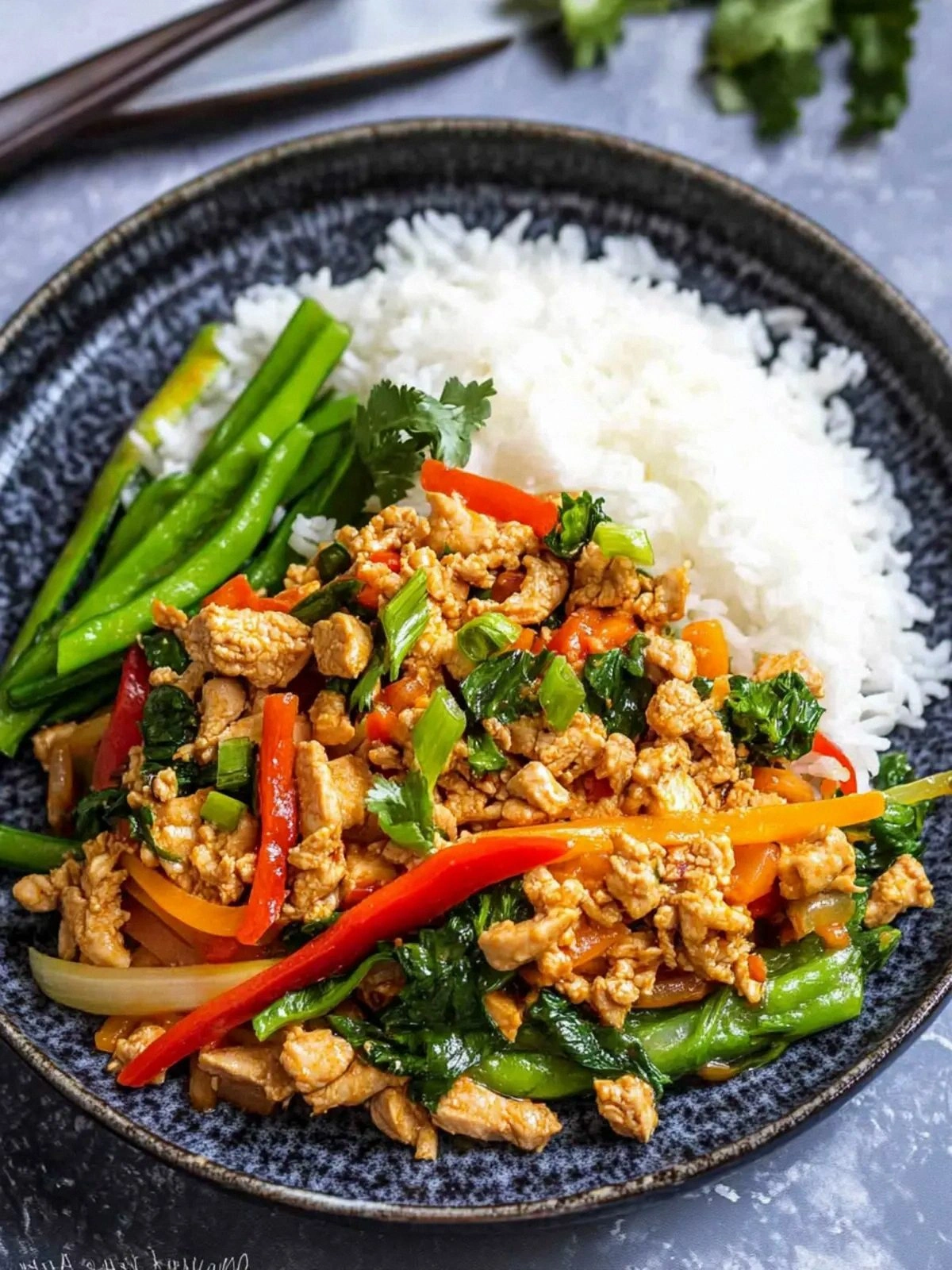
The Method — Step by Step
- Heat the vegetable oil in a large wok or skillet over high heat until it shimmers. Add the minced ginger and garlic, letting them sizzle for 30 seconds until fragrant—watch the aroma rise like a promise of flavor. Stir constantly to prevent burning; you’re aiming for a golden, aromatic base, not a charred mess. This step is the foundation; skip it and you’ll lose that depth.
- Introduce the chicken mince, breaking it apart with a spatula. Cook for 3-4 minutes until it starts to brown, ensuring even searing. The goal is a slightly caramelized exterior that locks in juices. If you let it sit too long, it will dry out and become tough.
- Add the red pepper and sweetcorn, stirring for 2 minutes until the vegetables are just tender but still crisp. The vegetables should retain their vibrant colors, signaling that they’re cooked but not mushy. This is the moment where texture really matters; a soft vegetable ruins the dish’s character.
- Pour in the chicken stock and dark soy sauce, then whisk in the honey and rice wine vinegar. Bring the mixture to a gentle boil, letting the flavors meld for 1 minute. The sauce should reduce slightly, thickening a bit—this is where the cornflour comes into play. Keep the heat high so the sauce doesn’t stick to the pan.
- Stir in the cornflour slurry, whisking continuously to avoid lumps. The sauce will thicken to a glossy, coat‑ready consistency. If it becomes too thick, add a splash of water or more stock to reach the desired texture. Remember, the sauce should cling to the chicken and veggies, not pool on the bottom.
- Reduce the heat to medium, then fold in the sesame seed oil and the sliced spring onions. The sesame oil should swirl through the sauce, giving a subtle nutty aroma that permeates the dish. Keep the mixture warm but not boiling; you want to keep the vegetables crisp and the sauce silky.
- Finally, sprinkle the sliced red chilli over the top, give everything a quick stir, and remove the wok from the heat. Serve immediately over steaming jasmine rice or tossed noodles, letting the sauce coat each bite. The dish is now ready to wow your guests with its vibrant colors and bold flavors.
That’s it—you did it. But hold on, I’ve got a few more tricks that will elevate this dish to legendary status.
Insider Tricks for Flawless Results
The Temperature Rule Nobody Follows
High heat is essential for a quick sear and a crisp finish, but many cooks lower the flame too early. Keep the temperature high until the sauce thickens, then reduce only when you’re adding the sesame oil. This subtle timing keeps the vegetables crunchy and the sauce glossy.
Why Your Nose Knows Best
As soon as the garlic and ginger hit the oil, you’ll notice a distinct aroma. Don’t rush this step; the scent signals that the aromatics have released their oils, creating a flavor base that’s richer than any stock. A faint scent means you’re under‑cooking them.
The 5-Minute Rest That Changes Everything
Let the finished stir‑fry sit for 5 minutes off the heat before serving. This brief rest allows the sauce to thicken slightly and the flavors to marry, giving the dish a more cohesive taste. Skipping this step leaves the sauce too thin and the flavors disjointed.
Use a Wok for the Ultimate Texture
A wok’s curved bottom and high sides allow for better heat distribution and easier tossing. If you’re using a skillet, stir slowly to avoid burning, but a wok will give you that classic stir‑fry lift and flavor.
Finish with a Splash of Sesame Oil
Adding a final splash of sesame oil right before turning off the heat gives the dish a fragrant finish that can’t be replicated otherwise. It also helps the sauce cling to the chicken and veggies, creating a glossy, irresistible look.
Creative Twists and Variations
Thai-Style Kick
Swap the red chilli for sliced fresh Thai bird’s eye chillies and add a handful of fresh basil leaves at the end. The result is a fiery, aromatic dish that transports you straight to a bustling Bangkok market.
Veggie‑Loaded Power
Replace the chicken mince with diced tofu or tempeh, and throw in extra veggies like broccoli, carrots, and mushrooms. This variation turns the dish into a wholesome plant‑based meal that still delivers on flavor.
Seafood Surprise
Use shrimp or scallops in place of the chicken mince for a quick, high‑protein version that cooks in under 5 minutes. The seafood will absorb the sauce beautifully, offering a delicate sweetness that pairs well with the soy glaze.
Asian Noodle Fusion
Serve the stir‑fry over ramen or soba noodles instead of rice for a hearty, comforting bowl. The noodles soak up the sauce, creating a satisfying, noodle‑centric experience.
Spiced Up with Curry
Add a teaspoon of red curry paste when sautéing the ginger and garlic. The subtle heat from the curry will deepen the flavor profile, giving the dish an exotic twist.
Storing and Bringing It Back to Life
Fridge Storage
Cool the stir‑fry completely before transferring it to an airtight container. Store it in the refrigerator for up to 3 days. When you’re ready to eat, reheat gently on the stove or in a microwave, adding a splash of water to restore moisture.
Freezer Friendly
Pack the dish in freezer‑safe containers, leaving a little space at the top for expansion. It can be kept in the freezer for up to 2 months. Thaw overnight in the refrigerator, then reheat as described above.
Best Reheating Method
Use a skillet or wok over medium heat, stirring frequently. Add a teaspoon of water or broth to keep the sauce from drying out. The dish should be hot throughout and the sauce should be glossy and silky, not thickened or dry.