
Scrambled Eggs
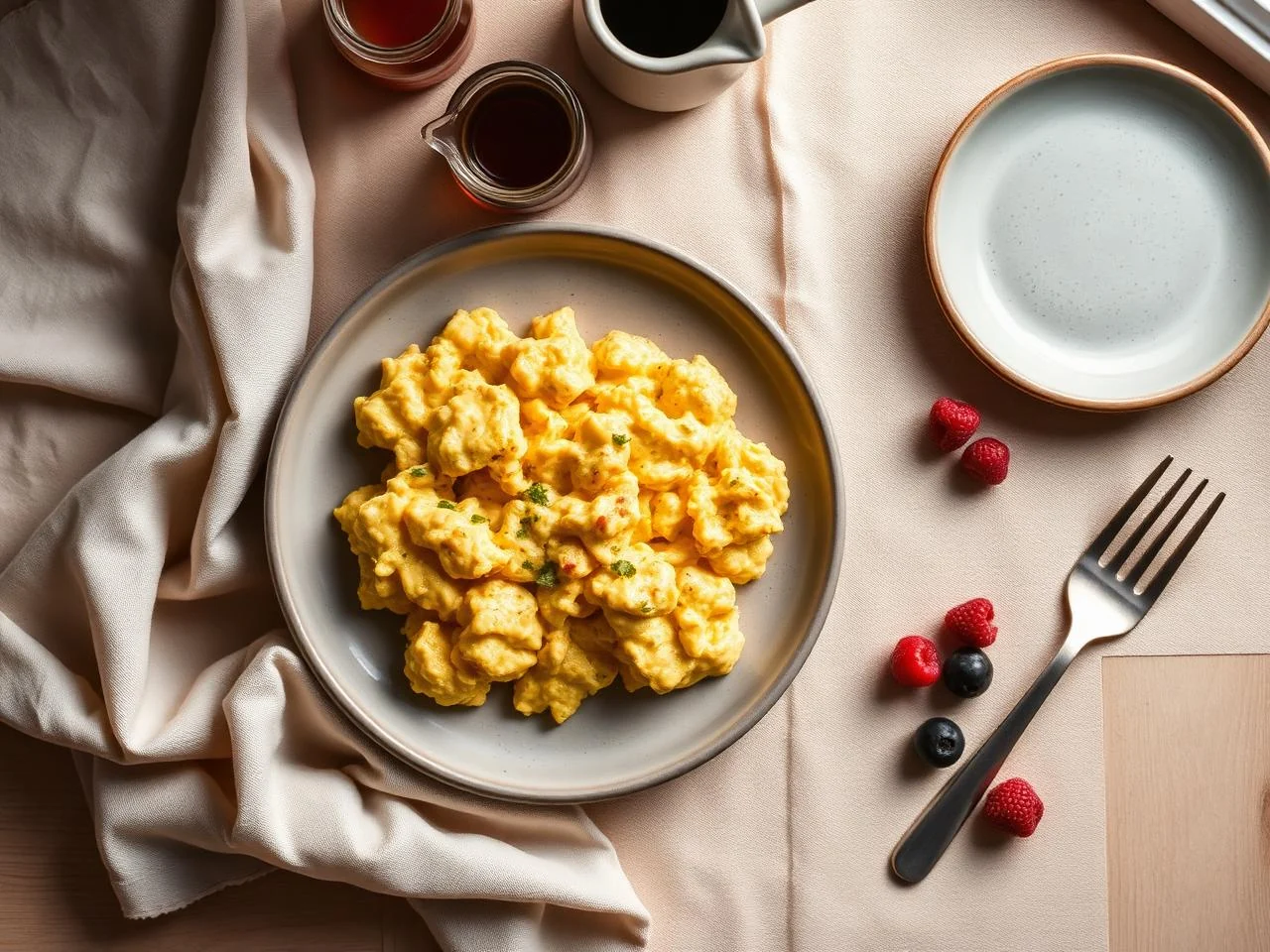
There's something special about a slow morning, with the sun shining through the windows and the aroma of freshly brewed coffee filling the air. For me, it's the perfect time to cook up a hearty breakfast, and scrambled eggs are often at the top of my list. I love how versatile they are - you can add any combination of ingredients to suit your taste, from diced veggies to shredded cheese.
As a home cook, I've experimented with countless scrambled egg recipes over the years, and I've learned that the key to making them truly great is all about technique. It's not just about cracking some eggs into a bowl and heating up a pan - it's about understanding how to coax the eggs into tender, creamy curds that are just set, but still moist and flavorful.
In this recipe, I'll share my secrets for making the fluffiest, most tender scrambled eggs you've ever tasted. Whether you're a busy weeknight cook or a leisurely weekend bruncher, these scrambled eggs are sure to become a staple in your kitchen.
So, what makes these scrambled eggs so special? For one, I use a combination of whole eggs and egg whites, which gives them a lighter, more tender texture. I also add a splash of milk, which helps to keep the eggs moist and creamy. And of course, there's the cooking technique - I use a low-and-slow approach, cooking the eggs over medium-low heat and stirring constantly, to prevent them from becoming tough or overcooked.
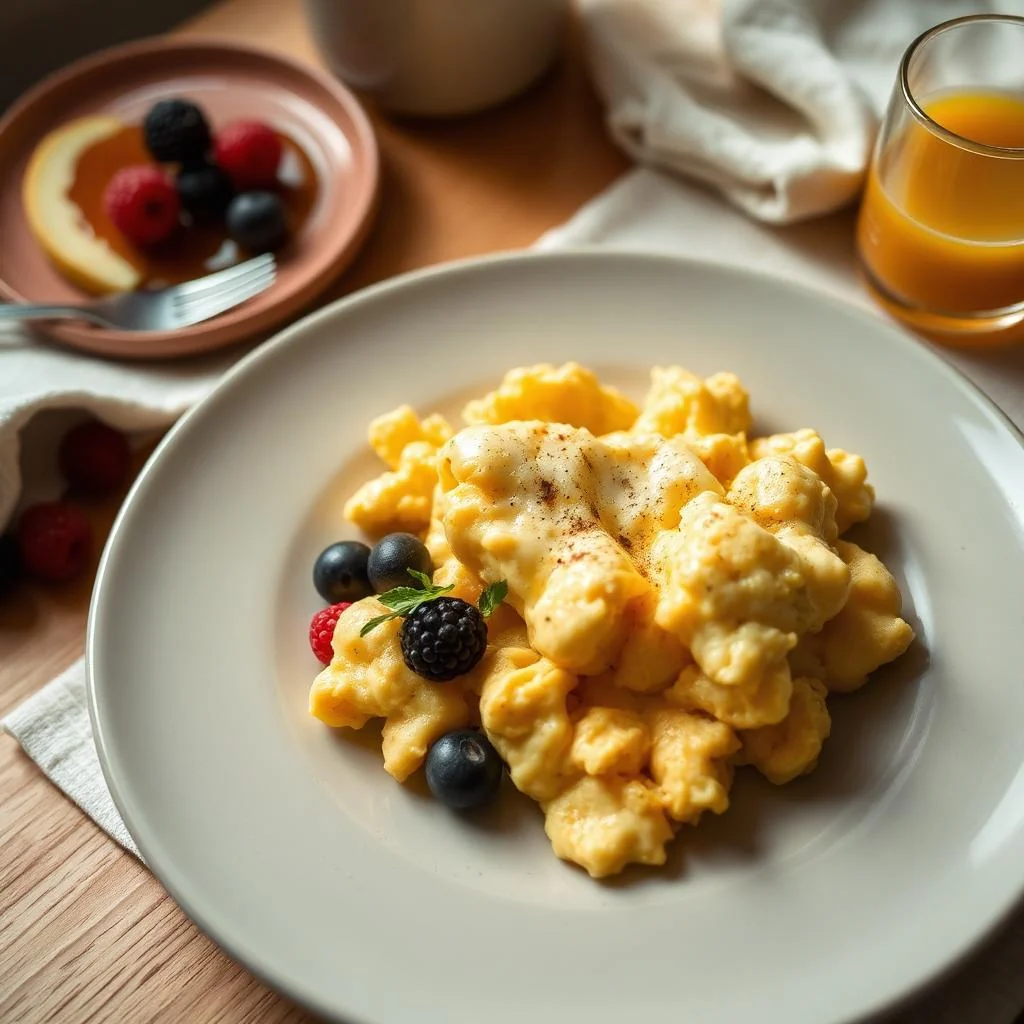
The result is a dish that's both comforting and elegant, perfect for serving to family and friends. So go ahead, give this recipe a try, and discover the joy of making truly exceptional scrambled eggs.
Why You’ll Love This Recipe
- Scrambled eggs are an easy and versatile breakfast option.
- They can be made in under 20 minutes, making them perfect for busy weeknights.
- Scrambled eggs are a great way to use up leftover veggies and cheese.
- They're a crowd-pleasing dish that's perfect for serving to family and friends.
- Scrambled eggs are a budget-friendly breakfast option that's easy on the wallet.
- They're a nutritious breakfast option that's high in protein and low in calories.
Why This Recipe Works
The secret to making great scrambled eggs lies in the cooking technique. By cooking the eggs over medium-low heat and stirring constantly, you can prevent them from becoming tough or overcooked. This low-and-slow approach also helps to break down the eggs' protein bonds, resulting in a tender, creamy texture.
Another key factor is the addition of milk, which helps to keep the eggs moist and creamy. The acidity in the milk also helps to break down the eggs' protein bonds, making them more tender and easier to cook.
Finally, using a combination of whole eggs and egg whites gives the scrambled eggs a lighter, more tender texture. The egg whites provide structure and stability, while the whole eggs add richness and flavor.
Ingredients You’ll Need
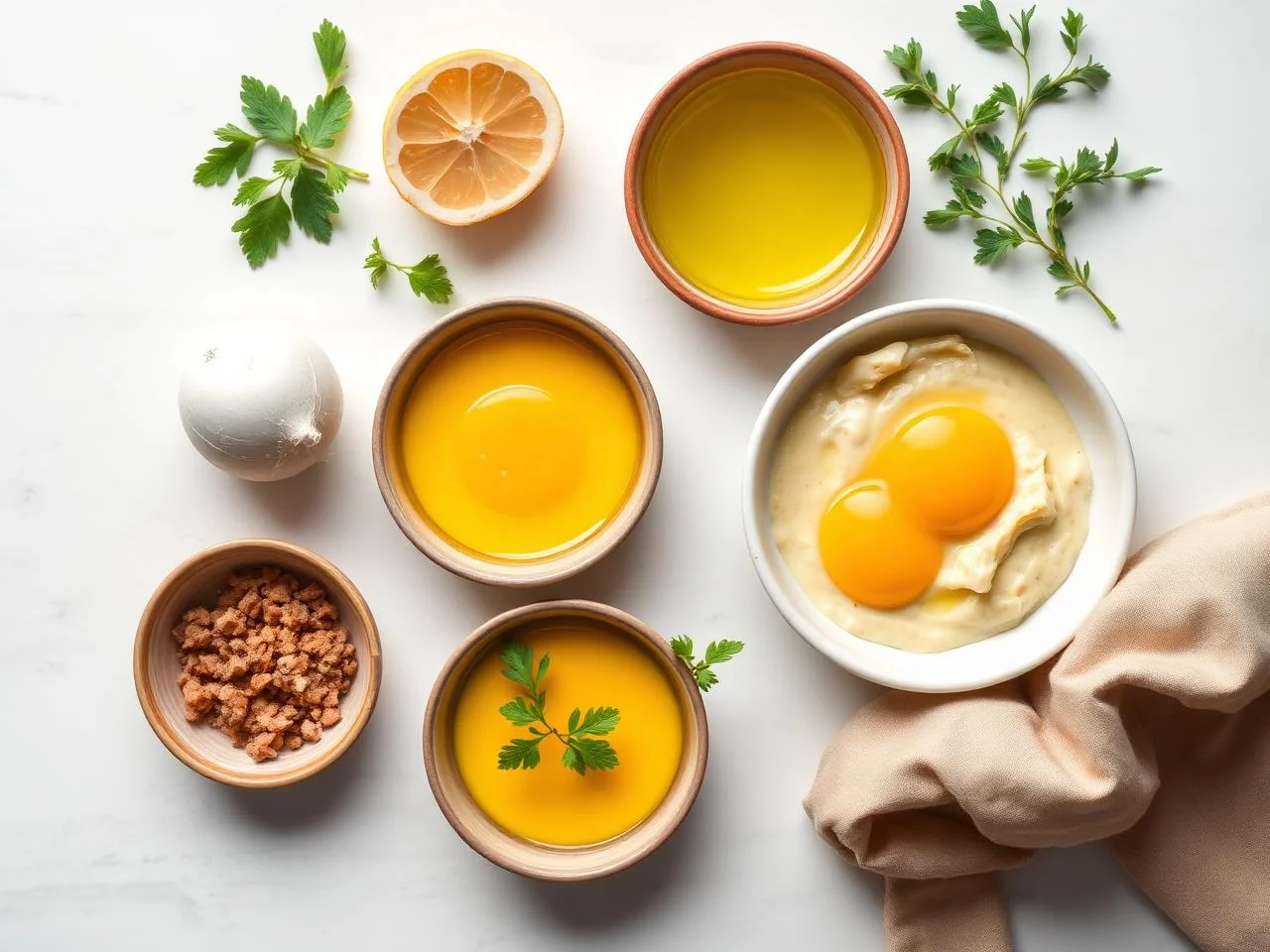
When it comes to making great scrambled eggs, the ingredients are just as important as the technique. You'll need a combination of whole eggs, egg whites, milk, and seasonings to create a rich, creamy flavor. Be sure to use fresh, high-quality ingredients for the best results.
One of the most important ingredients in this recipe is the eggs themselves. Look for eggs that are fresh and have a clean, smooth texture. You'll also want to use whole milk, which adds a richness and creaminess to the scrambled eggs.
- 4 large eggsFresh eggs are essential for making great scrambled eggs. Look for eggs that are clean and have a smooth texture.
- 2 egg whitesEgg whites provide structure and stability to the scrambled eggs, while also adding a lighter texture.
- 1/2 cup whole milkWhole milk adds a richness and creaminess to the scrambled eggs. You can also use low-fat or nonfat milk if you prefer.
- 1/2 teaspoon kosher saltKosher salt is a coarser, flakier salt that's perfect for seasoning scrambled eggs. It adds a deeper, more complex flavor than regular table salt.
- 1/4 teaspoon black pepperFreshly ground black pepper is essential for adding depth and complexity to the scrambled eggs. Use a peppermill to grind the pepper just before adding it to the eggs.
- 2 tablespoons unsalted butterUnsalted butter is perfect for cooking scrambled eggs, as it adds a rich, creamy flavor without overpowering the eggs.
- 1 tablespoon chopped fresh chivesFresh chives add a bright, oniony flavor to the scrambled eggs. You can also use chopped scallions or parsley if you prefer.
- 1 tablespoon grated cheddar cheeseCheddar cheese adds a rich, creamy flavor to the scrambled eggs. You can also use other types of cheese, such as Swiss or feta, if you prefer.
- 1/2 teaspoon paprikaPaprika adds a smoky, savory flavor to the scrambled eggs. You can also use smoked paprika for a deeper, more complex flavor.
- Salt and pepper to tasteAdd salt and pepper to taste, using a light hand. You can always add more seasoning, but it's harder to remove excess salt and pepper from the scrambled eggs.
Equipment You’ll Need
How to Make Scrambled Eggs
- 1Crack the eggs into a large bowl and whisk them together with a fork. Add the milk, salt, and pepper, and whisk until the eggs are well-beaten.
- 2Heat the butter in a large nonstick skillet over medium heat. Once the butter has melted, tilt the skillet to make sure the butter covers the entire surface.
- 3Pour the egg mixture into the skillet and let it cook for about 30 seconds. Use a spatula to gently lift and fold the edges of the eggs towards the center, allowing the uncooked egg to flow to the edges.
- 4Continue cooking the eggs for another 2-3 minutes, stirring constantly, until they are almost set. Use the spatula to break up any large curds that form.
- 5Add the chopped chives, grated cheese, and paprika to the eggs and stir to combine. Cook for another 30 seconds to 1 minute, until the cheese is melted and the eggs are fully set.
- 6Use the spatula to scoop the scrambled eggs onto a plate and serve hot. Garnish with additional chives if desired.
- 7Check the eggs for doneness by inserting an instant-read thermometer into the center of the eggs. The internal temperature should be at least 160°F.
- 8If the eggs are not yet set, continue cooking them for another 30 seconds to 1 minute, until they reach the desired doneness.
- 9Once the eggs are cooked, remove the skillet from the heat and let it cool for a minute or two. This will help the eggs retain their moisture and texture.
- 10Serve the scrambled eggs hot, garnished with additional chives and cheese if desired.
- 11Consider adding other ingredients to the scrambled eggs, such as diced veggies or cooked meats, to add extra flavor and nutrition.
Expert Tips
- Use fresh, high-quality ingredients for the best results.
- Whisk the eggs well before cooking to incorporate air and make them lighter.
- Use a nonstick skillet to prevent the eggs from sticking and to make them easier to cook.
- Don't overcook the eggs - they should be moist and creamy, not dry and tough.
- Add ingredients like cheese, herbs, and spices to the eggs to add extra flavor and nutrition.
- Consider making a large batch of scrambled eggs and refrigerating or freezing them for later use.
- Use a thermometer to check the internal temperature of the eggs and ensure they are cooked to a safe temperature.
- Don't overcrowd the skillet - cook the eggs in batches if necessary, to ensure they have enough room to cook evenly.
Common Mistakes to Avoid
- Overcooking the eggs, resulting in a dry, tough texture.
- Not whisking the eggs well enough, resulting in a dense, flat texture.
- Not using a nonstick skillet, resulting in the eggs sticking and being difficult to cook.
- Adding too many ingredients to the eggs, resulting in a confusing, overwhelming flavor.
- Not checking the internal temperature of the eggs, resulting in undercooked or overcooked eggs.
- Not using fresh, high-quality ingredients, resulting in a lackluster, unappetizing flavor.
Variations and Substitutions
- Add diced veggies, such as bell peppers or mushrooms, to the scrambled eggs for extra flavor and nutrition.
- Use different types of cheese, such as feta or goat cheese, to add a unique flavor to the scrambled eggs.
- Add cooked meats, such as bacon or sausage, to the scrambled eggs for extra protein and flavor.
- Use fresh herbs, such as parsley or basil, to add a bright, fresh flavor to the scrambled eggs.
- Add a splash of milk or cream to the scrambled eggs to make them extra creamy and rich.
- Use smoked paprika or other spices to add a smoky, savory flavor to the scrambled eggs.
- Make a large batch of scrambled eggs and refrigerate or freeze them for later use.
What to Serve With Scrambled Eggs
Scrambled eggs are a versatile breakfast option that can be served with a variety of sides and toppings. Consider serving them with toast, hash browns, or roasted veggies for a filling and satisfying meal.
You can also add other ingredients to the scrambled eggs, such as diced meats or cheese, to make them more substantial and flavorful. And don't forget to garnish with fresh herbs or chives for a bright, fresh flavor.
Make-Ahead, Storage, Freezing and Reheating
Scrambled eggs can be stored in the refrigerator for up to 3 days or frozen for up to 2 months. To refrigerate, cool the scrambled eggs to room temperature, then cover and refrigerate. To freeze, cool the scrambled eggs to room temperature, then transfer to an airtight container or freezer bag and freeze.
To reheat refrigerated or frozen scrambled eggs, simply microwave or heat in a skillet over low heat, stirring constantly, until warmed through. You can also add a splash of milk or cream to the scrambled eggs to make them extra creamy and rich.
When reheating scrambled eggs, be careful not to overcook them, as they can become dry and tough. Instead, heat them gently, stirring constantly, until warmed through and creamy.
Frequently Asked Questions
How do I make scrambled eggs that are moist and creamy?
To make scrambled eggs that are moist and creamy, use a nonstick skillet and cook the eggs over medium heat, stirring constantly. Don't overcook the eggs, and use a thermometer to check the internal temperature.
Can I make scrambled eggs ahead of time?
Yes, you can make scrambled eggs ahead of time and refrigerate or freeze them for later use. Simply cool the scrambled eggs to room temperature, then cover and refrigerate or transfer to an airtight container or freezer bag and freeze.
What can I add to scrambled eggs to make them more flavorful?
You can add a variety of ingredients to scrambled eggs to make them more flavorful, such as diced veggies, cooked meats, cheese, and fresh herbs. Consider adding a splash of milk or cream to make them extra creamy and rich.
How do I prevent scrambled eggs from sticking to the pan?
To prevent scrambled eggs from sticking to the pan, use a nonstick skillet and cook the eggs over medium heat, stirring constantly. You can also add a small amount of oil or butter to the pan to help prevent sticking.
Can I make scrambled eggs in a microwave?
Yes, you can make scrambled eggs in a microwave, but be careful not to overcook them. Crack the eggs into a microwave-safe bowl, add a splash of milk or cream, and cook on high for 30-45 seconds, stirring every 15 seconds, until warmed through and creamy.
How do I know when scrambled eggs are cooked to a safe temperature?
To ensure scrambled eggs are cooked to a safe temperature, use a thermometer to check the internal temperature. The internal temperature should be at least 160°F.
Can I freeze scrambled eggs?
Yes, you can freeze scrambled eggs. Simply cool the scrambled eggs to room temperature, then transfer to an airtight container or freezer bag and freeze for up to 2 months.
How do I reheat frozen scrambled eggs?
To reheat frozen scrambled eggs, simply microwave or heat in a skillet over low heat, stirring constantly, until warmed through. You can also add a splash of milk or cream to make them extra creamy and rich.
Ingredients
- 4 large eggs
- 2 egg whites
- 1/2 cup whole milk
- 1/2 teaspoon kosher salt
- 1/4 teaspoon black pepper
- 2 tablespoons unsalted butter
- 1 tablespoon chopped fresh chives
- 1 tablespoon grated cheddar cheese
- 1/2 teaspoon paprika
- Salt and pepper to taste
Instructions
- Crack the eggs into a large bowl and whisk them together with a fork. Add the milk, salt, and pepper, and whisk until the eggs are well-beaten.
- Heat the butter in a large nonstick skillet over medium heat. Once the butter has melted, tilt the skillet to make sure the butter covers the entire surface.
- Pour the egg mixture into the skillet and let it cook for about 30 seconds. Use a spatula to gently lift and fold the edges of the eggs towards the center, allowing the uncooked egg to flow to the edges.
- Continue cooking the eggs for another 2-3 minutes, stirring constantly, until they are almost set. Use the spatula to break up any large curds that form.
- Add the chopped chives, grated cheese, and paprika to the eggs and stir to combine. Cook for another 30 seconds to 1 minute, until the cheese is melted and the eggs are fully set.
- Use the spatula to scoop the scrambled eggs onto a plate and serve hot. Garnish with additional chives if desired.
- Check the eggs for doneness by inserting an instant-read thermometer into the center of the eggs. The internal temperature should be at least 160°F.
- If the eggs are not yet set, continue cooking them for another 30 seconds to 1 minute, until they reach the desired doneness.
- Once the eggs are cooked, remove the skillet from the heat and let it cool for a minute or two. This will help the eggs retain their moisture and texture.
- Serve the scrambled eggs hot, garnished with additional chives and cheese if desired.
- Consider adding other ingredients to the scrambled eggs, such as diced veggies or cooked meats, to add extra flavor and nutrition.