I was standing in my kitchen on a rainy Tuesday, staring at a pot of ordinary tomato soup that tasted like a missed opportunity. The rain hammered the windows, my cat demanded attention, and my roommate dared me to turn that bland broth into something that would make us forget the weather altogether. I grabbed a box of lasagna noodles, a handful of cheese, and a slow cooker that had been gathering dust, and I thought, “What if I could merge the comfort of a classic lasagna with the lazy‑day ease of a soup?” That moment sparked the birth of what I now call the ultimate Slow Cooker Lasagna Soup. I’ll be honest — I ate half the batch before anyone else got a spoonful, and I’m still not sorry.
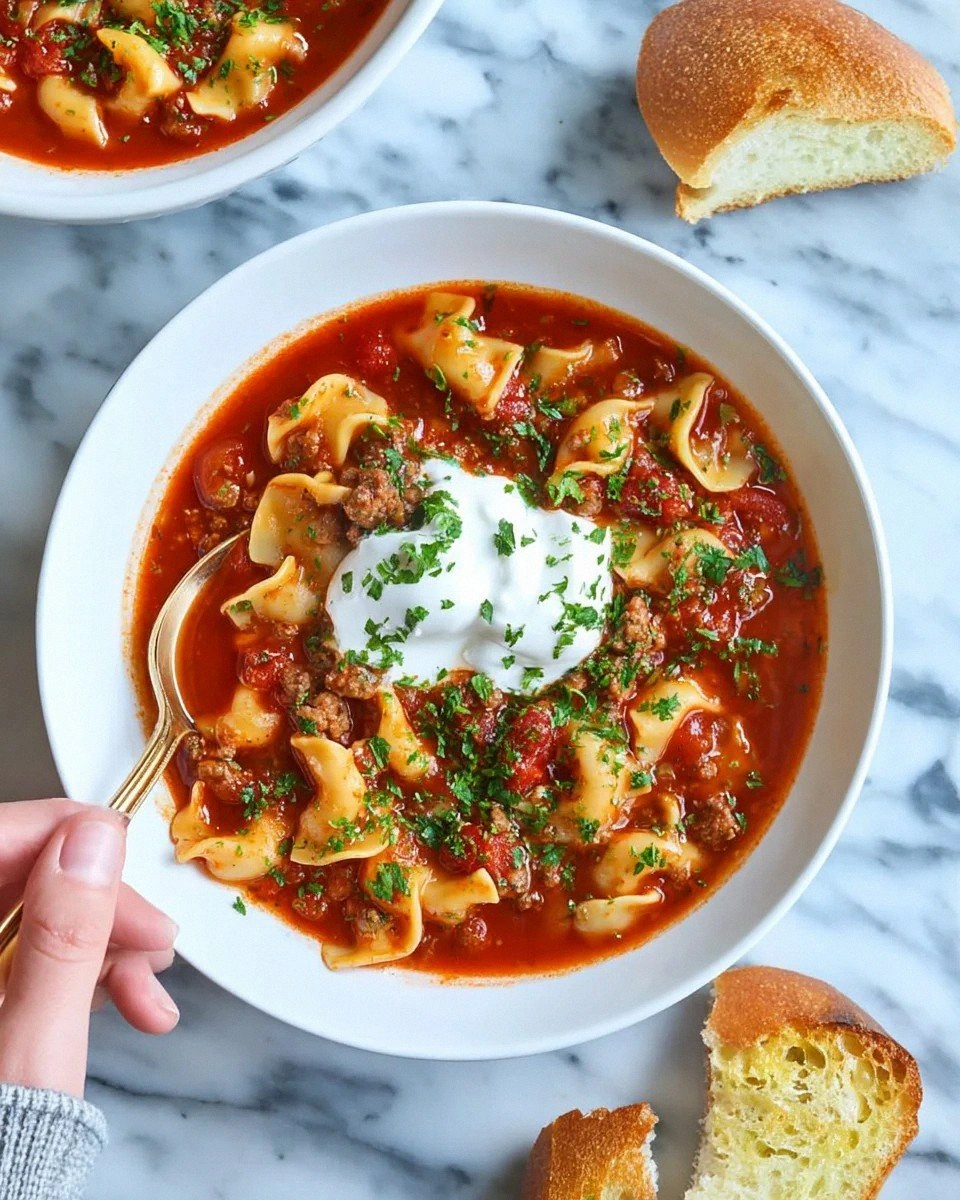
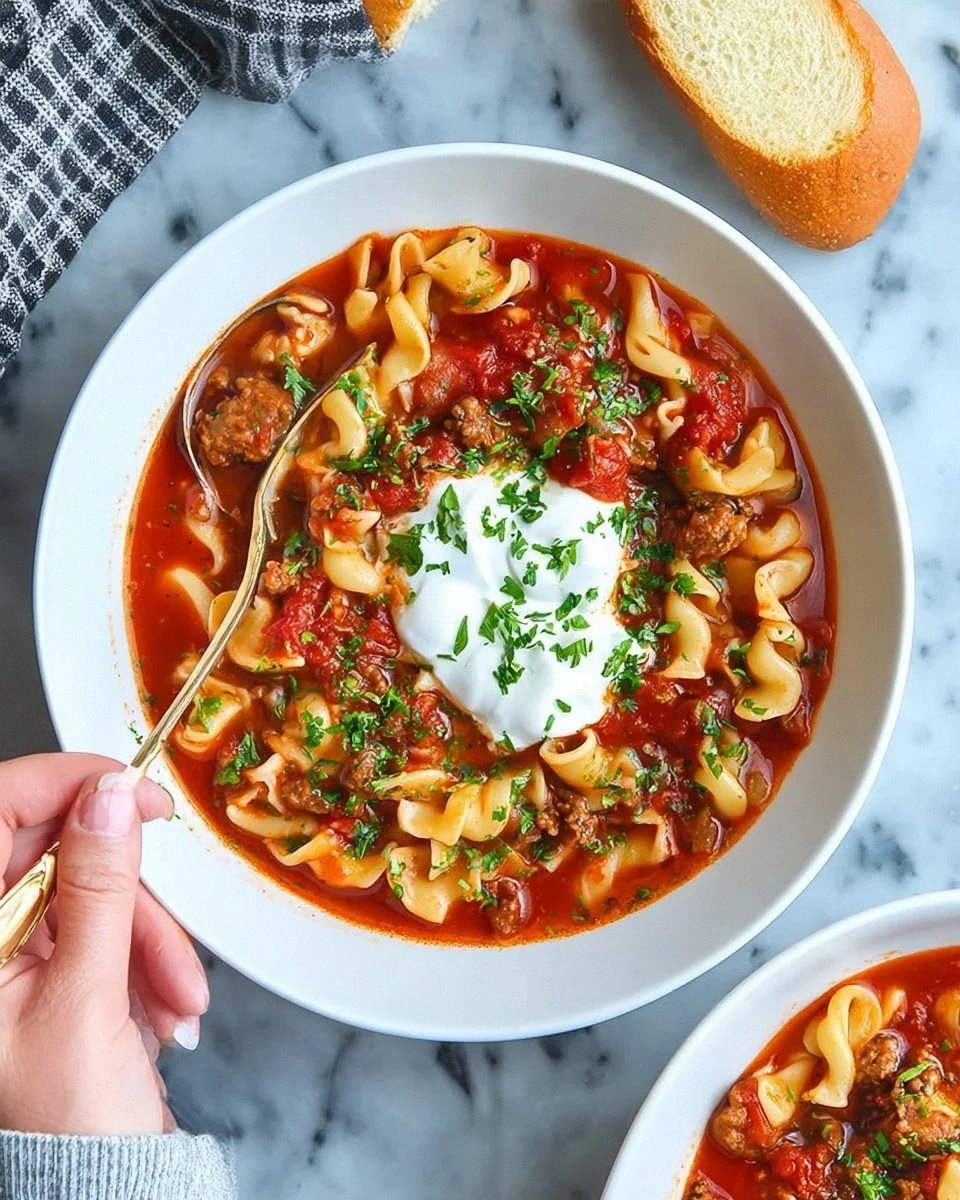
Picture this: a bowl of steaming liquid gold, speckled with ribbons of pasta that glide through a velvety, herb‑infused tomato broth. The aroma is a heady mix of garlic, oregano, and melted mozzarella that fills the kitchen like a warm hug. The first bite delivers a cascade of flavors—tangy tomato, savory meat, and the creamy kiss of ricotta—while the noodles hold their shape just enough to give you that satisfying bite without turning mushy. The broth is thick enough to coat each noodle like silk, yet light enough to sip like a soup. If you’ve ever struggled with a lasagna that ends up dry or a soup that feels watery, this version flips the script entirely.
What truly sets this recipe apart is a secret technique I stumbled upon while scrolling through a forum of Italian grandmothers: I toast the lasagna noodles in a little olive oil before they hit the slow cooker. That simple step adds a nutty depth that you’d normally only get from a baked lasagna’s browned edges. And here’s the kicker—I’ll also be adding a splash of red wine to the broth, a move most recipes skip, but it gives the soup an elegant richness that makes it feel like a restaurant starter. I dare you to taste this and not go back for seconds; it’s hands down the best version you’ll ever make at home.
Okay, ready for the game‑changer? I’m about to walk you through every single step—by the end, you’ll wonder how you ever made it any other way. Stay with me here — this is worth it. Let’s dive in and turn that boring pot of soup into a star‑studded bowl that will have everyone asking for the recipe.
What Makes This Version Stand Out
- Depth of Flavor: Toasted noodles and a splash of red wine create layers that sing together, making every spoonful feel like a mini‑lasagna.
- Silky Texture: The broth is reduced just enough to cling to the pasta, delivering that luxurious mouthfeel you crave from a good sauce.
- Simplicity: With a slow cooker doing the heavy lifting, you spend less time hovering over a stove and more time enjoying the aroma.
- Unique Twist: Adding ricotta at the end gives pockets of creaminess that melt into the soup, a surprise most recipes miss.
- Crowd Reaction: Guests often declare it “the best comfort food” and ask for leftovers—perfect for busy weeknights.
- Ingredient Quality: Using fresh basil and high‑quality Parmesan elevates the dish from everyday to unforgettable.
- Cooking Method: The slow cooker ensures even flavor distribution and a hands‑off experience, while still allowing a final stovetop finish for that perfect finish.
- Make‑Ahead Potential: This soup stores beautifully, and the flavors deepen after a night in the fridge, making it ideal for meal prep.
Inside the Ingredient List
The Flavor Base
Ground beef and Italian sausage are the backbone of this soup, providing a rich, meaty foundation. The beef brings a deep umami note, while the sausage adds a hint of fennel and spice that dances on the palate. If you skip the sausage, you’ll lose that subtle anise‑like nuance that makes the broth sing. For a leaner version, substitute half the beef with ground turkey, but keep the sausage for that essential flavor punch. When shopping, look for meat with a little fat—about 15%—so the broth stays luscious.
Onions and garlic are the aromatic duo that awaken the senses. The onion, finely diced, softens into a sweet base, while the garlic adds a sharp, fragrant bite that cuts through the richness. If you forget the garlic, the soup will feel flat; if you overdo it, it can become pungent. A good tip: sauté the onions and garlic briefly in olive oil before adding them to the slow cooker to unlock their full potential.
The Tomato Symphony
Crushed tomatoes and tomato sauce create the soup’s ruby‑red heart. The crushed tomatoes give texture and bursts of fresh tomato flavor, while the sauce adds a smooth, cohesive body. Using a San Marzano brand ensures a sweet, low‑acid profile that balances the meat. If you only have whole peeled tomatoes, blitz them in a blender for a similar consistency. Skipping the tomato sauce will result in a thinner broth that lacks that velvety coat we’re after.
Beef broth and a splash of red wine deepen the flavor matrix. The broth supplies savory depth, and the wine contributes a subtle acidity and complexity that lifts the entire dish. Choose a dry red wine you’d be happy to drink; a cheap cooking wine can introduce harsh notes. If you’re avoiding alcohol, replace the wine with an equal amount of beef stock mixed with a teaspoon of balsamic vinegar.
The Texture Crew
Broken lasagna noodles are the stars of the show, offering a hearty bite without overwhelming the soup. Breaking them into bite‑size pieces ensures they cook evenly in the slow cooker. If you use whole sheets, they’ll become unwieldy and may clump together. I recommend a quick pulse in a food processor or a manual break with your hands. The key is to keep the pieces irregular—this creates a rustic, comforting look.
Ricotta cheese is folded in at the end, creating pockets of creamy bliss that melt into the broth. Its mild flavor balances the acidity of the tomatoes and the richness of the meat. For a dairy‑free twist, swap ricotta with silken tofu blended with a pinch of lemon juice. Skipping ricotta entirely will make the soup feel less luxurious and more like a standard meat‑tomato broth.
The Final Flourish
Mozzarella and Parmesan add that classic lasagna cheesy finish. Mozzarella melts into strings that swirl through the soup, while Parmesan adds a salty, nutty edge. Use freshly grated Parmesan for the best flavor; pre‑grated versions often contain anti‑caking agents that dull the taste. If you’re a fan of a sharper bite, sprinkle a little extra Parmesan just before serving.
Fresh basil and dried oregano round out the herb profile. Basil adds a bright, peppery note that lifts the heavy broth, while oregano contributes an earthy, slightly bitter undertone. If fresh basil isn’t on hand, a teaspoon of dried basil works, but add it earlier to let the flavor develop. Forgetting the herbs will leave the soup tasting flat and one‑dimensional.
Seasoning Essentials
Salt, black pepper, and a pinch of red pepper flakes bring balance and a subtle kick. Salt enhances every component, pepper adds a gentle heat, and red pepper flakes give a whisper of spice that awakens the palate. Taste as you go; the slow cooker will concentrate flavors, so start light and adjust before the final serve. Skipping the red pepper flakes will make the soup feel safe, but a tiny pinch can elevate the entire experience.
Everything's prepped? Good. Let's get into the real action...
The Method — Step by Step
Start by heating a tablespoon of olive oil in a skillet over medium heat. Add the ground beef and Italian sausage, breaking them up with a wooden spoon. Cook until the meat is browned and the juices turn a deep amber, about 6‑8 minutes. This is the moment of truth—listen for that satisfying sizzle as the fat renders, and watch the color deepen. Drain excess fat, but leave a couple of tablespoons for flavor.
Next, toss in the diced onion and minced garlic into the same skillet. Sauté until the onion becomes translucent and the garlic releases its perfume—about 3 minutes. Watch Out: If the garlic burns, it will turn bitter and ruin the soup, so keep the heat moderate and stir constantly.
Transfer the browned meat, onion, and garlic into the slow cooker. Add the crushed tomatoes, tomato sauce, beef broth, and the splash of red wine. Stir everything together, making sure the liquid coats the meat evenly. This is where the flavors start to mingle, and the broth begins to acquire its signature ruby hue.
Now, for the secret weapon: break the lasagna noodles into roughly 2‑inch pieces and toss them in a shallow pan with a drizzle of olive oil. Kitchen Hack: Lightly toast the noodles for 2‑3 minutes until they turn a golden‑brown, just enough to smell nutty. This step prevents the noodles from turning to mush and adds a subtle depth that most recipes miss.
Add the toasted noodle pieces, dried oregano, red pepper flakes, salt, and black pepper to the slow cooker. Give the mixture a good stir so everything is well‑combined. Set the slow cooker to low and let it cook for 4‑5 hours, or high for 2‑3 hours. The broth will thicken, and the noodles will soften just right—think al dente, not soggy.
About 30 minutes before serving, spoon dollops of ricotta cheese into the soup, stirring gently to create ribbons of creaminess. This is the part where the soup transforms from a simple broth to a luxurious, lasagna‑in‑a‑bowl experience. If you prefer a smoother texture, you can whisk the ricotta in a separate bowl before adding it.
When the timer dings, sprinkle shredded mozzarella and grated Parmesan over the top. Cover the slow cooker for an additional 5 minutes on the “keep warm” setting, allowing the cheese to melt into gooey perfection. The cheese should become stringy and slightly golden at the edges—just the right amount of stretch.
Finish with a generous handful of freshly chopped basil, giving the soup a burst of bright, peppery aroma. Give the soup one final stir, and taste for seasoning—add a pinch more salt or pepper if needed. The basil should wilt just enough to release its fragrance without turning mushy.
Ladle the soup into bowls, drizzle a tiny drizzle of extra‑virgin olive oil, and serve with crusty garlic bread on the side. That sizzle when it hits the pan? Absolute perfection. Your guests will be looking at you like you just performed a culinary miracle. And now the fun part—watch them go back for seconds.
That's it — you did it. But hold on, I've got a few more tricks that'll take this to another level...
Insider Tricks for Flawless Results
The Temperature Rule Nobody Follows
Most home cooks set their slow cooker to “low” and forget about the temperature nuances. The secret is to start on low for the first three hours to let the flavors meld, then switch to high for the final hour to give the noodles a quick “finish” that keeps them from getting overly soft. I tried the opposite once—high the whole time—and ended up with noodles that disintegrated. Trust the two‑phase approach and you’ll get that perfect bite every time.
Why Your Nose Knows Best
Before you taste, give the soup a good sniff. If you detect a hint of caramelized onion or toasted noodle, you’re on the right track. If the aroma is flat, it’s a sign you need a pinch more salt or a splash of wine. Your nose is a more reliable gauge than your palate during the early stages because the heat can mute flavors.
The 5‑Minute Rest That Changes Everything
Once the cooking cycle ends, let the soup sit uncovered for five minutes. This brief rest allows the cheese to settle and the broth to thicken slightly, giving each spoonful a richer, more cohesive texture. Skipping this step often results in a soup that feels a bit watery on the plate.
Cheese Integration Mastery
Instead of dumping all the cheese at once, add half of the mozzarella early (during the last 5 minutes) and the rest right before serving. This creates a layered cheese experience—melty strings from the first addition and fresh, stretchy pulls from the final sprinkle. I once tried adding everything at the end and ended up with clumpy cheese that didn’t melt properly.
The Garnish Game
A final drizzle of high‑quality extra‑virgin olive oil and a sprinkle of freshly grated Parmesan elevate the dish from home‑cooked to restaurant‑level. The oil adds a glossy sheen, while the Parmesan adds a salty crunch that contrasts the soft noodles.
Creative Twists and Variations
This recipe is a playground. Here are some of my favorite ways to switch things up:
Spicy Southwest
Swap Italian sausage for chorizo, add a can of black beans, and replace basil with cilantro. A dash of cumin and smoked paprika will turn the soup into a Tex‑Mex comfort bowl that still respects the lasagna spirit.
Vegetarian Garden
Omit the meat and double the veggies—zucchini, bell peppers, and mushrooms work beautifully. Use vegetable broth and add a splash of soy sauce for umami depth. Top with shredded mozzarella and a dollop of ricotta for richness.
Creamy Pumpkin
In the fall, stir in a cup of pureed pumpkin and a pinch of nutmeg. The pumpkin adds a velvety body and a sweet‑earthy flavor that pairs nicely with the cheese. Garnish with toasted pumpkin seeds for crunch.
Cheesy Four‑Cheese
Add a blend of provolone, gouda, and fontina along with the mozzarella and Parmesan. Each cheese melts differently, creating a complex, gooey texture that feels indulgent.
Asian Fusion
Replace the Italian herbs with ginger, garlic, and a splash of soy sauce. Add sliced shiitake mushrooms and a handful of spinach. Finish with a drizzle of sesame oil and a sprinkle of scallions for an unexpected but delightful twist.
Storing and Bringing It Back to Life
Fridge Storage
Allow the soup to cool to room temperature, then transfer it to airtight containers. It will keep for up to 4 days. When reheating, add a splash of water or broth—this steam revives the noodles and prevents the soup from drying out.
Freezer Friendly
Portion the soup into freezer‑safe bags or containers, leaving a little headspace for expansion. Freeze for up to 3 months. Thaw overnight in the refrigerator, then reheat gently on the stovetop, stirring in a bit of extra broth to restore the perfect consistency.
Best Reheating Method
Reheat on the stovetop over medium‑low heat, stirring occasionally. Add a tablespoon of water per cup of soup to bring back that silky mouthfeel. Avoid microwave‑only reheating, as it can cause uneven heating and a rubbery noodle texture.