Last Tuesday I walked into my kitchen at 7:13 p.m. with the kind of hunger that makes rational decisions impossible. The fridge light flickered on like a spotlight interrogating my life choices: half a wilting bell pepper, a carrot that had seen better decades, and a packet of rice noodles I’d sworn I’d “use next week” for the past three months. Take-out menus fluttered on the counter like tiny white flags of surrender. And then—plot twist—I remembered the tiny jar of chili-garlic sauce I’d impulse-bought on a whim, the one that promised fire and flavor in equal measure. Ten minutes later my wok was screaming, my neighbors were sniffing the hallway like bloodhounds, and I was twirling noodles so glossy they could have hosted their own cooking show. That first bite? A slap of umami so loud I actually yelped. I ate standing up, hunched over the counter, burning my tongue and not caring one bit. By 7:48 the bowl was empty, the sink was piled, and I was already texting two friends the recipe in ALL CAPS because that’s what you do when you stumble on weeknight perfection.
Most Mongolian noodle recipes you’ll find online taste like someone waved a bottle of soy sauce in the general direction of a pasta bowl and called it a day. They’re flat, sweet, and about as exciting as waiting in line at the post office. This version is the polar opposite: it’s got that caramelized depth you thought only restaurants could achieve, heat that builds like a slow drumroll, and vegetables that stay crisp even while they soak up the sauce like little flavor sponges. The secret isn’t some arcane ingredient you have to mail-order from the Mongolian steppe—it’s a layering technique that takes an extra ninety seconds and makes you look like a wok wizard. I’m talking glossy noodles that refuse to clump, sauce that clings instead of puddling, and a kitchen that smells so good your roommate will volunteer to do dishes. If you’ve ever struggled with soggy stir-fries or wondered why your noodles taste bland no matter how much soy you dump in, stay with me here—this is worth it.
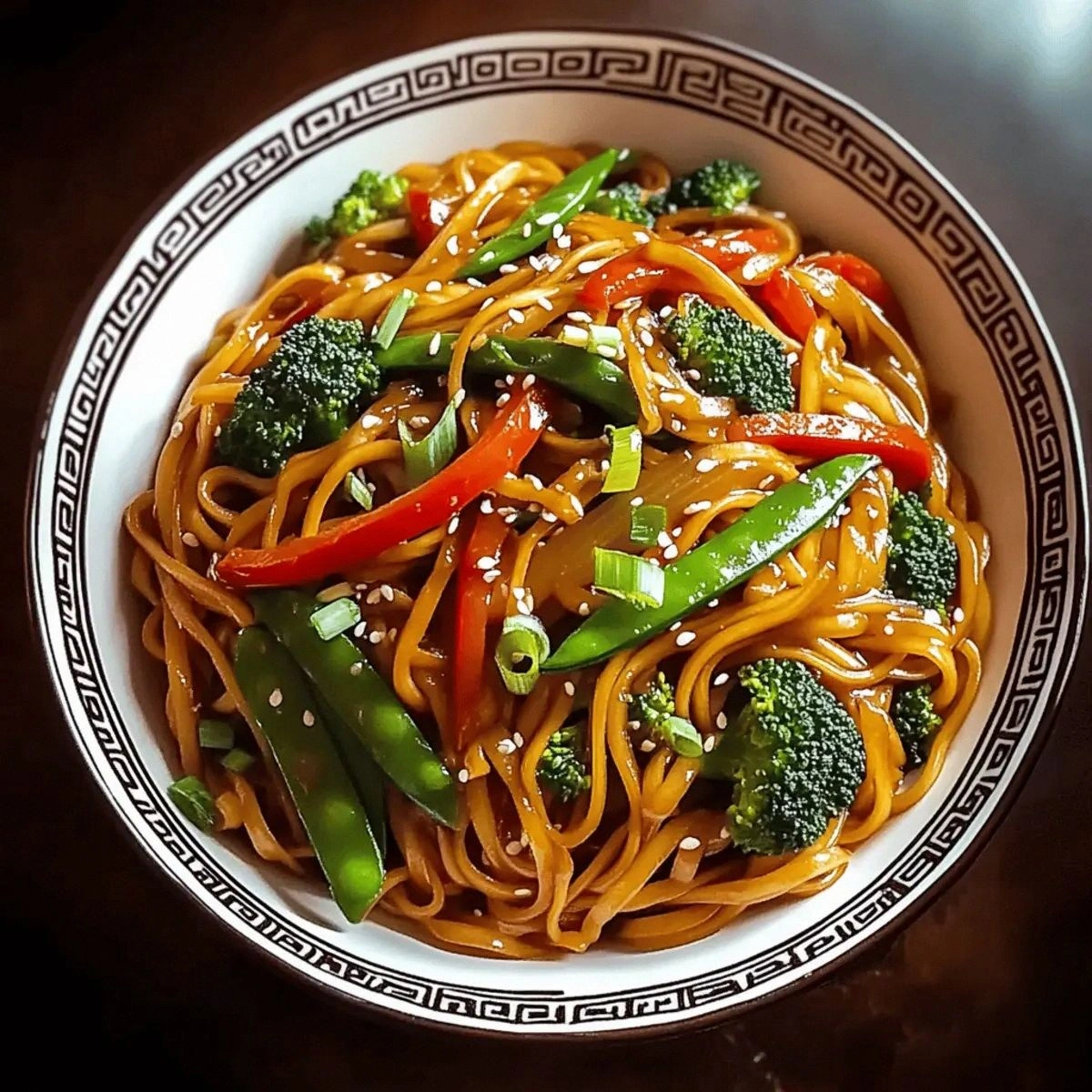
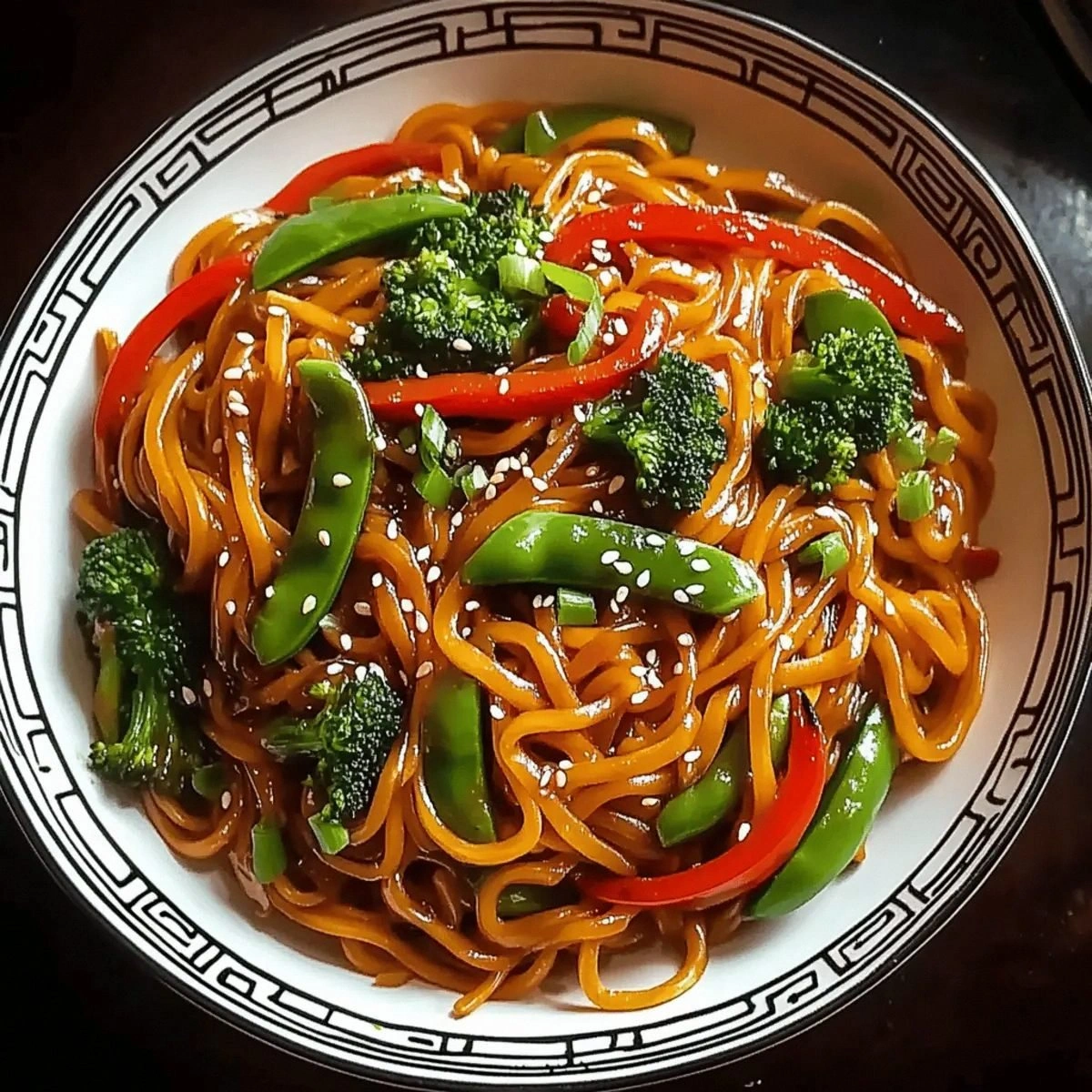
Picture yourself next Thursday evening. Work ran long, the dog needs walking, and your phone keeps pinging with group-chat drama. You walk through the door, drop your bag, and fifteen minutes later you’re lifting a tangle of noodles that shimmer like lacquered mahogany, flecked with emerald snow peas and ruby bell-pepper shards. The first forkful hits that perfect balance between spicy, sweet, and savory, and suddenly the day melts off your shoulders faster than butter on a hot griddle. I dare you to taste this and not go back for seconds; I certainly failed that challenge. I’ll be honest—I ate half the batch before anyone else got to try it, and I only felt mildly guilty because sharing would have meant cold noodles, and that’s a crime in my book.
Okay, ready for the game-changer? We’re going to build a sauce that tastes like it’s been simmering for hours, but we’ll do it in the same time it takes to boil spaghetti. We’ll crank the heat so high the vegetables singe at the edges but stay snappy inside, and we’ll finish with a sesame-oil drizzle that makes the whole dish taste like it’s wearing a silk scarf. Let me walk you through every single step—by the end, you’ll wonder how you ever made it any other way.
What Makes This Version Stand Out
- Flavor Bomb: The sauce uses a hot-cold technique—half goes into the screaming wok to caramelize, the other half finishes at the end so you taste every layer. Most recipes dump everything at once and wonder why it tastes flat.
- Texture Play: Rice noodles stay chewy, not mushy, because we soak rather than boil, then flash-fry so they pick up wok-char without falling apart. Goodbye, kindergarten paste.
- Weeknight Speed: Everything happens in twelve minutes once your prep is done. That’s faster than queuing for pizza, and your arteries will write thank-you notes.
- Vegetable Rainbow: Bell peppers, broccoli, snow peas, and carrots keep their colors bright and their nutrients intact because we sear on nuclear heat. No sad gray veggies on my watch.
- Heat with Heart: Chili-garlic sauce gives fire, but balanced by hoisin sweetness and sesame perfume. You can dial it up or down without losing complexity.
- Make-Ahead Hero: Chop your veg and mix your sauce in the morning; dinner becomes a three-minute toss when you get home. Future you will send present you a fruit basket.
Alright, let's break down exactly what goes into this masterpiece...
Inside the Ingredient List
The Flavor Base
Rice noodles are the silent heroes here. They’re naturally gluten-free, but more importantly they’re like edible velvet ribbons that grab sauce without getting bloated. Skip the vermicelli-thin ones or they’ll vanish in the heat; you want the width of fettuccine so they stay present. If you can only find skinny noodles, double them up and reduce soak time by two minutes. And please, for the love of dinner, don’t substitute spaghetti unless you enjoy chewy disappointment.
Soy sauce is obvious, but quality matters. Reach for the bottle that lists “soybeans” first, not “water.” The cheap stuff tastes like saline homework; the good stuff brings fermented bass notes that make the whole dish taste deeper than your ex’s poetry. If sodium is a concern, use low-sodium soy and add a pinch of mushroom powder—you’ll never miss the salt.
The Texture Crew
Bell peppers should crunch like autumn leaves underfoot. I mix red and yellow for candy-sweet vibes, but green if I want that bitter edge to spar with the sweet hoisin. Cut them into postage-stamp squares so they cook in the same heartbeat as everything else. And here’s the part most recipes get wrong: keep the pieces thin enough to sear, not so skinny they wilt into nothing. Think two stacked coins thick.
Broccoli florets must be bite-size so they cook through in the two-minute window we give them. If you hate finding little green buds in your teeth (relatable), slice the crowns lengthwise so they lie flat against the wok and get tiger-stripe char. The stalk? Peel the woody skin, slice into coins, and add them too—crunch jackpot.
The Unexpected Star
Chili-garlic sauce is where the party starts. It’s chunkier than sriracha, so you get tiny flecks of fermented chili that burst like spicy caviar. Start with one tablespoon; you can always stir in more at the end, but you can’t un-burn your face. If you’re cooking for kids or capsaicin-phobes, swap in a teaspoon of sweet chili and add a pinch of smoked paprika for depth without heat.
The Final Flourish
Sesame oil is your mic-drop. Buy toasted, not raw; the nutty aroma is already developed, so one tablespoon at the end perfumes the whole dish like a silk handkerchief pulled from a magician’s sleeve. Don’t cook with it—heat turns it bitter. Instead, drizzle in a thin stream right before serving and watch everyone involuntarily close their eyes in bliss.
Green onions and sesame seeds are the confetti. Slice the onions on a steep bias so they feather into green ribbons; the white parts go in early for sweetness, the green parts at the end for pop. Toast your sesame seeds in a dry pan for ninety seconds until they smell like popcorn; raw ones taste like nothing and look like kitchen dandruff.
Everything's prepped? Good. Let's get into the real action...
The Method — Step by Step
- Start by soaking the rice noodles in hot tap water for exactly eight minutes—set a timer, because nine minutes turns them into edible rubber bands. They should bend like silky ribbons but still have a stubborn white core; that core will finish cooking in the wok. While they swim, whisk together soy, oyster, hoisin, chili-garlic, and sesame oil in a small bowl. Taste with the tip of your finger; it should hit you with sweet, then savory, then a slow burn that blooms behind your ears. This is your sauce lifeline, so keep it within arm’s reach.
- Heat your wok—or your biggest, most heat-retentive skillet—over high heat until a bead of water evaporates on contact. That sizzle when it hits the pan? Absolute perfection. Add vegetable oil and swirl so the surface looks like liquid mercury. Immediately toss in the onion, garlic, and ginger; listen for the applause of aromatics hitting hot metal. Stir-fry for thirty seconds, just until the garlic turns the color of hay; any darker and it becomes bitter exes you can’t unfriend.
- Now the fun part: slide in the bell peppers, broccoli, and carrots. Spread them into a single layer so every piece kisses the wok’s surface; overcrowding is the enemy of char. Let them sit undisturbed for forty-five seconds—yes, fight the urge to poke—so they develop leopard spots that taste like grilled summer. Then flip and stir for another minute; the colors should stay neon, the textures crisp-tender. If you’ve ever struggled with soggy stir-fries, you’re not alone—and I’ve got the fix.
- Drain the noodles fast—really fast—so they don’t carry extra water that will splatter like a toddler in a puddle. Add them to the wok along with half the sauce. Toss like your life depends on it, coating every strand until they take on a mahogany tan. The wok should look almost dry; that’s caramelization happening, and it’s pure magic. This next part? Pure magic—push the noodles up the sides of the wok to create a hot well in the center.
- Pour the remaining sauce into that naked center puddle; it will bubble and thicken in fifteen seconds, smelling like a street market at dusk. Toss everything together so the vegetables get lacquered, the noodles glisten, and every bite promises sweet heat. Snow peas go in last—they need only a quick kiss to stay bright and snappy. Finish with sesame oil and half the green onions, give two final flips, then kill the heat.
- Plate immediately—this isn’t a dish that waits politely. Garnish with the remaining green onions and a snowstorm of toasted sesame seeds. The noodles should steam gently, the sauce should cling like velvet, and the aroma should make you forget whatever chaos waited outside your kitchen. That’s it—you did it. But hold on, I’ve got a few more tricks that’ll take this to another level...
Insider Tricks for Flawless Results
The Temperature Rule Nobody Follows
Your pan needs to be ripping hot, but your oil shouldn’t smoke. Wait until the wok is nuclear, then add oil and swirl; this seasons the surface so food releases instantly instead of glueing. A friend tried skipping this step once—let’s just say it ended with a noodle brick worthy of masonry class.
Why Your Nose Knows Best
Trust aroma checkpoints more than timers. When garlic smells sweet, not raw, it’s ready for vegetables. When the sauce hits nutty caramel notes, pull it off heat. Your nose is the original kitchen timer, and it never runs out of batteries.
The 5-Minute Rest That Changes Everything
After you toss in the final sesame oil, let the noodles sit in the turned-off wok for five minutes. They’ll absorb the last glaze, flavors marry, and you stop burning your tongue like an over-eager dragon. Patience, padawan.
Creative Twists and Variations
This recipe is a playground. Here are some of my favorite ways to switch things up:
Protein Power-Up
Slide in thin strips of flank steak or chicken thigh after the aromatics. Let them sear until just blush-pink, then continue with vegetables. The meat picks up the caramelized sauce and stays juicy under the noodle blanket.
Vegan Firecracker
Oyster sauce out, mushroom-based vegetarian stir-fry sauce in. Add smoked tofu cubes for chew and a dusting of nutritional yeast for cheesy depth. Even carnivores inhale this version.
Peanut-Lover’s Paradise
Swap one tablespoon of sesame oil for peanut butter whisked into the sauce. Finish with crushed roasted peanuts and a squeeze of lime. Suddenly you’re street-side in Bangkok.
Low-Carb Zoodle Swap
Replace rice noodles with spiralized zucchini that you’ve salted and squeezed dry. Stir-fry for just one minute so they stay al dente. Carbs saved: enough to justify ice cream later.
Breakfast-for-Dinner Edition
Top the finished noodles with a runny fried egg. The yolk melts into the spicy sauce and creates silky rivers of breakfast nostalgia. Midnight brunch is officially a thing.
Storing and Bringing It Back to Life
Fridge Storage
Pack cooled noodles in shallow airtight containers; they’ll keep three days without turning into a science experiment. Line the container with parchment to prevent the sauce from staining plastic. Don’t cram everything into one bowl—thin layers reheat evenly.
Freezer Friendly
Freeze portions in zip bags pressed flat; they thaw in ten minutes under warm tap water. Note: snow peas lose their snap, so add fresh ones when reheating. Frozen noodles keep two months—after that, ice crystals sabotage texture.
Best Reheating Method
Skillet beats microwave every time. Add a teaspoon of water per serving, cover for thirty seconds to steam, then uncover and toss until hot. The sauce re-emulsifies, edges re-crisp, and you’d swear it was just made. Add a tiny splash of water before reheating—it steams back to perfection.