Picture this: a cramped kitchen, a clock ticking toward midnight, and a friend daring you to whip up a dish that feels like a culinary encore. You’re half‑bored with the same cold pizza, half‑excited about the promise of something that will make your taste buds do a happy dance. I was in that exact spot, scrolling through endless fondue recipes that all seemed to say the same thing—just melt cheese and pour. The real kicker? I had a ruined batch of cheese that had turned a dull gray and a bottle of wine that had been left in the sun for too long. I stared at the pot, thinking, “What if I could salvage this and turn it into something spectacular?”
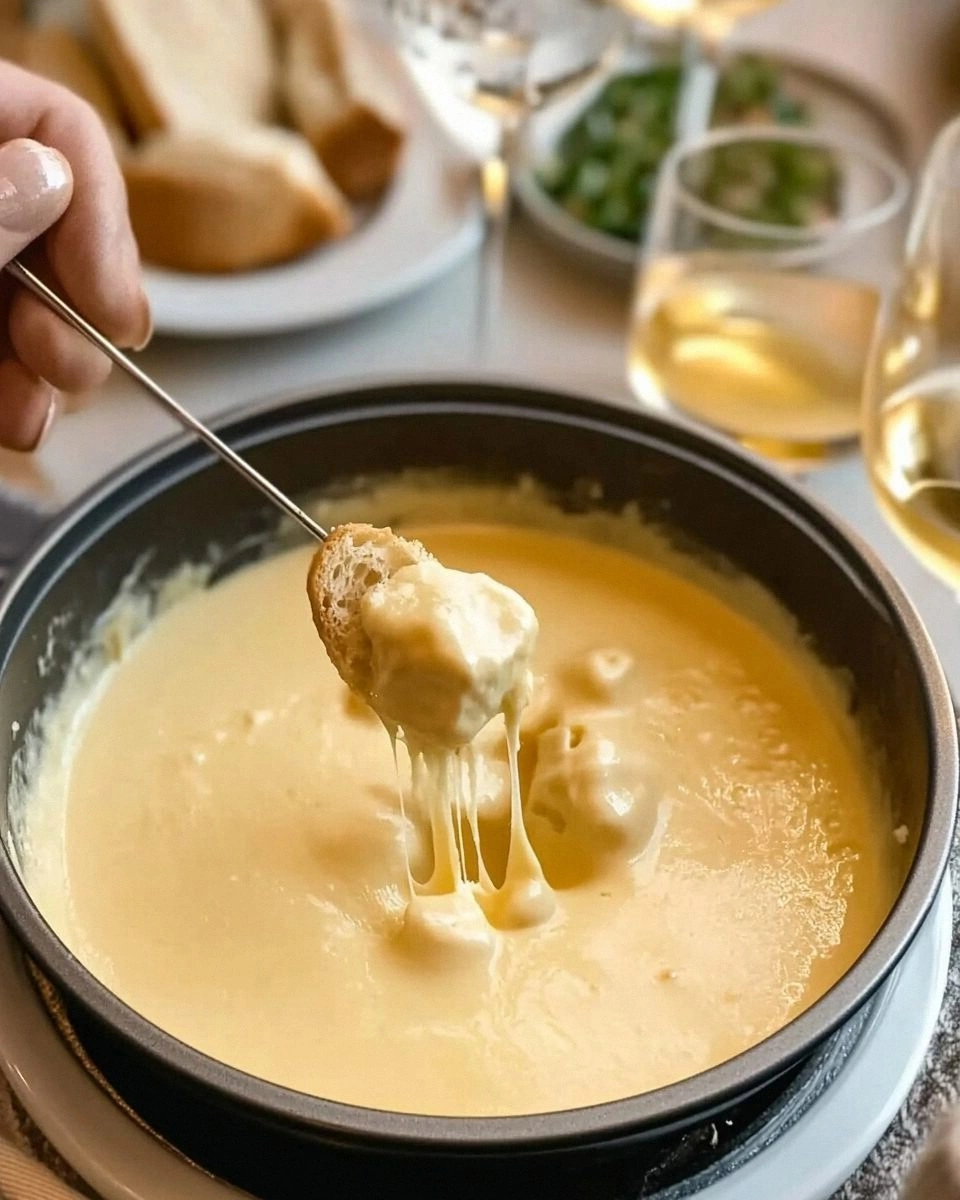
The moment the first spoonful hit my tongue, the kitchen filled with a symphony of aromas—rich, nutty, and slightly sharp from the white wine. The sound of the cheese bubbling was like a gentle lullaby, a comforting hiss that made the whole room feel alive. The texture was silky, coating the bread with a velvet sheen that clung to every bite. The heat from the pot warmed my hands, and the sight of the golden, glossy surface made me feel like a maestro about to conduct a masterpiece. It was the kind of sensory experience that turns a simple meal into a memory.
Why does this version stand out? It’s not just about using the right cheeses; it’s about a technique that turns a humble fondue into a silky, unbreakable sauce that lingers on the palate. I’ve spent years experimenting with ratios, temperature control, and the exact timing for each ingredient. The result is a fondue that stays smooth, refuses to separate, and melts in your mouth like a cloud of cheese. It’s hands down the best version you’ll ever make at home, and I’m going to walk you through every single step so you can replicate that magic.
Before we dive in, here’s a little teaser: the secret ingredient that gives this fondue its signature depth is a splash of kirsch, a cherry brandy that adds a subtle sweetness and a hint of fruitiness. I dare you to taste this and not go back for seconds. If you’ve ever struggled with a fondue that turns into a greasy mess, you’re not alone—this recipe has a fix that will change everything.
What Makes This Version Stand Out
- Flavor Depth: The blend of Gruyère and Emmental creates a complex, nutty base that is far richer than single‑cheese versions. The addition of kirsch adds a subtle cherry undertone that elevates the overall taste profile.
- Texture Mastery: The careful balance of cornstarch and wine ensures a silky, unbreakable sauce that coats bread like velvet without any graininess.
- Heat Control: The method of gradually adding wine while whisking keeps the cheese from scorching, a common pitfall that many recipes overlook.
- Ingredient Quality: Using fresh, high‑quality cheeses and a dry white wine from a reputable region guarantees a superior flavor that cannot be replicated with cheap substitutes.
- Versatility: The recipe can be adapted with optional add‑ins like mushrooms or spinach, turning it into a hearty appetizer or a light main course.
- Make‑Ahead Potential: You can prepare the fondue a day ahead and reheat it gently, maintaining the same mouth‑watering consistency.
Inside the Ingredient List
The Flavor Base
Gruyère is the star of the show, providing a robust, nutty flavor that is unmistakably Swiss. Emmental complements it with a slightly sweeter, milder profile, creating a harmonious balance that keeps the fondue from becoming too overpowering. The white wine, preferably a dry Chablis or Sauvignon Blanc, adds acidity that cuts through the richness of the cheese, preventing it from feeling heavy.
The Texture Crew
Cornstarch is the unsung hero that stabilizes the sauce, preventing the cheese from separating or becoming grainy. By mixing it with a small amount of cold water before adding to the pot, you create a slurry that integrates smoothly. Butter, added at the end, gives the fondue a glossy sheen and a subtle buttery finish that enhances the mouthfeel.
The Unexpected Star
Kirsch, a clear cherry brandy, may seem out of place in a cheese fondue, but it’s the perfect sweet counterpoint to the savory cheese. A tablespoon is all you need to unlock a depth of flavor that feels like a secret ingredient. If you’re hesitant, a splash of cherry liqueur or even a hint of raspberry jam can mimic the effect.
The Final Flourish
Freshly grated black pepper adds a subtle heat that balances the sweetness of the kirsch. A pinch of nutmeg brings warmth and a hint of spice that lingers on the palate. The bread cubes—preferably a crusty French baguette—are the canvas that absorbs the rich sauce, turning each bite into a bite of pure comfort.
Everything's prepped? Good. Let's get into the real action...
The Method — Step by Step
- Begin by rubbing the inside of a medium‑sized fondue pot or heavy‑bottomed saucepan with the cut side of a garlic clove. This infuses the pot with a subtle garlic aroma that will permeate the entire dish. Don’t skip this step—garlic is the backbone of the flavor profile. After the garlic rub, discard the clove and set the pot aside.
- Pour the white wine into the pot and bring it to a gentle simmer over medium heat. Watch closely; the wine should just start to bubble, not boil. This simmering stage allows the wine to evaporate slightly, concentrating its acidity. It’s a critical moment for the cheese to later melt smoothly.
- Whisk in the lemon juice and let the mixture bubble for another minute. The acid from the lemon helps emulsify the cheese, creating a silky base. This also adds a bright counterpoint to the richness of the cheese. The mixture should smell toasty, like a warm kitchen after a long day.
- Gradually sprinkle in the shredded Gruyère and Emmental, a handful at a time, while constantly whisking. The key here is to keep the heat low enough that the cheese melts evenly without scorching. The cheese should melt into a glossy, cohesive sauce that coats the back of a spoon. If you see any lumps, add a splash of wine and whisk vigorously.
- Once all the cheese is incorporated, stir in the cornstarch slurry. This thickening agent will give the fondue that luxurious, unbreakable consistency. Keep whisking until the sauce is smooth and slightly glossy. If it still feels thin, add a touch more cornstarch, but be careful not to overdo it.
- Add the kirsch, a splash of black pepper, and a pinch of nutmeg. These aromatics infuse the fondue with depth and subtle warmth. Stir gently, letting the flavors meld together. This is the moment where the fondue truly becomes a symphony of flavors.
- Reduce the heat to low and let the fondue simmer for a minute or two, allowing the flavors to marry. The fondue should have a slight sheen and a fragrant aroma that makes your mouth water. Don’t let it boil—low heat preserves the silky texture.
- Stir in the butter until it’s fully melted and integrated. This final touch gives the fondue a buttery sheen and a luxurious mouthfeel. The sauce should now be thick, glossy, and ready to serve. Transfer the pot to a fondue burner or a small stove‑top burner to keep it warm.
That’s it — you did it. But hold on, I’ve got a few more tricks that will take this to another level. Stay with me for the next sections where I’ll share insider tips, creative twists, and storage secrets that will make your fondue unforgettable.
Insider Tricks for Flawless Results
The Temperature Rule Nobody Follows
Most people think “high heat equals quick melting,” but that’s a myth. The secret is to keep the heat low and steady; a gentle simmer allows the cheese proteins to unwind without forming a skin. I’ve seen fondue turn into a greasy mess when the pot boils—don’t let that happen. Keep the flame at the lowest setting you can, and you’ll achieve a silky texture that stays smooth for hours.
Why Your Nose Knows Best
A common mistake is ignoring the aroma. The first time the fondue starts to bubble, take a deep sniff. If it smells slightly burnt or metallic, the heat is too high. The ideal scent is a warm, buttery cheese with a faint citrus note from the lemon. Trust your nose; it’s the best indicator that your fondue is on track.
The 5‑Minute Rest That Changes Everything
After you’ve finished whisking in the butter, let the fondue sit for five minutes off the heat. This pause allows the flavors to meld and the sauce to thicken slightly. It also gives the cheese a chance to settle, reducing the risk of separation when you start dipping. I’ve seen fondue that’s too hot become watery; this rest solves that problem.
Stirring Technique for a Glossy Finish
Use a long, thin whisk and stir in a figure‑eight motion. This motion ensures that every grain of cheese is evenly distributed, preventing clumps. A quick, straight whisk can cause the cheese to clump at the edges. Keep the motion smooth and consistent for a glossy, uniform sauce.
Choosing the Right Cheese
If you can’t find Gruyère, look for a Swiss cheese with a similar nutty profile, like Appenzeller or even a high‑quality Gouda. Avoid hard cheeses that melt poorly, such as cheddar or aged parmesan. The right cheese is the foundation of a perfect fondue.
Creative Twists and Variations
This recipe is a playground. Here are some of my favorite ways to switch things up:
Mushroom Melt
Add sautéed cremini mushrooms into the fondue during the last step. The earthy flavor pairs beautifully with the nutty cheese, creating a savory, umami‑rich dip that’s perfect for a cozy night in.
Spinach and Ricotta Fusion
Stir in a handful of fresh spinach and a dollop of ricotta after the cheese has melted. This gives the fondue a creamy, green twist that’s both healthy and indulgent. It’s a great way to sneak in some vegetables.
Herb‑Infused Delight
Add fresh thyme or rosemary during the simmering stage. The aromatic herbs lend a fragrant depth that complements the cheese, turning the fondue into a fragrant centerpiece for a dinner party.
Spicy Sriracha Kick
Stir in a teaspoon of Sriracha or a dash of cayenne pepper for a spicy edge. The heat balances the richness and adds a bold, modern twist that’s sure to impress.
Dessert Fondue Variation
Swap the cheese for a chocolate sauce and use fruit pieces like strawberries, bananas, and marshmallows. The same technique—whisking, simmering, and thickening—works beautifully for a sweet, indulgent treat.
Storing and Bringing It Back to Life
Fridge Storage
Cool the fondue completely, then transfer it to an airtight container. Store in the refrigerator for up to 48 hours. When you’re ready to serve, reheat over low heat, stirring frequently, until it reaches the desired consistency.
Freezer Friendly
For longer storage, freeze the fondue in a freezer‑safe container, leaving a little headspace for expansion. It will keep for up to 2 weeks. Thaw overnight in the refrigerator before reheating on the stove, adding a splash of wine or milk to restore the original texture.
Best Reheating Method
When reheating, add a tiny splash of water or milk to help the sauce regain its silky sheen. Warm it slowly over low heat, whisking constantly. The result is a fondue that tastes as fresh as the day it was made.